Who was William Shakespeare?
Short answer
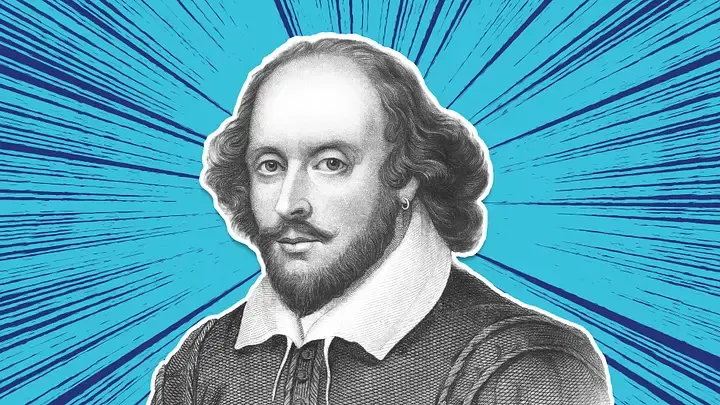
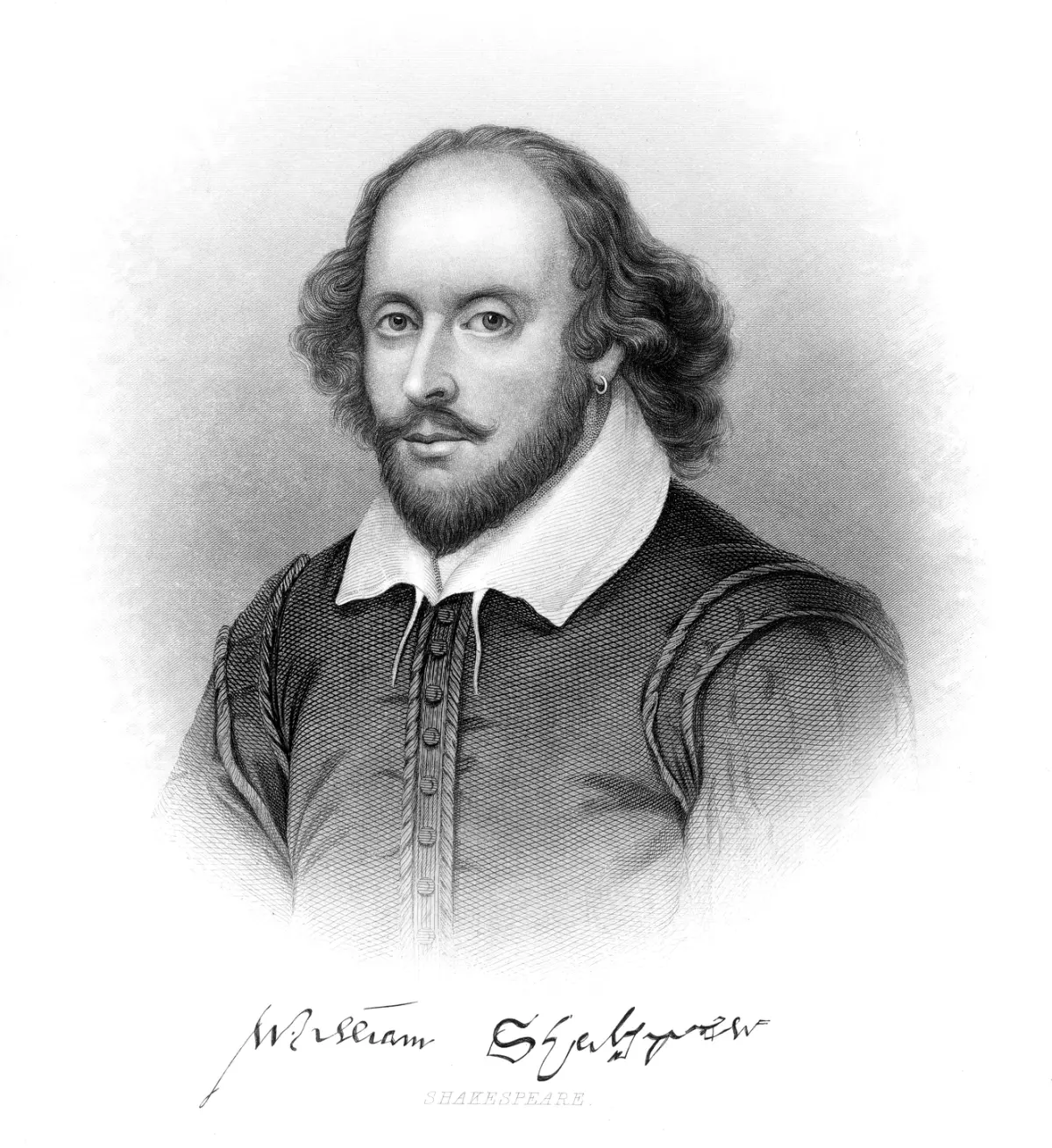
William Shakespeare was an English playwright, poet, and actor, widely regarded as the greatest writer in the English language. Born in Stratford-upon-Avon in 1564, he authored at least 37 plays and 154 sonnets. His works, including Hamlet and Romeo and Juliet, continue to influence global literature, theater, and modern cultural expression today.
On this page
Who was William Shakespeare in history?
William Shakespeare was born in April 1564 in Stratford-upon-Avon, Warwickshire. While his exact birth date is unrecorded, he was baptized on April 26, suggesting an April 23 birth. He was the son of John Shakespeare, a successful glover and local official, and Mary Arden. In 1582, at age 18, he married Anne Hathaway, with whom he had three children: Susanna and twins Hamnet and Judith.
By 1592, Shakespeare had established himself as an actor and playwright in London. He became a key member of the Lord Chamberlain’s Men, a theatrical company that later gained royal patronage as the King’s Men. Throughout his career, he wrote comedies, histories, and tragedies that explored the complexities of human nature. He retired to Stratford around 1613 and died on April 23, 1616, at the age of 52.
How to understand Shakespeare’s plays
Shakespeare’s body of work is typically categorized into three main genres: comedies, histories, and tragedies. His comedies often feature mistaken identities and romantic complications, while his histories chronicle the lives of English monarchs. His tragedies, such as Macbeth and King Lear, focus on the moral failings and eventual downfalls of powerful protagonists.
To better appreciate his writing, consider these elements:
- Iambic pentameter: A rhythmic pattern of ten syllables per line, alternating unstressed and stressed beats.
- Soliloquies: Speeches where a character reveals their innermost thoughts directly to the audience.
- Wordplay: The frequent use of puns, metaphors, and double meanings to add layers of complexity.
- Character development: The transition of characters from static archetypes to psychologically nuanced individuals.
Where to start reading Shakespeare
For those new to Shakespeare, diving into his entire canon can be overwhelming. It is best to begin with plays that feature accessible language and clear, compelling plots. Many readers find that watching a performance or a film adaptation helps clarify the dialogue before reading the original text.
Follow these steps to begin your study:
- Select a popular play: A Midsummer Night’s Dream or Twelfth Night are excellent starting points for comedy.
- Use an annotated edition: Choose a version with footnotes that explain Elizabethan slang and historical context.
- Watch a live production: Seeing the play performed brings the movement and emotional weight to life.
- Read aloud: Shakespeare wrote for the stage, and hearing the rhythm of the lines often makes the meaning clearer.
Why Shakespeare is still important today
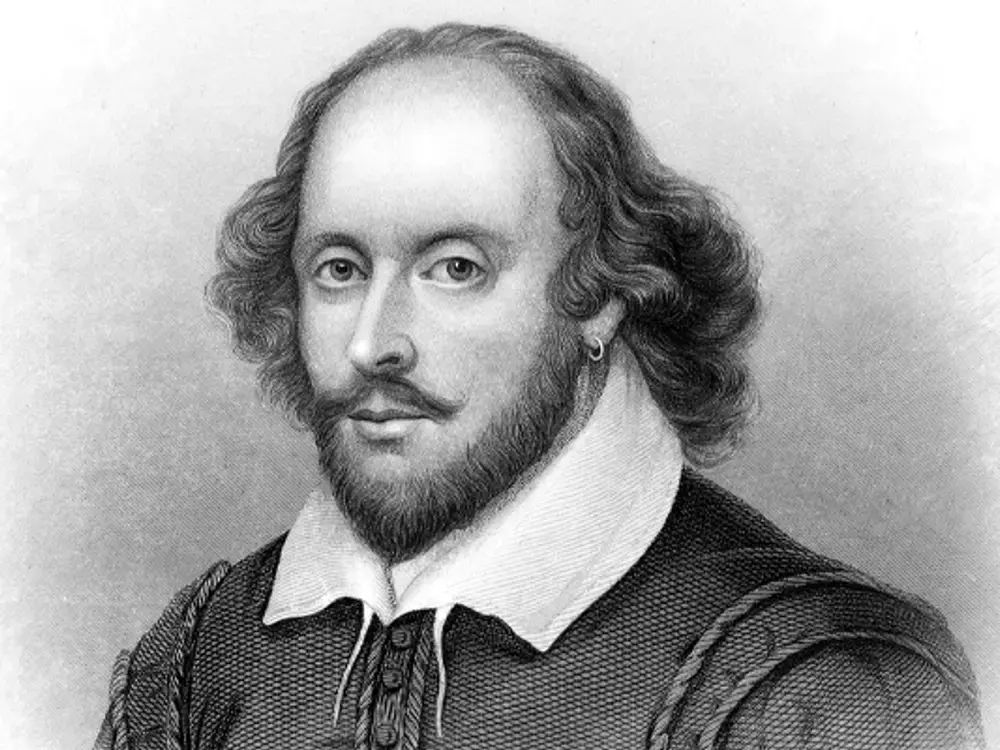
Shakespeare’s influence stems from his profound understanding of the human condition. He addressed universal themes such as love, jealousy, power, betrayal, and mortality, which remain relevant across different cultures and centuries. His ability to create characters who feel like real people allowed his work to transcend the limitations of his own time.
Furthermore, Shakespeare significantly expanded the English language. He is credited with introducing hundreds of words and phrases into common usage, including "break the ice," "heart of gold," and "wild-goose chase." By synthesizing classical storytelling with contemporary vernacular, he created a framework for modern drama that continues to serve as a benchmark for writers and performers around the world.
Common mistakes when studying Shakespeare
A frequent error is assuming that the language is too archaic to understand without specialized training. While the vocabulary can be challenging, the emotional core of the stories is straightforward and relatable. Readers often struggle because they try to translate every single word rather than focusing on the context clues provided by the actors' actions and the scene’s tone.
Avoid these common pitfalls:
- Ignoring the stage directions: These provide essential information about how a scene should look and feel.
- Over-analyzing every line: Focus on the overall narrative arc before dissecting specific metaphors or poetic devices.
- Relying solely on modern film adaptations: While helpful, some films take significant liberties that may obscure the original intent of the text.
- Neglecting the historical context: Understanding the political and social landscape of the Elizabethan era provides necessary perspective on the characters' motivations and the societal pressures they face.
Key facts
- William Shakespeare was an English playwright and poet born in Stratford-upon-Avon in April 1564.
- He wrote approximately 39 plays, including tragedies like Hamlet and comedies such as A Midsummer Night's Dream.
- Shakespeare was a founding member of the Lord Chamberlain’s Men, a prominent acting troupe later known as the King's Men.
- His literary output includes 154 sonnets, which are famous for their exploration of themes like love, time, and beauty.
- He popularized hundreds of English words and phrases, many of which remain in common usage today.
- When reading his work, focus on the rhythm of the iambic pentameter to better understand the emotional intent of the dialogue.
The bottom line
William Shakespeare remains the most influential figure in English literature, having transformed the landscape of drama and poetry through his unparalleled command of language. By exploring the depths of the human experience, his works transcend their 17th-century origins to remain relevant in modern culture. Understanding his legacy requires appreciating both his technical mastery of verse and his enduring ability to capture universal emotions and conflicts.
People also ask
Did Shakespeare actually write all the plays attributed to him?
While some fringe theories suggest other authors like Francis Bacon or Christopher Marlowe, the overwhelming consensus among historians is that Shakespeare wrote his own works. Evidence includes contemporary references, his inclusion in the First Folio, and his documented career as an actor in London.
What is the significance of the Globe Theatre?
The Globe was the London playhouse where many of Shakespeare's most famous works were first performed starting in 1599. It was an open-air amphitheater that allowed for a diverse audience, ranging from wealthy nobles to common laborers.
Why is Shakespeare's language often difficult to understand?
Shakespeare wrote in Early Modern English, which contains vocabulary and grammatical structures that have evolved over the last 400 years. To improve comprehension, avoid reading word-for-word and instead look for the underlying emotional context or use a modern annotated edition.
What are the main genres of Shakespeare’s plays?
His works are traditionally categorized into three primary genres: tragedies, comedies, and histories. Tragedies focus on the downfall of a noble protagonist, comedies often revolve around mistaken identities and marriage, and histories dramatize the lives of English monarchs.
How many of Shakespeare's plays have survived to the present day?
Most of his work was preserved in the 1623 First Folio, a collection published seven years after his death by his colleagues John Heminges and Henry Condell. This volume contains 36 plays, though modern scholars have since identified a few others as part of his canon.
What is a sonnet, and why is it important?
A sonnet is a 14-line poem written in a specific rhyme scheme and meter. Shakespeare’s sonnets are considered some of the greatest in the English language because they offer profound, personal insights into human nature and the complexities of romantic relationships.
This answer was created with the help of AI research tools and reference sources. Spotted an error? Let us know — we correct mistakes quickly. See our editorial policy.