Who invented Scrabble?
Short answer
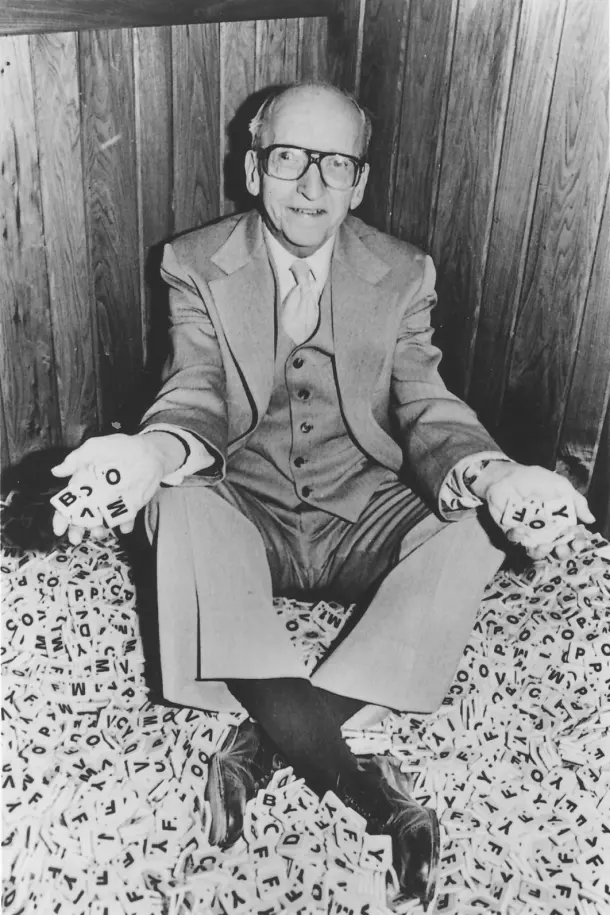
Alfred Mosher Butts, an unemployed architect from Poughkeepsie, New York, invented Scrabble in 1933. Originally called "Lexiko" and later "Criss-Cross Words," the game combined his interests in word puzzles and mathematical probability. His friend James Brunot later refined the rules and board design, officially trademarking the name Scrabble in 1948.
On this page
Who was the inventor of Scrabble?
Alfred Mosher Butts was an architect living through the Great Depression when he decided to create a board game. He analyzed the front page of The New York Times to calculate the frequency of letters in the English language. By assigning point values based on how difficult a letter was to use, he created a balanced system that rewarded vocabulary and strategic placement.
Butts initially struggled to find a manufacturer interested in his invention, which he first named Lexiko. He spent years refining the mechanics, eventually adding the premium squares that define the game today. Although his early attempts to market the game were unsuccessful, his persistence laid the groundwork for one of the most popular board games in history.
How did Scrabble become a commercial success?
The transition from a homemade hobby to a global phenomenon began with James Brunot. An entrepreneur and friend of Butts, Brunot saw potential in the game and negotiated a royalty agreement to produce it. In 1948, the pair trademarked the name "Scrabble" and began manufacturing sets in a converted schoolhouse in Connecticut.
The game’s breakthrough occurred in the early 1950s when the president of Macy’s department store played it while on vacation. He was so impressed that he ordered a large stock for his stores, causing sales to skyrocket. By the mid-1950s, the game was a household staple, selling millions of units and cementing its place in American culture.
- Brunot redesigned the board to include the iconic color-coded premium squares.
- The rules were simplified to make the game accessible to casual players.
- The manufacturing process was streamlined to meet the sudden surge in demand.
How to play Scrabble for beginners
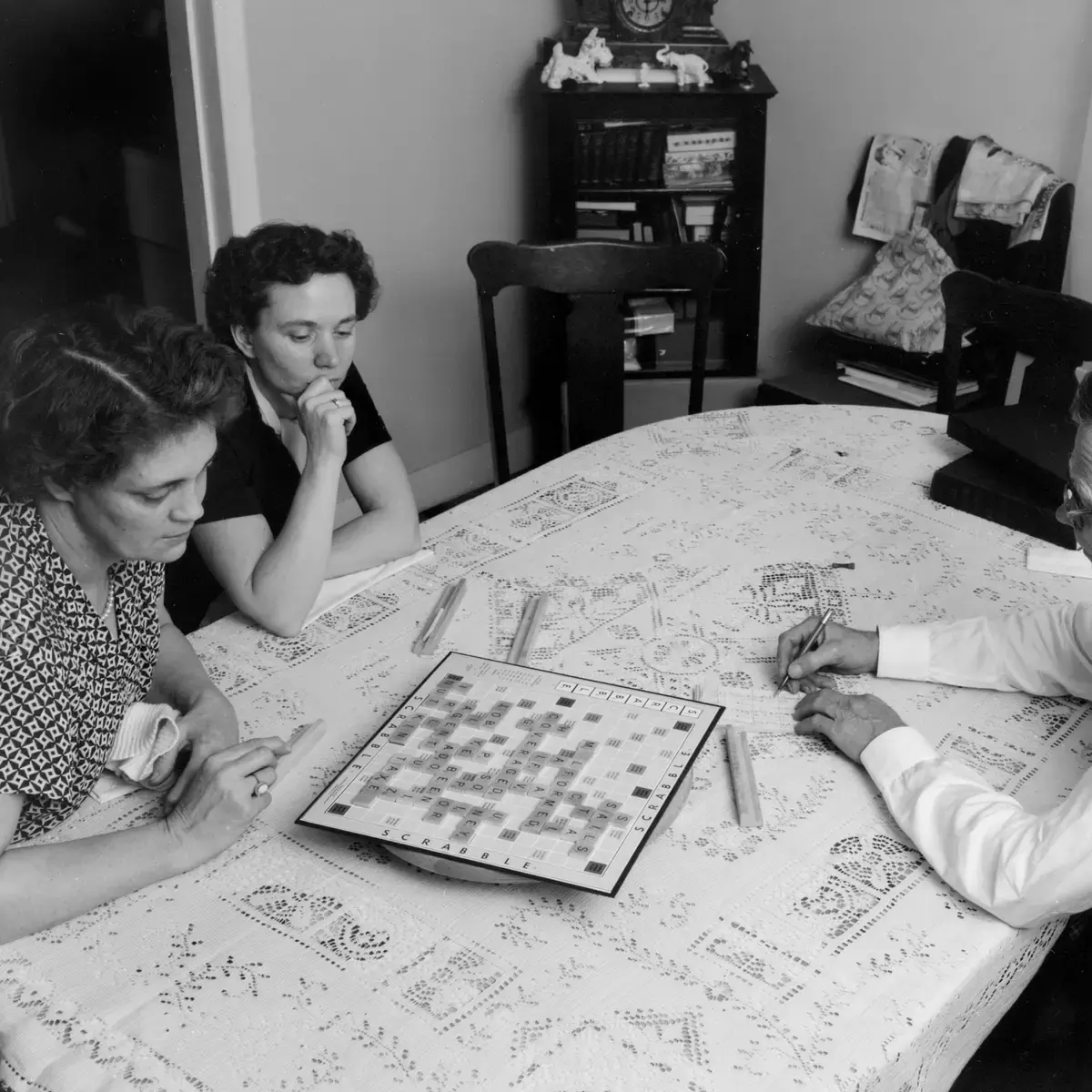
To start a game, each player draws seven tiles from the bag. The first player must place a word across the center star, which acts as a double-word score. Subsequent players must build off existing words on the board, either by adding letters to create new words or by interlocking words perpendicularly.
Strategic play is essential for improving your score. Beginners often focus only on long words, but small, high-scoring words are frequently more effective. Learning two-letter words is the most important skill for a new player because they allow you to hook your tiles onto existing words, maximizing your point potential.
- Always check for opportunities to place tiles on double or triple letter squares.
- Exchange your tiles if you are stuck with too many vowels or consonants.
- Keep track of the remaining tiles to anticipate what your opponent might play.
Common mistakes when playing Scrabble
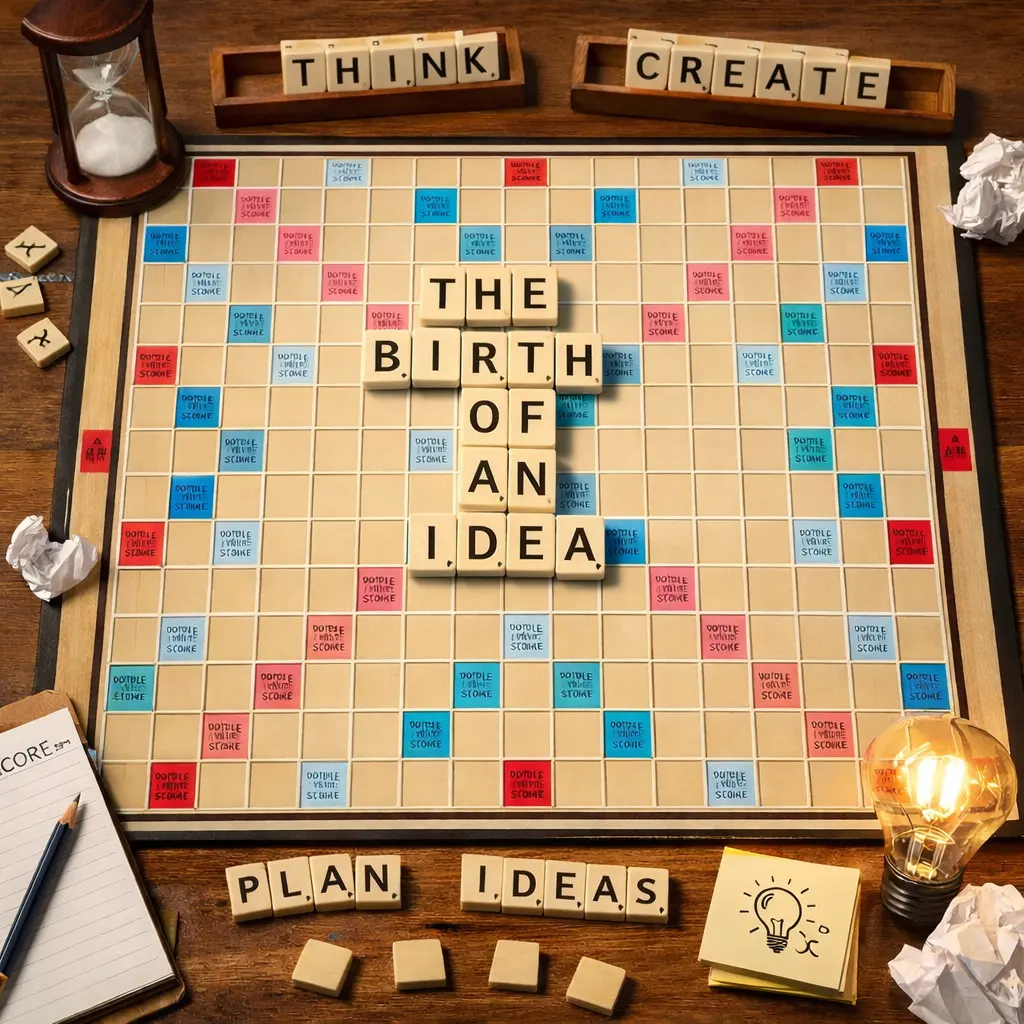
One of the most frequent errors beginners make is failing to use the premium squares effectively. Placing a high-value tile like a "Z" or "Q" on a standard square wastes potential points that could have been tripled or doubled. Always look for ways to extend your word to reach these multipliers before settling for a lower-scoring placement.
Another common mistake is hoarding tiles in hopes of playing a seven-letter "bingo" every turn. While a bingo grants a 50-point bonus, waiting too long often results in a clogged rack and missed opportunities to score consistently. Players should aim for steady, incremental points rather than gambling on a single high-scoring move that may never materialize.
- Playing a word that is not in the official dictionary.
- Ignoring the defensive aspect of the game by leaving open spots for opponents.
- Forgetting to count the total score correctly after each turn.
Why is Scrabble still popular today?
Scrabble remains a staple in board gaming because it balances luck and skill. While drawing tiles involves chance, the ability to manipulate the board and manage your rack requires deep linguistic knowledge and tactical planning. This combination ensures that no two games are ever the same, keeping the experience fresh for players of all ages.
The game has also adapted to the digital age, with official applications and online platforms allowing people to compete globally. Despite these technological shifts, the core experience—the physical act of placing tiles on a board—remains unchanged. It continues to serve as an educational tool for vocabulary development and a social activity that brings families and friends together across generations.
Key facts
- Alfred Mosher Butts, an unemployed architect, invented the game in 1933.
- He originally named the game "Lexiko" and later "Criss-Cross Words."
- Butts analyzed the frequency of letters on the front page of The New York Times to determine point values.
- James Brunot, a friend and entrepreneur, helped refine the rules and renamed the game "Scrabble" in 1948.
- The game was first manufactured in a converted schoolhouse in Dodgington, Connecticut.
- To improve your score, always look for "bingos," which occur when you use all seven tiles on your rack for a 50-point bonus.
The bottom line
Alfred Mosher Butts created Scrabble during the Great Depression by combining his love for math and word games. Though it struggled to gain traction initially, the game became a global phenomenon after James Brunot refined its design. Today, it remains a staple of competitive and casual play, teaching players that strategic tile placement and letter frequency management are far more important than simply forming long words.
People also ask
How many tiles are in a standard Scrabble set?
A standard English-language Scrabble set contains 100 tiles. These include 98 letter tiles and two blank tiles that function as wildcards.
Why are some letters worth more points than others?
Point values are based on the frequency of letters in the English language. Common letters like E, A, and I are worth one point, while rare letters like Q and Z are worth ten.
Can you use proper nouns in Scrabble?
No, proper nouns are strictly prohibited by official tournament rules. You cannot play names of people, places, or specific brands unless they appear as common nouns in the dictionary.
What is the highest-scoring word possible in Scrabble?
The word "OXYPHENBUTAZONE" holds the record for the highest-scoring single play, potentially yielding 1,778 points. This theoretical score requires hitting multiple triple-word squares across the board.
Are dictionaries allowed during a game?
Yes, players should keep an official Scrabble dictionary nearby to settle disputes. Agreeing on which dictionary to use before starting the game prevents arguments during play.
What is the most common mistake beginners make?
Beginners often focus only on making long words rather than placing tiles on premium squares. Prioritizing double or triple letter and word scores is the most effective strategy for winning.
This answer was created with the help of AI research tools and reference sources. Spotted an error? Let us know — we correct mistakes quickly. See our editorial policy.