Who invented the refrigerator?
Short answer
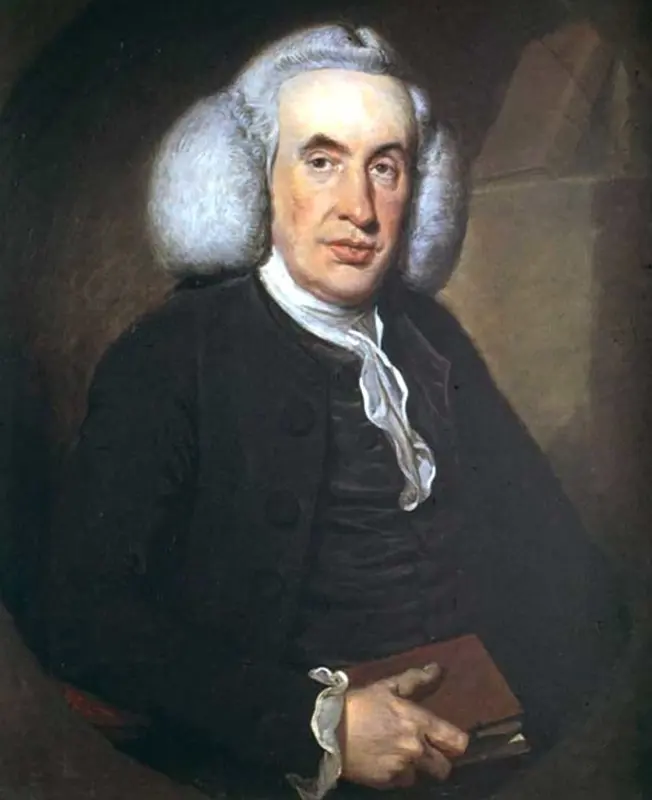
The refrigerator was not invented by a single person but evolved through the contributions of many scientists and engineers. William Cullen demonstrated the first artificial refrigeration process in 1748, while Oliver Evans designed the first vapor-compression system in 1805. Later, Jacob Perkins and Fred W. Wolf refined these concepts for commercial use.
On this page
Who actually invented the refrigerator?
The history of refrigeration is a cumulative process rather than a singular breakthrough. In 1748, Scottish professor William Cullen created the first artificial refrigeration cycle by evaporating diethyl ether into a partial vacuum, which produced a small amount of ice. While his experiment proved the scientific principle, it remained a laboratory curiosity rather than a practical appliance for the home.
In 1805, American inventor Oliver Evans conceptualized a closed vapor-compression refrigeration cycle. He envisioned using ether to produce ice, but he never built a working prototype. It was Jacob Perkins, an American working in London, who eventually constructed the first functional vapor-compression refrigeration system in 1834. His machine used a volatile fluid to cool the interior, setting the stage for the industrial cooling systems that would eventually transform the global food supply chain.
How does a refrigerator keep food cold?
Modern refrigerators operate on the principle of thermodynamics, specifically the vapor-compression cycle. This process relies on a chemical refrigerant that circulates through a closed loop of copper coils. The system continuously removes heat from the interior of the cabinet and releases it into the surrounding room air, effectively lowering the internal temperature to a level that slows bacterial growth.
The cycle consists of four primary components working in tandem to maintain a consistent climate:
- Compressor: Pressurizes the refrigerant gas, raising its temperature.
- Condenser coils: Allow the hot gas to release heat to the outside air, turning it into a liquid.
- Expansion valve: Reduces the pressure, causing the liquid to evaporate rapidly.
- Evaporator coils: Absorb heat from the inside of the fridge as the liquid turns back into gas.
How to maintain a refrigerator for longevity
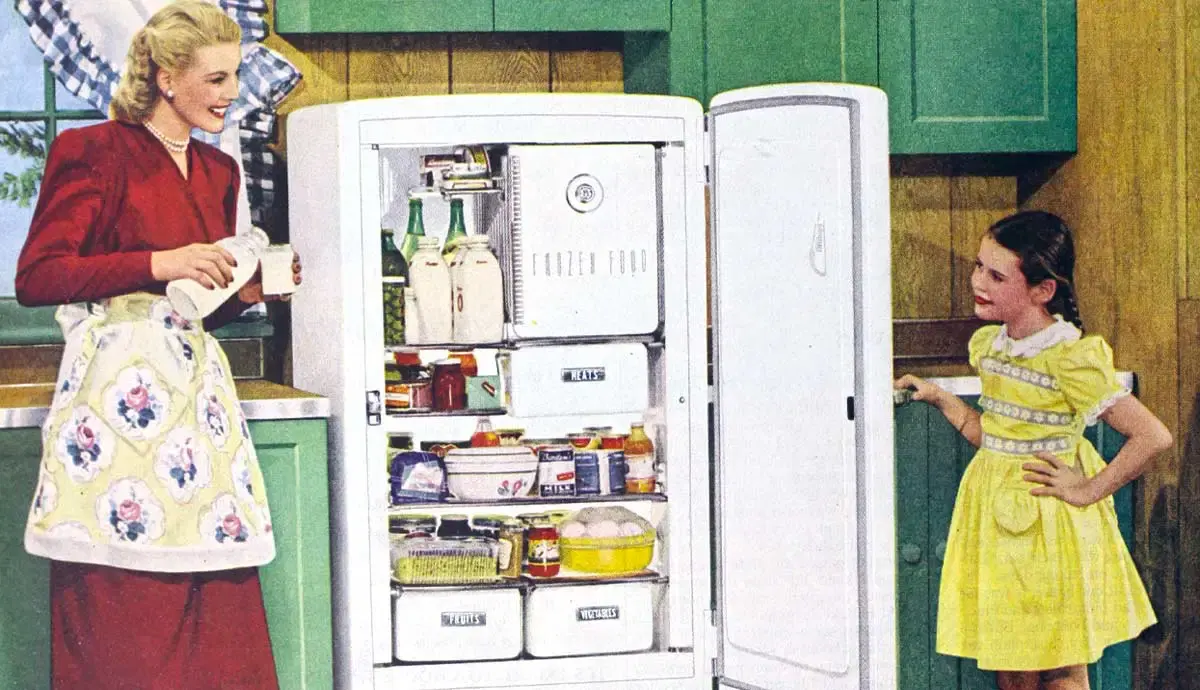
Regular maintenance is essential to ensure your appliance runs efficiently and lasts for over a decade. Dust and pet hair are the primary enemies of a refrigerator’s cooling performance, as they accumulate on the condenser coils located at the back or bottom of the unit. When these coils are insulated by debris, the compressor must work harder and longer, which increases energy consumption and leads to premature mechanical failure.
To keep your unit in peak condition, follow these simple maintenance steps:
- Unplug the refrigerator before performing any deep cleaning or coil maintenance.
- Use a vacuum attachment or a long-handled coil brush to remove dust from the condenser coils every six months.
- Check the rubber door gaskets for cracks or gaps by closing the door on a piece of paper; if the paper slides out easily, the seal needs replacement.
- Wipe down the interior shelves and drawers with a mild soap solution to prevent mold growth and odors.
Common mistakes when using a refrigerator
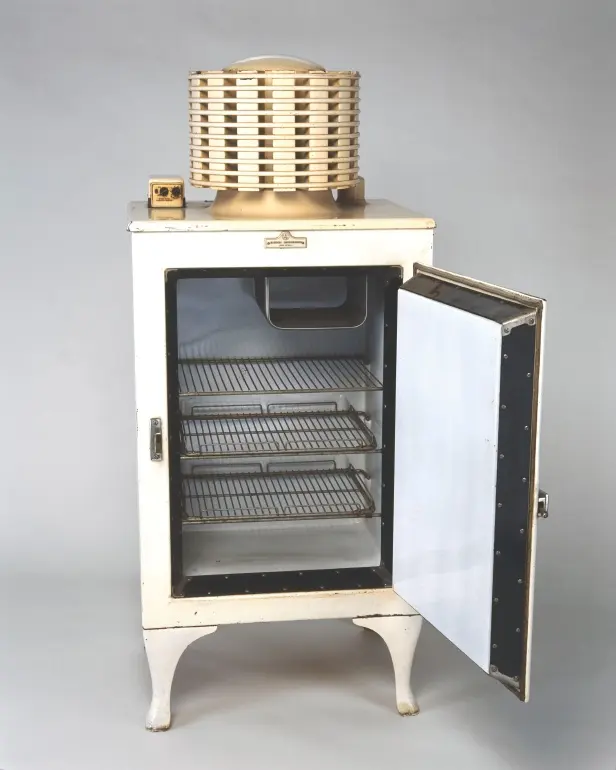
Many users inadvertently compromise their refrigerator's efficiency through improper loading or temperature settings. A frequent error is overstuffing the shelves, which blocks the internal air vents. These vents are designed to circulate cold air throughout the cabinet; when they are obstructed by large containers or food packages, the temperature becomes uneven, leading to warm spots where bacteria can thrive and food may spoil faster.
Another common mistake is frequently leaving the door open while deciding what to eat. This action forces the compressor to run continuously to replace the lost cold air, which spikes electricity usage and stresses the motor. Additionally, storing hot leftovers directly in the fridge can raise the internal temperature of the entire unit, potentially pushing it into the "danger zone" between 40°F and 140°F, where foodborne pathogens multiply rapidly. Always allow hot food to cool to room temperature before placing it inside.
Why refrigerators are essential for food safety
The invention of the refrigerator fundamentally changed human health by drastically reducing the incidence of foodborne illnesses. Before mechanical refrigeration, households relied on iceboxes, which required constant deliveries of harvested ice and offered limited temperature control. The transition to electric cooling allowed for a reliable, constant temperature below 40°F, which is the threshold required to inhibit the growth of dangerous bacteria like Salmonella, E. coli, and Listeria.
Beyond safety, the refrigerator has had a massive impact on the global economy and culinary diversity. It allows for the long-term storage of perishable goods, enabling families to buy in bulk and reduce food waste. This technology also supports the global distribution of fresh produce, meat, and dairy products, ensuring that seasonal foods are available year-round. By stabilizing the internal environment of our food supply, refrigeration has become the most important appliance in the modern home, serving as a silent guardian of both our nutrition and our daily convenience.
Key facts
- William Cullen demonstrated the first artificial refrigeration process in 1748 by creating a small amount of ice using ether.
- Oliver Evans designed the first vapor-compression refrigeration cycle in 1805, though he never built a working prototype.
- Jacob Perkins built the first functional vapor-compression refrigeration system in 1834, earning the title of the father of the refrigerator.
- Fred W. Wolf invented the first mass-produced electric refrigerator for home use, known as the DOMELRE, in 1913.
- To maintain efficiency, ensure your refrigerator seals are clean and airtight to prevent cold air from leaking out.
- Keep your refrigerator temperature between 35°F and 38°F (1.7°C to 3.3°C) to prevent bacterial growth while saving energy.
The bottom line
The refrigerator was not the invention of a single person but the result of centuries of scientific evolution. While William Cullen pioneered the concept in 1748, innovators like Jacob Perkins and Fred W. Wolf turned abstract thermodynamic theories into the essential household appliance we rely on today. Understanding its history and proper maintenance ensures your food stays safe and your appliance remains energy-efficient for years.
People also ask
How does a modern refrigerator keep food cold?
It circulates a refrigerant through coils, which absorbs heat from inside the unit and releases it outside. This cycle continuously removes thermal energy, keeping the interior temperature low.
Why did people use iceboxes before electric refrigerators?
Iceboxes were insulated cabinets that held large blocks of natural ice harvested from frozen lakes. They were the standard for food preservation until mechanical refrigeration became affordable for households.
What is the most common mistake when organizing a refrigerator?
Storing perishable items like milk in the door is a common error. The door temperature fluctuates frequently, so move dairy to the back of the main shelves.
How long can a refrigerator last?
A well-maintained refrigerator typically lasts between 10 and 15 years. Regular cleaning of the condenser coils can significantly extend its operational lifespan.
Is it safe to put hot food directly into the fridge?
It is better to let food cool to room temperature before refrigerating it. Placing very hot items inside can raise the internal temperature, potentially putting other foods at risk.
Why do refrigerators make humming noises?
The sound is usually caused by the compressor motor running to circulate the refrigerant. If the noise becomes excessively loud or metallic, it may indicate a mechanical issue.
This answer was created with the help of AI research tools and reference sources. Spotted an error? Let us know — we correct mistakes quickly. See our editorial policy.