Who invented the washing machine?
Short answer
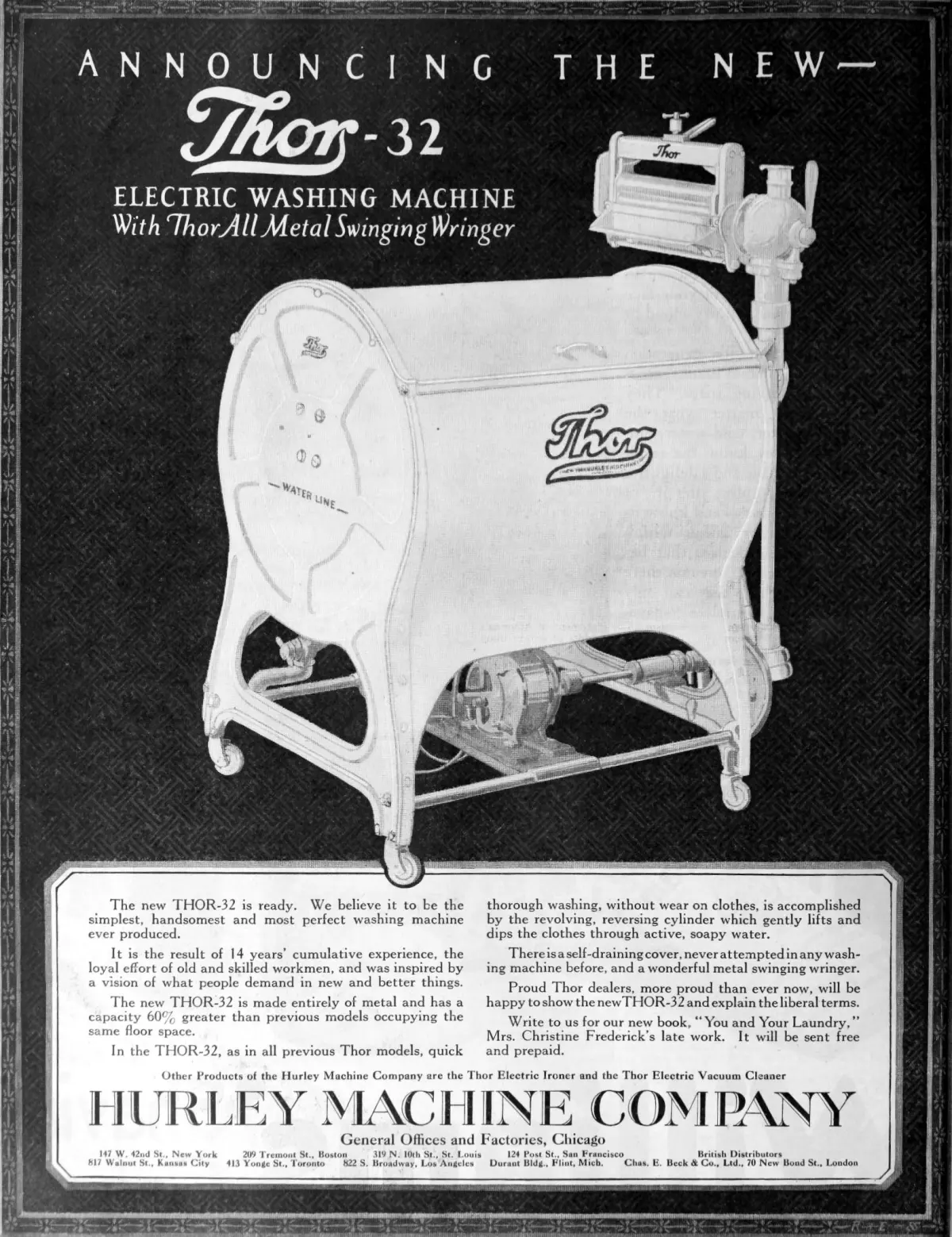
There is no single inventor of the washing machine. The technology evolved over centuries from manual scrub boards to complex electric appliances. Jacob Christian Schäffer created a notable early design in 1767, while Alva J. Fisher is frequently credited with patenting the first electric-powered washing machine in 1908, known as the "Thor."
On this page
Who invented the first washing machine?
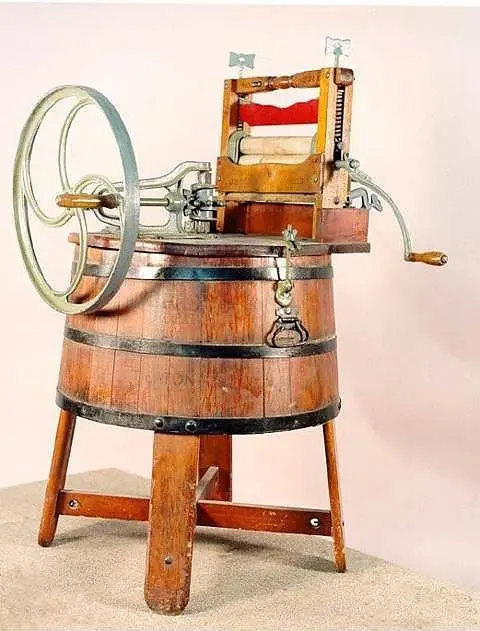
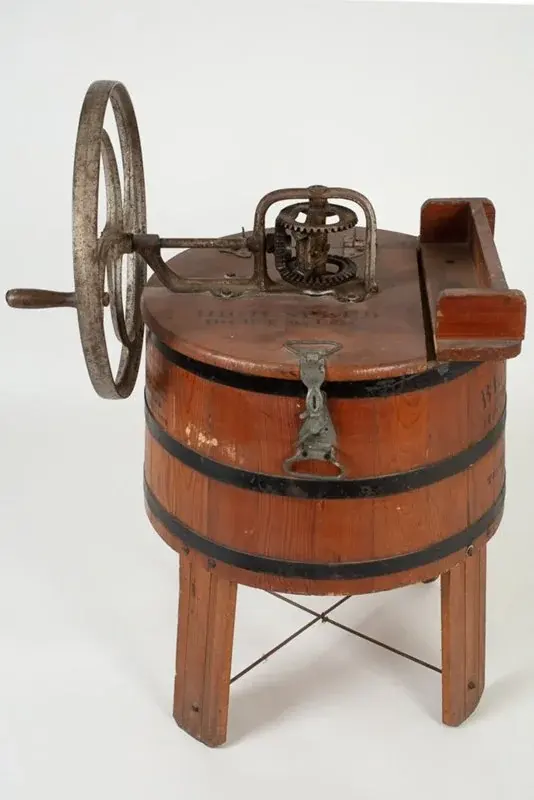
The history of laundry technology is a progression of incremental improvements rather than a single breakthrough. Before mechanical assistance, humans relied on physical labor, such as rubbing clothes against stones or using wooden washboards to agitate fabric in water. In 1767, German theologian Jacob Christian Schäffer published a design for a mechanical washing machine that utilized a rotating drum, though it still required manual hand-cranking.
Throughout the 19th century, inventors experimented with various agitators and dollies to replicate the motion of hand-washing. In 1851, James King patented a drum-based machine that used a hand-cranked mechanism, which was a significant step toward modern automation. These early devices were not powered by electricity, meaning they were physically demanding to operate. By the late 1800s, manufacturers began producing machines with metal tubs and wringers, which helped push water out of heavy fabrics, significantly reducing the labor involved in the laundry process.
How did the electric washing machine change laundry?
The transition to electric power fundamentally altered the domestic landscape by reducing the time and physical strain required for household chores. In 1908, Alva J. Fisher, working for the Hurley Machine Company in Chicago, introduced the "Thor." This machine featured a galvanized tub and an electric motor that turned the drum back and forth to agitate the clothing. It was the first commercially successful electric washing machine, setting the standard for future home appliances.
The adoption of electric machines led to several key changes in household management:
- Increased efficiency allowed families to wash larger loads of clothing more frequently.
- The integration of electric motors eliminated the need for manual cranking or steam-powered systems.
- Standardized designs allowed for safer operation, reducing the risk of injuries associated with early wringer machines.
- The convenience of the machine allowed for better fabric maintenance and cleaner garments.
Why did early washing machines have wringers?
Early washing machines lacked the sophisticated spin-dry cycles found in modern appliances, which are capable of reaching high speeds to extract water through centrifugal force. Instead, they relied on wringers—two heavy rollers—to squeeze excess water out of wet clothes. Users would manually feed the fabric through the rollers, which was a slow and often dangerous process. If clothing became tangled or a finger was caught in the rollers, the risk of serious injury was quite high.
To operate a machine with a wringer safely, users had to follow specific protocols:
- Feed the garment into the rollers evenly to prevent bunching.
- Keep loose hair, jewelry, and long sleeves away from the moving parts.
- Use the emergency release lever if the fabric became jammed or if a safety hazard occurred.
- Ensure the machine was on a level surface to prevent tipping during the heavy mechanical operation of the rollers.
Common mistakes when using a washing machine
Even with modern, fully automated machines, users often make errors that can damage their clothing or the appliance itself. One of the most frequent mistakes is overloading the drum. When a machine is packed too tightly, the clothes cannot move freely, which prevents the detergent from cleaning effectively and puts excessive strain on the motor and suspension system. This can lead to premature mechanical failure and poorly cleaned laundry.
Another common oversight involves the use of detergent. Using too much soap creates excess suds that can trap dirt and bacteria, potentially leaving a residue on your clothes or inside the machine’s drum. Over time, this buildup can lead to mold growth and unpleasant odors. Additionally, failing to check pockets for loose coins or keys can result in significant damage to the drum and the drainage pump, often requiring expensive professional repairs to resolve.
How to maintain a washing machine for longevity
Proper maintenance is essential to ensure your washing machine operates efficiently for many years. You should perform a deep cleaning of the machine at least once a month to remove detergent buildup and mineral deposits. Many modern machines have a specific "tub clean" cycle, but you can also run a hot cycle with a cup of white vinegar or a commercial cleaning tablet to sanitize the interior.
To keep your machine in top condition, follow these simple maintenance steps:
- Leave the door or lid slightly ajar after each use to allow the interior to dry out and prevent mold.
- Regularly inspect the rubber gasket around the door for debris, hair, or standing water.
- Clean the lint filter or drain pump filter every few months to ensure proper water flow.
- Check the inlet hoses for signs of cracking or leaking to prevent potential water damage in your home.
Following these steps will help you avoid common mechanical issues and ensure your appliance continues to function reliably for the duration of its expected lifespan.
Key facts
- Jacob Christian Schäffer published designs for a mechanical washing machine in 1767, though it was operated by hand.
- Nathaniel Briggs received the first U.S. patent for a clothes-washing machine in 1797, though details of his invention are lost.
- Alva J. Fisher is widely credited with inventing the first electric washing machine, the "Thor," in 1908.
- Early machines used a wooden tub and a hand-cranked dolly to agitate clothes, which often caused significant fabric wear.
- Modern machines utilize sensors to detect load weight and soil levels, optimizing water and detergent usage automatically.
- Always check clothing labels for "hand wash only" symbols, as mechanical agitation can damage delicate fibers like silk or wool.
The bottom line
The invention of the washing machine was a gradual evolution rather than a single moment of discovery. From 18th-century hand-cranked wooden tubs to Alva J. Fisher’s 1908 electric breakthrough, the technology has continuously improved to save time and labor. Today’s machines prioritize water efficiency and fabric care, making proper loading and regular maintenance essential for ensuring your appliance operates effectively and lasts for many years.
People also ask
When did the first electric washing machine become available for home use?
The first electric washing machine, the Thor, was introduced to the American public in 1908. It featured a galvanized tub and an electric motor, revolutionizing household chores by eliminating the need for manual scrubbing.
Why do some people prefer front-loading machines over top-loaders?
Front-loading machines are generally more water-efficient and gentler on fabrics because they use a tumbling motion rather than a central agitator. They also spin at higher speeds, which extracts more water and reduces drying time.
What is the most common mistake people make when using a washing machine?
Overloading the drum is a frequent error that prevents clothes from moving freely, leading to poor cleaning results. It also puts excessive strain on the machine's motor and suspension system, potentially causing premature mechanical failure.
How often should a washing machine be cleaned?
You should run a cleaning cycle with a specialized washer cleaner or white vinegar at least once a month. This prevents the buildup of mold, mildew, and detergent residue, which can cause unpleasant odors in the drum.
Can I use regular dish soap in my washing machine?
Never use dish soap, as it creates excessive suds that can overflow the machine and damage internal components. Always use high-efficiency (HE) detergent specifically formulated for modern washing machines to ensure proper rinsing.
What does the "HE" symbol on detergent bottles mean?
The "HE" symbol stands for High Efficiency, indicating the detergent is designed for low-water-volume machines. These detergents are low-sudsing and disperse quickly, preventing residue buildup in machines that use less water than traditional models.
This answer was created with the help of AI research tools and reference sources. Spotted an error? Let us know — we correct mistakes quickly. See our editorial policy.