Who invented the vacuum cleaner?
Short answer
The vacuum cleaner was not invented by a single person but evolved through the contributions of several 19th-century innovators. Daniel Hess patented the first carpet sweeper in 1860, while Hubert Cecil Booth popularized the motorized vacuum in 1901. James Spangler later developed the first portable electric vacuum cleaner in 1908.
On this page
Who actually invented the vacuum cleaner?
The history of the vacuum cleaner is a series of incremental improvements rather than a single "eureka" moment. In 1860, Daniel Hess of Iowa patented a machine that used a rotating brush and a bellows mechanism to generate suction. While it was the first device to combine these features, it was never commercially produced. Later, in 1869, Ives McGaffey created the "Whirlwind," which was the first hand-pumped vacuum cleaner to reach the market. It was difficult to operate because the user had to turn a hand crank while pushing the device across the floor.
Because these early machines were cumbersome, inventors continued to experiment with power sources. By the late 1800s, inventors were testing steam and gasoline engines to create more effective suction. These efforts laid the groundwork for the more practical electric models that would eventually revolutionize home cleaning. The evolution of the device proves that innovation is rarely the work of one individual, but rather a collective effort spanning several decades of engineering trial and error.
How did early motorized vacuums work?
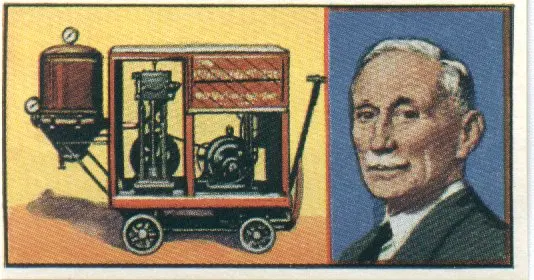
In 1901, British engineer Hubert Cecil Booth observed a demonstration of a machine that blew dust off chairs. He realized that a machine designed to suck dust instead would be far more effective. He created the "Puffing Billy," a massive, horse-drawn vacuum powered by a gasoline engine. Because of its size, the machine remained outside the building, and long hoses were snaked through windows to clean the interior. It was a luxury service for the wealthy, often used to clean large public spaces like theaters and barracks.
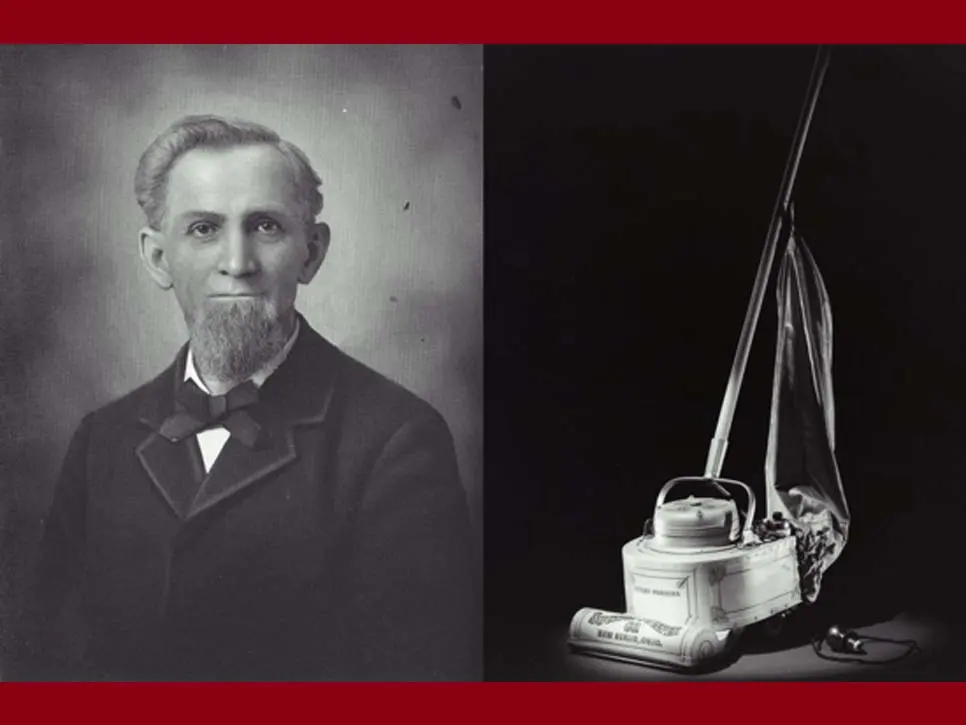
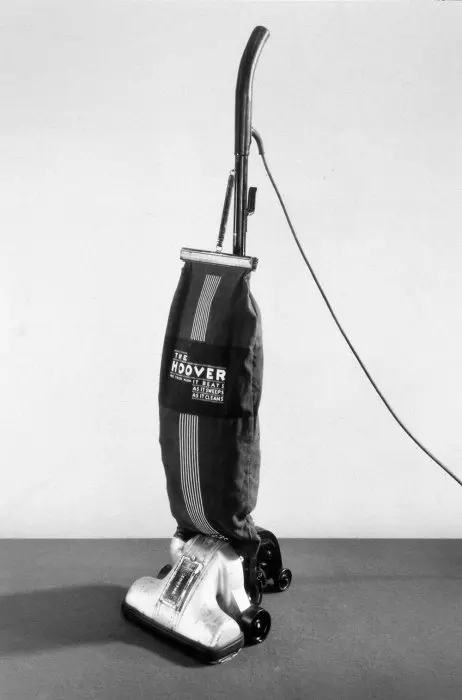
The transition to household use required smaller, more efficient motors. James Spangler, a janitor in Ohio, suffered from asthma and sought a way to clean carpets without stirring up dust. In 1908, he built a portable electric vacuum using a soap box, a pillowcase, and an electric fan motor. He sold the patent to William Hoover, who refined the design and began mass-producing the upright vacuum cleaner. This shift from industrial-scale machines to compact, consumer-friendly appliances changed domestic labor forever.
How to maintain a modern vacuum cleaner
To ensure your vacuum lasts for many years, you must perform routine maintenance. Neglecting these tasks can lead to reduced suction and motor burnout. Follow these steps to keep your machine in top condition:
- Empty the dust canister or replace the bag whenever it is two-thirds full to maintain airflow.
- Check the brush roll regularly for tangled hair and string, which can prevent the bristles from agitating the carpet.
- Clean or replace the filters according to the manufacturer’s schedule, typically every three to six months.
- Inspect the hose for blockages by using a long, blunt object to gently push through any debris.
If you notice a burning smell or a sudden drop in power, stop the machine immediately. These are often signs that the motor is overheating or that a belt has snapped. Regular maintenance not only extends the lifespan of the appliance but also ensures that your home remains free of allergens and dust particles.
Common mistakes when using a vacuum
Many users unknowingly damage their vacuums by using them incorrectly. One of the most frequent errors is attempting to vacuum up liquid spills or damp debris. Unless a vacuum is specifically rated as a "wet/dry" vac, moisture can cause electrical shorts or lead to mold growth inside the machine. Another common mistake is vacuuming up hard objects like coins, paperclips, or small toys. These items can puncture the hose, damage the internal fans, or become lodged in the intake, causing significant mechanical failure.
Additionally, users often fail to adjust the height setting on their vacuum for different floor types. Using a high-pile carpet setting on a bare floor prevents the machine from making proper contact, while using a low-pile setting on thick carpet can restrict airflow and strain the motor. Always take a moment to check your settings before you begin. By avoiding these simple pitfalls, you can prevent unnecessary repairs and keep your vacuum operating at peak efficiency for a longer period of time.
Why vacuum technology continues to evolve
Modern vacuum technology focuses on efficiency, maneuverability, and filtration. The shift toward cordless, battery-operated vacuums has made cleaning more convenient, though it introduces the challenge of battery life management. Manufacturers now prioritize HEPA filtration systems, which are essential for capturing microscopic particles like pollen and pet dander. These advancements make vacuums more than just cleaning tools; they are now vital components of home health and indoor air quality management.
- Look for models with high-capacity lithium-ion batteries if you have a large home.
- Consider the weight of the unit, especially if you have to carry it between multiple floors.
- Check for "bagless" versus "bagged" options, as bagged models are often better for those with severe allergies.
- Evaluate the noise level, as some high-powered motors can be disruptive in smaller living spaces.
As technology progresses, we can expect even smarter features, such as sensors that automatically adjust suction based on floor type and robotic systems that require zero human intervention. The journey from the early hand-cranked machines to today’s intelligent cleaners highlights how human ingenuity constantly strives to make life easier.
Key facts
- Daniel Hess patented the first carpet sweeper in 1860, which used a rotating brush and bellows to generate suction.
- Hubert Cecil Booth invented the first motorized vacuum cleaner in 1901, famously testing it by sucking dust off a restaurant chair.
- Early vacuum cleaners were massive, horse-drawn machines that sat outside homes while long hoses were fed through windows.
- James Spangler, a janitor, created the first portable electric vacuum cleaner in 1907 using a soap box, a broom handle, and a fan.
- William Hoover bought Spangler’s patent in 1908, leading to the mass production of the iconic upright vacuum cleaner.
- To maintain suction, always empty the canister or replace the bag when it is two-thirds full to prevent motor overheating.
The bottom line
The invention of the vacuum cleaner was an iterative process, evolving from manual bellows to the powerful portable electric machines we use today. While Daniel Hess and Hubert Cecil Booth pioneered the basic suction technology, James Spangler’s portable design revolutionized home cleaning. Understanding how these machines work—and maintaining their filters—ensures they remain efficient tools for removing dust and allergens from your living environment for years.
People also ask
Why did early vacuum cleaners require two people to operate?
Early gasoline-powered models were so heavy and loud that one person had to operate the engine while another managed the hose inside the house.
What is the difference between a bagless and a bagged vacuum?
Bagged vacuums trap debris in a disposable pouch, which is often better for allergy sufferers, while bagless models use reusable canisters that save on maintenance costs.
How often should I replace the HEPA filter in my vacuum?
Most manufacturers recommend replacing or washing your HEPA filter every 6 to 12 months, depending on how frequently you vacuum and the amount of pet hair in your home.
Can I use a regular vacuum to clean up wet spills?
No, using a standard household vacuum on liquid spills can cause severe electrical damage or create a shock hazard; you must use a dedicated wet-dry shop vacuum.
Why does my vacuum lose suction during use?
A loss of suction is usually caused by a clog in the hose, a full dust bin, or a dirty filter that prevents air from flowing freely through the machine.
Are robotic vacuums as effective as upright models?
Robotic vacuums are excellent for daily maintenance and light surface cleaning, but they generally lack the deep-cleaning suction power and brush agitation of full-sized upright vacuums.
This answer was created with the help of AI research tools and reference sources. Spotted an error? Let us know — we correct mistakes quickly. See our editorial policy.