Who invented the zipper?
Short answer
The zipper was not invented by a single person but evolved through three key contributors. Elias Howe Jr. patented an early automatic fastener in 1851, Whitcomb Judson marketed the first "clasp locker" in 1893, and Gideon Sundback perfected the modern interlocking tooth design in 1913, creating the functional device we use today.
On this page
Who invented the zipper?
The history of the zipper is a process of refinement rather than a single "eureka" moment. In 1851, Elias Howe Jr., better known for his work on the sewing machine, received a patent for an "Automatic, Continuous Clothing Closure." However, Howe did not pursue the commercial potential of his invention, leaving the concept largely dormant for several decades.
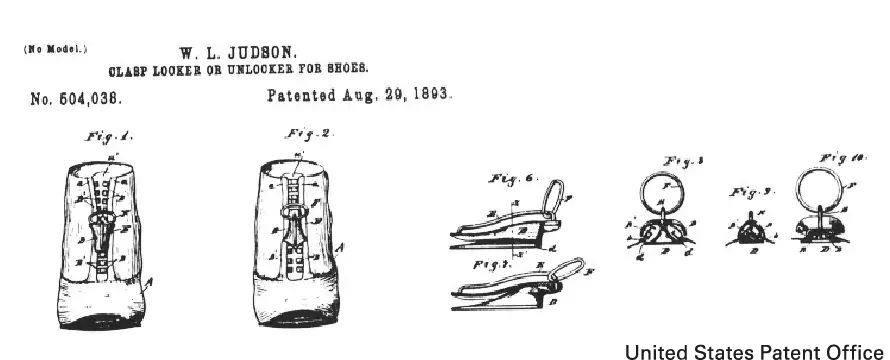
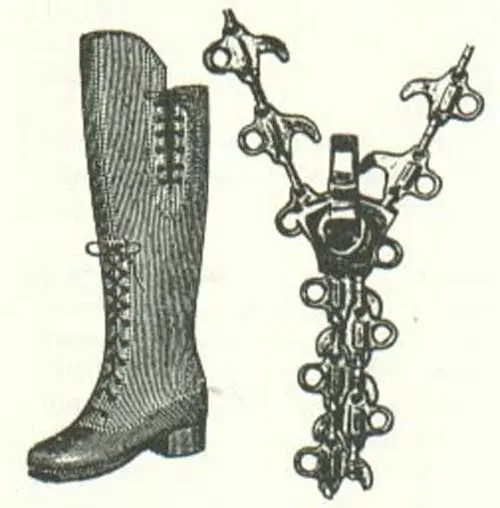
It was not until the 1893 World’s Columbian Exposition in Chicago that Whitcomb Judson introduced the "clasp locker." This device was designed to help people fasten their boots quickly, replacing the tedious process of lacing them by hand. While Judson’s invention was technically a precursor to the zipper, it was notoriously unreliable and prone to jamming. His company, the Universal Fastener Company, struggled to gain widespread market acceptance because the mechanism was difficult to manufacture and often failed under tension.
How did the zipper become reliable?
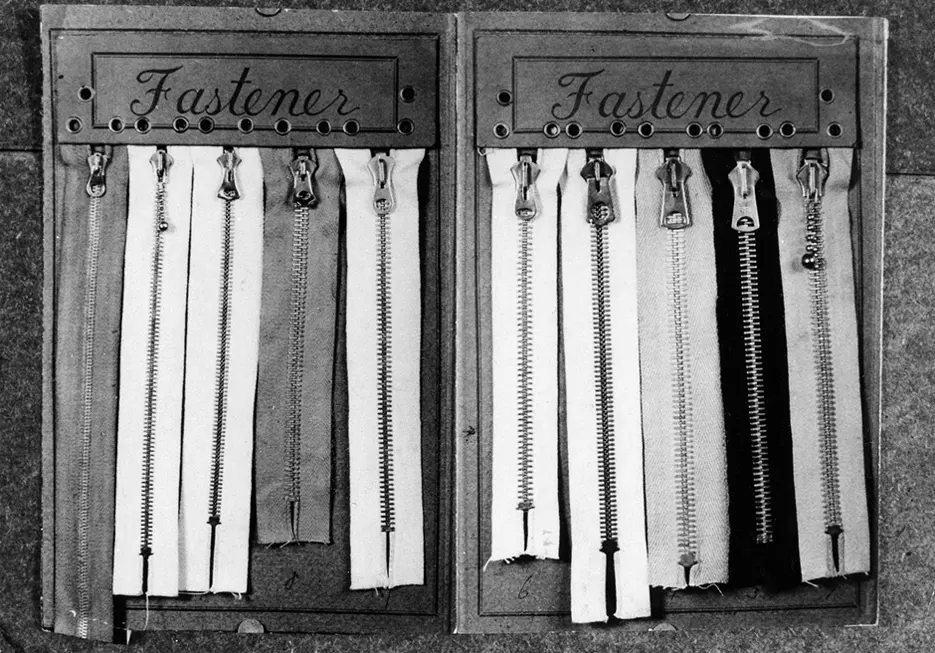
The transformation of the zipper into a practical tool fell to Gideon Sundback, a Swedish-American electrical engineer. Hired by Judson’s company, Sundback spent years studying the flaws of the clasp locker. By 1913, he had developed the "Separable Fastener," which featured two rows of interlocking teeth that were pulled together by a slider.
Sundback’s design was revolutionary because it increased the number of fastening elements per inch and ensured they would lock securely. He also developed the manufacturing machinery required to mass-produce these fasteners with high precision. By 1917, the U.S. military began using these fasteners on flight suits and gear, proving their durability in demanding conditions. The name "zipper" was eventually coined by B.F. Goodrich in 1923 when they used the device on their rubber galoshes, noting the distinct sound the fastener made during operation.
How to fix a stuck zipper
A stuck zipper is one of the most common household frustrations, but it can often be resolved without replacing the entire garment. Before you force the slider and risk breaking the teeth, follow these steps to troubleshoot the issue:
- Check for fabric: Inspect the back of the slider to see if a piece of the garment's lining or thread has become caught in the mechanism. Gently pull the fabric away while easing the slider in the opposite direction.
- Lubricate the teeth: If the slider is simply stiff, rub a graphite pencil tip along the teeth to act as a dry lubricant. Alternatively, use a small amount of bar soap or lip balm to reduce friction.
- Align the teeth: If the teeth are misaligned, use needle-nose pliers to gently straighten any bent metal teeth or re-seat the slider onto the track.
Common mistakes when using zippers
Many people inadvertently shorten the lifespan of their zippers through improper handling or lack of maintenance. Avoiding these common errors will keep your clothing and bags functional for much longer:
- Forcing a jammed slider: Pulling hard on a stuck zipper often bends the internal components or pulls the teeth off the tape, rendering the zipper irreparable.
- Skipping the laundry prep: Always zip up zippers before putting garments in the washing machine. An open metal zipper can snag other clothes or damage the drum of the washer.
- Ignoring debris: Dirt, sand, and salt can accumulate in the teeth, acting like sandpaper that wears down the metal or plastic components over time.
- Overloading bags: Stuffing a suitcase or backpack until the zipper is under extreme tension puts stress on the slider, eventually causing the teeth to separate or the slider to split.
Why do zippers fail over time?
Zippers fail primarily due to metal fatigue or the degradation of the "tape," the fabric strip that holds the teeth. In metal zippers, the teeth can wear down or lose their grip, while plastic coil zippers often suffer from the coil pulling away from the tape after years of heat exposure from dryers.
If a zipper has completely separated at the bottom or the slider has fallen off entirely, the most effective solution is a full replacement. While you can replace a slider at home using a pair of pliers, replacing the entire track requires basic sewing skills and a heavy-duty needle. If you are not comfortable with sewing, many dry cleaners offer professional zipper repair services that are both affordable and durable, ensuring your favorite clothing items remain in use for years to come.
Key facts
- Whitcomb Judson patented the first "clasp locker" in 1893, which served as the precursor to the modern zipper.
- Gideon Sundback, a Swedish-American engineer, perfected the design in 1913 by increasing the number of teeth per inch.
- The term "zipper" was coined by B.F. Goodrich in 1923 when they used the device on their rubber galoshes.
- To fix a zipper that separates, use pliers to gently squeeze the slider’s back opening to ensure it grips the teeth firmly.
- Rubbing a graphite pencil or candle wax along stuck teeth can lubricate the track and restore smooth movement.
- Avoid forcing a stuck slider, as this often bends the metal teeth and causes permanent damage to the garment.
The bottom line
The zipper evolved from Whitcomb Judson’s 1893 prototype into the refined mechanical marvel perfected by Gideon Sundback in 1913. While initially marketed for footwear, the device revolutionized fashion and utility by providing a secure, rapid closure system. Understanding basic maintenance, such as lubricating teeth or tightening a loose slider, ensures that this essential invention continues to function reliably across your clothing and travel gear for years.
People also ask
Why did it take so long for zippers to become popular?
Early versions were unreliable and prone to jamming, which made manufacturers hesitant to use them. It was not until the 1930s that the fashion industry fully embraced zippers for clothing.
What is the purpose of the small letter on the back of a zipper slider?
That letter is a manufacturer’s mark indicating the size and type of the slider. It helps tailors and repair shops identify the correct replacement part for a broken zipper.
Can a zipper be repaired if the teeth are missing?
If teeth are missing from the middle of the track, the entire zipper usually needs to be replaced. However, a tailor can sometimes move the slider to a new position if the damage is near the bottom.
Why do some zippers have a locking mechanism?
Locking sliders contain a small pin that engages with the teeth when the pull tab is folded down. This prevents the zipper from sliding open accidentally during physical activity.
Are plastic zippers better than metal ones?
Metal zippers are generally more durable and better for heavy fabrics like denim or leather. Plastic or nylon coil zippers are more flexible and often used for lightweight jackets or luggage.
How do you replace a zipper pull that has broken off?
You can purchase a replacement pull tab that clips onto the slider’s eyelet without tools. This is a simple, inexpensive solution to restoring functionality to a bag or jacket.
This answer was created with the help of AI research tools and reference sources. Spotted an error? Let us know — we correct mistakes quickly. See our editorial policy.