What is the Tower of London?
Short answer
The Tower of London is a historic castle, fortress, and prison located on the north bank of the River Thames in central London. Founded by William the Conqueror in 1066, it has served as a royal palace, armory, treasury, and menagerie. Today, it houses the Crown Jewels and remains a major tourist attraction.
On this page
What is the history of the Tower of London?
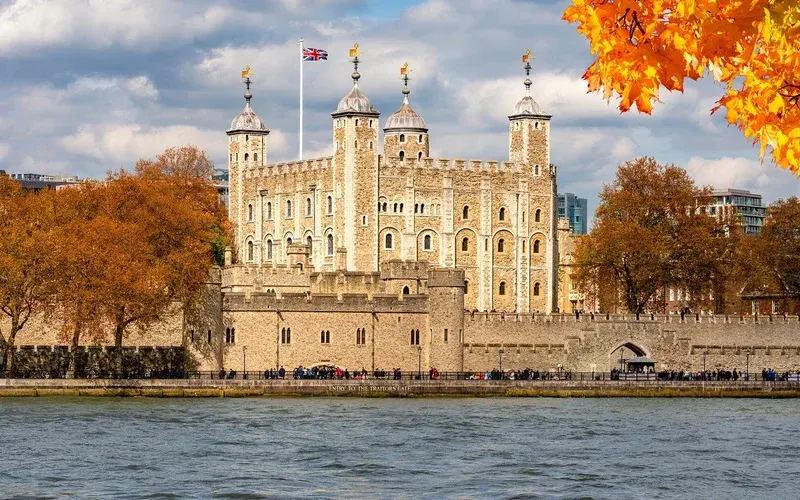
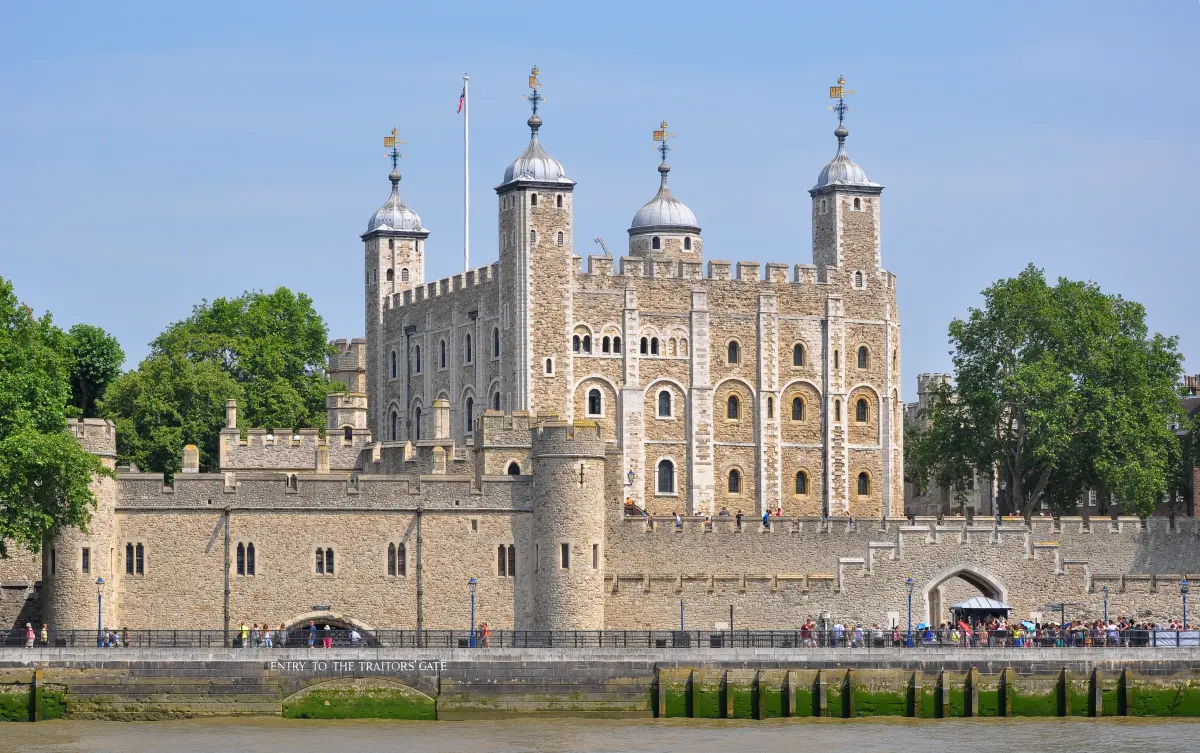
The Tower of London was established in 1066 as part of the Norman Conquest of England. William the Conqueror built the central White Tower, which still stands today, to intimidate the local population and secure his control over the city. Over the following centuries, successive monarchs expanded the site, adding defensive walls, towers, and moats to create a formidable fortress.
The site has played many roles throughout its nearly 1,000-year history. While it served as a secure royal residence for medieval kings, it is perhaps most famous for its function as a state prison. Many high-profile figures, including Anne Boleyn, Guy Fawkes, and Elizabeth I, were held within its walls. The Tower also housed the Royal Mint and the national armory, cementing its status as an essential administrative and military hub for the British monarchy.
What can you see inside the Tower of London?
Visiting the Tower offers a unique opportunity to explore centuries of royal history and architectural evolution. The most popular attraction is the Jewel House, which displays the Crown Jewels, a collection of over 23,000 gemstones still used in royal ceremonies. Visitors can also walk through the White Tower, which contains the Royal Armouries collection, featuring historic armor and weaponry from various eras.
To make the most of your visit, consider prioritizing these key areas:
- The White Tower: Explore the historic armory and the Chapel of St. John.
- The Jewel House: View the Imperial State Crown and the Sovereign's Sceptre.
- The Bloody Tower: Learn about the mysterious disappearance of the Princes in the Tower.
- The Wall Walk: Take a guided tour along the battlements for views of the city.
How long does it take to visit the Tower of London?
Most visitors should plan to spend at least three to four hours at the Tower to experience the main exhibitions and grounds. Because the site covers 12 acres, there is a significant amount of walking involved. If you intend to attend a Yeoman Warder tour, which lasts approximately one hour, you should factor in extra time for potential queues and security checks.
For a comprehensive experience, follow this suggested itinerary:
- Arrive early, ideally at opening time, to avoid the largest crowds.
- Join a Yeoman Warder tour immediately to get an overview of the site.
- Visit the Jewel House before midday to minimize wait times.
- Explore the White Tower and the medieval palace rooms in the afternoon.
- Finish your visit with a walk along the battlements for final photographs.
Best tips for visiting the Tower of London
The Tower of London is one of the most popular attractions in the United Kingdom, so planning ahead is essential. Booking tickets online in advance is highly recommended to guarantee entry and secure a lower price. Check the official website for seasonal opening hours, as these can change depending on the time of year and special events.
Wear comfortable, sturdy footwear, as the site features uneven cobblestone paths that can be slippery in wet weather. If you are traveling with children, note that the site is largely accessible, but strollers may be difficult to maneuver in some of the narrower medieval towers. Additionally, consider visiting on a weekday rather than a weekend to experience smaller crowds, especially when viewing the Crown Jewels.
Common mistakes when visiting the Tower of London
A frequent error is arriving without a pre-booked ticket, which can lead to long wait times or the site being sold out during peak tourist seasons. Avoid rushing through the Yeoman Warder tours, as these guides provide the most engaging historical context. Another mistake is failing to check the weather forecast; since much of the site is outdoors, you should bring appropriate rain gear or sun protection to ensure your comfort.
Visitors often overlook the smaller exhibitions, such as the Torture at the Tower display or the Royal Beasts exhibit, which provide fascinating insights into the darker history of the fortress. Do not attempt to photograph the interior of the Jewel House, as strict security measures prohibit photography in that specific area. By respecting these rules and planning your route in advance, you will ensure a smooth and educational experience at this iconic landmark.
Key facts
- The Tower of London is a historic castle and fortress located on the north bank of the River Thames in central London.
- Founded by William the Conqueror in 1066, the central White Tower was completed around 1078 to assert Norman power.
- It has served many roles over ten centuries, including a royal palace, a notorious prison, an armory, and a treasury.
- The Crown Jewels, a collection of over 23,000 gemstones and ceremonial regalia, are currently housed and protected within the complex.
- Visitors should arrive early to avoid long queues and allow at least three hours to explore the extensive grounds and exhibitions.
- Do not touch the ravens; legend states that if these birds leave the Tower, the kingdom will fall, so they are protected by a dedicated Ravenmaster.
The bottom line
The Tower of London stands as a resilient symbol of British history, evolving from a formidable Norman fortress into a world-renowned heritage site. By visiting, you gain direct access to centuries of royal intrigue, military defense, and cultural tradition. Whether you are viewing the priceless Crown Jewels or learning from the Yeoman Warders, the site offers an essential, immersive look into the foundations of London itself.
People also ask
Are the Crown Jewels still on display to the public?
Yes, the Crown Jewels are kept in the Jewel House and are on permanent display for visitors. They remain in active use for royal ceremonies, such as the coronation of a monarch.
Can I take photographs inside the Jewel House?
Photography and video recording are strictly prohibited inside the Jewel House for security reasons. You are welcome to take photos in the outdoor areas and most other historic buildings.
Who are the Yeoman Warders?
Often called Beefeaters, they are ceremonial guardians of the Tower who also serve as expert tour guides. To become one, a candidate must have served at least 22 years in the British Armed Forces.
Was the Tower of London primarily used as a prison?
While famous for housing high-profile prisoners like Anne Boleyn and Guy Fawkes, it was not built as a prison. It functioned as a royal residence and defensive fortress for most of its early history.
Is the Tower of London accessible for visitors with limited mobility?
Much of the site features historic cobblestones and steep stairs, making full access difficult. However, there are accessible routes, ramps, and lifts available to help visitors navigate the main areas.
Why are there ravens living at the Tower?
The ravens are a historic tradition and a major tourist attraction. A royal decree requires that at least six ravens be kept at the Tower at all times to ensure the safety of the monarchy.
This answer was created with the help of AI research tools and reference sources. Spotted an error? Let us know — we correct mistakes quickly. See our editorial policy.