Where do sea lions live?
Short answer
Sea lions inhabit coastal waters and shorelines across the Pacific Ocean, the Southern Ocean, and parts of the Atlantic. They are primarily found in temperate and subpolar regions, ranging from the chilly coasts of Alaska and California to the shores of South America, Australia, New Zealand, and the Galápagos Islands.
On this page
Where do sea lions live globally?
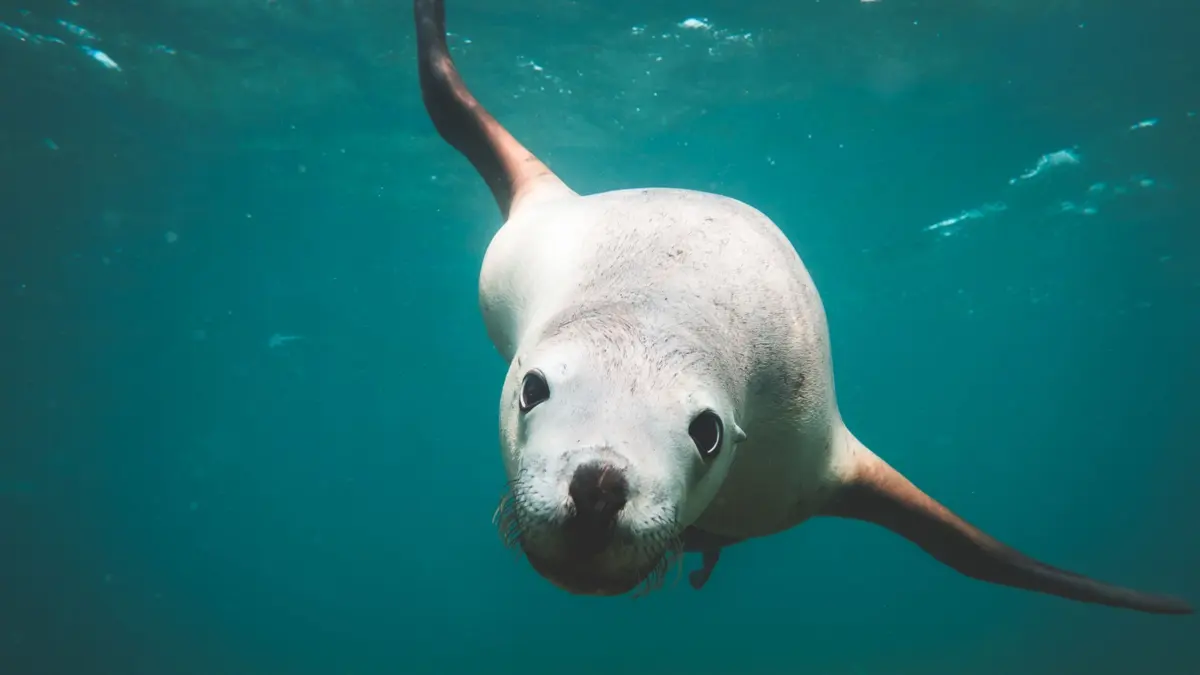
Sea lions are marine mammals belonging to the family Otariidae, known as eared seals. Their global distribution is largely dictated by the availability of nutrient-rich waters, which support the fish and squid populations they rely on for food. They are absent from the North Atlantic, preferring the productive currents of the Pacific and Southern Oceans. While they spend significant time hunting in the open sea, they are fundamentally tied to land for breeding, molting, and resting.
The range of these animals is divided among several distinct species, each occupying specific geographical niches. Some populations are highly migratory, while others remain localized to specific island chains or coastal stretches. Their presence is a strong indicator of a healthy marine ecosystem. The following list highlights the primary regions where these animals are found:
- The California sea lion inhabits the western coast of North America, from British Columbia down to Mexico.
- The South American sea lion occupies the coasts of Chile, Peru, Argentina, and Uruguay.
- The Australian and New Zealand sea lions are restricted to the waters and southern islands of their respective nations.
- The Steller sea lion is found in the North Pacific, ranging from Japan through the Aleutian Islands to California.
How to spot sea lions in their natural habitat
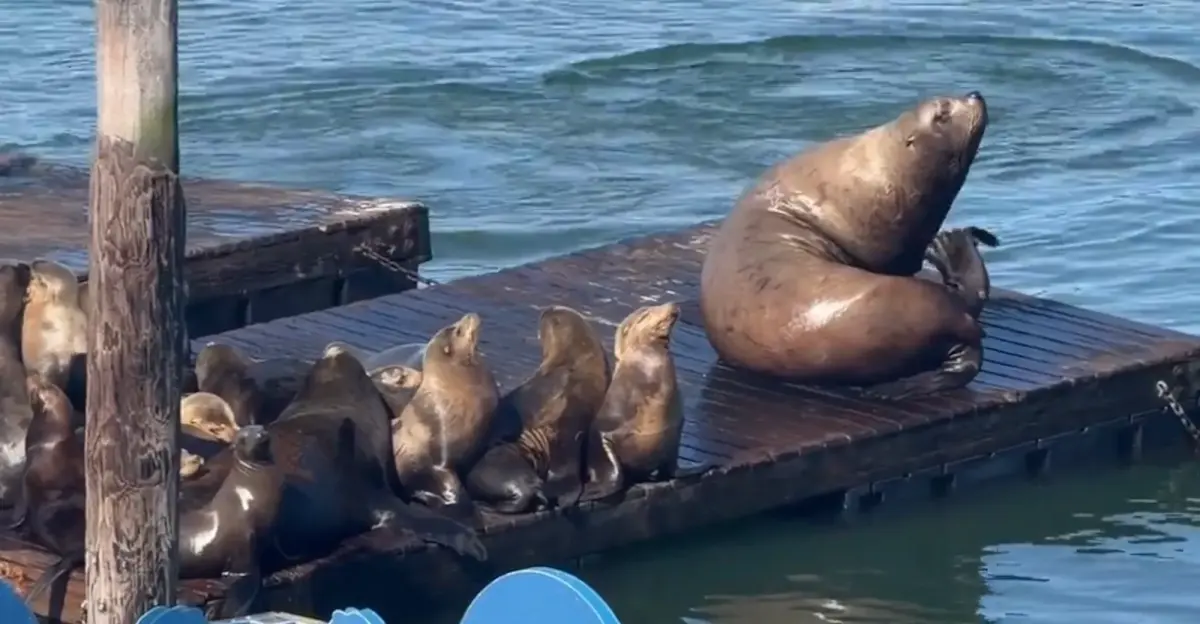
Observing sea lions in the wild requires patience and an understanding of their preferred environments. They are frequently found hauled out on rocky beaches, sandy shores, or even man-made structures like wooden piers and docks. When searching for them, look for areas with high biological productivity, such as places where cold, nutrient-rich currents rise to the surface. These upwelling zones attract the schooling fish that sea lions hunt.
If you are planning a trip to view sea lions, follow these general guidelines to ensure a successful experience:
- Research local haul-out sites, such as the famous Pier 39 in San Francisco or the rocky coves of the Galápagos.
- Visit during the breeding season, which varies by species, as populations are most concentrated on land during this time.
- Use binoculars to observe them from a distance, as they can be easily disturbed by human presence.
- Check local tide charts, as many sea lions prefer to haul out during low tide to conserve energy and avoid predators.
Why do sea lions choose specific coastal areas?
The selection of a habitat is driven by the need for safety and thermal regulation. Sea lions require stable land platforms to give birth to their pups and to nurse them during the first few months of life. Rocky shorelines are particularly favored because they provide protection from terrestrial predators and offer easy access to deep water for quick escapes. Furthermore, these environments often provide protection from heavy surf, which is essential for young pups still learning to swim.
Climate also plays a vital role in their distribution. Sea lions are well-adapted to cool water temperatures, which explains their prevalence in temperate and subpolar zones. In warmer climates, such as the Galápagos, sea lions have adapted to the unique conditions of the archipelago, where cold currents like the Cromwell Current keep the water temperature within a tolerable range. They often spend the hottest parts of the day in the water or seeking shade to prevent overheating, demonstrating their behavioral flexibility in response to environmental stressors.
Common mistakes when observing sea lions
One of the most frequent errors observers make is approaching these animals too closely. Sea lions are wild predators that can become aggressive if they feel threatened, especially when they are protecting pups or defending territory. Getting too close causes the animals to abandon their resting spots, wasting vital energy that they need for hunting and thermoregulation. Always maintain a distance of at least 50 yards to ensure both your safety and the well-being of the animals.
Another common mistake is attempting to feed sea lions. Feeding them is not only illegal in many jurisdictions but also dangerous for both the human and the animal. It encourages sea lions to associate humans with food, which leads to "begging" behavior and increases the risk of bites or entanglement in fishing gear. Furthermore, human food is nutritionally inappropriate for them and can cause severe digestive issues. Always remember that these animals are highly capable hunters that do not require human intervention to survive in their natural environment.
How to protect sea lion habitats
Conservation efforts are essential to ensure the continued survival of sea lion populations worldwide. Their habitats are increasingly threatened by pollution, plastic entanglement, and the depletion of fish stocks due to overfishing. Protecting these areas involves maintaining water quality and preserving the integrity of the coastal ecosystems where they breed and rest. By supporting marine protected areas, you help ensure that these animals have a safe space to thrive without the constant pressure of industrial interference.
To contribute to their protection, consider the following actions:
- Participate in local beach cleanups to reduce the amount of plastic debris that can entangle marine life.
- Support sustainable seafood initiatives that prevent the overharvesting of the fish species sea lions depend on.
- Report injured or entangled sea lions to local wildlife authorities rather than attempting to intervene yourself.
- Educate others about the importance of keeping a respectful distance from haul-out sites to minimize human impact.
By acting as a responsible observer, you play a small but significant role in the long-term conservation of these fascinating marine mammals for future generations to enjoy.
Key facts
- Sea lions inhabit every continent except Antarctica, primarily favoring coastal waters in the Pacific, Atlantic, and Indian Oceans.
- These marine mammals are semi-aquatic, spending significant time on land to breed, molt, and rest on rocky shores or sandy beaches.
- The California sea lion is the most recognizable species, commonly found along the western coast of North America from Alaska to Mexico.
- When observing sea lions in the wild, maintain a distance of at least 50 yards to avoid disturbing their natural behaviors or causing them to flee.
- Avoid feeding sea lions, as this disrupts their hunting instincts and can lead to dangerous habituation toward humans and watercraft.
- Look for "rookeries," which are specific, traditional breeding grounds where thousands of sea lions congregate during the mating season.
The bottom line
Sea lions are versatile marine mammals that thrive along diverse coastlines across the globe. By utilizing both rocky land masses for resting and nutrient-rich ocean waters for hunting, they maintain complex social structures within large colonies. Whether you are observing them in California or the Galapagos, respecting their space and natural behaviors is essential for their long-term conservation and your own safety during wildlife encounters.
People also ask
Can sea lions live in freshwater?
Most sea lions are strictly marine, but some species occasionally travel short distances up river estuaries to hunt for fish. They cannot survive long-term in freshwater environments because they require saltwater to maintain their physiological balance.
How do sea lions stay warm in cold water?
Sea lions rely on a thick layer of blubber beneath their skin to provide insulation against freezing ocean temperatures. This fat layer acts as a thermal barrier, allowing them to thrive in regions like the Galapagos Islands or the chilly waters of the North Pacific.
Do sea lions migrate?
Many sea lion populations are migratory, moving between different coastal areas to follow seasonal food sources or reach specific breeding grounds. For instance, males often travel north after the breeding season to feed, while females and pups may remain closer to the rookery.
How can you tell a sea lion from a seal?
The easiest way to distinguish them is by looking for external ear flaps, which sea lions possess but true seals do not. Additionally, sea lions can rotate their hind flippers forward to "walk" on land, whereas seals must wiggle along on their bellies.
Are sea lions social animals?
Sea lions are highly gregarious and typically live in large, noisy colonies called rookeries. They communicate through distinct barks and growls, which help individuals maintain social bonds and identify their pups within the crowded group.
What is the lifespan of a sea lion in the wild?
In their natural habitat, sea lions generally live between 15 and 20 years. Their survival depends on access to abundant prey, such as squid and various fish species, as well as the absence of major predators like great white sharks and orcas.
This answer was created with the help of AI research tools and reference sources. Spotted an error? Let us know — we correct mistakes quickly. See our editorial policy.