Who invented the pencil sharpener?
Short answer
Thierry Des Estivaux invented the first pencil sharpener in 1847, though French mathematician Bernard Lassimonne patented the earliest known mechanical device in 1828. Before these inventions, people sharpened pencils manually using small knives. These early mechanical designs revolutionized writing by providing a consistent, efficient way to maintain a functional graphite point.
On this page
Who invented the pencil sharpener first?
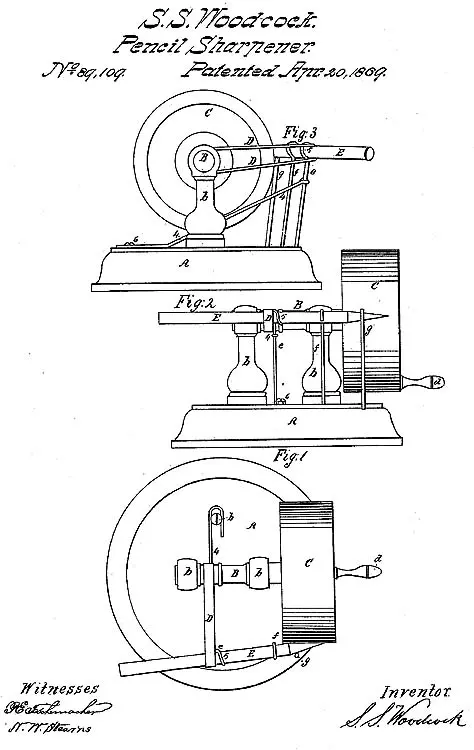
The history of the pencil sharpener is marked by several inventors rather than a single individual. In 1828, Bernard Lassimonne, a French mathematician, received the first patent for a mechanical sharpener. His device used a system of files to shave the wood and graphite, though it was cumbersome and not widely adopted for mass use.
Following Lassimonne, Thierry Des Estivaux improved upon the concept in 1847 by creating a more compact, handheld sharpener. This design was the direct ancestor of the small, portable sharpeners still used today. Later, in 1855, Walter K. Foster of Maine patented a more refined version that gained popularity in schools. These early inventors transformed the tedious chore of whittling pencils into a quick, mechanical process.
How do different pencil sharpeners work?
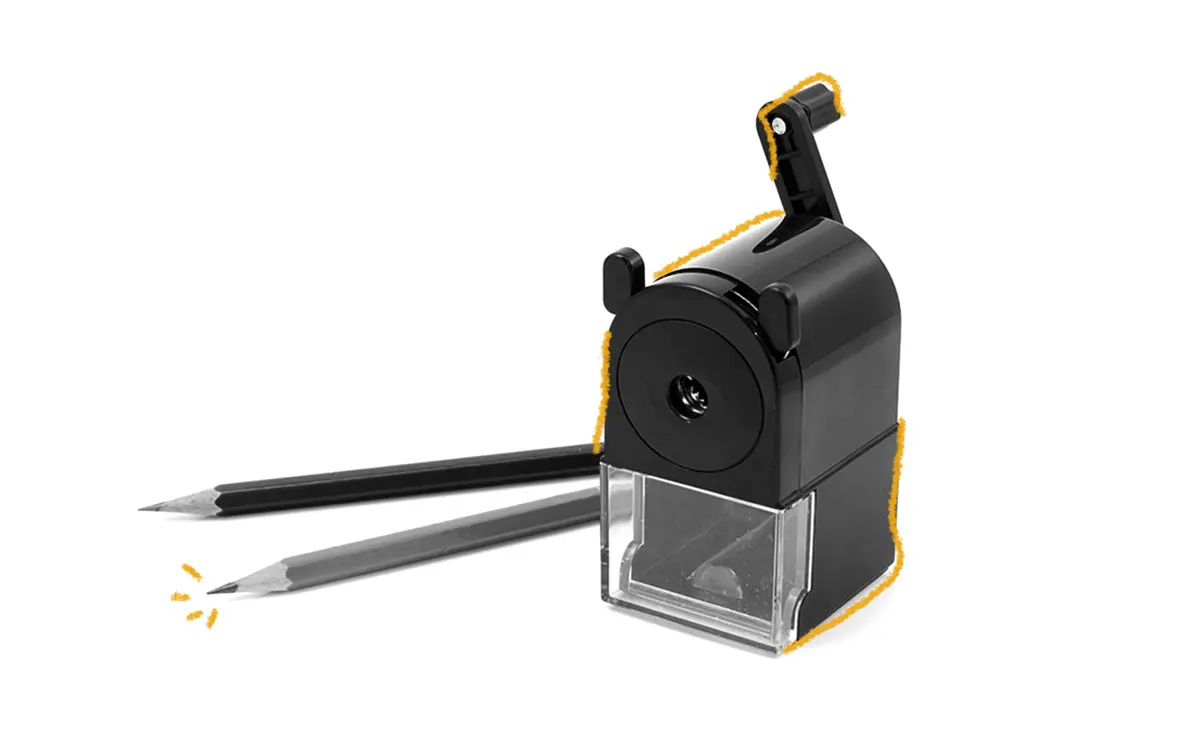
Modern sharpeners generally fall into three categories: manual handheld, crank-operated, and electric. Handheld sharpeners use a single fixed blade set at a specific angle to shave the pencil casing as you rotate it. These are simple, inexpensive, and highly portable, making them ideal for students and artists who need to sharpen on the go.
Crank-operated and electric sharpeners rely on a planetary gear system. Inside the housing, two helical cutters rotate around the pencil point simultaneously. This mechanism provides a much smoother finish than a handheld blade and allows for a perfectly centered tip.
- Manual handheld: Requires manual rotation, best for occasional use.
- Crank-operated: Uses a gear system to shave wood evenly.
- Electric: Automates the process with a motor for high-volume settings.
How to sharpen a pencil correctly?
To achieve a sharp, durable point, you must ensure your pencil is held at a consistent angle. If using a handheld sharpener, insert the pencil firmly and apply steady, even pressure while rotating clockwise. Avoid pushing too hard, as this can cause the graphite tip to snap off inside the blade.
If you are using a crank or electric sharpener, follow these steps to ensure the best results:
- Insert the pencil into the opening until it meets the cutters.
- Hold the pencil steady to prevent it from wobbling during the cutting process.
- Stop as soon as the resistance decreases, which indicates the pencil is fully sharpened.
- Remove the pencil gently to avoid chipping the newly formed point.
Common mistakes when using a pencil sharpener
One of the most frequent errors is over-sharpening. Many users continue to turn the handle or keep the pencil in an electric sharpener long after the lead is pointed. This practice wastes the pencil, shortens its lifespan significantly, and can eventually damage the internal blades or gears of the device.
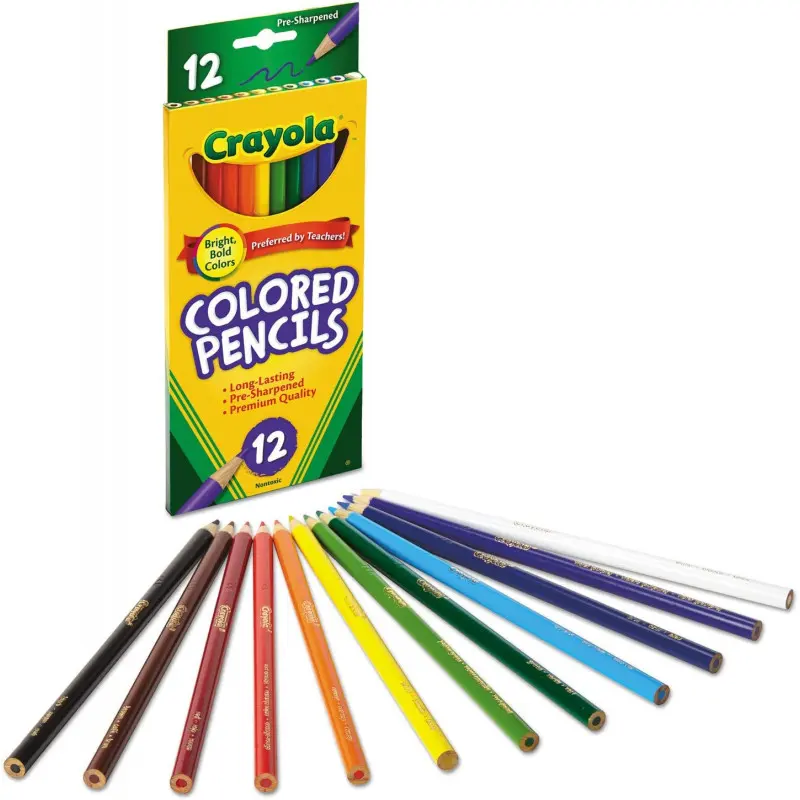
Another common mistake is neglecting to empty the shavings reservoir. When the container becomes overfilled, shavings can jam the gears or obstruct the blades, leading to uneven sharpening or broken tips. Additionally, using a sharpener on colored pencils can be problematic. The wax-based cores of colored pencils are softer than standard graphite and can melt or clog the blades. If you must sharpen colored pencils, choose a sharpener specifically designed for softer leads to avoid gumming up the mechanism.
Why do pencil points break?
Pencil points often break because of internal damage to the graphite core, known as lead breakage. This usually happens if the pencil has been dropped on a hard surface, causing the interior core to shatter. When you attempt to sharpen a damaged pencil, the broken pieces fall out, leaving you with a hollow or uneven tip that breaks immediately upon contact with paper.
Another reason for breakage is the use of dull blades. As a blade becomes worn, it stops slicing the wood cleanly and begins to tear it. This creates excessive vibration and pressure on the fragile graphite tip. To maintain a high-quality point, replace your handheld sharpeners regularly or clean the blades of your mechanical sharpener with a small brush to remove wood dust and debris. Keeping the internal components clean ensures that every rotation provides a smooth, precise cut that preserves your pencil for longer writing sessions.
Key facts
- Before the invention of mechanical sharpeners, people used small knives to whittle wood away from the graphite core.
- French mathematician Bernard Lassimone patented the first pencil sharpener in 1828, utilizing a system of files.
- American inventor Walter Kittredge Foster patented the first mass-produced pencil sharpener in 1855.
- The A.B. Dick Company introduced the "Planetary" sharpener in 1897, which used rotating cutters to shave wood evenly.
- To avoid breaking the lead, always ensure the pencil is inserted straight and do not apply excessive downward pressure.
- If your sharpener is dull, try sharpening a piece of sandpaper or a thin piece of aluminum foil to lightly hone the blades.
The bottom line
The pencil sharpener evolved from manual whittling to sophisticated mechanical devices through the efforts of inventors like Bernard Lassimone and Walter Kittredge Foster. While modern versions offer convenience, success depends on maintaining sharp blades and using the correct size for your specific pencil. By avoiding excessive pressure and keeping the device clean, you ensure a precise point that protects your tools and improves your writing experience.
People also ask
Why do pencil tips break inside the sharpener?
This usually happens because the pencil is being pushed too hard or the blade is dull, causing the wood to jam. Avoid over-sharpening your pencils, as an excessively long point is fragile and prone to snapping under light pressure.
How can I tell if my sharpener needs to be replaced?
If the shavings look jagged or the wood is splintering rather than coming off in a smooth ribbon, the blade is likely worn out. You should also replace it if the pencil comes out with an uneven or lopsided point.
Are electric sharpeners better for colored pencils?
Standard electric sharpeners can be too aggressive for colored pencils, which have softer wax-based cores. Use a manual sharpener or a specialized electric model designed for softer leads to prevent the core from crumbling.
What is the best way to clean a manual sharpener?
Use a small, dry brush or a toothpick to gently remove wood debris and graphite dust from the blade area. Avoid using water, as moisture can cause the metal blades to rust and lose their sharpness.
Do all pencils fit in the same sharpener?
No, pencils come in various diameters, such as standard hexagonal, triangular, or jumbo sizes. Always check the barrel size of your pencil against the opening of the sharpener to ensure a proper fit.
Can I sharpen a pencil with a utility knife?
Yes, many artists prefer using a knife to gain more control over the length and shape of the lead. Keep the blade angled away from your body and shave thin layers of wood until the desired point is achieved.
This answer was created with the help of AI research tools and reference sources. Spotted an error? Let us know — we correct mistakes quickly. See our editorial policy.