What is a carnivorous plant?
Short answer
A carnivorous plant is a botanical organism that derives some or most of its nutrients from trapping and consuming animals or protozoans. These plants typically grow in nutrient-poor, acidic environments. By evolving specialized structures to capture prey, they supplement their nitrogen and phosphorus intake, allowing them to thrive where other plants struggle.
On this page
How do carnivorous plants catch their prey?
Carnivorous plants utilize a variety of sophisticated mechanisms to lure, trap, and digest their prey. These adaptations are evolutionary responses to environments like bogs and marshes, where the soil lacks essential minerals. Most traps function by using nectar or bright colors to attract insects, which are then captured through mechanical or chemical means.
The primary trapping strategies include:
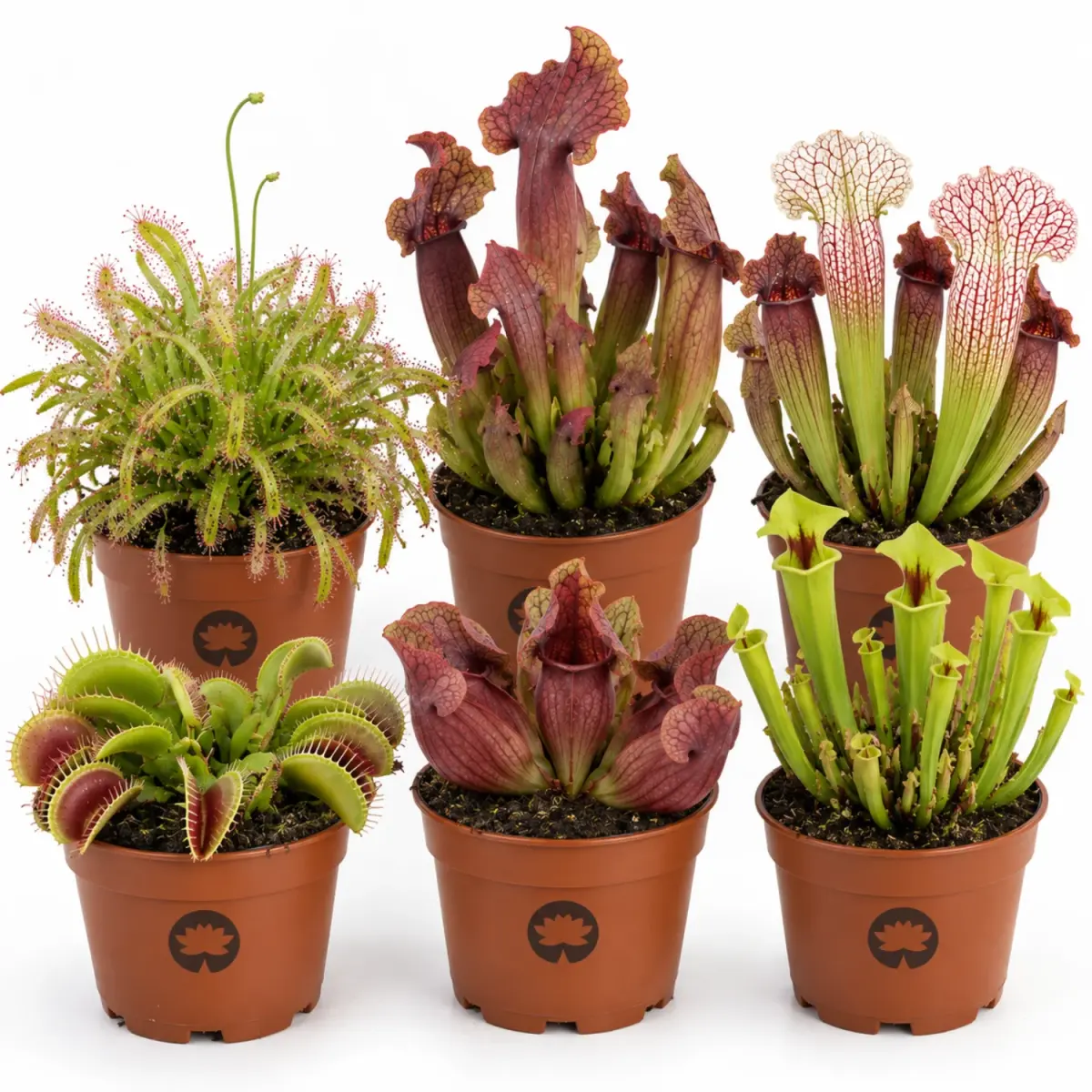
- Pitfall traps: Pitcher plants use deep, slippery-walled tubes filled with digestive enzymes to drown prey.
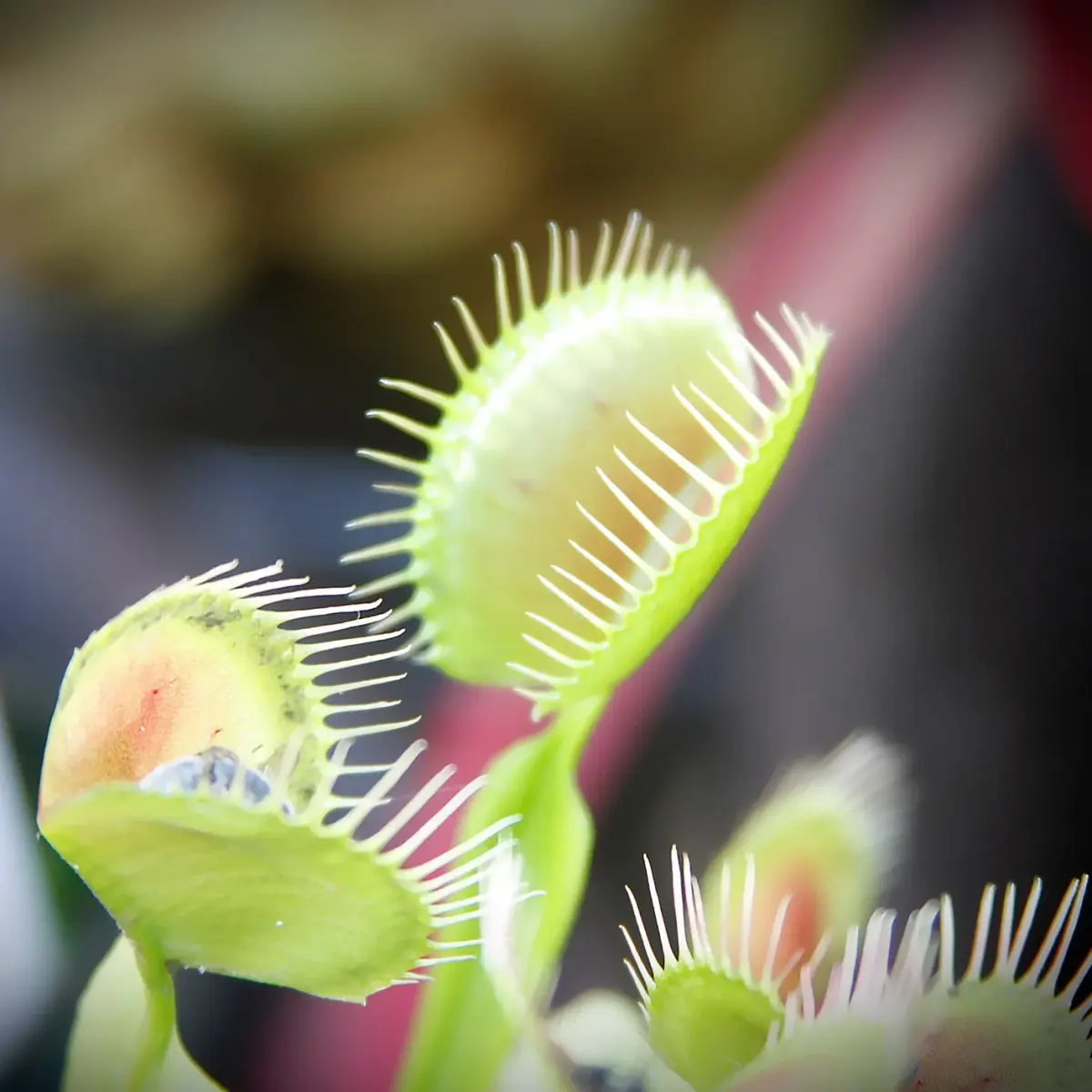
- Snap traps: The Venus flytrap uses sensitive trigger hairs to snap its leaves shut in fractions of a second.
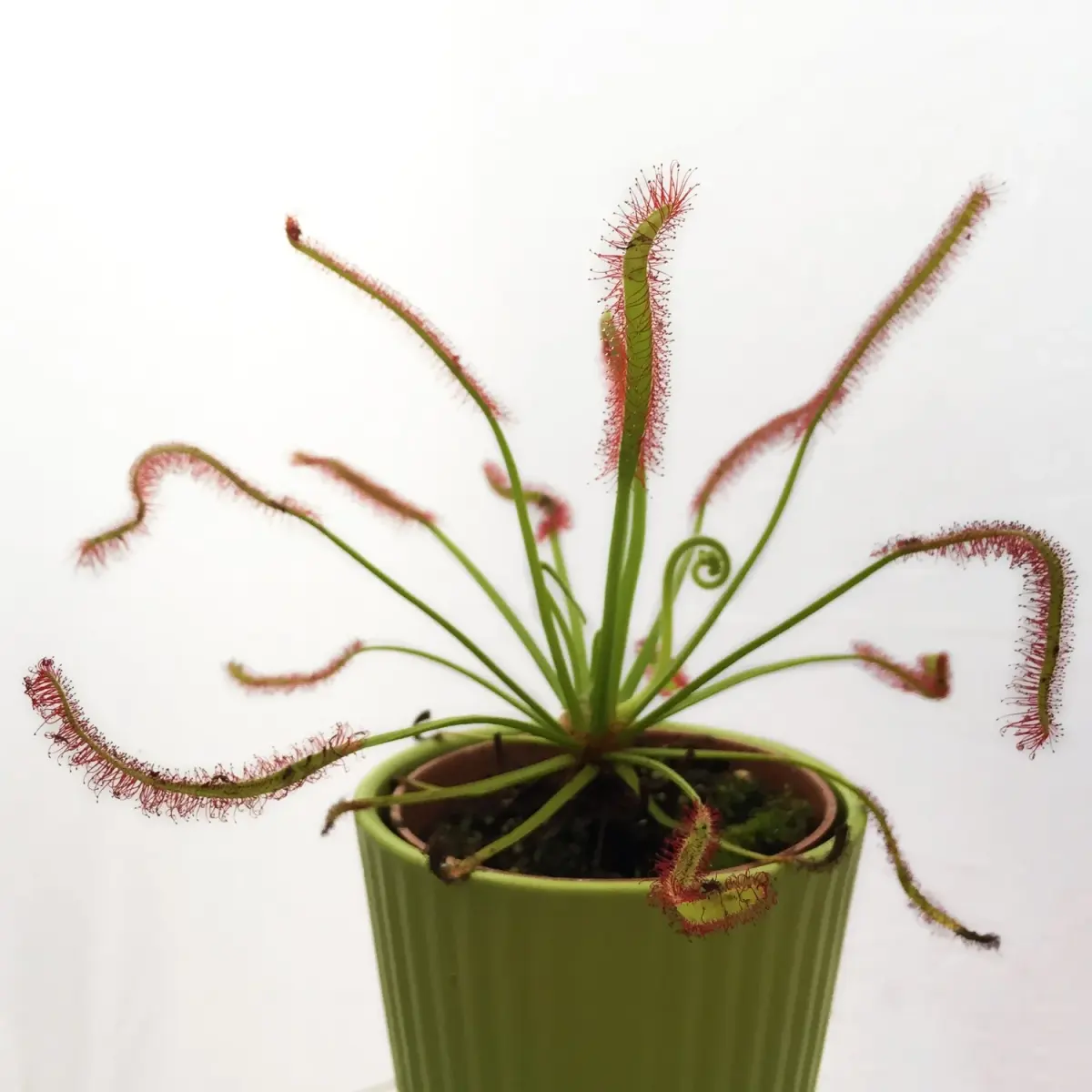
- Adhesive traps: Sundews utilize sticky, glandular hairs that act like flypaper to immobilize insects.
- Suction traps: Bladderworts create a vacuum to suck small aquatic organisms into a pressurized chamber.
- Lobster-pot traps: Corkscrew plants use downward-pointing hairs to force prey toward a digestive zone.
Once the prey is captured, the plant secretes enzymes—such as proteases, phosphatases, and chitinases—to break down the soft tissues of the insect. The plant then absorbs the resulting nutrient-rich solution directly through its leaves or specialized glands. This process allows the plant to bypass the limitations of its nutrient-deficient substrate, effectively turning the tables on the local insect population.
Which carnivorous plants are best for beginners?
For those interested in cultivating these unique specimens, certain species are significantly more resilient and easier to maintain than others. Beginners should focus on plants that do not require complex dormancy periods or highly specific humidity controls. The Cape Sundew (Drosera capensis) is widely considered the best entry point because it is incredibly vigorous and will readily produce seeds under standard conditions.
Other excellent choices for novices include:
- Dionaea muscipula (Venus flytrap): Iconic and rewarding, though it requires high light intensity.
- Sarracenia purpurea (Purple pitcher plant): A hardy North American native that tolerates a wider range of temperatures.
- Pinguicula moranensis (Mexican butterwort): Features beautiful flowers and sticky leaves that effectively control fungus gnat populations indoors.
When starting your collection, prioritize purchasing from reputable nurseries that specialize in bog plants. Avoid "kits" sold in generic hardware stores, as these often contain poor-quality soil mixes or plants that are already stressed. Always research the specific light and water requirements of your chosen species, as a pitcher plant from the tropics will have vastly different needs than a temperate bog species.
What are the common mistakes when growing carnivorous plants?
The most frequent cause of failure for new growers is the use of improper water. Carnivorous plants are highly sensitive to dissolved minerals and salts, which can quickly burn their delicate root systems. Never use tap water, bottled mineral water, or water from a water softener. Instead, rely exclusively on distilled water, reverse osmosis water, or collected rainwater to keep the soil consistently moist.
Another common error involves the soil medium. Standard potting soil contains fertilizers and organic matter that will kill a carnivorous plant within weeks. You must use a nutrient-poor substrate that provides structure without chemical additives. A mixture of long-fibered sphagnum moss and perlite is the industry standard for most species.
Finally, do not overfeed your plants. Many beginners make the mistake of manually placing insects or even small pieces of meat into the traps. This can cause the trap to rot or trigger an energy-draining digestive process that the plant is not ready to sustain. Allow the plant to catch its own prey naturally, as it is perfectly capable of surviving on light and water alone.
Why do carnivorous plants live in bogs?
Carnivorous plants are masters of niche specialization, thriving in habitats that are hostile to most other flora. Bogs and fens are typically characterized by waterlogged, acidic soil that is extremely low in nitrogen and phosphorus. Because these nutrients are essential for photosynthesis and growth, most plants cannot survive in such conditions. Carnivorous plants have evolved to obtain these nutrients from animal protein instead of the soil.
The acidity of these environments also plays a critical role in the plant's survival. High acidity levels often inhibit the activity of bacteria that would otherwise decompose organic matter, meaning nutrients remain locked away from the roots. By capturing insects, these plants bypass the need for soil-based nutrient cycling. This evolutionary trade-off is highly effective, but it comes at the cost of high energy expenditure. The plants must invest significant biological resources into creating traps, nectar, and digestive enzymes, which is why they generally grow slowly compared to non-carnivorous species.
How long does it take for a plant to digest prey?
The digestion process is highly variable and depends on the size of the prey, the species of the plant, and the current environmental temperature. For a Venus flytrap, the digestion of a small insect typically takes between five and twelve days. Once the trap has fully absorbed the available nutrients, it will reopen, leaving behind only the chitinous exoskeleton of the insect, which is eventually blown away by the wind.
Pitcher plants and sundews may take longer, sometimes spanning several weeks to fully break down larger prey items. Temperature is a major factor; in warmer conditions, the enzymes function more efficiently, accelerating the breakdown of proteins. If the prey is too large, the trap may fail to seal properly, leading to bacterial rot that can damage the leaf. In such cases, the plant may lose the individual trap but will continue to grow new ones. Understanding these timelines helps growers appreciate the patience required when observing these fascinating biological predators in action.
Key facts
- Carnivorous plants have evolved to trap and digest animals, primarily insects, to supplement nutrients in poor soil.
- These plants typically perform photosynthesis like other flora but require prey to obtain essential nitrogen and phosphorus.
- The Venus flytrap (Dionaea muscipula) uses sensitive trigger hairs to snap its leaves shut in under one second.
- Pitcher plants utilize deep, slippery cavities filled with digestive enzymes to drown and break down unsuspecting prey.
- Always use distilled water or rainwater for carnivorous plants, as minerals in tap water can burn their sensitive roots.
- Avoid fertilizing these plants, as they are adapted to low-nutrient environments and excess minerals will quickly kill them.
The bottom line
Carnivorous plants are fascinating botanical specialists that thrive in nutrient-poor environments by supplementing their diet with insects. By utilizing sophisticated trapping mechanisms like sticky surfaces or snap-traps, they secure vital minerals unavailable in their soil. To successfully cultivate them at home, mimic their natural bog habitat by providing pure water, nutrient-free growing media, and abundant sunlight while avoiding the common mistake of over-fertilization.
People also ask
Do carnivorous plants need to be fed by hand?
No, most carnivorous plants are capable of catching their own food if kept outdoors or in a bright, insect-rich environment. Hand-feeding is unnecessary and can damage the digestive traps if done improperly.
Can I keep a Venus flytrap in a regular potting soil mix?
Never use standard potting soil because it contains nutrients and minerals that are toxic to these plants. Use a nutrient-poor medium like a mixture of peat moss and perlite to mimic their natural boggy habitat.
How do these plants digest their prey?
Carnivorous plants secrete specialized enzymes, such as proteases, that break down the soft tissues of insects into a liquid nutrient soup. The plant then absorbs these nutrients directly through the surfaces of their leaves.
Are carnivorous plants dangerous to pets or humans?
These plants are completely harmless to humans and large pets. Their traps are designed specifically for small insects and arachnids, lacking the strength or size to cause any injury to larger animals.
Do these plants require direct sunlight?
Most carnivorous species require intense, direct sunlight to thrive and maintain their vibrant colors. Without at least six hours of bright light, they will become weak, spindly, and unable to produce their digestive traps.
Why do some carnivorous plants have flowers?
Flowering is a reproductive strategy used to attract pollinators like bees and butterflies. To prevent the plant from wasting energy, many growers cut off the flower stalks if the plant is currently weak or struggling.
This answer was created with the help of AI research tools and reference sources. Spotted an error? Let us know — we correct mistakes quickly. See our editorial policy.