How big do sea stars get?
Short answer
Sea stars exhibit extreme size variation, ranging from less than one inch to over three feet in diameter. While most common species measure between 5 and 10 inches, specialized deep-sea or tropical varieties can reach significant dimensions. Size is primarily determined by species genetics, available food sources, and environmental water temperature.
On this page
How big do different sea star species get?
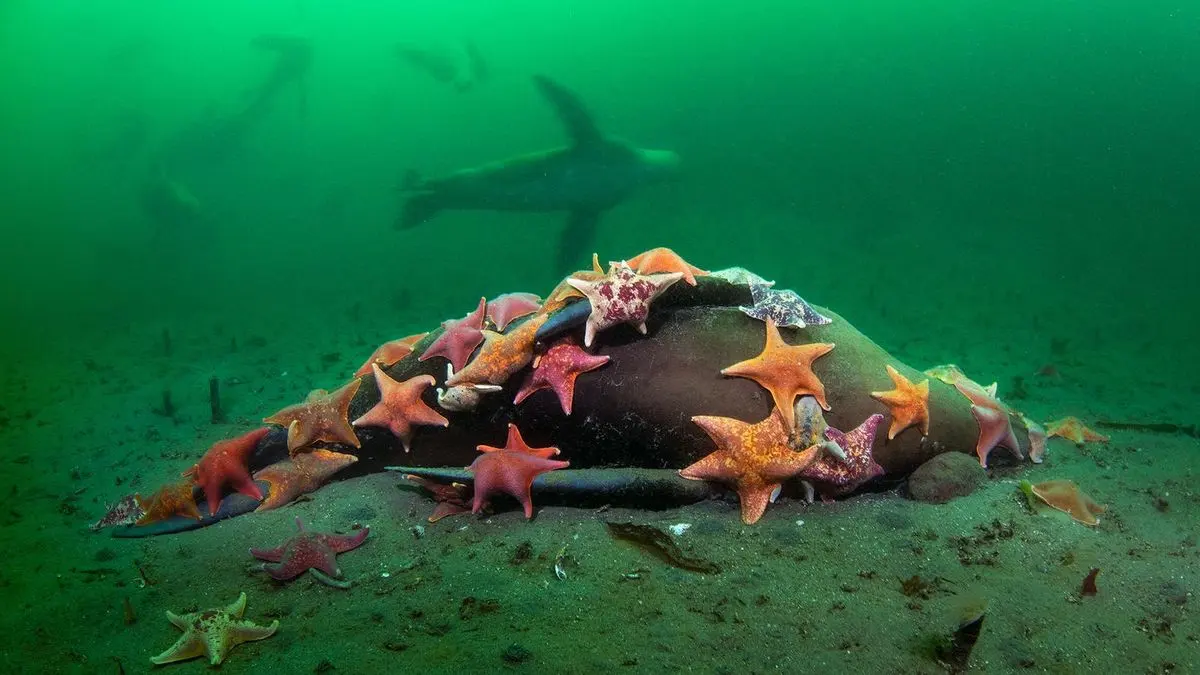
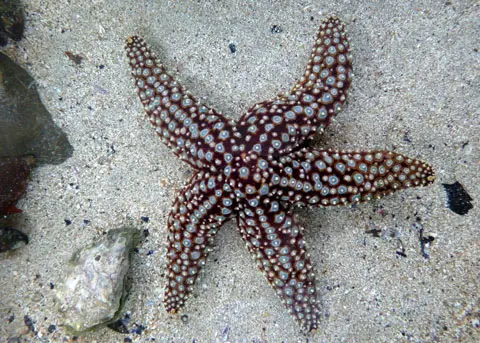
Sea stars, also known as starfish, belong to the class Asteroidea and encompass roughly 2,000 species. Because of this diversity, there is no single "standard" size for these echinoderms. Small species, such as the common cushion star, often remain under two inches throughout their entire adult life cycle. Conversely, larger species have evolved to occupy specific ecological niches that require a more substantial physical presence to hunt prey or withstand strong ocean currents.
The variation in size is often tied to the number of arms a species possesses. While the classic five-armed star is the most recognizable, some species have evolved to grow dozens of arms, which significantly increases their overall diameter. The largest recorded sea star is the sunflower star (Pycnopodia helianthoides), which can span up to 3.3 feet across. These giants are masters of the Pacific coast, utilizing their massive size to engulf prey like sea urchins and snails with ease.
Why do sea stars grow to different sizes?
Growth in sea stars is heavily influenced by the availability of nutrients and the temperature of their habitat. In nutrient-rich, cold-water environments, many species grow larger and live longer than their counterparts in warmer, nutrient-poor tropical waters. Metabolism plays a critical role here; colder water often slows down metabolic processes, allowing the animal to allocate more energy toward physical growth rather than rapid cellular turnover.
Furthermore, the prey availability in a specific ecosystem dictates the maximum size a population can reach. A sea star that has consistent access to high-protein prey like mussels or clams will generally grow faster and larger than one forced to scavenge for smaller particles. The following factors contribute to the ultimate size of an individual:
- Genetic programming specific to the species.
- The abundance of calcium carbonate for skeletal development.
- Water temperature affecting metabolic efficiency.
- The presence of predators that may limit lifespan.
How to measure a sea star accurately
Measuring a sea star requires a specific technique to ensure consistency, as their flexible bodies can change shape depending on whether they are moving or resting. The standard scientific method involves measuring the "diameter" from the tip of one arm to the tip of the opposite arm. For species that do not have a clear opposite arm, researchers measure from the center of the central disc to the tip of the longest arm, known as the radius, and then double it.
To get an accurate measurement, follow these steps:
- Place the sea star on a flat, stable surface underwater or in a shallow tray.
- Allow the animal to relax until its arms are fully extended.
- Use a flexible measuring tape to span the distance between the two furthest points.
- Record the measurement in centimeters or inches for consistency.
- Avoid lifting the animal out of the water for extended periods, as this causes unnecessary stress.
Common mistakes when estimating sea star size
A frequent error when observing sea stars in the wild is assuming that all large individuals are the same age. In reality, a sea star’s size is not a perfect indicator of its maturity. Some species reach sexual maturity at a very small size, while others continue to grow for decades. Mistaking a large, older individual for a different species is a common oversight among amateur naturalists and beachcombers.
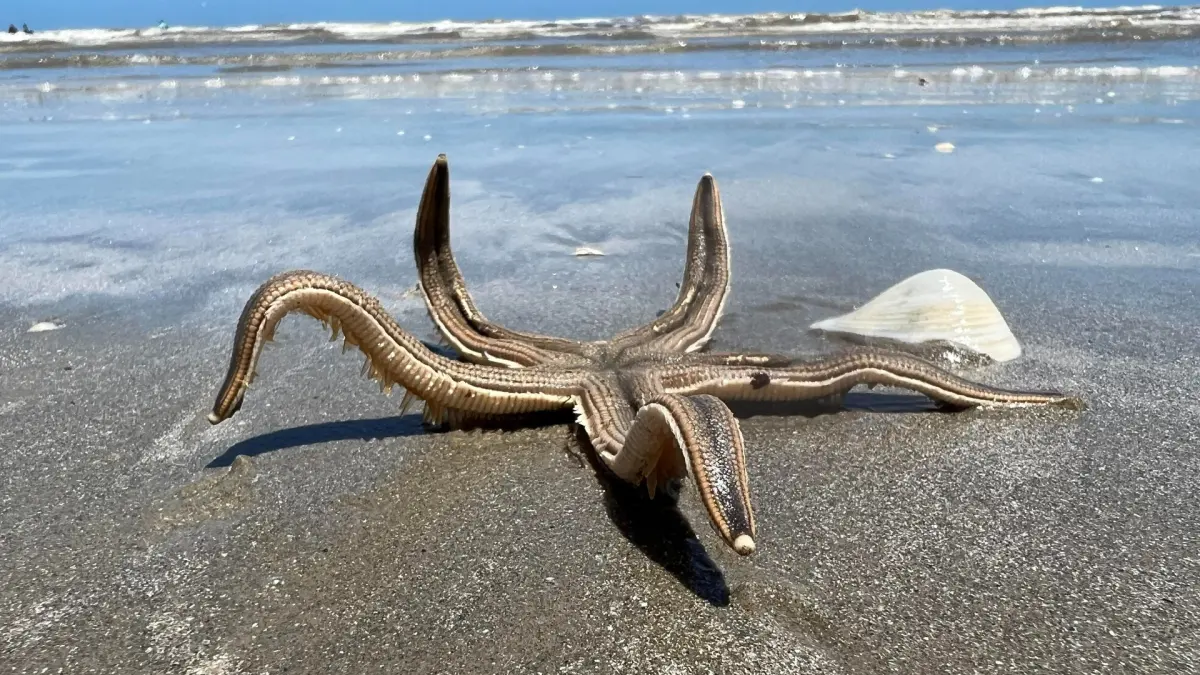
Another mistake is failing to account for the "puffy" or inflated state of a sea star. When these animals are actively feeding or moving, they may appear larger because they are pumping seawater through their water vascular system to extend their tube feet. If you are comparing two specimens, always try to observe them in a similar state of activity. Never attempt to stretch or force a sea star into a flat position to measure it, as this can cause permanent damage to their delicate internal water-pressure systems and skeletal ossicles.
Where to find the largest sea stars
If you are interested in seeing the largest specimens, you must look toward the cold, nutrient-dense waters of the North Pacific. The sunflower star is the undisputed champion of size, frequently found along the coastlines of Alaska, British Columbia, and Washington. These regions provide the exact conditions—cold temperatures and high prey density—required for such massive growth. In contrast, tropical reefs tend to host smaller, more colorful species that rely on camouflage rather than sheer size for survival.
If you are planning a trip to observe these creatures, keep these tips in mind:
- Research the specific tide pools or dive sites known for large species.
- Visit during low tide when sea stars are often exposed on rocks.
- Always practice "leave no trace" ethics by not removing them from their environment.
- Use a waterproof camera to document size rather than handling the animals.
By respecting their habitat and observing from a distance, you can appreciate the impressive scale of these marine animals while ensuring their continued health and growth in the wild.
Key facts
- The sunflower sea star (Pycnopodia helianthoides) is the largest species, reaching up to 3.3 feet (1 meter) in diameter.
- Most common sea star species, such as the ochre star, typically measure between 4 and 10 inches across.
- Size is heavily influenced by food availability, with species in nutrient-rich waters growing significantly larger than those in barren areas.
- Sea stars grow by regenerating lost limbs, meaning a star missing an arm may appear smaller than its age would suggest.
- Never attempt to measure a sea star by pulling its arms outward, as this can cause permanent tissue damage or limb detachment.
- When observing size in the wild, always measure the diameter from the tip of one arm to the tip of the opposite arm.
The bottom line
Sea stars exhibit a vast range of sizes, from tiny species only an inch wide to the massive sunflower sea star spanning over three feet. While genetics dictate their potential growth, environmental factors like food supply play a critical role in their development. When observing these animals, prioritize their safety by avoiding physical handling and measuring them only by their natural diameter in their native habitat.
People also ask
How many arms do sea stars have?
While most species have five arms, some varieties can have dozens. For example, the sunflower sea star can grow up to 24 arms as it matures.
Do sea stars continue to grow throughout their entire lives?
Yes, sea stars exhibit indeterminate growth, meaning they continue to increase in size as long as they have access to sufficient food. Their growth rate often slows significantly as they reach biological maturity.
Can a small sea star be an adult?
Yes, size does not always indicate age in sea stars. Environmental stressors, such as low prey density or water temperature fluctuations, can stunt growth even in sexually mature individuals.
Are larger sea stars more dangerous to handle?
Size is not a reliable indicator of danger, but larger stars possess stronger tube feet and suction. Handling them can cause them stress, and their grip can be surprisingly difficult to break without harming them.
What determines the maximum size of a sea star?
Genetics and habitat quality are the primary factors. Species adapted to deep-sea environments or cold, nutrient-dense coastal waters generally reach larger maximum sizes than those in tropical tide pools.
Do sea stars shrink if they are starving?
They do not shrink in the traditional sense, but they may lose body mass and appear thinner. If food remains scarce for an extended period, they may begin to reabsorb their own tissues to survive.
This answer was created with the help of AI research tools and reference sources. Spotted an error? Let us know — we correct mistakes quickly. See our editorial policy.