What do chameleons eat?
Short answer
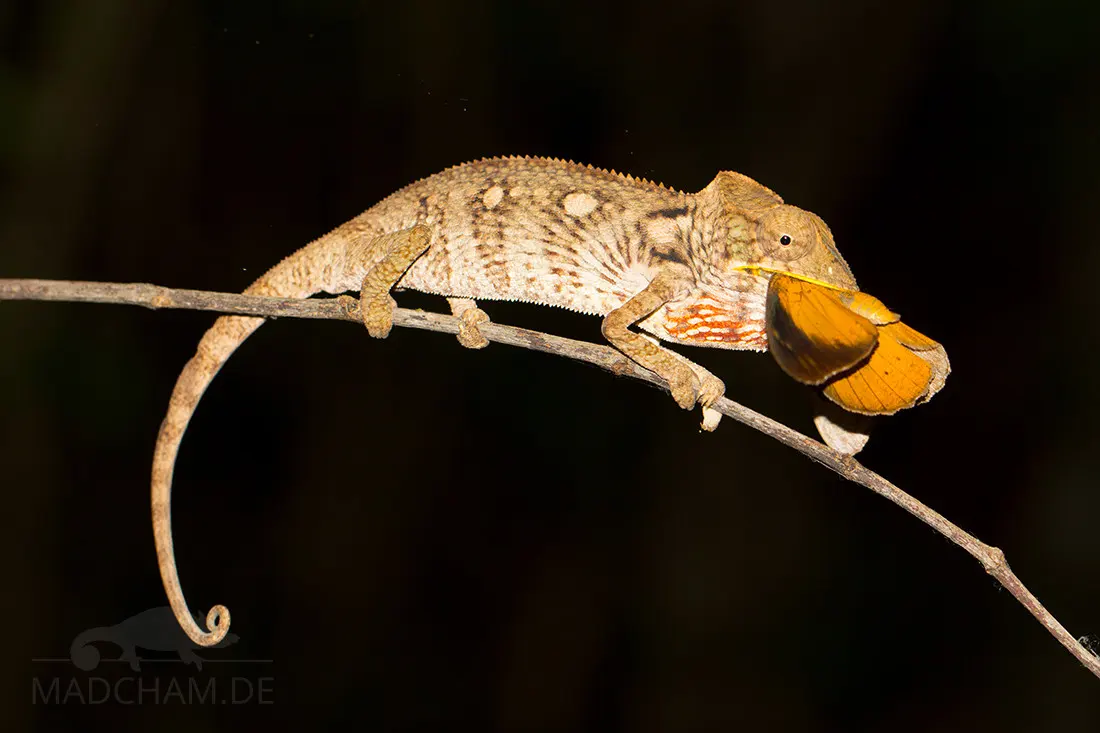
Chameleons are primarily insectivores that consume a wide variety of arthropods, including crickets, locusts, and roaches. While smaller species stick strictly to insects, many larger chameleons also supplement their diet with leafy greens, flowers, and occasionally small vertebrates like lizards or hatchling birds to ensure they receive essential hydration and nutrients.
On this page
What do chameleons eat in the wild?
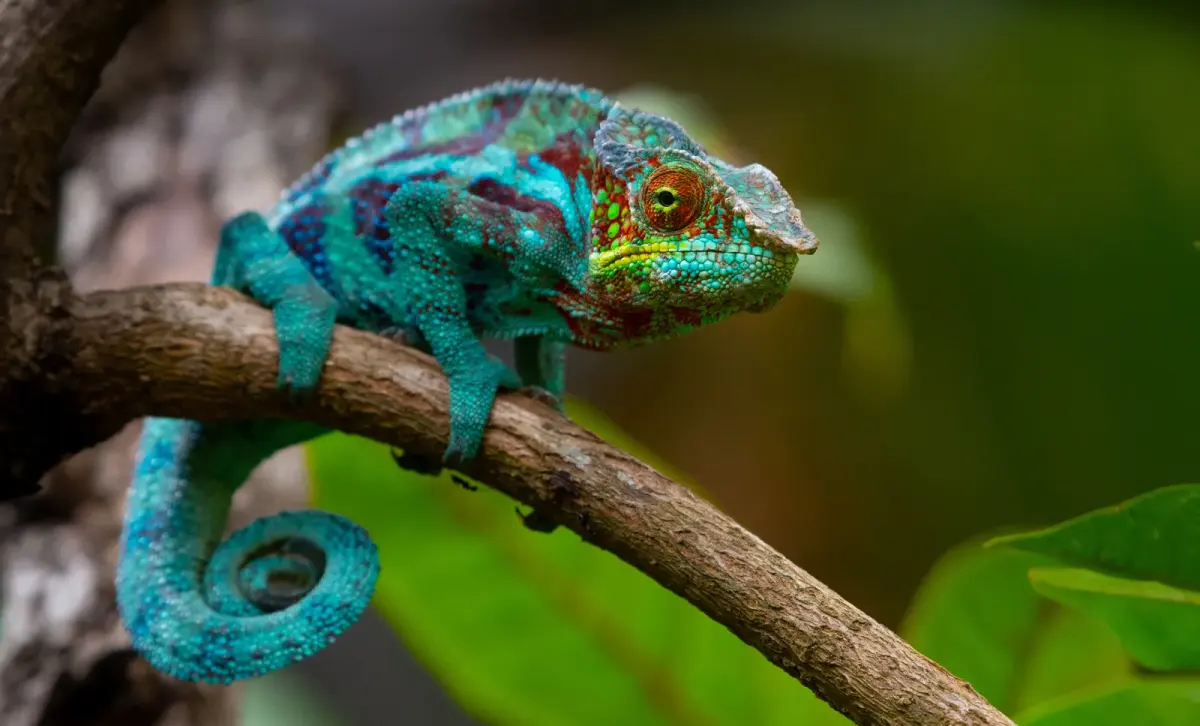
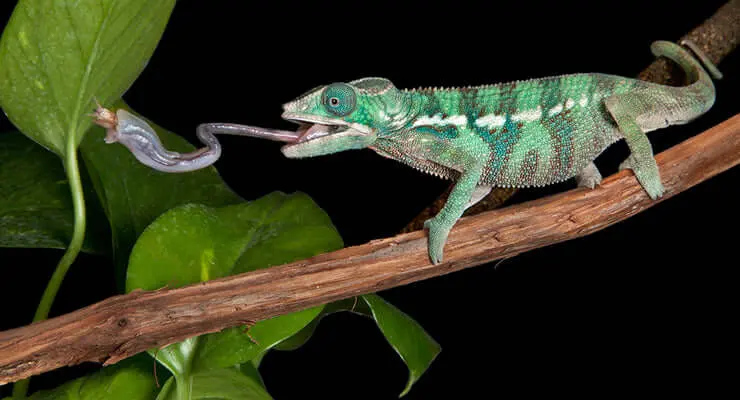
In their natural habitats, chameleons are opportunistic predators that rely on camouflage and their specialized projectile tongues to capture prey. Their diet is dictated largely by their size and the specific ecosystem they inhabit, which ranges from arid scrublands to dense tropical rainforests. Most wild chameleons focus their hunting efforts on insects that are abundant in the canopy or brush.
Common prey items for wild chameleons include:
- Crickets and grasshoppers
- Mantids and stick insects
- Flies and moths
- Beetles and various larvae
- Spiders and other small arachnids
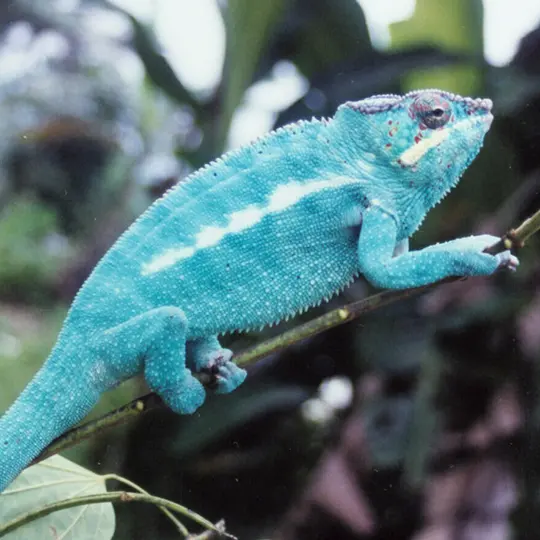
Larger chameleon species, such as the Parson’s chameleon or the Oustalet’s chameleon, are not limited to insects. These robust reptiles have been documented consuming small birds, lizards, and even young rodents when the opportunity arises. This predatory behavior provides vital calcium and protein that smaller insects cannot always supply in sufficient quantities. Furthermore, many chameleons consume plant matter, such as leaves or berries, which serves as a critical source of water during dry seasons when water sources are scarce.
How to feed a pet chameleon correctly
Providing a balanced diet for a pet chameleon requires mimicking the diversity they would experience in the wild. A staple diet usually consists of gut-loaded insects, which means the insects are fed high-quality vegetables and grains 24 hours before being offered to the lizard. This ensures that the chameleon receives the maximum nutritional benefit from every bite.
To maintain a healthy feeding schedule, follow these steps:
- Select appropriately sized insects that are no wider than the space between the chameleon's eyes to prevent choking.
- Dust the insects with a high-quality calcium powder at nearly every feeding to support bone health.
- Provide a multivitamin supplement once or twice a week to bridge any nutritional gaps.
- Offer food during the morning hours when the chameleon is most active and its metabolism is primed for digestion.
Variety is the most important factor in captive nutrition. Relying solely on one type of feeder insect can lead to nutrient deficiencies and health issues. By rotating between different species of crickets, dubia roaches, and silkworms, you ensure your pet receives a broad spectrum of minerals and vitamins necessary for long-term vitality.
Why do chameleons eat plants?
While chameleons are famous for their insect-hunting prowess, many species frequently consume vegetation. This behavior is not typically driven by hunger for calories, but rather by a need for hydration and specific micronutrients. In the wild, chameleons may chew on succulent leaves or soft flowers to extract moisture, which is especially important in environments where standing water is difficult to find.
Plant matter also provides essential fiber and minerals that aid in digestion. If a pet chameleon is observed eating the leaves of its enclosure plants, it is often a sign that the animal is seeking extra hydration or trying to regulate its gut health. Owners should ensure that any live plants kept inside the enclosure, such as Pothos or Hibiscus, are non-toxic and free of pesticides.
If your chameleon shows a sudden, intense interest in eating large amounts of plant material, it could indicate a deficiency in its insect diet or an underlying health problem. Always monitor the animal's weight and behavior closely. If the consumption of plants begins to interfere with the intake of essential insect protein, consult an exotic veterinarian to adjust the feeding regimen.
Common mistakes when feeding chameleons
One of the most frequent errors owners make is overfeeding their chameleons. A chameleon that is fed too much may become obese, which puts significant strain on its internal organs and shortens its lifespan. It is far better to feed smaller, frequent meals than to leave a large quantity of insects in the enclosure, which can stress the lizard or lead to the insects biting the chameleon at night.
Another common mistake is failing to provide proper gut loading for feeder insects. If the insects are starving or fed low-quality food, they provide little nutritional value to the chameleon. Additionally, owners often neglect the importance of hydration. Even if a chameleon eats plants, it requires a consistent source of fresh water, typically provided through a misting system or a slow-drip device that allows the lizard to drink droplets from leaves.
Finally, avoid using insects caught from the wild, as these may carry parasites, bacteria, or traces of pesticides that can be fatal to a captive chameleon. Always purchase feeder insects from reputable breeders who maintain high standards of hygiene. By avoiding these common pitfalls, you can significantly reduce the risk of metabolic bone disease and other preventable nutritional disorders in your pet.
How to monitor chameleon health through diet
Observing how your chameleon interacts with its food is the best way to gauge its overall health. A healthy chameleon should be alert, have clear eyes, and display a strong, accurate tongue strike when hunting. If you notice a decrease in appetite, it is often the first indicator that something is wrong, such as incorrect enclosure temperatures, improper lighting, or the presence of internal parasites.
Weight management is also a critical component of monitoring. A healthy chameleon should have a well-rounded body shape without visible ribs or a sunken tail base. If the chameleon appears emaciated or lethargic after meals, it may be struggling to digest its food properly due to low ambient temperatures. Chameleons are ectothermic, meaning they rely on external heat to facilitate digestion; if the enclosure is too cold, the food will rot in their stomach rather than being processed.
Keep a simple log of the types of insects fed and the frequency of feedings. This record will be invaluable if you ever need to consult a veterinarian, as it provides a clear history of the animal's nutritional intake. By staying observant and proactive, you can ensure your chameleon thrives for its entire natural lifespan.
Key facts
- Most chameleons are insectivores, meaning they rely on a diet consisting primarily of live insects like crickets, roaches, and locusts.
- Larger chameleon species, such as the Parson’s chameleon, may occasionally consume small vertebrates like lizards, birds, or rodents.
- Many chameleon species supplement their diet with plant matter, including leafy greens, flowers, and fruits, to obtain essential hydration and vitamins.
- A healthy chameleon requires a varied diet; feeding them only one type of insect can lead to nutritional deficiencies and metabolic bone disease.
- Gut-loading is a critical practice where you feed insects nutrient-rich vegetables 24 hours before giving them to your chameleon to boost their nutritional value.
- Dusting insects with calcium and multivitamin powders is necessary to support skeletal health and prevent common captive health issues.
The bottom line
Chameleons thrive on a diverse diet of gut-loaded insects supplemented with occasional plant matter. To keep them healthy, prioritize variety, supplement with calcium, and ensure consistent hydration through misting rather than bowls. Avoid wild-caught prey and monitor their feeding habits closely. By replicating their natural foraging behaviors and maintaining strict nutritional standards, you provide the essential foundation for a long and vibrant life in captivity.
People also ask
Do chameleons drink water from bowls?
Most chameleons do not recognize standing water as a source of hydration and will not drink from a bowl. They prefer to lick water droplets off leaves or branches, which is why misting systems or drip emitters are essential for captive care.
How often should I feed my chameleon?
Juvenile chameleons should be fed daily to support their rapid growth, while adults typically thrive on a feeding schedule of every other day. Overfeeding can lead to obesity and liver issues, so monitor your pet's body condition closely.
Can I feed my chameleon insects I catch in my backyard?
It is strongly advised against using wild-caught insects because they may carry parasites, bacteria, or traces of pesticides. Always purchase feeder insects from reputable breeders to ensure they are safe and disease-free.
What is the best way to hydrate a chameleon?
You should provide hydration through a combination of daily misting of the enclosure and a dedicated drip system. This mimics the natural dew and rainfall they encounter in the wild, encouraging them to drink naturally.
Are there any plants that are toxic to chameleons?
Yes, many common houseplants like pothos are safe, but others like ivy, philodendron, and lilies can be toxic if ingested. Always verify that any plant placed inside a chameleon enclosure is non-toxic and free of chemical fertilizers.
Why is my chameleon refusing to eat?
A loss of appetite can indicate stress, improper enclosure temperatures, or underlying illness. If a chameleon stops eating for more than a few days, consult a specialized reptile veterinarian to rule out infections or impaction.
This answer was created with the help of AI research tools and reference sources. Spotted an error? Let us know — we correct mistakes quickly. See our editorial policy.