What is hibernation?
Short answer
Hibernation is a seasonal state of deep dormancy in animals, characterized by significantly lowered body temperature, slowed breathing, and reduced heart rate. This physiological strategy allows creatures to conserve energy during periods of extreme cold or food scarcity, enabling them to survive harsh winters by relying on stored body fat reserves.
On this page
Why hibernation happens
Hibernation is primarily an evolutionary survival mechanism triggered by environmental stressors such as dropping temperatures and the depletion of food sources. When external conditions become too harsh to maintain a normal metabolic rate, animals enter this state to avoid starvation. By lowering their core body temperature to near-freezing levels, they drastically reduce the amount of energy required to keep their organs functioning.
This process is not merely sleep; it is a profound metabolic depression. For example, a ground squirrel’s heart rate may drop from 350 beats per minute to as low as five beats per minute. This extreme conservation allows animals to endure months without eating, relying entirely on the brown adipose tissue—or body fat—accumulated during the warmer months. Without this ability, many species would be unable to survive the winter months in temperate or arctic climates.
How animals prepare for hibernation
Preparation for hibernation is a rigorous biological process that begins weeks or even months before the first frost. Animals must consume vast quantities of calorie-dense food to build up sufficient fat stores, which serve as their only fuel source during the dormant period. Failure to reach a target body weight often results in mortality before spring arrives.
- Foraging: Animals like bears and marmots spend late summer and autumn in a state of hyperphagia, eating nearly constantly to maximize weight gain.
- Den selection: They identify secure, insulated locations such as underground burrows, rock crevices, or hollowed-out trees to protect themselves from predators and extreme weather.
- Physiological shifts: Hormonal changes signal the body to begin slowing metabolic processes as day length decreases.
- Nesting: Some species line their dens with dry grass, leaves, or fur to create a microclimate that retains heat and provides additional insulation.
Which animals hibernate
While many people associate hibernation exclusively with bears, the reality is more nuanced. True hibernators, such as ground squirrels, woodchucks, and hedgehogs, experience a profound drop in body temperature. In contrast, many bears undergo a state of torpor, which is a lighter form of dormancy where body temperature does not drop as drastically, allowing them to wake up more quickly if threatened.
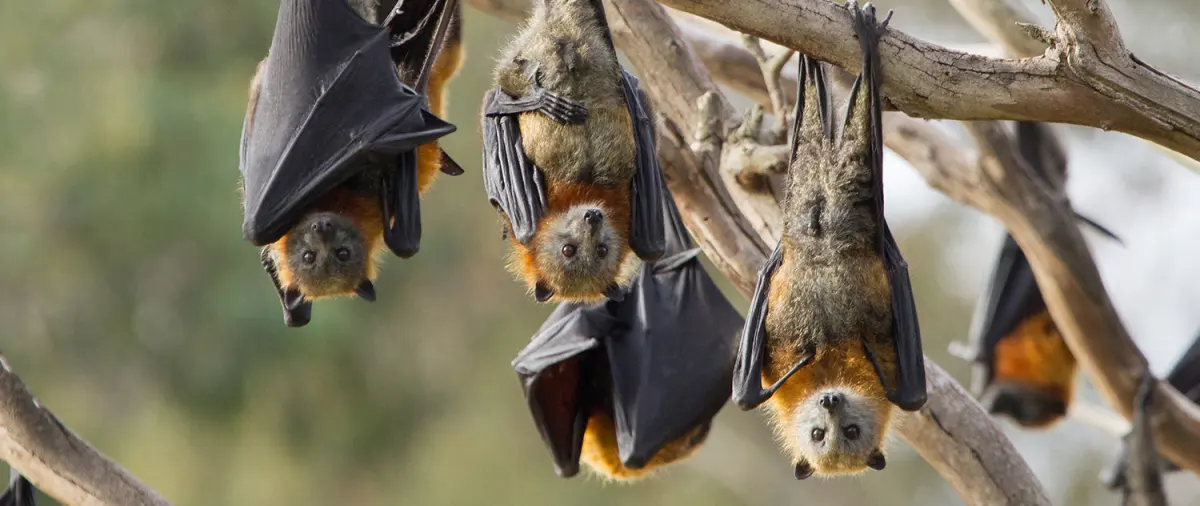
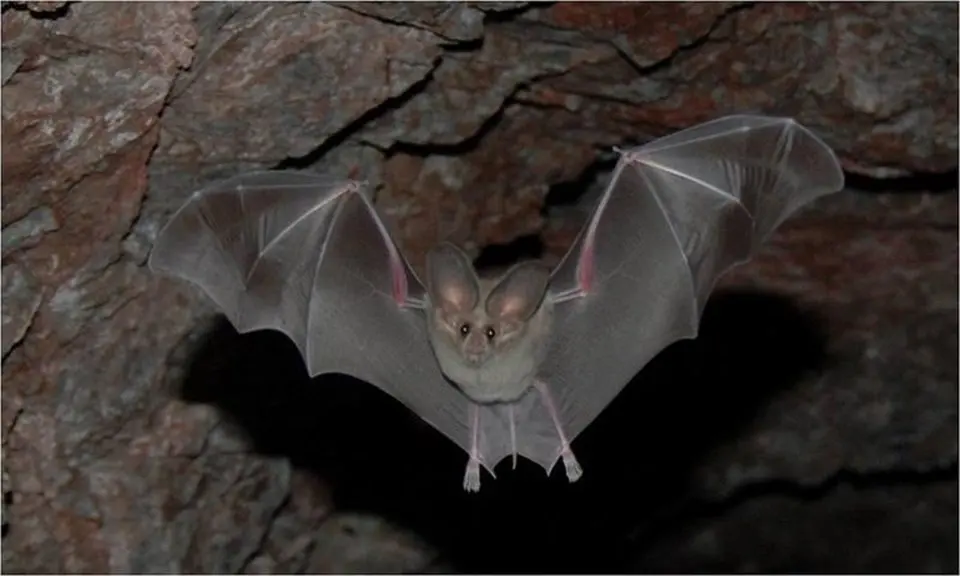
- True Hibernators: Woodchucks, ground squirrels, chipmunks, and certain species of bats.
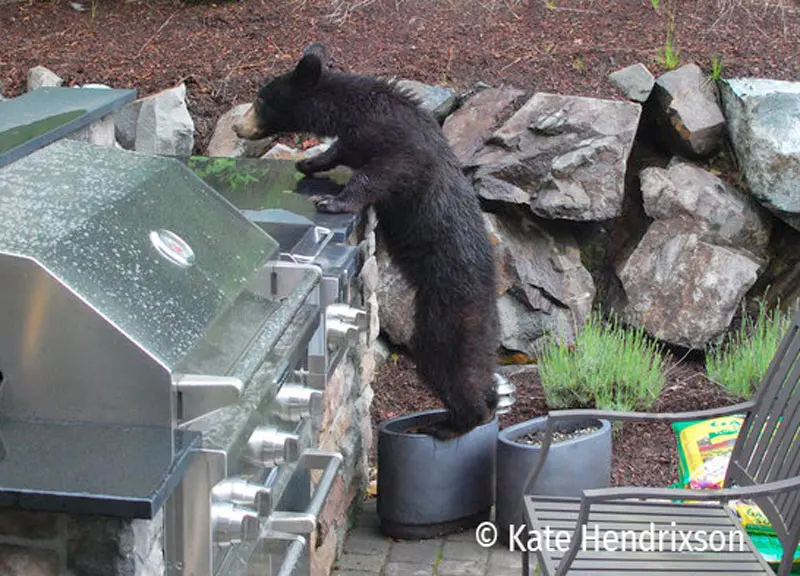
- Partial Hibernators: Black bears, brown bears, and raccoons.
- Non-Hibernators: Most birds and large mammals that migrate or rely on food caches instead of metabolic suppression.
It is important to distinguish between these categories, as the physiological demands differ significantly. True hibernators are often unable to wake up rapidly, whereas animals in torpor remain somewhat alert to their surroundings, providing a defensive advantage against predators during the winter months.
Common mistakes when observing hibernating wildlife
A frequent error people make is assuming that a hibernating animal is dead or abandoned. If you encounter a burrow or a den, it is vital to keep your distance and avoid disturbing the site. Human interference can force an animal to wake up prematurely, which is a dangerous event that consumes a massive, often irreplaceable, amount of stored energy.
- Do not touch or move the animal, as this can trigger a stress response that increases their heart rate.
- Avoid clearing away brush or snow from a suspected den, as this removes essential insulation.
- Refrain from feeding the animal, as their digestive systems are not prepared to process food during this state.
- Keep pets on a leash in wooded areas during winter to prevent them from digging up or harassing dormant wildlife.
By respecting these boundaries, observers ensure the animal has the best chance of surviving until the spring thaw arrives.
How long does hibernation last
The duration of hibernation varies wildly depending on the species and the local climate. In regions with long, severe winters, some animals may remain dormant for up to eight months. Others, living in milder climates, may only hibernate for a few weeks or during particularly cold snaps. This flexibility allows species to adapt to the specific environmental pressures of their habitats.
During the hibernation cycle, animals do not stay in a continuous state of dormancy. They often experience periodic "arousal" episodes where they briefly warm up, move around, or adjust their position before returning to deep sleep. These cycles are essential for maintaining physiological health and clearing metabolic waste products. The process concludes when rising temperatures and changing light levels signal that it is time to emerge, marking the beginning of the spring foraging season and the end of their long, energy-saving rest.
Key facts
- Hibernation is a state of minimal activity and metabolic depression, not just deep sleep.
- During hibernation, an animal’s heart rate can drop to as low as 5 beats per minute.
- Body temperatures in hibernating mammals, such as the Arctic ground squirrel, can fall below freezing.
- Animals prepare by consuming large amounts of food to build fat stores before winter begins.
- Hibernation allows species to survive periods of extreme food scarcity and harsh environmental conditions.
- To avoid disturbing a hibernating animal, keep your distance and avoid loud noises that could trigger an emergency awakening.
The bottom line
Hibernation serves as a vital survival strategy, allowing various species to endure seasonal resource scarcity by drastically lowering their metabolic demands. By slowing heart rates and reducing body temperatures, these animals effectively pause their active lives until environmental conditions improve. Understanding this complex physiological process highlights the remarkable evolutionary adaptations that enable wildlife to navigate the challenges of winter without the need for constant food intake.
People also ask
Do bears actually hibernate?
Biologists often classify bear dormancy as torpor rather than true hibernation. While their heart rates slow, their body temperatures do not drop as drastically as those of smaller hibernators, and they can wake up relatively quickly if threatened.
How do animals breathe while hibernating?
Hibernating animals significantly reduce their respiratory rate to conserve oxygen and energy. Some species may only take a few breaths per minute, relying on the slow metabolism of their stored fat to sustain cellular function.
What triggers an animal to start hibernating?
The primary triggers are decreasing daylight hours, dropping ambient temperatures, and internal biological clocks. These signals prompt the animal to enter a state of dormancy before the onset of winter.
Can humans hibernate?
Humans do not have the biological capacity for true hibernation. While medical professionals sometimes use therapeutic hypothermia to slow metabolism during surgery, this is a controlled clinical procedure rather than a natural biological state.
Do animals wake up during hibernation?
Most hibernators undergo periodic arousals, during which they briefly return to a normal body temperature. These sessions may last a few hours or days before the animal returns to a deep state of dormancy.
What is the biggest danger to a hibernating animal?
The greatest threat is the premature depletion of fat reserves caused by frequent disturbances. If an animal is forced to wake up too often, it may run out of energy before spring arrives, leading to starvation or death.
This answer was created with the help of AI research tools and reference sources. Spotted an error? Let us know — we correct mistakes quickly. See our editorial policy.