What is the strongest animal in the world?
Short answer
The dung beetle (Onthophagus taurus) holds the title for the strongest animal relative to its body weight, capable of pulling 1,141 times its own mass. While larger animals like elephants possess greater absolute strength, the dung beetle’s proportional power remains unmatched in the animal kingdom, equivalent to a human pulling six double-decker buses.
On this page
How is animal strength measured?
Scientists define animal strength through two primary metrics: absolute strength and relative strength. Absolute strength measures the total force an animal can exert regardless of its size, which is why massive creatures like African elephants or blue whales appear dominant. These animals move heavy objects or navigate immense water pressure using sheer muscle mass and skeletal support.
Relative strength, however, calculates power based on an animal's body weight. This metric is essential for comparing species of vastly different sizes, such as insects versus mammals. When scientists adjust for mass, the results often favor smaller organisms. The square-cube law explains this phenomenon: as an object grows in size, its volume increases much faster than its surface area. Consequently, smaller animals possess a higher strength-to-weight ratio, allowing them to perform feats that would be physically impossible for larger creatures due to the limitations of their own bone structure and muscle density.
Which animals are the strongest relative to size?
While the dung beetle is the undisputed champion, several other invertebrates exhibit extraordinary proportional strength. These creatures have evolved specialized musculature and exoskeletons that allow them to carry loads far exceeding their own weight. Understanding these species helps researchers study biomechanics and the limits of biological materials.
- Dung Beetle: Can pull 1,141 times its own body weight.
- Oribatid Mite: Can lift up to 1,180 times its own weight.
- Leafcutter Ant: Capable of carrying objects 50 times its own weight.
- Rhinoceros Beetle: Can lift objects 850 times its own body weight.
The oribatid mite, a tiny arachnid, technically surpasses the dung beetle in some laboratory measurements. However, the dung beetle is widely cited because its strength is demonstrated through active, sustained pulling behavior rather than just static lifting. These insects utilize their unique leg anatomy to leverage their bodies against the ground, maximizing the force they apply to their loads.
Why do some animals need such immense strength?
Evolutionary pressures drive the development of extreme strength in specific species. For dung beetles, strength is a vital component of reproductive success. Males compete for dung piles, which serve as both a food source and a nursery for their offspring. The ability to quickly roll and bury dung balls allows them to secure resources and protect their brood from competitors and predators.
For other insects, strength is a matter of survival and environmental navigation. Leafcutter ants must transport heavy vegetation back to their colonies to cultivate the fungus they eat. Their mandibles and neck muscles have evolved specifically to handle the torque and weight of these leaves. Without this proportional power, these species would be unable to gather enough resources to sustain their complex social structures or defend their territories against larger threats in the forest floor ecosystem.
Common mistakes when comparing animal strength
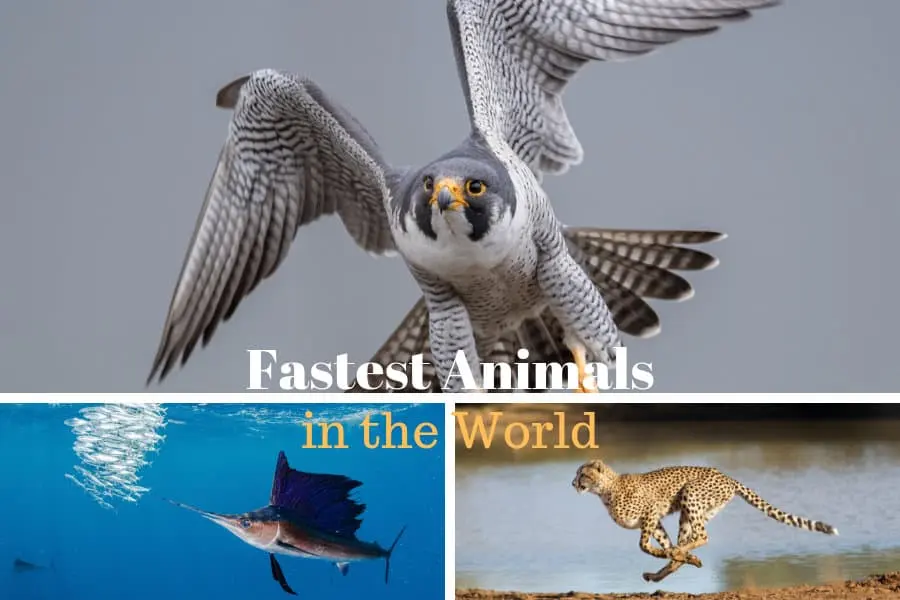
One common error is confusing speed with strength. A cheetah is the fastest land animal, but it lacks the raw power to move heavy, stationary objects compared to a rhinoceros or an elephant. Another mistake is ignoring the role of an exoskeleton. Insects benefit from their hard outer shells, which provide stable attachment points for muscles, allowing them to exert force more efficiently than animals with internal skeletons.
When evaluating strength, consider these factors to avoid misconceptions:
- Distinguish between lifting capacity and pulling capacity.
- Account for the animal's environment, as water buoyancy affects perceived strength.
- Verify if the measurement is based on a single "burst" of energy or sustained effort.
- Ensure the comparison is normalized for body mass to maintain scientific accuracy.
By applying these criteria, you can distinguish between true physical power and simple agility or endurance. Always look for peer-reviewed biological studies rather than anecdotal reports, as laboratory conditions provide the most reliable data for these extreme physical feats.
How to observe animal strength in nature
If you want to observe these feats of strength, start by studying insects in your local environment. You do not need expensive equipment to see these mechanics in action. A simple magnifying glass and patience in a garden or park can reveal the industrious behavior of ants or beetles. Watch how they navigate obstacles; you will often see them lifting debris that is several times their size to clear a path.
To safely observe and appreciate these animals, follow these guidelines:
- Use a macro lens or magnifying glass to get a clear view without disturbing the insect.
- Observe during early morning or late afternoon when many insects are most active.
- Avoid handling the animals, as their delicate structures can be damaged by human touch.
- Document their behavior in a notebook to better understand how they utilize their strength in different environments.
By focusing on the mechanics of their movement, you gain a deeper appreciation for the evolutionary adaptations that make these small creatures the strongest animals on the planet. Through careful observation, you can witness the incredible biological engineering that allows a tiny beetle to move objects that would baffle a human engineer.
Key facts
- The dung beetle (Onthophagus taurus) is the strongest animal relative to its body weight, capable of pulling 1,141 times its own mass.
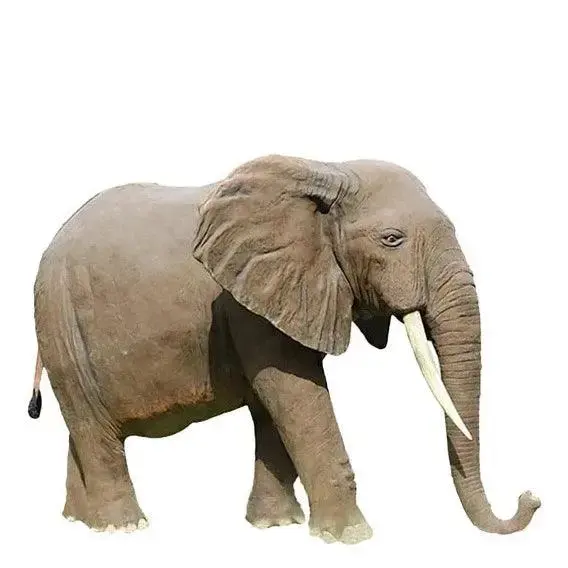
- In absolute terms, the African bush elephant is the strongest land mammal, able to carry up to 9,000 kilograms (approximately 20,000 pounds).
- Strength is defined by either absolute power, which favors large animals, or relative power, which favors smaller organisms like insects and crustaceans.
- The saltwater crocodile possesses the strongest bite force ever recorded in a living animal, measuring 3,700 pounds per square inch (psi).
- Leafcutter ants can carry objects 50 times their body weight over long distances, showcasing immense endurance alongside raw strength.
- When evaluating strength, always distinguish between lifting capacity, pulling power, and crushing force to understand the specific biological advantage.
The bottom line
Determining the world's strongest animal depends entirely on how you define strength. If you measure by relative capacity, the dung beetle is the undisputed champion. If you measure by raw, absolute power, massive creatures like the African elephant dominate. Understanding these distinctions is essential for appreciating how evolution optimizes physical force across different species, ranging from microscopic insects to the largest mammals on Earth today.
People also ask
Which animal has the most powerful bite?
The saltwater crocodile holds the record for the strongest bite force, exerting roughly 3,700 psi. This immense pressure allows it to crush bone and capture large prey in aquatic environments.
Can a human ever be the strongest animal?
Humans are not the strongest animals in the world by any biological metric. While humans can lift heavy weights through training, they lack the specialized muscle-to-body-mass ratios found in insects.
Why are insects stronger than mammals?
Insects benefit from an exoskeleton that provides a rigid structure for muscles to attach, allowing for greater mechanical leverage. This biological design enables them to move objects many times their own weight.
How do scientists measure animal strength?
Researchers use force transducers, custom-built pulling rigs, and bite-force sensors to quantify strength. These tools provide empirical data that helps compare animals of vastly different sizes and species.
Is the gorilla the strongest primate?
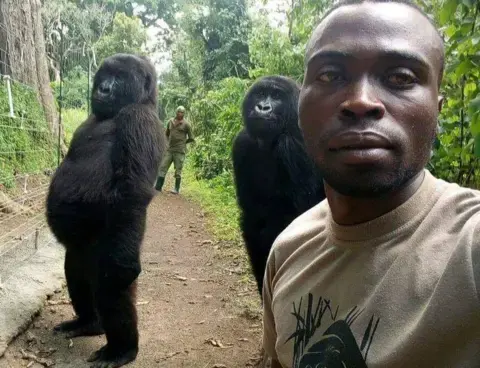
Yes, the gorilla is the strongest primate, capable of lifting up to 2,000 pounds. Their dense muscle structure and skeletal strength are adapted for climbing and maneuvering in dense forest habitats.
Does size always determine strength?
Size is a major factor for absolute strength, but it is not the only variable. Relative strength often decreases as an animal grows larger because muscle power increases at a slower rate than body mass.
This answer was created with the help of AI research tools and reference sources. Spotted an error? Let us know — we correct mistakes quickly. See our editorial policy.