Where do tortoises live?
Short answer
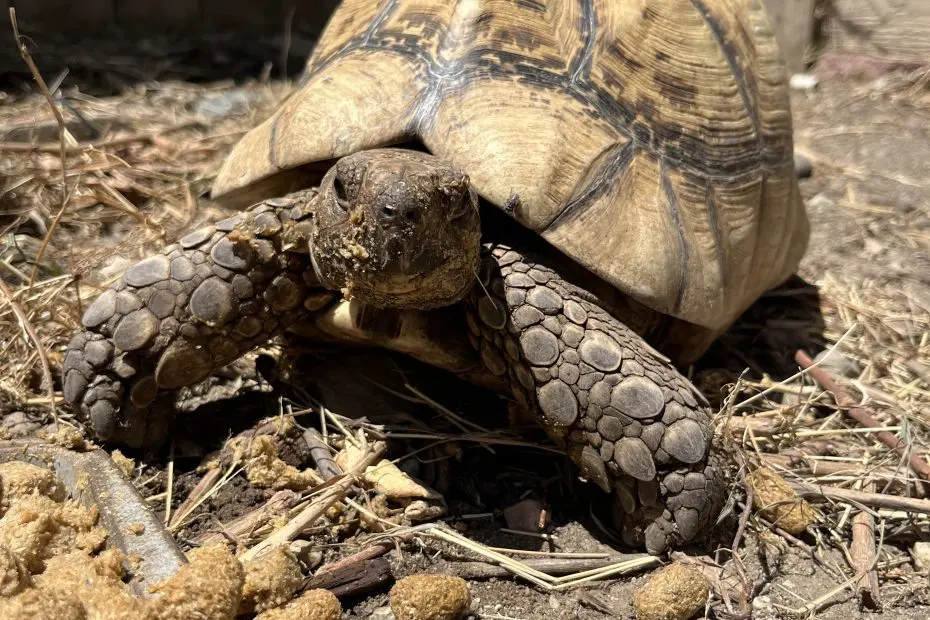
Tortoises live on every continent except Antarctica and Australia. They inhabit diverse environments ranging from arid deserts and dry grasslands to humid tropical forests. These reptiles are primarily terrestrial, meaning they spend their entire lives on land, unlike their aquatic turtle relatives, and favor regions with stable, warm climates.
On this page
Where do wild tortoises live?
Tortoises are found across a vast geographical range, thriving in environments that provide sufficient warmth and cover. They are native to regions in Africa, Asia, Europe, and the Americas. Because they are ectothermic, or cold-blooded, their distribution is heavily dictated by ambient temperature. You will rarely find them in regions with prolonged freezing winters, as they lack the physiological ability to survive extreme cold without specialized hibernation behaviors.
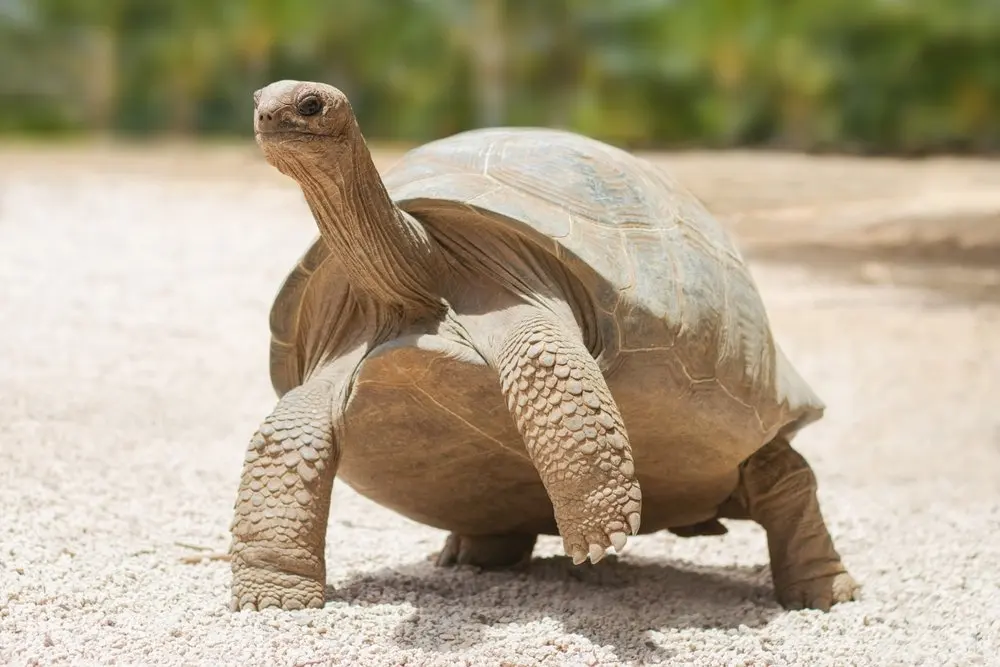
Most species prefer habitats that offer a mix of open areas for basking and dense vegetation for shade. For example, the African spurred tortoise inhabits the semi-arid edges of the Sahara Desert, while the red-footed tortoise thrives in the humid rainforests of South America. Their ability to adapt to these varied climates has allowed them to occupy niche ecosystems globally. Whether in scrublands or tropical basins, they require specific soil types for nesting and burrowing to maintain their body temperature and moisture levels.
How do tortoises adapt to their environment?
Tortoises utilize several biological and behavioral strategies to survive in their respective habitats. One of the most critical adaptations is the ability to dig deep burrows. These subterranean tunnels provide a stable microclimate, protecting the animal from the intense heat of the midday sun and the chilling temperatures of the night. In arid environments, these burrows can reach depths of several feet, where humidity remains significantly higher than on the surface.
Beyond physical shelter, tortoises have developed efficient ways to manage their water intake and energy expenditure. They can store water in their bladders for long periods, allowing them to survive in regions where rainfall is infrequent. Their slow metabolism also serves as a key survival mechanism, enabling them to endure food shortages that would be fatal to faster-moving animals. These adaptations are essential for their longevity, with some species living well over 100 years in the wild.
What are the best habitats for pet tortoises?
If you are keeping a tortoise as a pet, recreating its natural habitat is the most important factor for its health. You must provide an enclosure that accounts for the species' specific humidity and temperature requirements. A common mistake is keeping a tortoise in a glass aquarium, which often lacks proper ventilation and can cause the animal unnecessary stress. Instead, use a tortoise table or an open-top enclosure that allows for a natural thermal gradient.
To create an ideal environment, follow these steps:
- Research the specific species to determine if it is a desert or tropical variety.
- Install a high-quality UVB lamp to simulate natural sunlight, which is essential for bone health.
- Provide a basking spot with a heat lamp at one end of the enclosure and a cooler, shaded area at the other.
- Use a substrate that mimics the animal's native soil, such as organic topsoil or coconut coir.
- Include a shallow water dish that is wide enough for the tortoise to soak in but shallow enough to prevent drowning.
Why do tortoises migrate or hibernate?
In the wild, many tortoise species engage in seasonal behaviors to cope with environmental fluctuations. In temperate regions, such as parts of Europe and North America, tortoises enter a state of dormancy known as brumation when temperatures drop in the autumn. During this time, their heart rate and metabolism slow down significantly, allowing them to survive the winter months without eating. This is a natural instinct, but it requires specific environmental cues like a gradual decrease in light and temperature to trigger safely.
In tropical or arid regions, some tortoises exhibit a different form of dormancy called estivation. This occurs during the hottest, driest months of the year when food and water are scarce. By retreating into deep, cool burrows, they avoid dehydration and heat stress. These cycles are vital for their long-term health, as they align the animal's biological clock with the natural availability of resources. Disrupting these cycles in captivity can lead to health complications, including metabolic disorders or weakened immune systems.
Common mistakes when caring for tortoises
Many owners inadvertently harm their tortoises by failing to understand their dietary and environmental needs. One of the most frequent errors is providing an improper diet, such as feeding fruit to species that are strictly desert-dwelling herbivores. This can lead to digestive issues and long-term organ damage. Always consult a veterinarian who specializes in reptiles to ensure your feeding schedule matches the nutritional profile required by your specific tortoise.
Another mistake is failing to provide adequate space as the animal grows. A hatchling may seem small, but many species grow to be quite large and require significant square footage to roam. When planning your tortoise's habitat, consider the following:
- Avoid using cedar or pine wood shavings as bedding, as the oils can be toxic to reptiles.
- Do not place the enclosure in a high-traffic area, as constant movement and noise can cause stress.
- Ensure the enclosure is secure from other household pets, which can cause severe injury to a tortoise’s shell.
- Monitor humidity levels regularly with a hygrometer, as incorrect moisture can lead to respiratory infections or shell rot.
By paying attention to these details, you can provide a safe and thriving environment for your tortoise.
Key facts
- Tortoises live on every continent except Antarctica and Australia.
- They are strictly terrestrial, meaning they spend their entire lives on land rather than in water.
- Many species inhabit arid environments like deserts, while others thrive in tropical rainforests or grasslands.
- Most tortoises are ectothermic, relying on external heat sources like sunlight to regulate their body temperature.
- They require specific microclimates, such as deep burrows or dense vegetation, to escape extreme heat or cold.
- When keeping a pet tortoise, avoid housing them in glass tanks, as they cannot understand the concept of transparent walls and will become stressed.
The bottom line
Tortoises are resilient, land-dwelling reptiles found across diverse global ecosystems, ranging from scorching deserts to lush tropical forests. Their survival depends on access to specific microclimates, such as burrows, and consistent exposure to natural sunlight. Whether observing them in the wild or caring for one at home, understanding their need for terrestrial space and temperature regulation is essential for their long-term health and well-being.
People also ask
Can tortoises swim in a pool?
Most tortoises are poor swimmers and can easily drown in deep water. While some species like the red-footed tortoise can paddle in shallow water, they should never be left unsupervised in a pool.
How do tortoises survive in the desert?
Desert-dwelling tortoises survive by digging deep underground burrows to escape the intense daytime heat. They also have highly efficient kidneys that allow them to reabsorb water from their bladder, helping them stay hydrated for months.
Do tortoises hibernate in the wild?
Many species living in temperate climates undergo brumation, a period of dormancy similar to hibernation, during the winter. They retreat into burrows to lower their metabolism until warmer temperatures return in the spring.
Why do tortoises need access to direct sunlight?
Sunlight provides the ultraviolet B (UVB) radiation necessary for a tortoise to synthesize vitamin D3. Without this, they cannot absorb calcium, which leads to metabolic bone disease and shell deformities.
Do tortoises live in groups or alone?
Tortoises are generally solitary animals that do not require social interaction with others of their species. In the wild, they only seek out others during the mating season or when sharing limited resources like water holes.
What is the biggest threat to wild tortoise habitats?
Habitat destruction caused by urban development and agriculture is the primary threat to wild populations. Additionally, the illegal pet trade and the introduction of invasive species have significantly reduced their numbers globally.
This answer was created with the help of AI research tools and reference sources. Spotted an error? Let us know — we correct mistakes quickly. See our editorial policy.