How is jam made?
Short answer
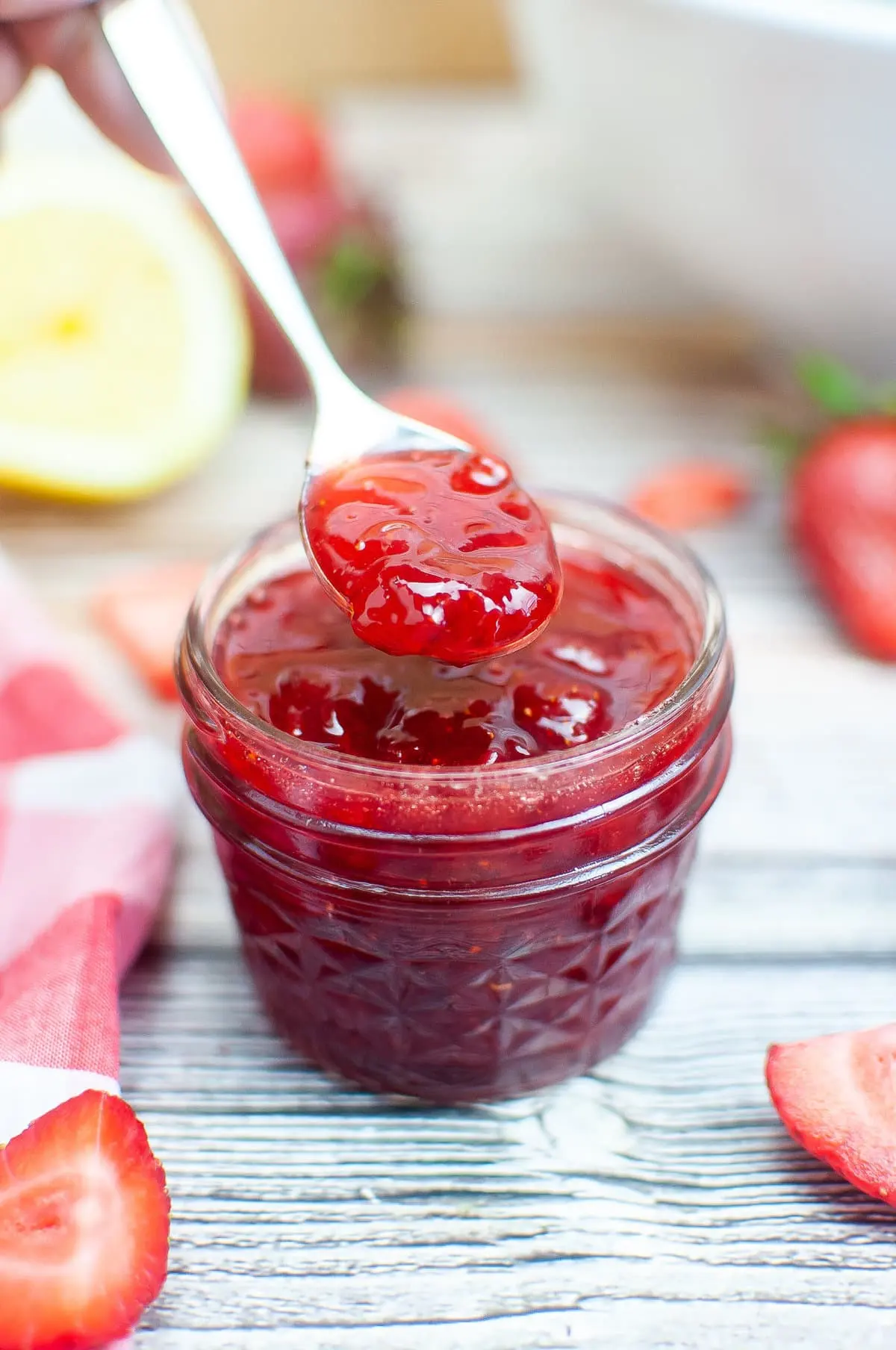
Jam is made by boiling fruit, sugar, and acid together until the mixture reaches the setting point. The sugar draws moisture from the fruit, while pectin acts as a thickening agent. Once the fruit breaks down and the pectin bonds with the sugar and acid, the jam thickens upon cooling.
On this page
How is jam made scientifically?
The process of making jam relies on the precise chemical interaction between three key components: pectin, sugar, and acid. Pectin is a natural polysaccharide found in the cell walls of fruits, which forms a gel-like network when heated in the presence of sugar and acid. Without this specific balance, the fruit mixture would remain a runny syrup rather than a spreadable preserve.
Commercial and home cooks often add lemon juice to the mixture to lower the pH level. A pH range between 2.8 and 3.5 is ideal for the pectin molecules to repel each other and then cross-link, creating a stable structure. Sugar serves a dual purpose by acting as a preservative and a dehydrating agent that pulls water away from the pectin, allowing the gel network to solidify.
- Prepare fruit by washing, peeling, and chopping it into uniform pieces.
- Combine the fruit with sugar and acid in a large, heavy-bottomed pot.
- Bring the mixture to a rolling boil, stirring constantly to prevent scorching.
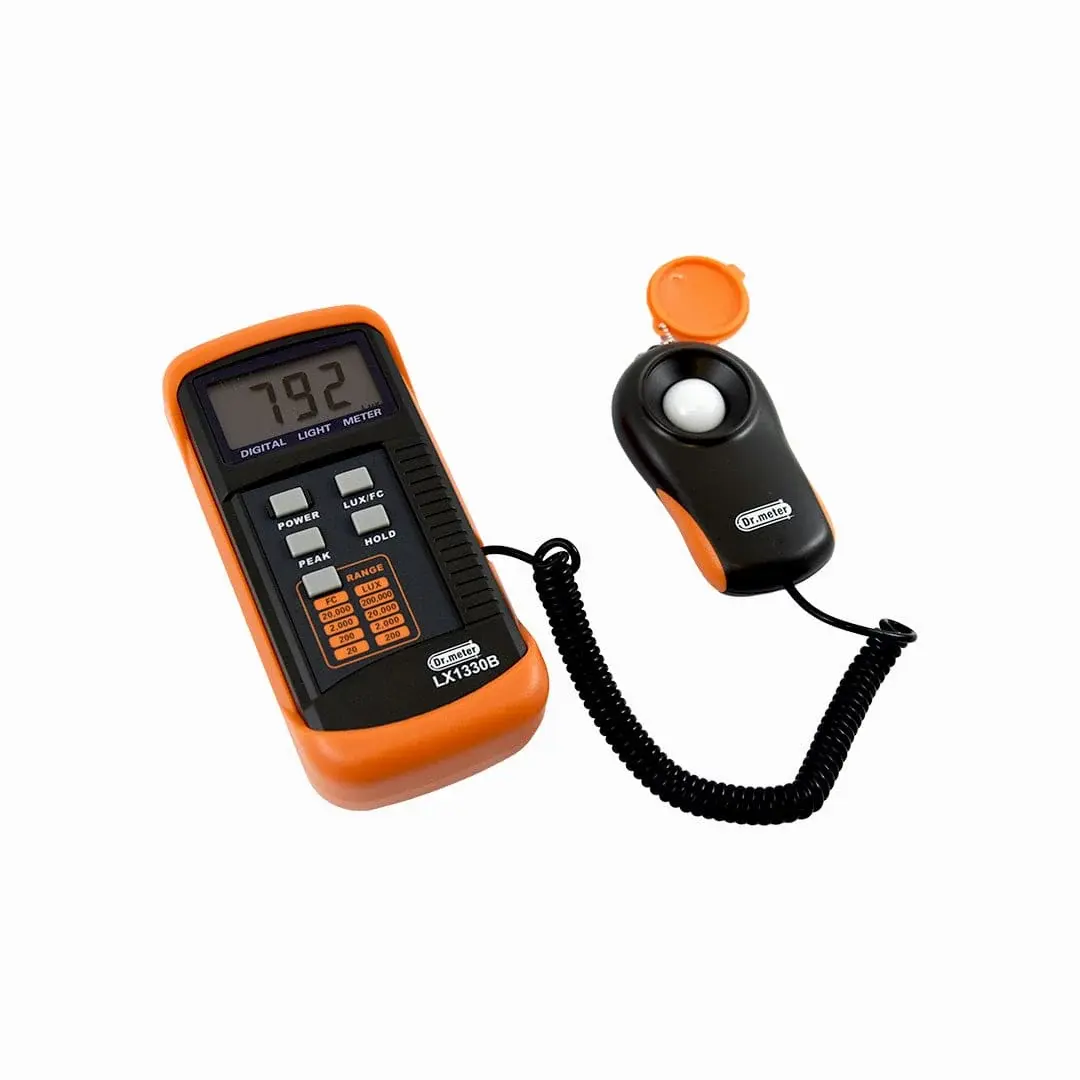
- Test for the setting point using a chilled plate or a candy thermometer.
- Skim off any foam from the surface before pouring into sterilized jars.
How long does it take to make jam?
The time required to make jam varies based on the fruit’s water content and the batch size. A typical batch takes between 30 to 60 minutes of active cooking time. However, you must also account for the preparation of the fruit and the sterilization of the jars, which can add another 30 minutes to the total process.
Beginners should avoid doubling recipes, as larger volumes take significantly longer to reach the necessary temperature. This extended boiling time can cause the fruit to lose its bright color and fresh flavor, resulting in a dull, overcooked product. If you need to make a large amount of jam, it is better to process several smaller batches sequentially to maintain quality.
- Preparation: 15–20 minutes for washing and chopping.
- Cooking: 20–40 minutes depending on the fruit type.
- Cooling: 12–24 hours to ensure a full set.
- Sterilization: 10 minutes of boiling jars before filling.
Best fruit for beginners
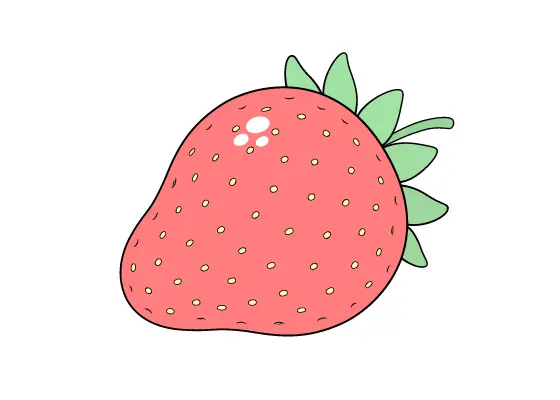
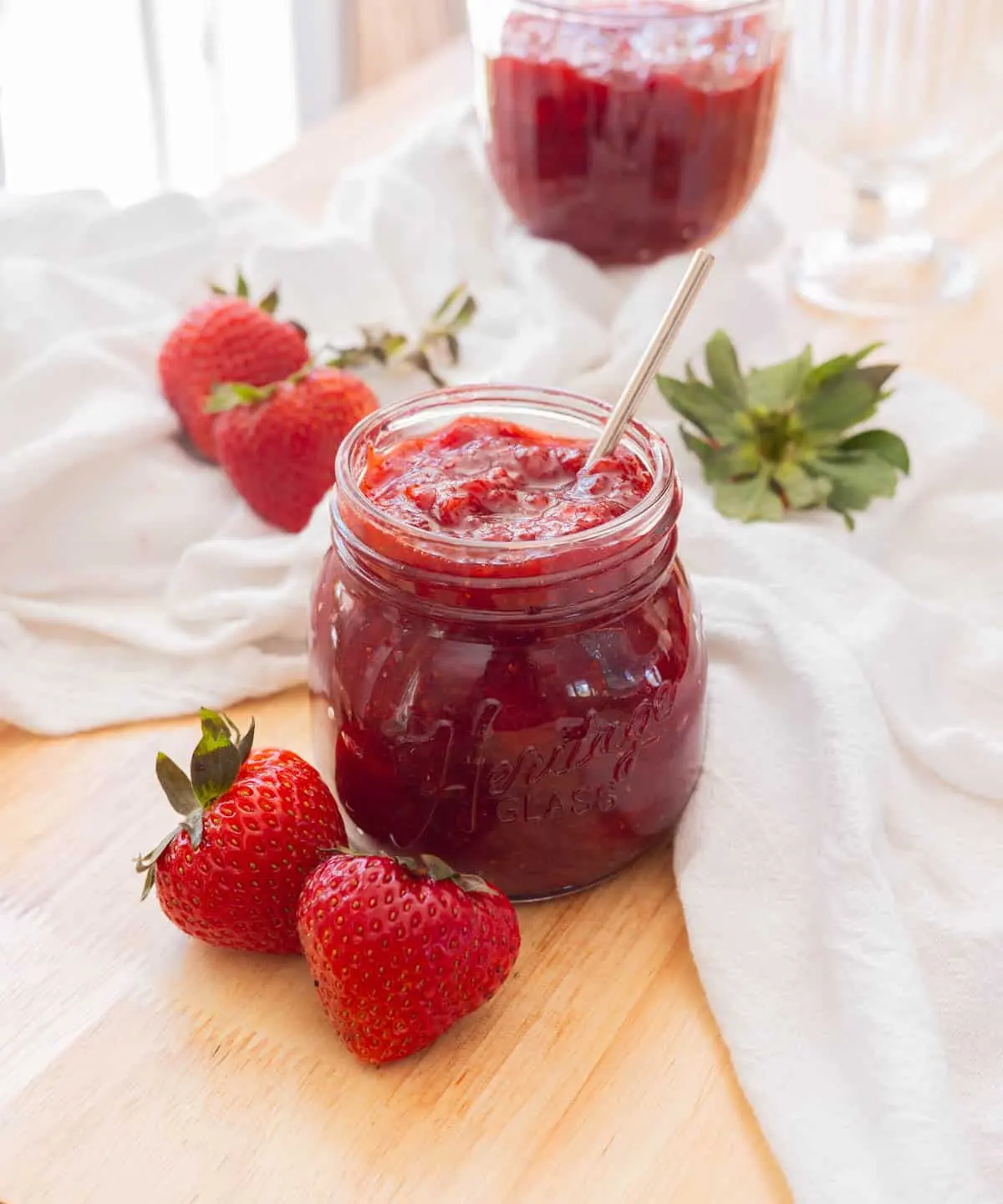
Strawberries, raspberries, and apricots are excellent choices for those new to jam making. These fruits have high natural pectin levels or release their juices easily, making them more forgiving during the boiling process. Apricots, in particular, are prized for their high pectin content, which often results in a perfect set without the need for additional commercial thickeners.
When selecting fruit, prioritize ripeness and quality. Overripe fruit contains less pectin and can lead to a weak set, while underripe fruit may be too tart and lack the necessary sugar concentration. Aim for fruit that is just at the peak of ripeness to ensure the best flavor and texture. If using low-pectin fruits like peaches or blueberries, consider adding a commercial pectin powder to guarantee a successful result.
- Strawberries: Sweet and popular, but require careful monitoring.
- Raspberries: Easy to process due to their soft structure.
- Apricots: High natural pectin makes them ideal for beginners.
- Plums: Naturally high in pectin and very reliable for setting.
Why jam doesn't set properly
The most common reason for a failed set is an incorrect balance of ingredients. If the sugar content is too low, the pectin cannot form the necessary bonds to create a gel. Conversely, if the fruit is boiled for too long, the pectin can break down, causing the jam to become syrupy and thin. Always use a reliable recipe and avoid substituting ingredients until you have mastered the basics.
Temperature is another critical factor in the setting process. Jam must reach approximately 220°F (104°C) to achieve the proper concentration of sugar and pectin. Using a candy thermometer is the most accurate way to verify this, though the "plate test" is a reliable alternative. To perform this test, place a small amount of jam on a cold saucer; if it wrinkles when pushed with your finger, the jam is ready to be jarred.
- Insufficient pectin levels in the chosen fruit variety.
- Boiling the mixture at too low a temperature.
- Adding too much water or liquid to the fruit base.
- Using a pot that is too narrow, which inhibits evaporation.
Common mistakes when making jam
One of the most frequent errors is failing to sterilize jars properly. Even if the jam is boiled correctly, it can spoil quickly if the storage containers harbor bacteria or mold spores. Always boil your jars in water for at least 10 minutes or use a high-heat dishwasher cycle before filling them. Additionally, ensure the lids are clean and free of any debris that could prevent a vacuum seal from forming.
Another mistake is over-stirring the jam toward the end of the cooking process. While stirring is necessary to prevent burning, excessive agitation can interfere with the gel structure as it begins to form. Once the jam reaches the setting point, remove it from the heat immediately to prevent the texture from becoming gummy or overly firm. Proper cooling is also essential; let the jars sit undisturbed for at least 12 hours to allow the final set to stabilize completely.
Key facts
- Jam is a mixture of fruit, sugar, and pectin that is boiled until it reaches a gelled consistency.
- Pectin is a natural carbohydrate found in fruit cell walls that acts as the primary thickening agent.
- A standard ratio for jam is equal parts fruit and sugar by weight to ensure proper preservation and set.
- The ideal setting point for most jams occurs at 220°F (104.4°C) at sea level.
- High-acid fruits like strawberries or raspberries may require added commercial pectin to set firmly.
- Sterilizing glass jars in boiling water for 10 minutes is essential to prevent bacterial growth and spoilage.
The bottom line
Making jam is a precise chemical process that balances fruit acidity, sugar content, and pectin to achieve a stable gel. By following a tested recipe and ensuring proper sterilization, you can safely preserve seasonal fruit for months. The key is monitoring the temperature carefully and verifying the set before canning. With patience and attention to detail, you can create delicious, shelf-stable spreads in your own kitchen.
People also ask
What is the difference between jam and jelly?
Jam is made from crushed or chopped fruit, providing a textured spread. Jelly is made exclusively from strained fruit juice, resulting in a clear, firm product without fruit solids.
Can I reduce the amount of sugar in my jam recipe?
Sugar is vital for both preservation and the chemical reaction required for pectin to gel. Reducing sugar without using a specific "low-sugar" pectin formula will likely result in a runny, unstable product.
How do I know if my jam has reached the setting point?
Place a small plate in the freezer before you begin cooking. When you think the jam is ready, drop a teaspoon of it onto the cold plate; if it wrinkles when pushed with your finger, it is set.
Why did my jam turn out moldy after a few weeks?
This usually happens because the jars were not properly sterilized or the lid seal failed during the cooling process. Always ensure jars are hot, clean, and processed in a boiling water bath to create a vacuum seal.
What should I do if my jam is too runny?
You can re-boil the jam with a small amount of additional pectin or lemon juice. However, it is often easier to simply label it as a fruit sauce or ice cream topping.
How long can homemade jam be stored?
Properly canned and sealed jam can be stored in a cool, dark place for up to one year. Once opened, it must be refrigerated and should be consumed within three to four weeks.
This answer was created with the help of AI research tools and reference sources. Spotted an error? Let us know — we correct mistakes quickly. See our editorial policy.