Where do earthworms live?
Short answer
Earthworms live primarily in moist, organic-rich soil across most terrestrial environments worldwide. They thrive in temperate and tropical regions, inhabiting various soil layers ranging from the surface litter to deep underground burrows. These invertebrates require consistent moisture and decaying organic matter to survive, making gardens, forests, and agricultural fields ideal habitats.
On this page
Where do earthworms live in the soil?
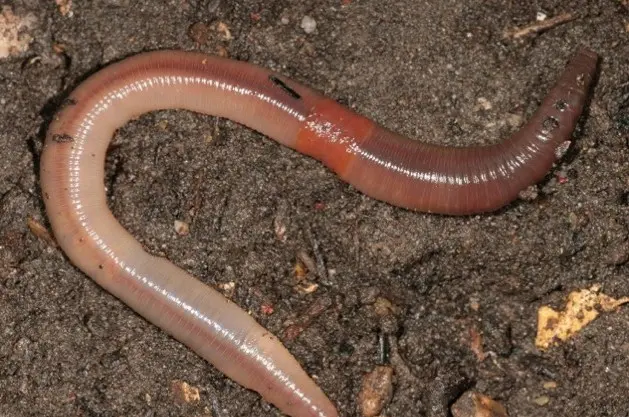
Earthworms are classified by their ecological niches, which dictate exactly where they live within the soil profile. Epigeic species reside near the surface, living within leaf litter and decaying organic debris. Because they do not burrow deep into the mineral soil, they are highly sensitive to temperature fluctuations and drying conditions. You will often find these worms under logs, rocks, or thick layers of mulch where moisture remains trapped.
Endogeic worms, by contrast, live within the upper layers of the mineral soil. They create horizontal, branching burrows as they consume soil and organic matter, rarely coming to the surface. Anecic worms are the deep-dwellers, constructing permanent vertical burrows that can extend several feet underground. These worms emerge at night to drag surface debris, such as fallen leaves, into their tunnels for consumption. Their distribution is typically determined by the following environmental factors:
- Soil moisture levels: They require damp conditions to breathe through their skin.
- Organic matter availability: High concentrations of decaying plant material attract larger populations.
- Soil pH: Most species prefer neutral to slightly acidic soil conditions to thrive.
- Temperature stability: Deep burrows provide a refuge from extreme heat or freezing surface temperatures.
How to create a habitat for earthworms
If you want to encourage earthworm populations in your garden, you must provide a consistent supply of food and protection. The most effective way to attract them is to maintain a thick layer of organic mulch, such as straw, wood chips, or compost. This layer acts as an insulating blanket, keeping the soil cool and moist while providing a steady food source as the material breaks down. Avoid using synthetic chemical fertilizers or pesticides, as these substances can be toxic to earthworms and disrupt their delicate skin.
To successfully foster a healthy worm population, follow these steps:
- Apply a 2-to-3-inch layer of organic compost or leaf mold over your garden beds.
- Keep the soil consistently moist, especially during hot, dry summer months.
- Minimize mechanical tilling, which destroys established burrow systems and physically harms the worms.
- Plant cover crops during the off-season to ensure the soil remains protected and aerated.
By providing these conditions, you will notice an increase in soil aeration and nutrient cycling, which are the primary benefits of having earthworms in your landscape.
Why earthworms leave their burrows
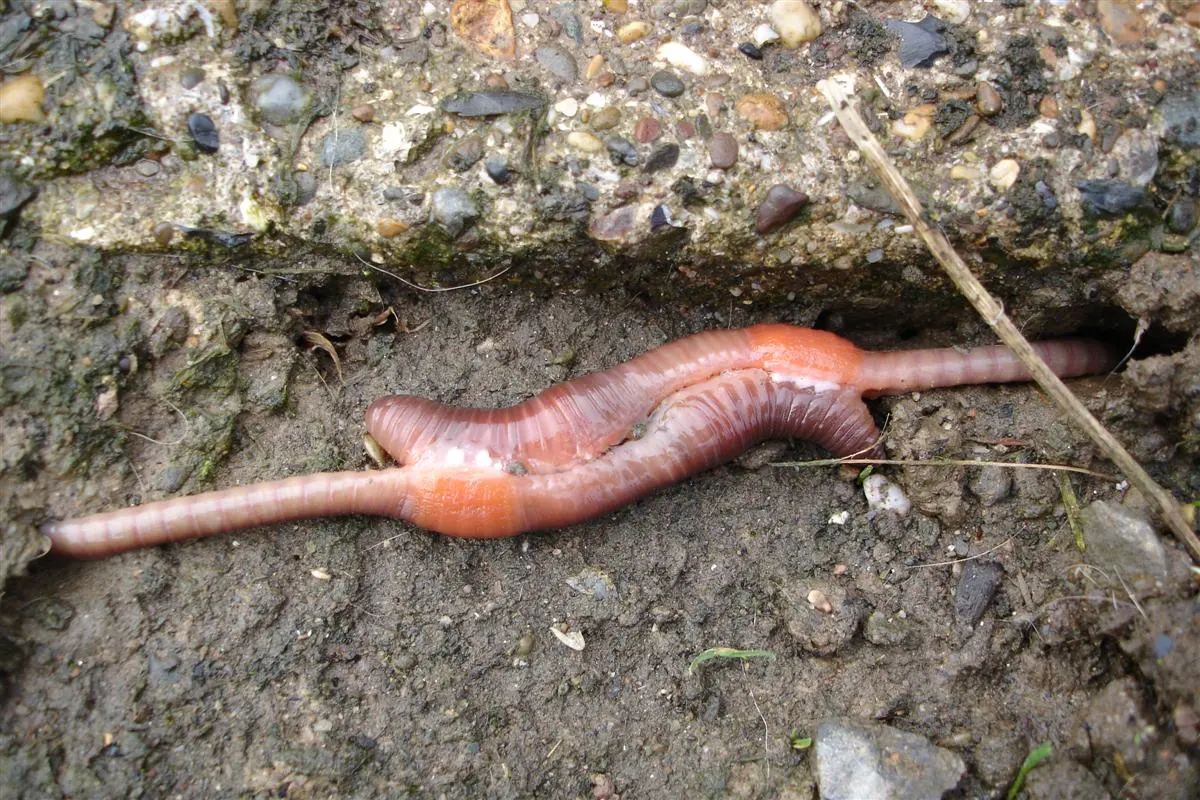
Earthworms are often seen on sidewalks or driveways after heavy rain, a phenomenon that has sparked many myths. Contrary to popular belief, they do not emerge because they are drowning; earthworms can survive underwater for several days. Instead, they surface to take advantage of the wet conditions to travel across the ground, which allows them to migrate to new locations or find mates without the risk of drying out. The moisture on the surface acts as a protective film that prevents their skin from dehydrating.
However, surface migration is incredibly dangerous for earthworms. Without the protection of the soil, they are highly vulnerable to predators like birds and amphibians. Furthermore, if the rain stops and the sun comes out, the worms may become trapped on pavement or dry soil, leading to rapid desiccation and death. This is why you frequently see them stranded on concrete paths once the weather clears. Understanding this behavior helps explain why these creatures are so dependent on the specific microclimates found within the earth.
Common mistakes when managing worm habitats
Many gardeners inadvertently harm their worm populations by over-managing their soil or using improper techniques. One of the most common mistakes is excessive tilling. When you turn the soil deeply and frequently, you shatter the complex network of tunnels created by anecic worms and expose them to surface predators. This disruption forces the worms to expend significant energy rebuilding their homes, which reduces their overall reproduction rates and slows down the decomposition process in your garden.
Another frequent error is the improper application of soil amendments. While organic matter is beneficial, adding large amounts of fresh, uncomposted manure or highly acidic materials can alter the soil chemistry too rapidly. This can create a toxic environment that drives worms away or kills them outright. To avoid these issues, always ensure that any added organic matter is well-composted and aged. Additionally, avoid walking on garden beds, as soil compaction limits the oxygen availability that worms need to survive, effectively suffocating them in their own burrows.
How long do earthworms stay in one place?
Earthworms are generally sedentary creatures, often spending their entire lives within a relatively small area of a few square meters. As long as the environment provides sufficient food, moisture, and protection from predators, they have little incentive to move. Their movement is primarily driven by the depletion of local food resources or extreme environmental stressors like prolonged drought or flooding. In stable environments, such as undisturbed forest floors or well-maintained garden beds, a single worm can inhabit the same burrow system for months or even years.
Because they are so site-specific, earthworms are excellent indicators of soil health. If you dig into a patch of soil and find a diverse population of different species, it is a strong sign that the ecosystem is functioning well. Conversely, a lack of worms often indicates that the soil is too compacted, too dry, or contaminated with chemicals. By observing where earthworms choose to live in your own backyard, you gain valuable insights into the quality of your soil and the overall sustainability of your local environment.
Key facts
- Earthworms inhabit the top 6 to 12 inches of soil, where organic matter is most abundant.
- They require moist environments because they breathe through their skin, which must remain damp to absorb oxygen.
- Soil pH levels between 5.0 and 8.0 are ideal for most common earthworm species to thrive.
- Earthworms avoid direct sunlight, which can dehydrate and kill them within minutes.
- They create complex burrow systems that can reach depths of up to 6 feet in some species.
- To attract worms to your garden, add organic mulch or compost, which provides both food and insulation.
The bottom line
Earthworms are vital ecosystem engineers that reside primarily in moist, nutrient-rich soil layers. By creating intricate burrows, they aerate the earth and improve water infiltration, which benefits plant growth significantly. To support these creatures in your own garden, focus on maintaining high organic matter content and consistent soil moisture. Protecting their habitat from extreme dryness and chemical pesticides ensures a healthy, self-sustaining soil environment for years.
People also ask
Do earthworms live in all types of soil?
No, earthworms generally avoid extremely sandy or waterlogged soils. They prefer loamy soil that is rich in organic material and has good drainage.
Can earthworms survive in potted plants?
Yes, but only if the pot is large enough to maintain consistent moisture and contains nutrient-rich potting mix. If the soil dries out completely, the worms will likely die or attempt to escape.
How do earthworms survive during the winter?
As temperatures drop, earthworms migrate deeper into the soil, often below the frost line. They enter a state of dormancy called diapause to conserve energy until spring.
Are all earthworms native to North America?
Many common earthworm species found in North American gardens today were introduced from Europe by early settlers. Native species were largely wiped out by glaciers during the last ice age.
Can I keep earthworms in a bin indoors?
You can keep worms in a vermicomposting bin, which is a controlled environment for recycling kitchen scraps. Ensure the bin has ventilation and is kept in a dark, temperate location.
Why do worms come to the surface after heavy rain?
While it is a common myth that they are drowning, they actually surface to travel across the wet ground to find new mates or food. However, they must be careful to avoid predators and the drying sun.
This answer was created with the help of AI research tools and reference sources. Spotted an error? Let us know — we correct mistakes quickly. See our editorial policy.