What do earthworms eat?
Short answer
Earthworms are detritivores that primarily consume decaying organic matter found in soil. Their diet consists of decomposing leaves, plant roots, grass clippings, manure, and microorganisms like bacteria and fungi. They ingest these materials along with soil particles, which aid in grinding the food within their muscular gizzards for efficient nutrient absorption.
On this page
What do earthworms eat in the wild?
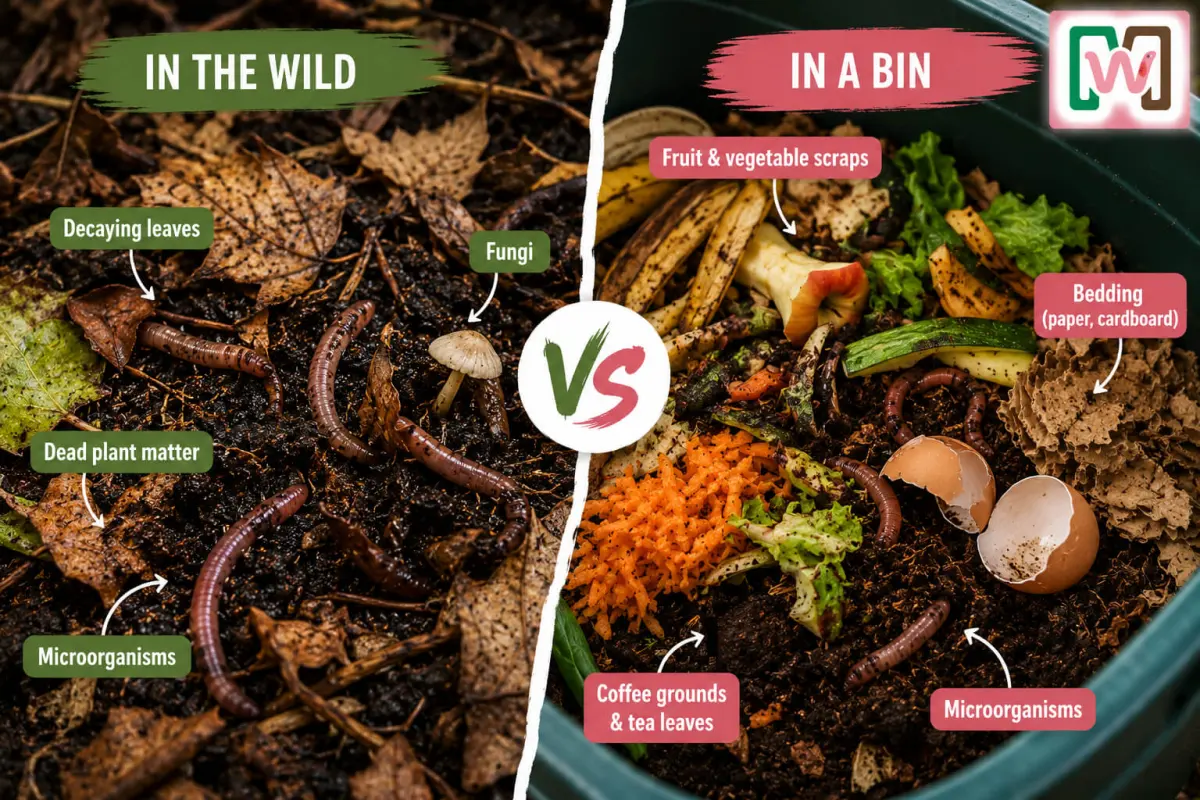
In natural ecosystems, earthworms act as nature’s primary recyclers by breaking down surface debris. They feed on a variety of organic materials, including fallen leaves, twigs, and dead plant matter that accumulates on the forest floor or meadow surface. As they burrow, they also consume soil that is rich in microscopic organisms, such as bacteria, protozoa, and fungi, which provide essential proteins and nutrients.
The feeding process is highly opportunistic, meaning they consume whatever organic matter is most accessible in their immediate environment. By pulling decaying leaves into their burrows, they create a protected space to feed while simultaneously enriching the soil with their nutrient-dense castings. This cycle of consumption and waste production is vital for soil aeration and the long-term fertility of terrestrial habitats worldwide.
How to feed earthworms in a compost bin
When managing a vermicomposting system, providing the right balance of "greens" and "browns" is essential for a healthy worm population. Greens provide nitrogen and moisture, while browns offer carbon and structure. To maintain an efficient system, follow these guidelines:
- Vegetable scraps: Carrot peels, cucumber ends, and lettuce leaves.
- Fruit remains: Apple cores, banana peels, and melon rinds.
- Carbon sources: Shredded newspaper, cardboard, and dried leaves.
- Coffee grounds: Used grounds and paper filters are excellent additions.
Avoid adding meat, dairy, oily foods, or highly acidic items like citrus peels and onions in large quantities. These materials can attract pests, create foul odors, or alter the pH level of the bin to a point where the worms can no longer thrive. Always chop food into small pieces to increase the surface area, allowing the worms to process the material much faster.
Why do earthworms need grit to digest food?
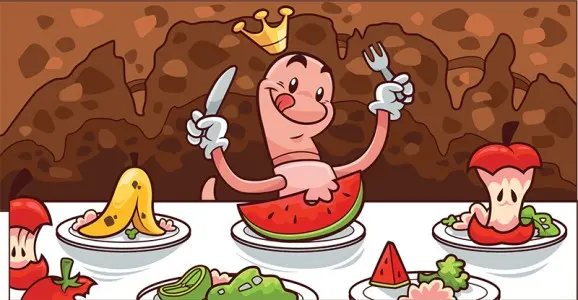
Earthworms lack teeth, so they cannot chew their food in the traditional sense. Instead, they rely on a specialized organ called the gizzard, which functions similarly to the stomach of a bird. To grind down tough plant fibers, they must ingest small particles of sand, silt, or soil, which act as abrasive agents within the gizzard.
Without this grit, the worm’s digestive system would struggle to break down complex cellulose found in leaves and stems. This process is highly efficient, turning raw organic waste into vermicompost, which is essentially concentrated worm manure. Gardeners often add a small amount of finely crushed eggshells or agricultural sand to a worm bin to ensure the worms have enough grit to process their food effectively.
Common mistakes when feeding earthworms
Many beginners make the mistake of overfeeding their worms, which is one of the most frequent causes of bin failure. When too much food is added at once, it begins to rot before the worms can consume it, leading to anaerobic conditions and unpleasant smells. If you notice uneaten food from the previous week, stop adding new scraps until the current supply is fully processed.
- Check the moisture level: If the bin is too wet, add more shredded cardboard to absorb excess liquid.
- Monitor the temperature: Keep the bin between 55 and 75 degrees Fahrenheit for optimal feeding activity.
- Observe the worms: If they are constantly trying to escape the bin, the environment is likely too acidic or poorly ventilated.
- Rotate feeding spots: Bury food in different corners of the bin each time to encourage the worms to move and aerate the entire container.
How long does it take for earthworms to eat food?
The speed at which earthworms consume organic matter depends on the temperature, the species of worm, and the type of food provided. In ideal conditions, a healthy population of red wigglers can consume roughly half their body weight in food every single day. Soft, nitrogen-rich materials like banana peels or cooked vegetables are broken down much faster than woody stems or thick cardboard.
In a typical home compost bin, you can expect most soft vegetable scraps to disappear within one to two weeks. Harder materials, such as corn cobs or avocado pits, may take several months to fully decompose. Because earthworms are cold-blooded, their metabolism slows down significantly during the winter months, meaning they will eat much less during cold weather. Patience is key; as long as the bin remains moist and the food is not rotting, the worms will eventually process all the organic material provided to them.
Key facts
- Earthworms are detritivores, meaning they primarily consume decaying organic matter like fallen leaves, grass clippings, and plant roots.
- A single earthworm can consume its own body weight in organic material every 24 hours under ideal conditions.
- They possess a muscular gizzard that uses small particles of sand or grit to grind food into smaller pieces for digestion.
- Earthworms avoid highly acidic foods like citrus peels, onions, and garlic, which can harm their sensitive skin and digestive tracts.
- They thrive on "browns" like shredded cardboard and dried leaves, which provide essential carbon, mixed with "greens" like vegetable scraps.
- Overfeeding is a common mistake; if food remains on the surface for more than a few days, it can attract pests or cause foul odors.
The bottom line
Earthworms are nature’s primary recyclers, turning decaying plant matter and kitchen scraps into nutrient-rich castings that fertilize the soil. By providing a balanced diet of carbon-rich browns and nitrogen-rich greens, you can maintain a healthy worm population. Always avoid acidic or fatty foods, keep the environment consistently moist, and ensure your worms are not overfed to maintain a productive and odor-free composting system.
People also ask
Do earthworms eat live plant roots?
Most common earthworm species, such as the red wiggler, do not eat healthy, living plant roots. They prefer decaying organic matter, though some larger deep-burrowing species may occasionally nibble on soft, young seedlings.
Can earthworms eat meat or dairy products?
You should avoid feeding earthworms meat, dairy, or oily foods. These items take a long time to break down, produce strong odors, and attract unwanted pests like rodents or fruit flies to your compost bin.
Do earthworms need water to digest their food?
Earthworms require a moist environment to breathe through their skin and process their food. If their living space becomes too dry, they will stop eating and may eventually die or migrate away.
How small should I chop food scraps for worms?
While earthworms have no teeth, they find it easier to consume smaller pieces of food. Chopping scraps into one-inch chunks or smaller significantly speeds up the decomposition process in a worm bin.
Do earthworms eat paper?
Yes, earthworms consume non-glossy, shredded paper and cardboard. These materials are excellent sources of carbon, but you must ensure they are free of toxic inks or plastic coatings.
Will coffee grounds harm earthworms?
Used coffee grounds are a favorite food for earthworms and provide a good nitrogen boost. However, add them in moderation, as large amounts can temporarily increase the acidity of the soil or bedding.
This answer was created with the help of AI research tools and reference sources. Spotted an error? Let us know — we correct mistakes quickly. See our editorial policy.