Where do sea stars live?
Short answer
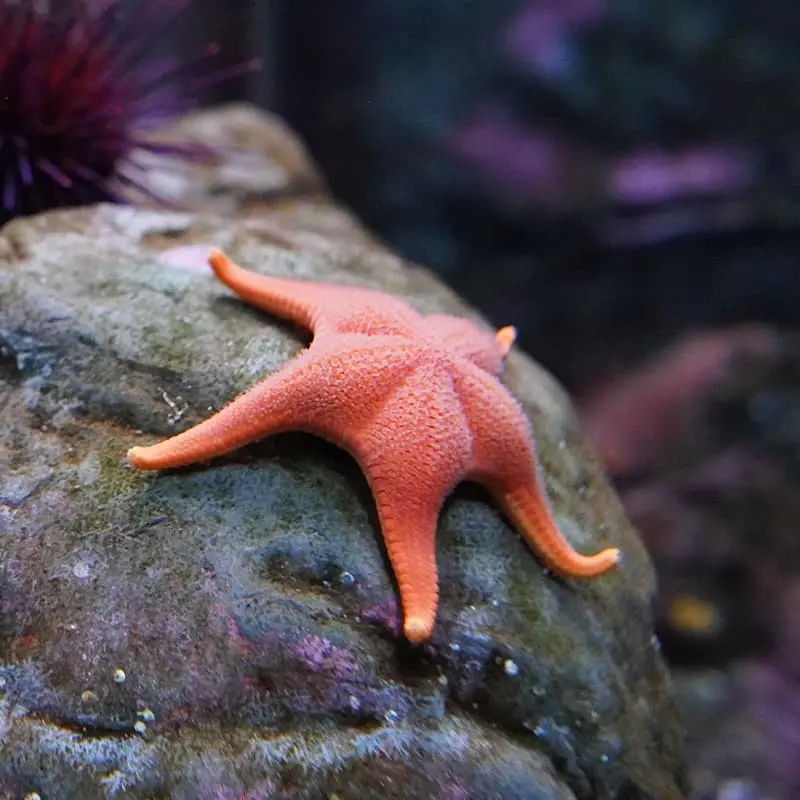
Sea stars, or starfish, inhabit every ocean on Earth, from tropical coral reefs to the freezing depths of the Arctic and Antarctic. They are exclusively marine animals, thriving in diverse environments ranging from the intertidal zone to the abyssal plains, often found clinging to rocky surfaces, sandy bottoms, or seagrass beds.
On this page
Where do sea stars live in the ocean?
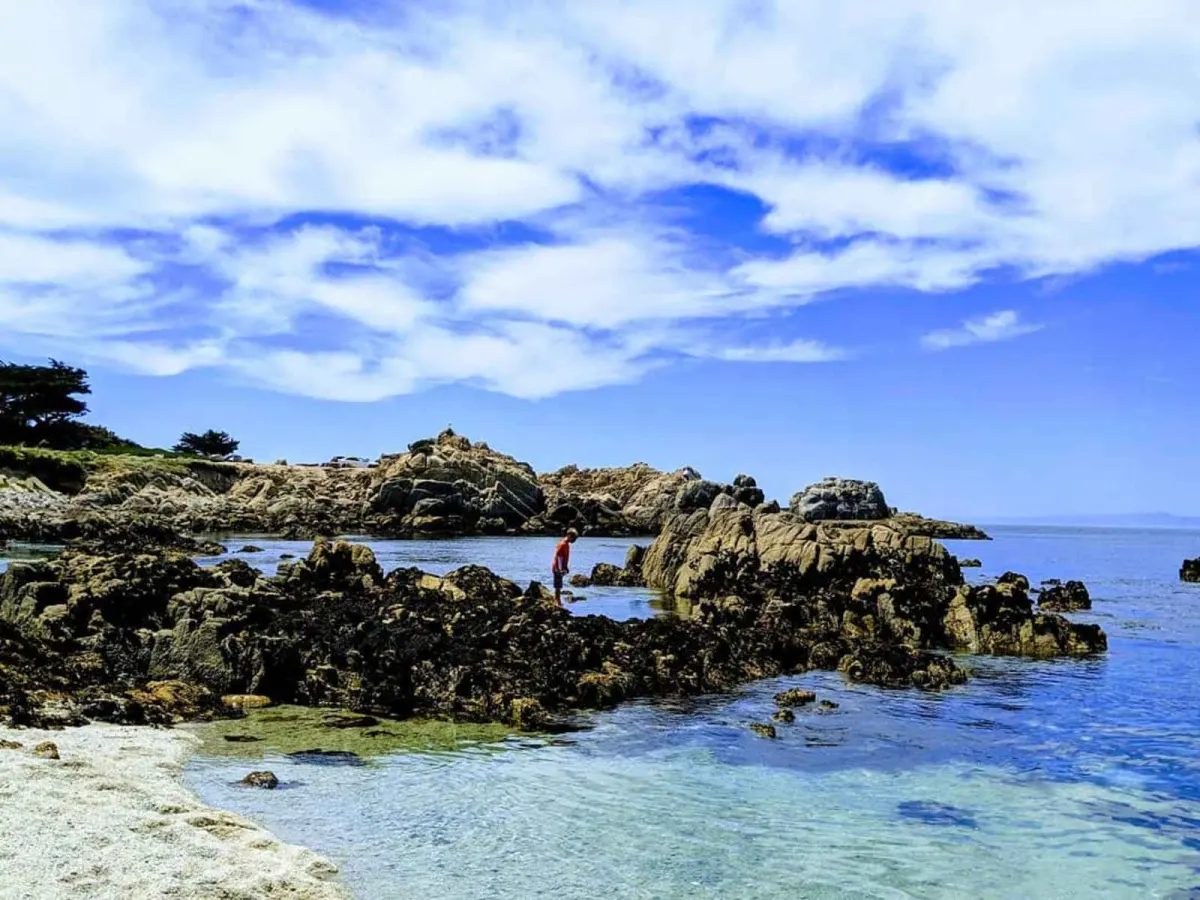
Sea stars are found in every marine habitat across the globe, spanning from the shoreline to depths exceeding 20,000 feet. While they are most commonly associated with shallow, rocky tide pools, many species are highly specialized for life in deeper, darker environments. They occupy various substrates, including hard rocky reefs, soft sandy or muddy sea floors, and even kelp forests. Because they lack a complex circulatory system, they rely on the surrounding seawater to facilitate gas exchange, which dictates their distribution.
Their global presence is divided into two primary zones: the intertidal region and the deep sea. In the intertidal zone, species like the ochre sea star (Pisaster ochraceus) must endure the rhythmic cycle of tides, exposing them to both air and water. In contrast, deep-sea species live in constant darkness and high pressure, often displaying unique adaptations to survive in the nutrient-poor conditions of the ocean floor. Regardless of the depth, they remain strictly confined to salt water environments.
How to find sea stars in tide pools
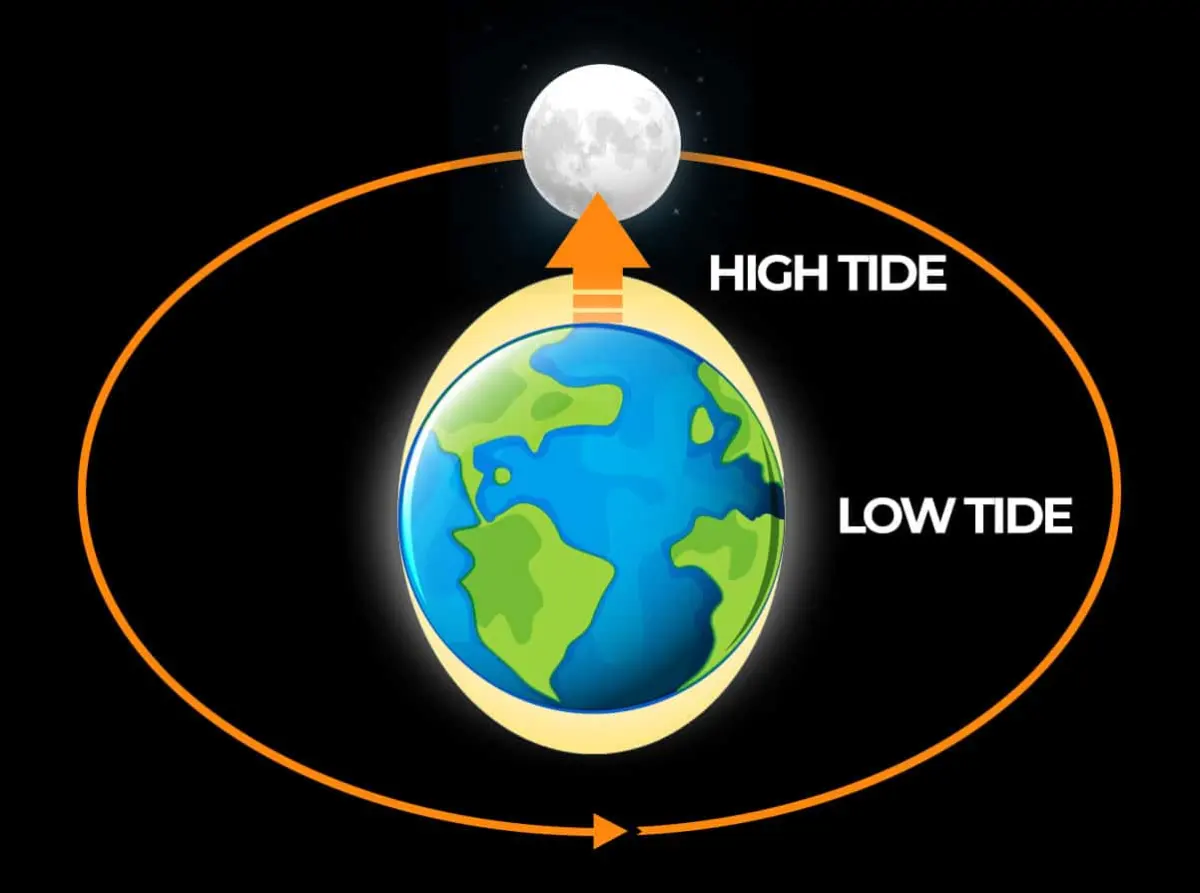
Finding sea stars in the wild requires patience and an understanding of tidal patterns. The best time to search is during a "minus tide," which occurs when the water level recedes further than usual, exposing more of the rocky shoreline. Look for them in areas with high wave action, as these zones are rich in the mussels and barnacles that many sea stars consume. Always check the undersides of rocks and within deep crevices where they hide to avoid drying out during low tide.
When searching for these animals, follow these steps to ensure you do not harm them or their habitat:
- Check the local tide charts online to identify the lowest tide times for your specific beach.
- Wear sturdy, non-slip footwear to navigate slippery rocks safely.
- Look for colorful clusters in shaded areas or deep pools that remain filled with water.
- Scan the rocks carefully, as many species are masters of camouflage and blend perfectly with their surroundings.
Why do sea stars live in specific zones?
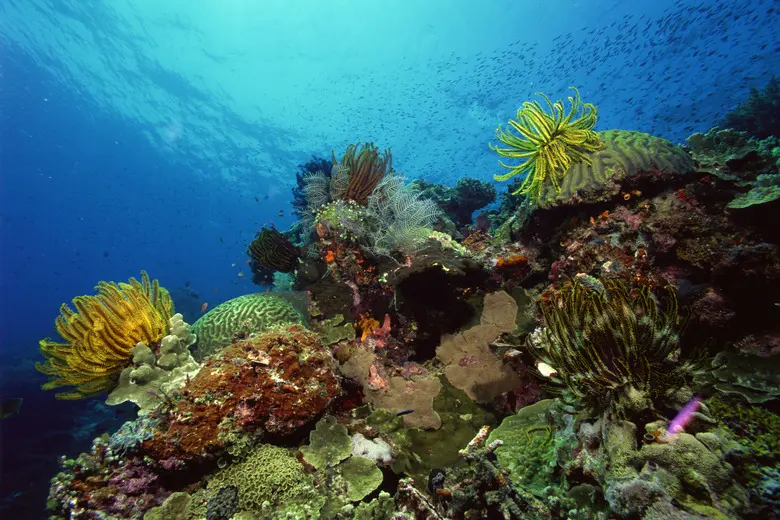
The distribution of sea stars is largely determined by their need for specific environmental conditions, such as water temperature, salinity, and prey availability. Most species are stenohaline, meaning they cannot tolerate significant changes in salt concentration, which is why they are never found in freshwater lakes or rivers. Some species prefer the cold, nutrient-rich waters of the Pacific Northwest, while others, such as the crown-of-thorns starfish, thrive in the warm, tropical temperatures of the Indo-Pacific coral reefs.
Competition and predation also play significant roles in where these animals choose to settle. In many ecosystems, sea stars act as keystone species, controlling the populations of mussels or sea urchins. If a sea star is removed from its preferred zone, the entire local ecosystem can shift drastically. They must balance their need to be near food sources with the necessity of avoiding their own predators, such as larger fish, crabs, or even other sea stars that may prey upon them.
Common mistakes when looking for sea stars
One of the most frequent errors observers make is attempting to remove a sea star from its attachment point. These animals use hundreds of tiny tube feet to create a powerful suction grip on rocks. If you pull on a sea star, you risk tearing its delicate tissues or damaging its tube feet, which can be fatal. Another common mistake is exposing them to the air for too long. While they can survive short periods out of water, extended exposure causes them to dehydrate rapidly, leading to organ failure.
Avoid these common pitfalls to keep the animals safe:
- Never pry a sea star off a rock; if it is suctioned down, leave it undisturbed.
- Do not move a sea star from a tide pool to another location, as they are adapted to specific local conditions.
- Avoid touching their surface if you have sunscreen or insect repellent on your hands, as chemicals can be toxic to their permeable skin.
- Do not flip them over to get a better look at their mouth, as this can stress the animal and disrupt its orientation.
What is the best habitat for sea stars?
The "best" habitat is subjective, as different species have evolved to master vastly different niches. For many, the ideal environment provides a stable, rocky surface that offers protection from heavy surf while remaining submerged enough to prevent desiccation. These rocky habitats are highly productive, offering an abundance of prey. Conversely, soft-bottom habitats like sandy plains are preferred by species such as the sand star, which uses its specialized tube feet to burrow into the sediment for protection and to hunt for buried clams.
Ultimately, the most successful habitats are those that provide a consistent supply of oxygenated water and a steady food source. Whether it is a vibrant coral reef teeming with life or a cold, desolate trench in the deep ocean, sea stars have demonstrated an incredible evolutionary ability to colonize almost every corner of the marine world. Their long-term survival depends on the health of these diverse ecosystems, which remain the only places on Earth where these fascinating echinoderms can thrive.
Key facts
- Sea stars inhabit every ocean on Earth, from the warm waters of the equator to the freezing depths of the Arctic and Antarctic.
- They are exclusively marine animals and cannot survive in freshwater lakes or rivers.
- Most species live on the seafloor, clinging to rocks, coral reefs, or sandy bottoms using their tube feet.
- While many reside in shallow intertidal zones, some deep-sea species thrive at depths exceeding 20,000 feet.
- Avoid picking up sea stars in tide pools, as exposure to air and oils from human skin can stress or harm them.
- If you find a sea star on the beach, gently return it to the water near the low-tide line rather than placing it in a tide pool that might dry out.
The bottom line
Sea stars are incredibly resilient creatures that occupy diverse marine environments across the globe, ranging from sunlit coastal tide pools to the dark, crushing pressures of the deep sea. Regardless of where they are found, these echinoderms rely on saltwater and stable habitats to survive. Understanding their need for moisture and specific substrates is essential for anyone hoping to observe these fascinating animals in their natural homes.
People also ask
Do sea stars live in freshwater?
No, sea stars are strictly marine organisms. They require the high salinity of ocean water to maintain their internal fluid balance and cannot survive in freshwater environments.
Can sea stars live out of water?
Sea stars can survive for short periods out of water if their gills remain moist, but they will quickly suffocate once they dry out. It is best to keep them submerged at all times to ensure their health.
Are sea stars found in coral reefs?
Yes, many species of sea stars, such as the crown-of-thorns, are common inhabitants of coral reefs. They play a complex role in these ecosystems by preying on coral polyps or other reef organisms.
How deep can sea stars live?
Sea stars have a remarkable vertical range, with some species living in the shallow intertidal zone and others residing in the abyssal zone. Certain species have been documented at depths of over 6,000 meters in the deep ocean.
Do sea stars migrate?
Most sea stars do not perform long-distance migrations, but they do move locally to find food or better environmental conditions. They generally stay within a specific habitat range where prey is abundant.
Why do sea stars prefer rocky surfaces?
Rocky surfaces provide excellent grip for a sea star's tube feet, allowing them to withstand strong waves and currents. These surfaces also often host a variety of prey, such as mussels and barnacles.
This answer was created with the help of AI research tools and reference sources. Spotted an error? Let us know — we correct mistakes quickly. See our editorial policy.