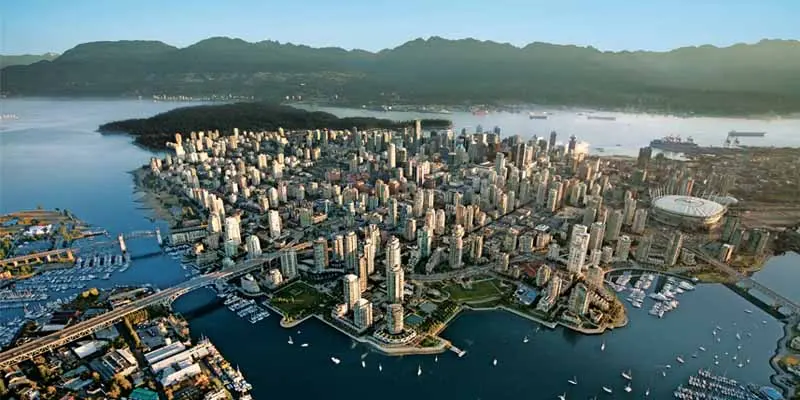
Where can you see the sunset in Vancouver?
Short answer
Vancouver offers spectacular sunset views from its extensive western-facing coastline. Popular spots include English Bay Beach, Stanley Park’s seawall, and Kitsilano Beach. For elevated perspectives, head to Queen Elizabeth Park or the Cypress Mountain lookout. These locations provide unobstructed views of the Strait of Georgia and the distant Vancouver Island mountain ranges.
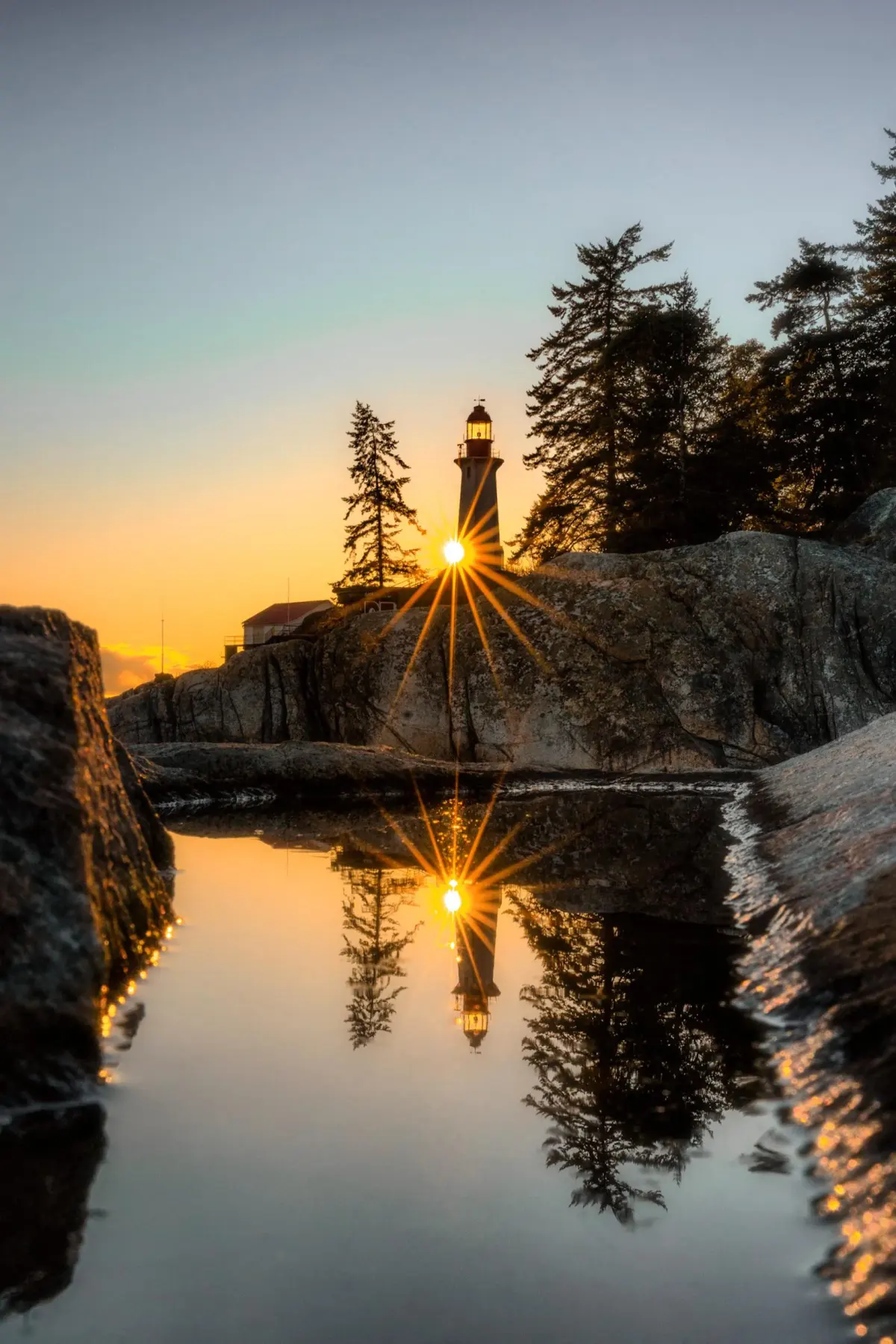
On this page
Where are the best places to watch the sunset in Vancouver?
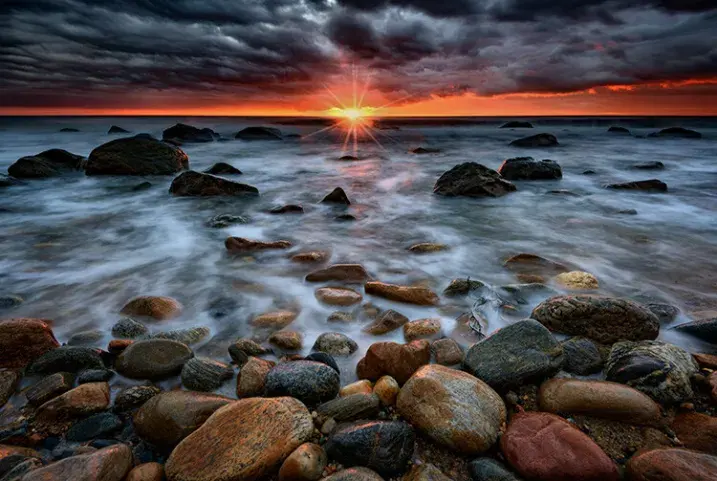
The most iconic sunset experiences in Vancouver are found along the city's western beaches. English Bay Beach is the most accessible choice, offering a wide sandy shoreline where the sun dips directly into the Pacific horizon. Further north, the Stanley Park seawall provides numerous clearings, such as Third Beach or the Siwash Rock lookout, which frame the sunset against the backdrop of ancient cedar trees and rugged cliffs.
For those seeking a more local atmosphere, Kitsilano Beach is a premier destination. The park features a large grassy area perfect for picnics, while the shoreline offers a panoramic view of the downtown skyline silhouetted against the fading light. If you prefer a vantage point high above the city, consider these locations:
- Queen Elizabeth Park: Offers the highest point in the city with 360-degree views.
- Cypress Mountain Lookout: Provides a dramatic perspective of the entire Burrard Inlet.
- Prospect Point: Located in Stanley Park, it overlooks the Lions Gate Bridge and the ocean.
When is the best time of year for sunsets?
While Vancouver enjoys beautiful sunsets year-round, the quality of light changes significantly with the seasons. During the summer months of June and July, the sun sets late, often after 9:00 PM, providing long, golden evenings perfect for outdoor dining. Because the sun sets further north during this time, the light hits the coastal mountains at a sharp angle, creating vibrant pink and orange hues.
In contrast, winter sunsets occur much earlier, often between 4:15 PM and 5:00 PM. While the days are shorter, the winter atmosphere often brings clearer skies and lower humidity, which can result in more intense, crisp colors. The transition months of September and October are often considered the sweet spot for photography. During this period, the air remains relatively clear, and the sun sets at a more convenient hour, allowing for comfortable viewing without the intense heat of mid-summer.
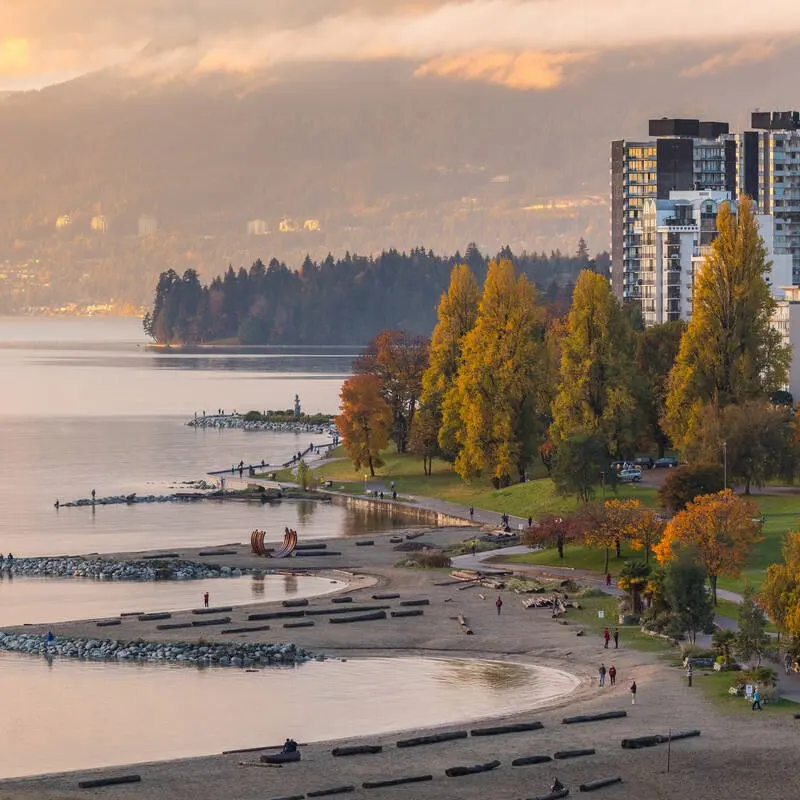
How to plan a sunset trip to the beach
Planning a successful sunset outing requires checking the local tide charts and weather forecasts. Vancouver’s coastal weather can shift rapidly, and low-hanging clouds often obscure the horizon even on otherwise sunny days. It is advisable to arrive at your chosen location at least 45 minutes before the official sunset time to secure a parking spot or a comfortable patch of sand.
Follow these steps to ensure a smooth experience:
- Check the official sunset time for Vancouver on a weather app or website.
- Pack a light jacket, as temperatures drop rapidly once the sun disappears behind the mountains.
- Bring a blanket or portable chairs, as benches fill up quickly during peak summer weekends.
- Verify parking availability, as popular spots like English Bay often have limited street parking during golden hour.
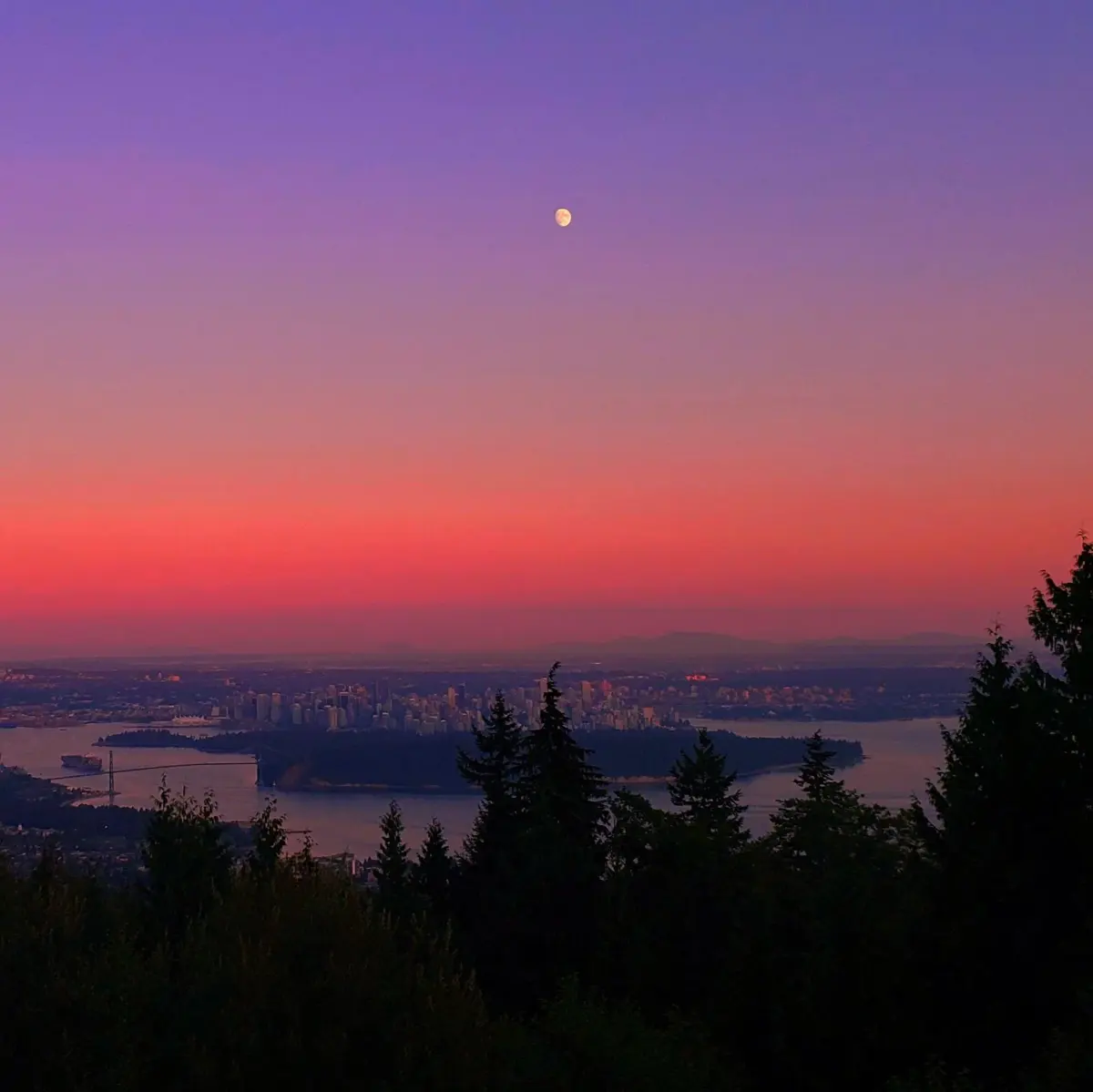
Why do sunsets look different in Vancouver?
The unique visual quality of a Vancouver sunset is largely due to the city’s geography. The presence of the North Shore Mountains creates a dramatic frame for the horizon, while the surrounding water reflects the shifting colors of the sky. As the sun descends, the light must travel through a thicker layer of the atmosphere, scattering shorter blue wavelengths and allowing the longer red and orange wavelengths to dominate the visual spectrum.
Furthermore, the maritime climate plays a crucial role in light diffusion. Particles in the air, such as sea salt or light mist, can scatter light in ways that intensify the colors, often resulting in the "burning" effect frequently seen over the Strait of Georgia. This atmospheric layering is why even partially cloudy days can produce the most spectacular displays, as the clouds catch the light from below, turning from grey to brilliant shades of violet and crimson.
Common mistakes when watching the sunset
One of the most frequent errors visitors make is leaving the beach as soon as the sun disappears below the horizon. The most intense color displays, often called the "afterglow," typically occur 10 to 20 minutes after the official sunset time. Staying for this duration allows you to witness the sky transition through deep blues and purples, which is often more impressive than the initial descent.
Another common mistake is underestimating the cooling effect of the ocean breeze. Even on a warm day, the temperature can plummet by several degrees as the sun sets, making a light sweater or windbreaker essential. Additionally, avoid relying solely on public transit if you are heading to remote viewpoints like Cypress Mountain, as bus services may be infrequent or nonexistent during late hours. Always ensure you have a reliable way to return to your accommodation, especially if you are venturing away from the well-lit downtown core.
Key facts
- English Bay Beach is the most popular spot, offering unobstructed views across the Strait of Georgia.
- Sunset Beach Park features a long seawall path perfect for walking while watching the sky change colors.
- Kitsilano Beach provides a unique perspective of the sunset framed by the downtown skyline and the North Shore Mountains.
- Arrive at least 45 minutes before the official sunset time to secure a parking spot or a prime seating area.
- Bring a light jacket or blanket, as temperatures in Vancouver often drop quickly once the sun dips below the horizon.
- Check the daily sunset time via local weather apps, as it fluctuates from 4:20 p.m. in December to 9:20 p.m. in June.
The bottom line
Vancouver offers diverse sunset experiences, ranging from bustling urban beaches to serene coastal parks. To enjoy the best views, prioritize locations like English Bay or Spanish Banks, and always plan for the seasonal shift in sunset times. By arriving early and dressing in layers, you can comfortably witness the city’s transition into twilight, ensuring a memorable end to your day in this beautiful coastal landscape.
People also ask
Which beach is the least crowded for sunsets?
Locarno Beach and Spanish Banks are generally quieter than English Bay or Kitsilano. These locations offer expansive sand flats and a more relaxed atmosphere for evening viewing.
Can you see the sunset from Stanley Park?
Yes, the seawall near Third Beach or Prospect Point offers excellent vantage points. These areas provide a mix of forest scenery and open water views.
Is it better to watch the sunset from a high point or the beach?
Beaches offer a classic horizon view, while high points like Queen Elizabeth Park provide a panoramic look at the city glowing in twilight. Both experiences are distinct and highly recommended.
Are there restaurants with sunset views?
Several waterfront restaurants in Coal Harbour and Kitsilano feature floor-to-ceiling windows. Booking a table in advance is essential during the summer months to ensure a window seat.
What is the best time of year for sunsets in Vancouver?
Summer offers long, golden evenings, while autumn provides dramatic cloud formations that enhance the colors. Winter sunsets are early and often moody, making them perfect for photography.
Should I bring a camera tripod?
A tripod is helpful for long-exposure photography after the sun has set. However, for casual viewing, a smartphone camera is sufficient to capture the vibrant colors of the sky.
This answer was created with the help of AI research tools and reference sources. Spotted an error? Let us know — we correct mistakes quickly. See our editorial policy.