What do ants eat?
Short answer
Ants are opportunistic omnivores that consume a diverse diet, including nectar, seeds, fungi, insects, and household scraps. While specific nutritional needs vary by species, most ants forage for sugars to fuel their daily activity and proteins to support colony growth and larval development. Their eating habits are essential to global ecosystem health.
On this page
What do ants eat in nature?
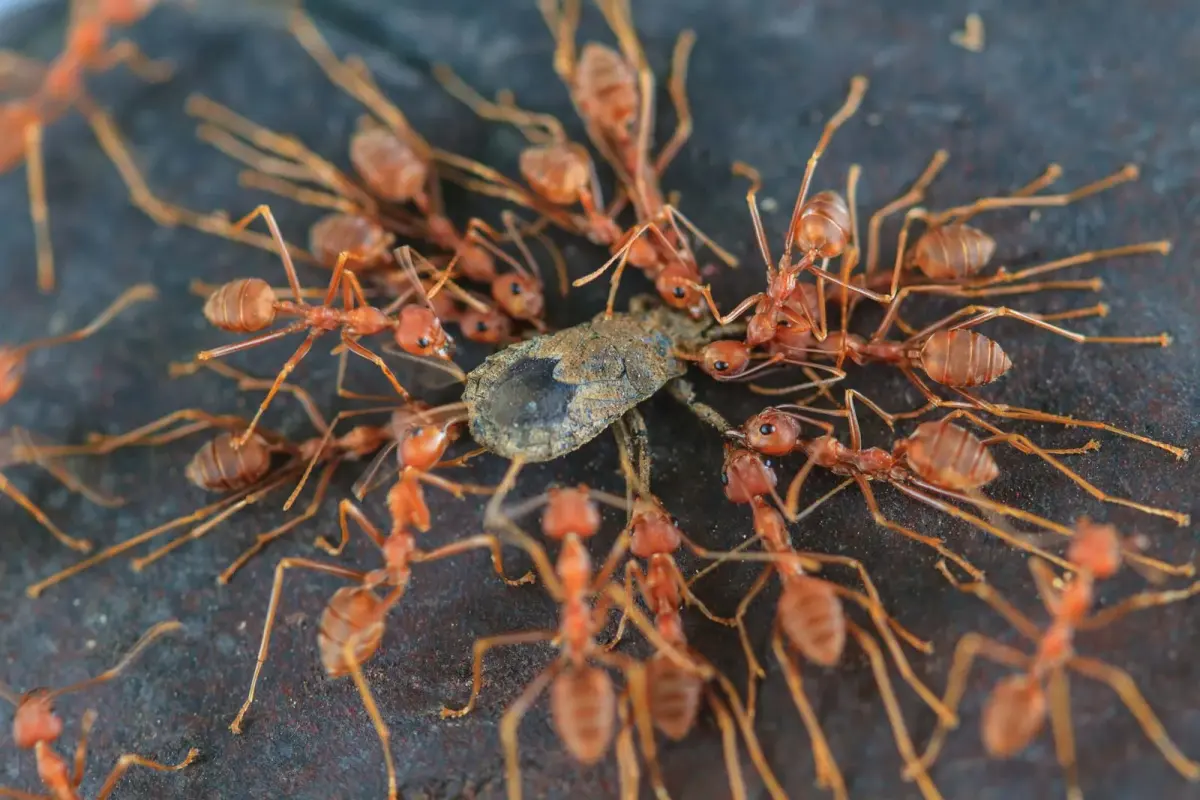
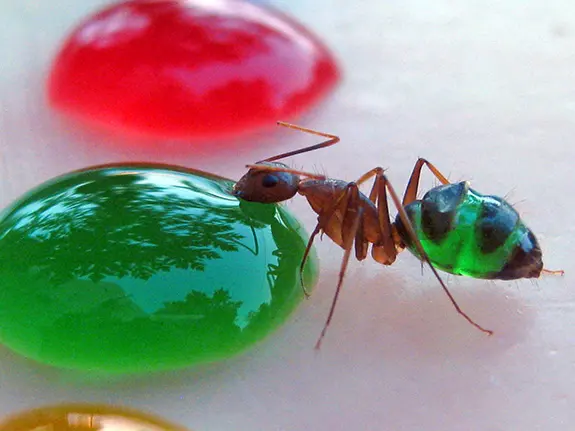
In their natural habitats, ants function as scavengers, predators, and even farmers. Most species rely on a combination of carbohydrates and proteins to sustain their massive colonies. Sugars are primarily obtained from plant nectar, fruit juices, and honeydew—a sweet, sticky substance excreted by aphids and scale insects. Ants often protect these aphids from predators to ensure a steady supply of this sugary resource.
For protein, ants hunt small insects, spiders, and other invertebrates. Some species are specialized scavengers that feed on dead animals, effectively cleaning the forest floor. A few advanced species, such as leafcutter ants, do not eat the plants they harvest directly. Instead, they use the leaves to cultivate a specific type of fungus in their underground chambers, which serves as the primary food source for the entire colony.
- Honeydew from aphids and mealybugs
- Nectar from flowers and plant glands
- Small insects and insect larvae
- Dead animal matter (carrion)
- Seeds and plant parts
How do ants find food?
Ants operate through a highly efficient system of chemical communication. When a scout ant discovers a food source, it returns to the nest while laying down a pheromone trail. Other workers detect these chemical signals with their antennae and follow the path to the resource. This recruitment process allows a colony to mobilize hundreds of workers to a food source within minutes of its discovery.
Once at the location, ants use their mandibles to carry pieces of food back to the nest. For liquid food, they often ingest it into a specialized "social stomach" known as the crop. Back at the nest, they regurgitate this liquid to feed other colony members, including the queen and the larvae. This process, called trophallaxis, ensures that nutrients are distributed evenly throughout the population, keeping the colony healthy and functional.
- Scout ants explore the environment in search of resources.
- A successful scout leaves a chemical pheromone trail.
- Forager ants follow the trail to the food source.
- Workers carry solid food or ingest liquid food.
- Nutrients are shared via trophallaxis within the nest.
Why do ants come into houses?
Ants enter homes primarily because they are attracted to the concentrated food sources found in kitchens and pantries. Human dwellings provide easy access to sugars, fats, and proteins that are often more accessible than those found in the wild. Spilled soda, crumbs of bread, pet food, and grease residues on stovetops act as powerful beacons for foraging ants.
Seasonal changes also play a significant role in indoor infestations. During periods of extreme heat or heavy rainfall, ants may move indoors seeking shelter and stable moisture levels. Once a scout finds a reliable source of food or water inside, it establishes a trail that leads the rest of the colony to your home. This behavior is driven by the constant need to feed a growing brood and maintain the colony's energy reserves.
Common mistakes when trying to stop ants
Many people attempt to eliminate ants by simply killing the visible workers, but this is rarely effective. Because the queen remains safe deep within the nest, she continues to produce more workers to replace those that were killed. Relying solely on surface sprays often causes the colony to split, a phenomenon known as "budding," which can result in multiple smaller colonies spreading throughout your home.
Another common error is failing to address the underlying attractants. Spraying insecticide without cleaning up the food source is a temporary fix at best. If you leave open containers of sugar, honey, or pet food, the pheromone trails will remain active, and new ants will quickly find their way back. It is also a mistake to ignore entry points; sealing cracks around windows and doors is essential to preventing future foragers from entering your living space.
Best ways to keep ants away
To effectively manage ants, focus on sanitation and physical exclusion. Store all food items in airtight containers, especially items like sugar, flour, and cereal. Regularly wipe down countertops and sweep floors to remove crumbs or sticky residues that might attract scouts. Pay special attention to pet food bowls, which are frequent targets; consider placing them in a shallow tray of water to create a moat that ants cannot cross.
If you are dealing with a persistent infestation, use bait stations rather than contact sprays. Baits contain a slow-acting poison mixed with an attractant that the workers carry back to the nest. This allows the poison to reach the queen and the larvae, effectively eliminating the source of the colony. By disrupting the reproductive cycle, you can achieve long-term control rather than just managing the workers you see on the surface. Ensure that bait is placed along known foraging trails for maximum effectiveness.
Key facts
- Ants are omnivores, meaning they consume a diverse diet of plant matter, fungi, and other insects.
- Many ant species engage in "trophobiosis," where they protect aphids in exchange for a sugary liquid called honeydew.
- Harvester ants specialize in collecting seeds, which they store in underground chambers to eat during leaner months.
- Leafcutter ants do not eat leaves directly; they use them as fertilizer to cultivate a specific type of fungus in their nests.
- Avoid leaving sugary spills or crumbs on kitchen counters, as these are primary attractants for foraging scout ants.
- Professional pest control often uses bait stations that mimic food sources to trick worker ants into carrying poison back to the queen.
The bottom line
Ants are opportunistic feeders that play a vital role in ecosystems by cycling nutrients and controlling other insect populations. While their dietary habits vary by species, they generally rely on a mix of sugars, proteins, and fats. By understanding their foraging behaviors and securing food sources, you can effectively manage their presence and prevent them from becoming a nuisance in your living space.
People also ask
Do ants eat human food?
Yes, many household ant species are highly attracted to human food, particularly sweets, proteins, and fats. Leaving open containers of sugar, honey, or meat will quickly draw foraging trails into your home.
Can ants survive without food for a long time?
Most ants can survive for several days to a week without food, though this depends heavily on the species and the availability of water. Queens are generally more resilient than workers and can survive longer by relying on stored body fat.
Is it true that some ants eat other ants?
Yes, certain species, such as fire ants or slave-making ants, are predatory and will attack and consume other ant colonies. This behavior is often a strategy to eliminate competition for local food resources or to capture brood for labor.
How do ants find food?
Ants use chemical signals called pheromones to communicate the location of a food source to their colony. When a scout finds food, it leaves a scent trail on the ground that other workers follow to efficiently harvest the supply.
Do ants eat wood?
Contrary to popular belief, carpenter ants do not eat wood; they only excavate it to build nests. They prefer moist, decaying wood and typically forage outside the nest for their actual food, which consists of insects and plant secretions.
Can I feed ants in my garden to keep them away from my house?
Providing food in your garden is generally ineffective at keeping ants away from your home and may actually increase the local population. It is better to eliminate outdoor food sources and seal entry points to prevent them from moving indoors.
This answer was created with the help of AI research tools and reference sources. Spotted an error? Let us know — we correct mistakes quickly. See our editorial policy.