What are the Musqueam, Squamish and Tsleil-Waututh Nations?
Short answer
The Musqueam, Squamish, and Tsleil-Waututh are the three Coast Salish Nations whose traditional, ancestral, and unceded territories encompass the area now known as Vancouver, British Columbia. These distinct Indigenous peoples have occupied, governed, and stewarded these lands and waters since time immemorial, maintaining unique cultural, linguistic, and political identities today.
On this page
Who are the Musqueam, Squamish and Tsleil-Waututh Nations?
The Musqueam, Squamish, and Tsleil-Waututh are sovereign Indigenous Nations with deep historical roots in the Pacific Northwest. While they share the broader Coast Salish cultural identity, each Nation operates as a separate political entity with its own governance structure, history, and territory. Their presence in the Lower Mainland of British Columbia predates the arrival of European settlers by thousands of years, evidenced by extensive archaeological sites and oral histories passed down through generations.
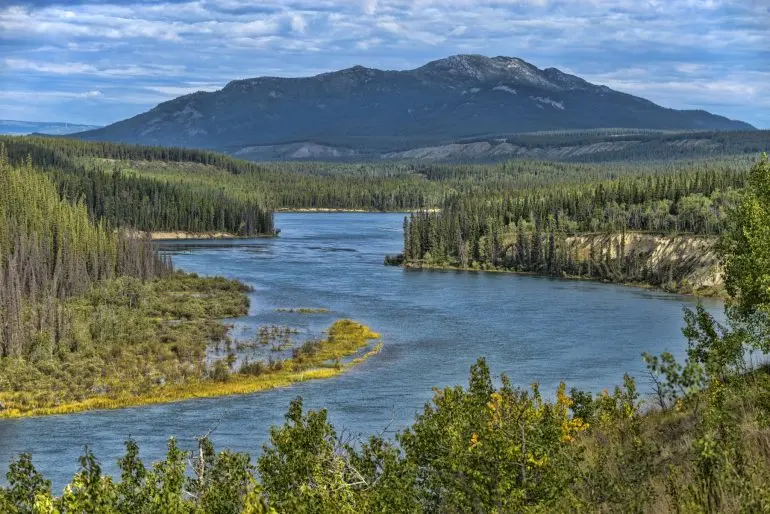
These Nations are not merely historical groups but vibrant, modern communities actively involved in land management, economic development, and cultural revitalization. They hold inherent rights to their traditional territories, which include the Burrard Inlet, the Fraser River estuary, and the surrounding mountains. Understanding these Nations requires recognizing them as the rightful stewards of the land, rather than simply residents of the region.
What is the significance of unceded territory?
The term "unceded" is critical to understanding the legal and political status of these Nations. It signifies that the land was never surrendered, given up, or signed away through treaties or any other legal instrument to the British Crown or the Canadian government. Consequently, the Nations maintain an ongoing, unresolved legal claim to their traditional territories, which influences modern land-use decisions and resource management.
When visiting or living in Vancouver, acknowledging the land is a common practice to recognize this history. To do so respectfully, follow these guidelines:
- Research the specific Nation whose territory you are currently on.
- Use the term "unceded" to acknowledge that the land was never legally relinquished.
- Understand that a land acknowledgment is a commitment to learning, not just a formal script.
- Avoid treating acknowledgments as a performative gesture; instead, view them as an invitation to engage with Indigenous history.
How do these Nations govern their lands today?
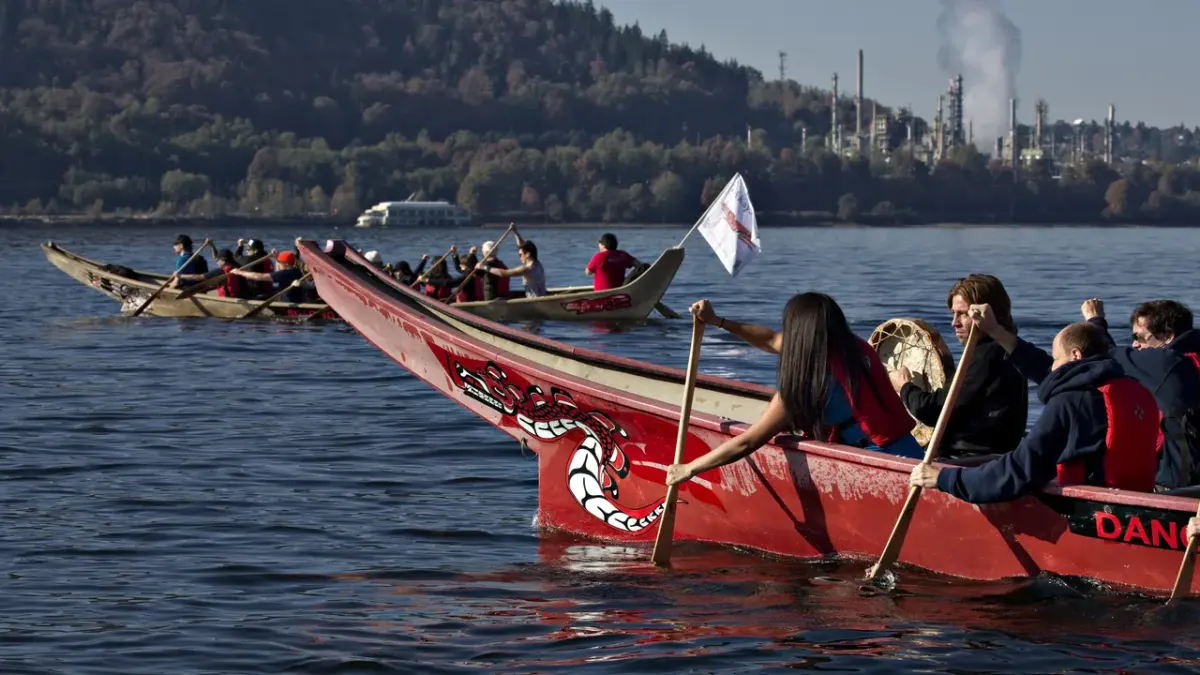
Each Nation operates under its own leadership, typically consisting of an elected Chief and Council. They manage their own housing, education, health services, and economic ventures. The Musqueam, for instance, are known for their strong focus on protecting their archaeological heritage at the ancient village site of c̓əsnaʔəm. The Squamish Nation has gained prominence for its large-scale urban development projects, while the Tsleil-Waututh Nation is widely recognized for its rigorous environmental stewardship and efforts to restore the health of the Burrard Inlet.
Collaboration is a hallmark of their modern governance. While they remain independent, they often work together on regional issues, such as environmental protection or large-scale infrastructure projects. This unified front allows them to exert greater influence over the policies that affect their collective territories. They engage in government-to-government negotiations with municipal, provincial, and federal authorities to ensure their voices are heard in all matters of regional planning.
What are common mistakes when learning about these Nations?
One of the most frequent errors is treating the three Nations as a single, homogenous group. While they share geographic proximity and some cultural practices, they speak different languages—Musqueam and Tsleil-Waututh speak hən̓q̓əmin̓əm̓, while the Squamish speak Sḵwx̱wú7mesh sníchim—and have distinct customs. Assuming they are identical ignores their individual sovereignty and unique historical experiences.
Another common mistake is viewing them solely through a historical lens. Many people mistakenly believe these Nations exist only in the past or in museums. In reality, they are forward-looking, technologically advanced, and economically active communities. To avoid these pitfalls, follow these steps:
- Consult official websites for each Nation to learn about their current priorities.
- Attend public cultural events or workshops hosted by the Nations themselves.
- Prioritize reading materials written by Indigenous authors rather than secondary sources.
- Recognize that Indigenous knowledge is a living, evolving system of information.
How can you support these communities respectfully?
Supporting the Musqueam, Squamish, and Tsleil-Waututh involves moving beyond passive acknowledgment toward active engagement. This means educating oneself on the specific challenges these Nations face, such as the impacts of urban sprawl on traditional food sources or the ongoing fight for environmental justice. True support requires listening to their leadership and respecting their decisions regarding the development and protection of their ancestral lands.
Practical ways to engage include purchasing art or goods directly from Indigenous creators and businesses, which helps circulate wealth within their communities. Furthermore, advocating for policies that uphold the United Nations Declaration on the Rights of Indigenous Peoples (UNDRIP) helps create a broader framework for reconciliation. By prioritizing the voices of the Musqueam, Squamish, and Tsleil-Waututh, individuals can contribute to a more equitable future where the sovereignty and contributions of these Nations are fully recognized and celebrated by all.
Key facts
- The Musqueam, Squamish, and Tsleil-Waututh are the three Coast Salish nations whose traditional, ancestral, and unceded territories encompass the modern city of Vancouver.
- The Musqueam people have occupied their territory, known as xʷməθkʷəy̓əm, for thousands of years, with archaeological evidence of village sites dating back at least 4,000 years.
- The Squamish Nation, or Sḵwx̱wú7mesh Úxwumixw, has a vast territory stretching from the Burrard Inlet to the Squamish Valley and Whistler.
- The Tsleil-Waututh Nation, known as the "People of the Inlet," maintains a deep spiritual and physical connection to the Burrard Inlet, which they have stewarded since time immemorial.
- When visiting Vancouver, acknowledge that you are on the unceded territories of these three nations by checking official municipal or institutional websites for the correct land acknowledgement protocols.
- Avoid using the term "Vancouver" as a standalone identifier for the region; instead, recognize the deep historical presence of these Indigenous nations by learning their specific names and cultural contributions.
The bottom line
The Musqueam, Squamish, and Tsleil-Waututh Nations are the original stewards of the land now known as Vancouver. Their enduring presence is defined by deep historical roots, distinct cultural identities, and ongoing sovereignty over their unceded territories. Understanding these nations is essential for anyone living in or visiting the region, as it fosters a more accurate appreciation of the area's rich, complex, and living Indigenous history.
People also ask
What does "unceded territory" mean?
It means that the land was never surrendered, signed away, or legally transferred to the British Crown through treaties. The Musqueam, Squamish, and Tsleil-Waututh Nations maintain that they hold inherent title to these lands.
How can I respectfully learn more about these nations?
Visit the official websites of each nation to read their history and current initiatives. Many also operate cultural centers or public programs that share their heritage directly with the community.
Are these nations part of the same government?
No, they are three distinct, sovereign nations with their own unique languages, governance structures, and traditions. While they often collaborate on regional issues, they remain independent political entities.
What is the significance of the Burrard Inlet to these nations?
The inlet is a vital source of food, transportation, and spiritual identity, particularly for the Tsleil-Waututh. It serves as a central artery connecting their historical village sites and traditional harvesting grounds.
Do these nations have a role in local Vancouver politics?
Yes, they engage in government-to-government relationships with the City of Vancouver and the Province of British Columbia. Their input is increasingly essential for major land-use decisions and environmental stewardship projects.
Can I visit their traditional lands?
Much of their territory is now urbanized, but you can visit public parks and cultural sites within these areas. Always practice "leave no trace" ethics and respect any signage indicating private or sacred Indigenous land.
This answer was created with the help of AI research tools and reference sources. Spotted an error? Let us know — we correct mistakes quickly. See our editorial policy.