How long do sea turtles live?
Short answer
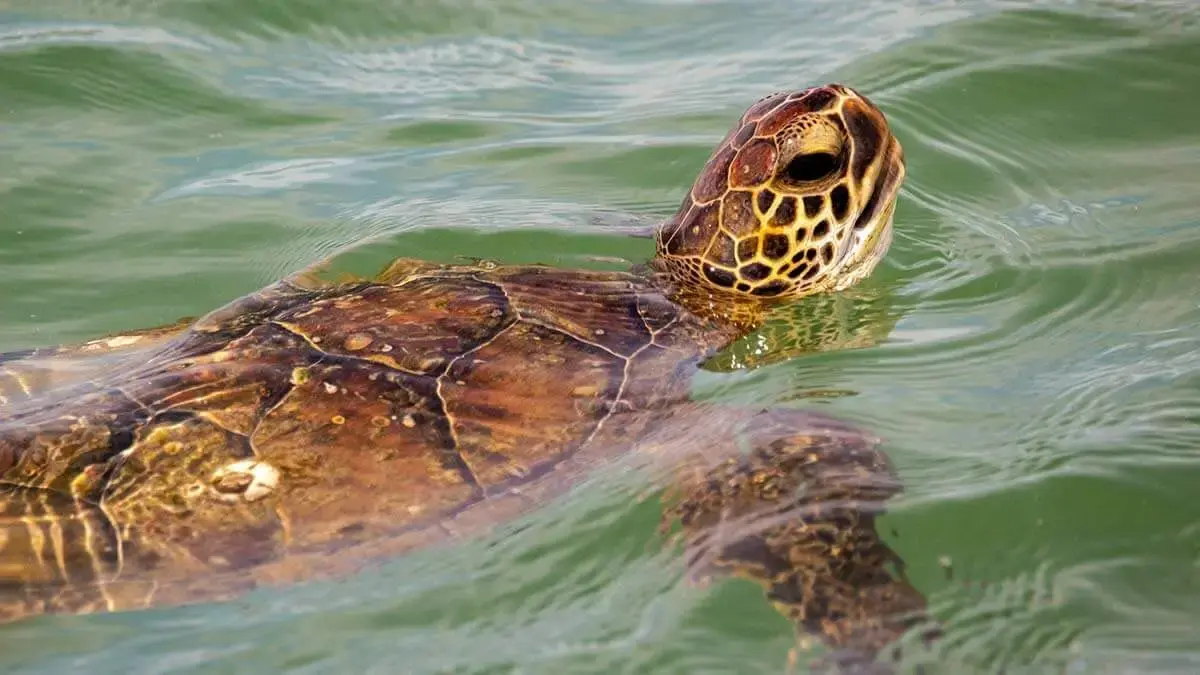
Most sea turtles live between 50 and 100 years in the wild. While exact lifespans are difficult to track due to their long migrations and late maturity, species like the green sea turtle are known to reach at least 70 years. Many individuals survive for decades, provided they overcome early life threats.
On this page
How long do different sea turtle species live?
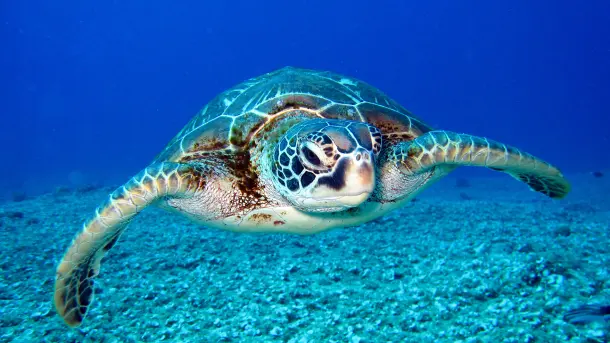
Sea turtles exhibit varying lifespans depending on their species, environment, and survival rates during their vulnerable juvenile years. While scientists often estimate lifespans based on growth rates and skeletal analysis, it remains challenging to pinpoint the exact age of an individual in the wild. Generally, larger species tend to have longer potential lifespans than smaller ones.
The seven recognized species of sea turtles show consistent patterns in longevity:
- Green sea turtles: Frequently reach 70 to 80 years or more.
- Loggerhead sea turtles: Typically live between 50 and 70 years.
- Leatherback sea turtles: Estimated to live at least 50 years, though data is limited.
- Hawksbill sea turtles: Generally live between 30 and 50 years.
- Kemp’s ridley sea turtles: Often reach 30 to 50 years of age.
Because these animals reach sexual maturity slowly—sometimes taking 20 to 50 years depending on the species—they must survive for several decades just to begin reproducing. This long-lived strategy is an evolutionary trade-off, as they produce many offspring but face extremely high mortality rates during their first year of life.
Why do sea turtles live so long?
Sea turtles have evolved unique biological mechanisms that allow them to survive in harsh marine environments for many decades. One primary factor is their slow metabolism, which helps them conserve energy during long migrations across entire ocean basins. This physiological efficiency allows them to endure periods of limited food availability, which would be fatal to many other marine creatures.
Their protective anatomy also plays a significant role in their longevity. Once a sea turtle reaches adulthood, its hard shell provides a formidable defense against most predators, such as large sharks. Furthermore, their ability to dive to extreme depths and remain submerged for long periods helps them avoid surface-level threats and capitalize on diverse food sources found at different ocean layers.
These animals also demonstrate a high degree of site fidelity, returning to the same nesting beaches over many decades. This behavioral consistency suggests that they possess sophisticated navigational abilities, likely utilizing the Earth’s magnetic field. By sticking to known, productive areas, they minimize the risks associated with searching for new, potentially dangerous habitats throughout their long lives.
How do scientists determine a turtle's age?
Determining the exact age of a wild sea turtle is notoriously difficult because they lack permanent growth rings like trees. Instead, researchers utilize a field of study called skeletochronology. This involves analyzing thin cross-sections of the humerus bone, which reveal incremental growth marks similar to tree rings. As the turtle grows, the bone deposits layers that reflect seasonal changes in growth rates.
To track individuals over time, researchers employ several standard methods:
- Flippers tags: Attaching durable metal or plastic tags to the flipper to identify individuals upon recapture.
- PIT tags: Inserting Passive Integrated Transponder chips under the skin for permanent, non-invasive identification.
- Satellite telemetry: Using GPS-enabled transmitters to monitor movement patterns and survival over several years.
- Genetic sampling: Collecting DNA to track population health and individual lineage across generations.
These methods allow biologists to build life tables that estimate mortality and survival probabilities. By combining bone analysis with long-term tagging data, scientists have confirmed that many sea turtles live well into their fifth or sixth decade, effectively debunking the myth that they live for centuries.
Common mistakes when observing sea turtles
When encountering sea turtles in the wild, human interference is a leading cause of stress and accidental injury. One common mistake is approaching a nesting female on a beach at night. Bright lights, including flashlights and camera flashes, can disorient the turtle, causing her to abandon her nesting attempt and return to the water prematurely.
Another frequent error involves interacting with turtles while snorkeling or scuba diving. Enthusiasts often try to touch, feed, or chase these animals, which disrupts their natural foraging behaviors and increases their stress levels. To ensure the safety of these long-lived creatures, follow these best practices:
- Maintain a distance of at least 15 to 20 feet at all times.
- Never block a turtle’s path to the surface, as they need to breathe air regularly.
- Avoid using flash photography, which can startle or blind them in low-light conditions.
- Keep noise to a minimum to avoid triggering their flight response.
By maintaining a respectful distance, you allow the turtle to continue its essential activities, such as feeding or resting, without the risk of human-induced trauma.
How can we help sea turtles live longer?
Human activity remains the greatest threat to the lifespan of sea turtles, with plastic pollution and habitat destruction being the most significant concerns. Many turtles die prematurely after ingesting plastic bags, which they mistake for jellyfish, or becoming entangled in discarded fishing gear. Protecting their long-term survival requires active conservation efforts that address these environmental stressors.
To contribute to their longevity, consider these practical steps:
- Reduce single-use plastics: Switch to reusable bags, bottles, and straws to keep debris out of the ocean.
- Participate in beach cleanups: Removing trash from nesting beaches prevents hatchlings from becoming trapped.
- Support sustainable seafood: Choose products caught using turtle-safe gear to reduce accidental bycatch.
- Report sightings: Share data with local conservation groups to help track population health and nesting patterns.
By mitigating these human-caused threats, we provide sea turtles with the best possible chance to reach their full biological potential. Ensuring that these ancient mariners can complete their full life cycles is essential for maintaining the health and balance of our global marine ecosystems for future generations.
Key facts
- Most sea turtle species live between 50 and 100 years in the wild.
- The leatherback sea turtle is the largest species and can weigh up to 2,000 pounds.
- Sea turtles reach sexual maturity late, often between 20 and 30 years of age.
- A common mistake is assuming turtles grow at a constant rate; their growth slows significantly as they age.
- Artificial light near nesting beaches disorients hatchlings, leading them away from the ocean and toward danger.
- To help conservation efforts, avoid using plastic bags and straws, which turtles often mistake for jellyfish prey.
The bottom line
Sea turtles are remarkable creatures known for their impressive longevity, often living for several decades in their natural habitats. Their survival depends on complex life cycles and healthy marine ecosystems. By reducing plastic waste and protecting nesting beaches from light pollution, humans can play a vital role in ensuring these ancient reptiles continue to thrive in our oceans for many generations to come.
People also ask
Do all sea turtle species have the same lifespan?
No, lifespans vary by species, though most are long-lived. While specific data is difficult to track for wild populations, researchers estimate that species like the green sea turtle can live for 70 years or more.
How can you tell the age of a sea turtle?
Scientists determine a turtle's age by examining growth rings in the humerus bone, similar to counting rings on a tree. This process is invasive and typically only performed on deceased specimens found during necropsies.
Do sea turtles live longer in captivity?
Sea turtles in captivity may live longer due to consistent food sources and protection from predators. However, they often face health challenges related to tank environments that wild turtles do not encounter.
What is the biggest threat to sea turtle longevity?
Habitat destruction and plastic pollution are the leading threats to their survival. Entanglement in fishing gear and the loss of nesting beaches to coastal development significantly reduce their chances of reaching old age.
How many eggs does a female sea turtle lay in a lifetime?
A female can lay hundreds of eggs across multiple clutches during a single nesting season. Despite this high number, only about one in 1,000 hatchlings survives to reach adulthood due to natural predators.
Do sea turtles sleep underwater?
Yes, sea turtles can sleep underwater for several hours at a time. They slow their heart rate to conserve oxygen, allowing them to remain submerged while resting in sheltered rocky crevices.
This answer was created with the help of AI research tools and reference sources. Spotted an error? Let us know — we correct mistakes quickly. See our editorial policy.