How do you make pizza dough?
Short answer
Making pizza dough involves combining flour, water, yeast, and salt into a smooth, elastic ball. After mixing, the dough undergoes a fermentation process that develops flavor and texture. By kneading, proofing, and stretching the dough, you create a foundation that rises in a hot oven to produce a crispy, airy crust.
On this page
How to make pizza dough from scratch
The fundamental process of making pizza dough relies on four basic ingredients: high-protein flour, water, salt, and yeast. Bread flour or "00" flour is preferred by professionals because the higher protein content creates the gluten network necessary for a chewy, structured crust. You begin by dissolving active dry or instant yeast in warm water, allowing it to bloom for a few minutes until it appears slightly foamy.
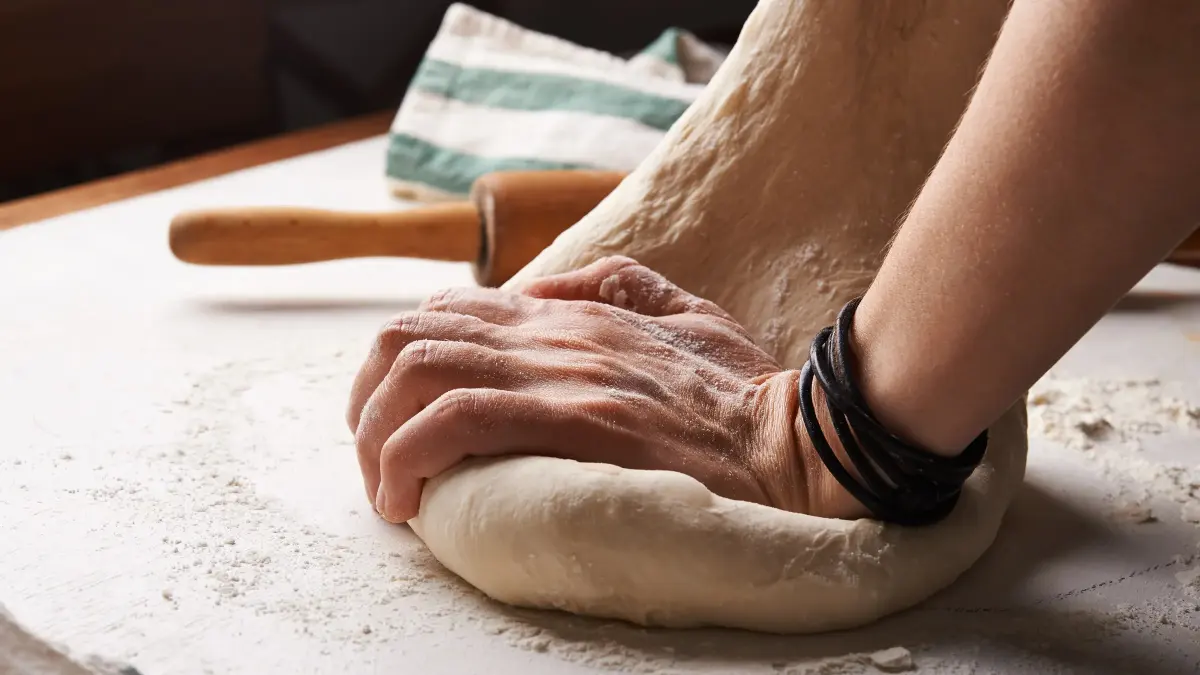
Once the yeast is activated, combine it with the flour and salt in a large mixing bowl. Using your hands or a stand mixer with a dough hook, incorporate the ingredients until a shaggy mass forms. The dough must then be kneaded until it is smooth and springs back when poked. This physical manipulation aligns the gluten strands, which traps gases released by the yeast during the fermentation stage.
- Mix 500 grams of flour with 325 milliliters of warm water, 10 grams of salt, and 7 grams of yeast.
- Knead the mixture on a floured surface for 8 to 10 minutes until the dough is elastic.
- Place the dough in a greased bowl, cover it with a damp cloth, and let it rise in a warm spot.
How long does it take to proof pizza dough
The time required for dough to proof depends heavily on ambient temperature and the amount of yeast used. A standard room-temperature rise typically takes between 90 minutes and two hours, allowing the dough to double in volume. During this time, yeast consumes the sugars in the flour, producing carbon dioxide bubbles that expand the gluten structure.
For superior flavor and texture, many bakers opt for a "cold ferment" in the refrigerator. This process slows down yeast activity, allowing enzymes to break down starches into simpler sugars over 24 to 72 hours. Cold-fermented dough is generally easier to stretch and develops a more complex, slightly tangy flavor profile. Regardless of the method, the dough must reach room temperature before you attempt to shape it into a pizza base.
- Room temperature: 1.5 to 2 hours for a quick rise.
- Refrigerator: 24 to 72 hours for a slow, deep flavor development.
- Proofing check: The dough is ready when it has doubled in size and leaves a small indentation when lightly pressed with a finger.
Best flour for pizza dough beginners
Selecting the correct flour is the most significant factor in determining the final texture of your crust. "00" flour, a finely milled Italian wheat flour, is the gold standard for Neapolitan-style pizzas because it produces a soft, delicate crumb. However, because it has a lower absorption rate, it can be slightly more difficult for beginners to handle.
Bread flour is often the best choice for home cooks using standard ovens. It contains a higher protein content than all-purpose flour, which provides the necessary strength to support toppings without becoming soggy. If you only have all-purpose flour, you can still make a functional dough, though the crust may be slightly more tender and less chewy. Always measure your flour by weight using a digital kitchen scale rather than volume to ensure consistency in your hydration levels.
Why pizza dough tears when stretching
Tearing during the shaping process usually indicates that the gluten has not been properly developed or that the dough is too cold. If you try to stretch the dough immediately after taking it out of the refrigerator, the gluten will be tight and resistant, causing it to snap back or rip. Allowing the dough to rest at room temperature for at least 30 to 60 minutes relaxes the gluten network.
Another common cause of tearing is failing to knead the dough long enough during the initial preparation. Without sufficient kneading, the gluten strands remain disorganized and weak, unable to withstand the tension of stretching. If your dough consistently tears, focus on building a stronger structure during the kneading phase and ensure you are not over-working the dough once it has already proofed, as this can deflate the precious air bubbles.
Common mistakes when making pizza dough
One of the most frequent errors is using water that is too hot, which can kill the yeast and prevent the dough from rising entirely. Aim for a temperature between 95°F and 105°F; if the water feels hot to the touch, it is likely too hot for the yeast. Conversely, using too much flour during the kneading process can result in a dense, dry crust that lacks the desired airy pockets.
Another mistake is overloading the pizza with too many wet toppings, which prevents the center of the dough from baking through. Even with a perfect dough, a heavy layer of sauce or cheese can lead to a "soggy bottom" if the oven temperature is not high enough. Always preheat your oven and a pizza stone or steel for at least 45 minutes to ensure the base cooks rapidly and achieves the characteristic charred, crispy exterior that defines a high-quality homemade pizza.
Key facts
- High-protein bread flour or "00" flour is preferred for pizza dough because it contains more gluten, which provides the necessary elasticity for stretching.
- Yeast requires a warm environment, ideally between 100°F and 110°F (38°C–43°C), to activate properly without being killed by excessive heat.
- Salt is essential not only for flavor but also for tightening the gluten structure and regulating the fermentation rate of the yeast.
- Hydration levels, or the ratio of water to flour, typically range from 60% to 70% for standard home-style pizza dough.
- Allowing dough to undergo a cold fermentation in the refrigerator for 24 to 72 hours significantly improves the depth of flavor and texture.
- Avoid over-kneading, as this can make the dough tough and difficult to stretch into a thin, circular crust.
The bottom line
Creating the perfect pizza dough requires a balance of high-quality flour, patience, and proper temperature control. By allowing the yeast to ferment slowly, you develop complex flavors and a superior crust texture. Focus on mastering the hydration ratio and allowing the gluten to relax before shaping. With these fundamental techniques, you can consistently produce professional-grade pizza at home that rivals the results of a traditional pizzeria.
People also ask
Can I use all-purpose flour instead of bread flour?
Yes, you can use all-purpose flour, but your crust will be slightly softer and less chewy than one made with high-protein flour. If you choose this route, ensure the flour has a protein content of at least 10% to 11% for better structural integrity.
Why does my dough keep snapping back when I try to stretch it?
This happens because the gluten is too tight and has not had enough time to relax. Let the dough balls rest at room temperature for at least 30 to 60 minutes before stretching to allow the gluten strands to loosen.
How do I know when the dough has finished proofing?
The dough is ready when it has doubled in size and feels light and airy to the touch. If you gently poke it with a finger, the indentation should slowly spring back halfway.
Can I freeze pizza dough for later use?
Absolutely, you can freeze dough after the first rise and before shaping it into balls. Wrap the dough tightly in plastic wrap and store it in an airtight freezer bag for up to three months.
What is the purpose of "00" flour?
"00" refers to the fine milling grade of Italian flour, which creates a very smooth, silky texture. It is ideal for high-heat ovens because it produces a crust that is crispy on the outside while remaining tender inside.
Should I use a rolling pin to shape my pizza?
It is better to use your hands to stretch the dough, as a rolling pin crushes the air bubbles created during fermentation. Hand-stretching ensures a light, airy crust with the characteristic bubbles found in artisanal pizza.
This answer was created with the help of AI research tools and reference sources. Spotted an error? Let us know — we correct mistakes quickly. See our editorial policy.