What is a tide pool?
Short answer
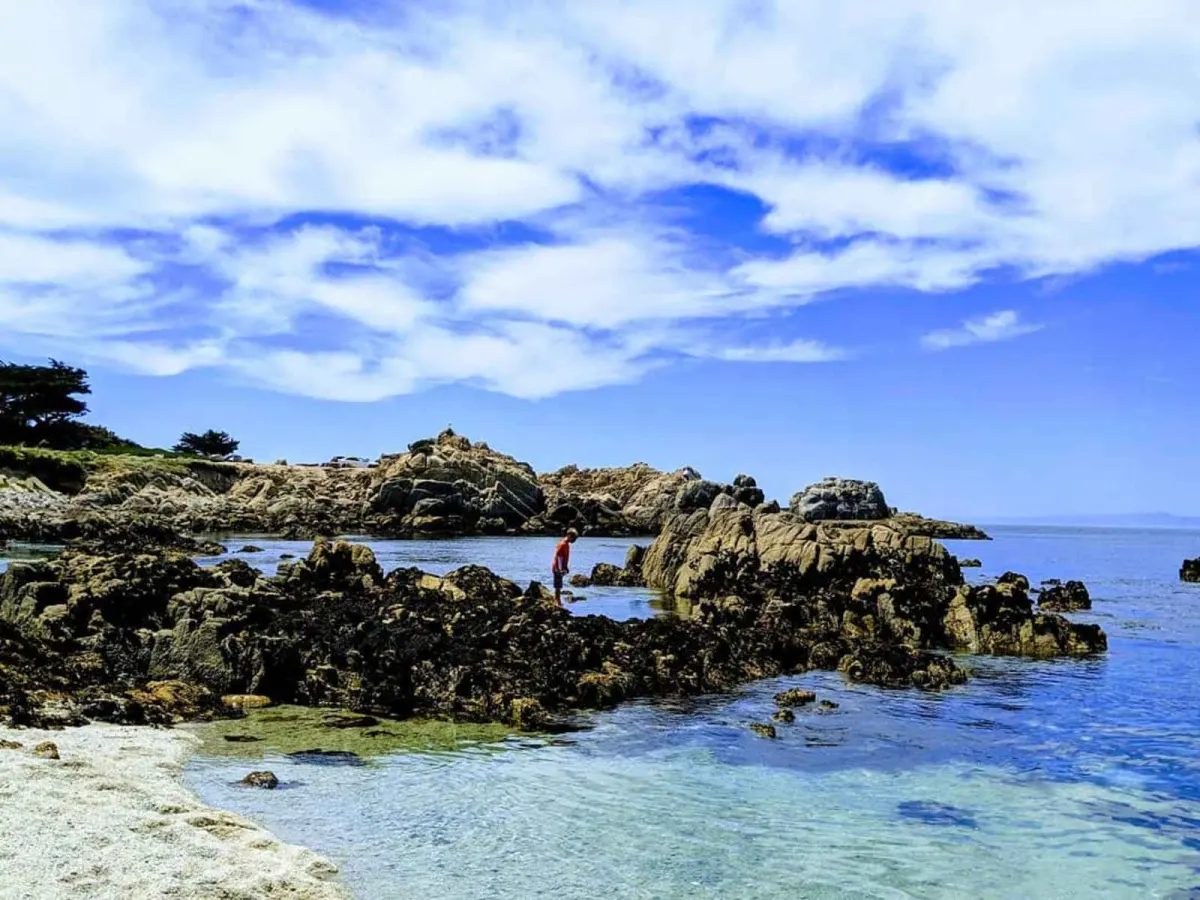
A tide pool is a rocky, isolated pocket of seawater that forms along the coastline during low tide. These unique ecosystems are trapped in depressions within the intertidal zone, providing a stable, submerged environment for diverse marine life that must endure the harsh, alternating conditions of being underwater and exposed to air.
On this page
Why do tide pools form?
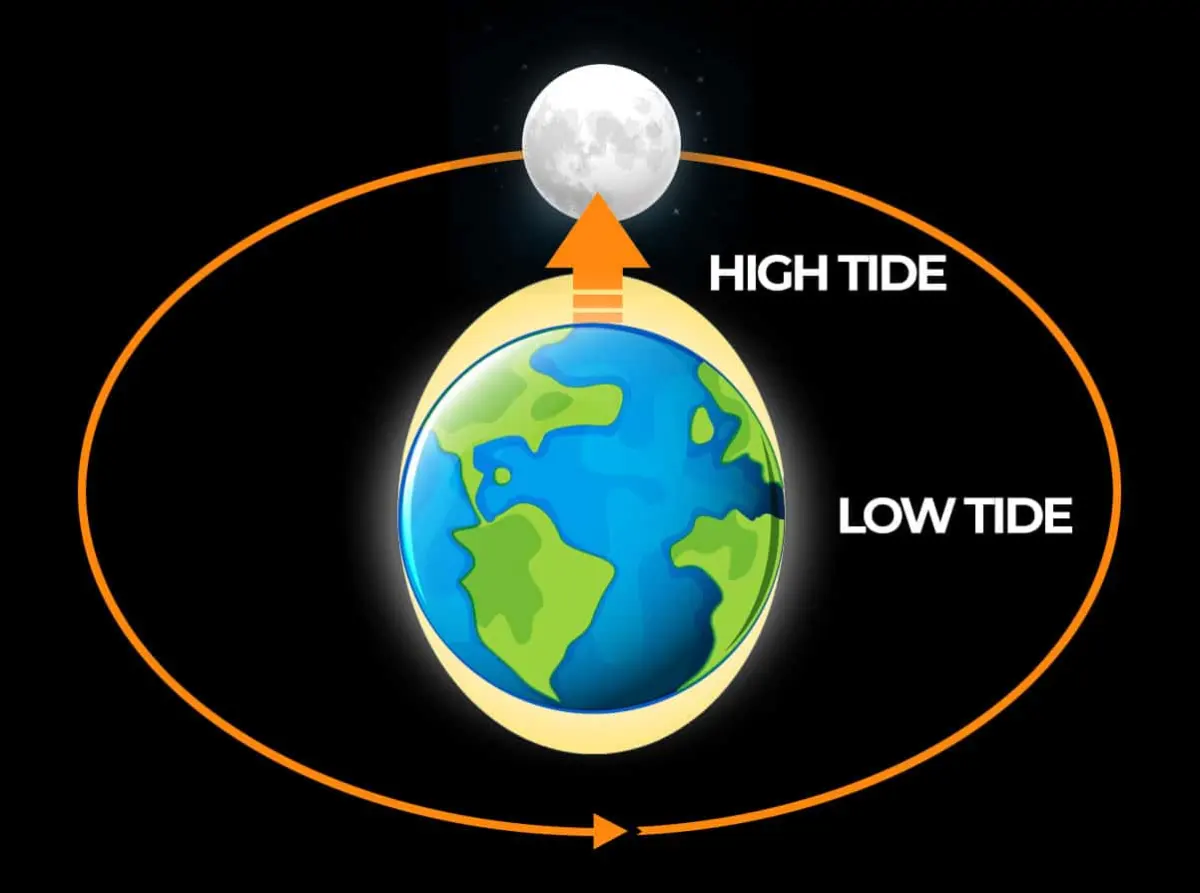
Tide pools form primarily due to the gravitational pull of the moon and the sun, which causes the Earth’s oceans to bulge and recede twice daily. As the tide retreats, seawater becomes trapped in natural depressions or crevices in the rocky substrate of the intertidal zone. This zone is the area between the high-tide mark and the low-tide mark, a region defined by its extreme physical volatility.
The physical architecture of the shoreline is essential to this process. Rocky coasts, particularly those composed of basalt or granite, are more likely to harbor tide pools than sandy beaches, which are too porous to hold water. Over centuries, wave action and erosion carve out these basins, creating miniature habitats that function independently from the open ocean for several hours at a time. The depth and size of these pools determine how much the water temperature and salinity will fluctuate before the tide returns.
What lives in a tide pool?
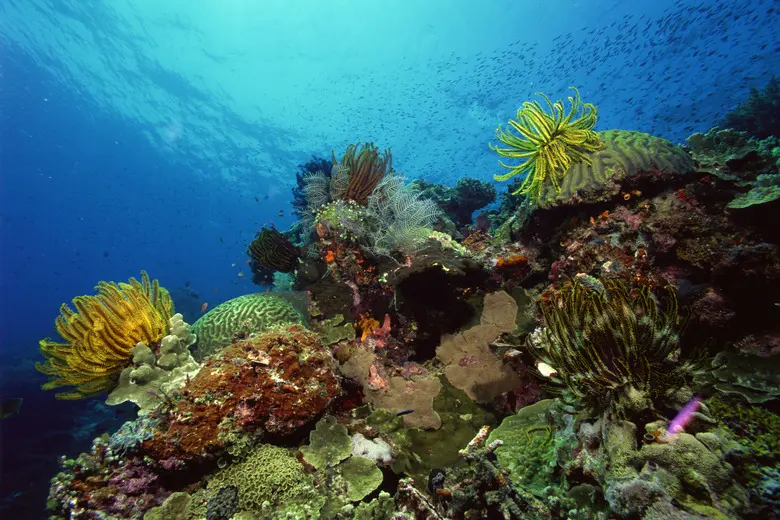
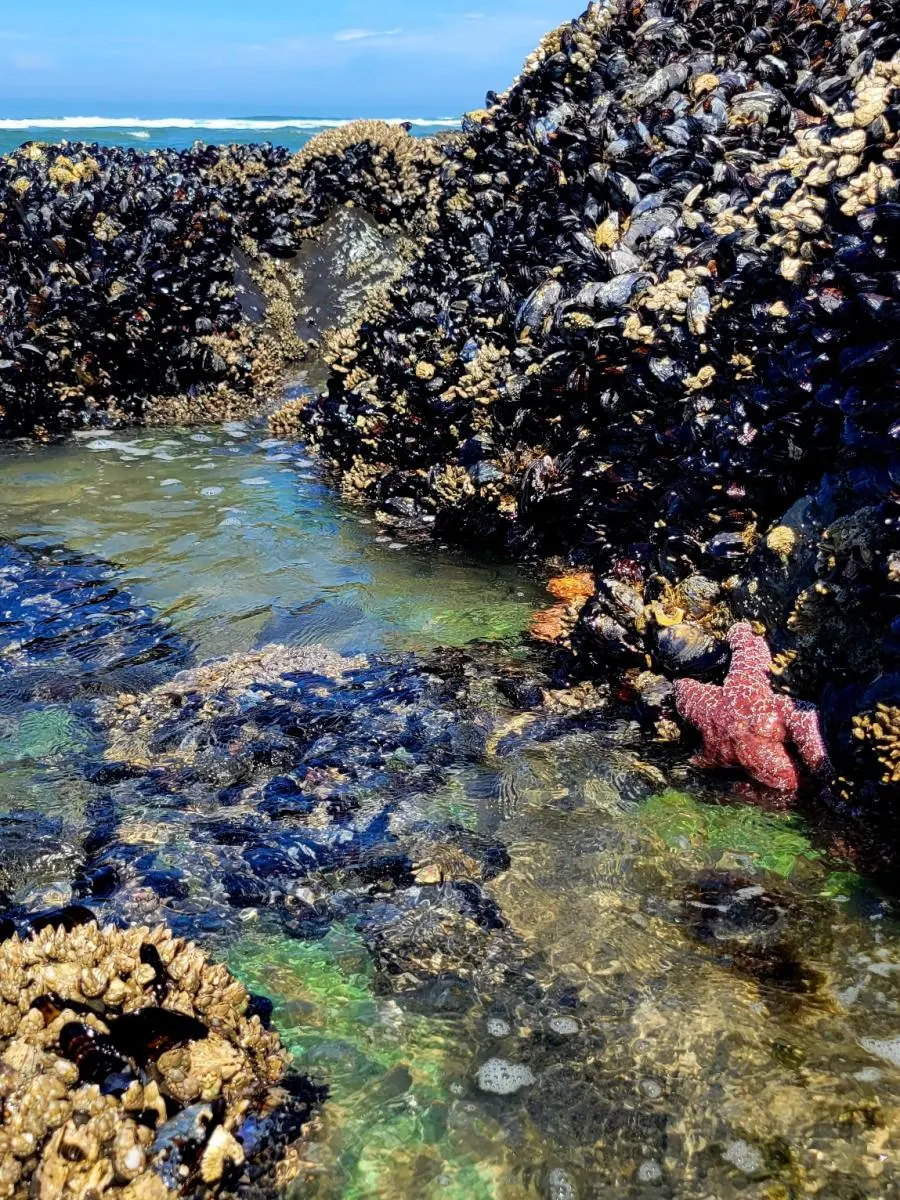
Tide pools are home to a remarkable variety of organisms that have evolved specific adaptations to survive the stresses of the intertidal lifestyle. Because these pools are periodically isolated, their inhabitants must be able to withstand rapid changes in temperature, oxygen levels, and salinity. Many species, such as barnacles and mussels, possess hard shells that prevent them from drying out when the tide is out.
Common inhabitants include:
- Sea stars (starfish) that use tube feet to cling to rocks.
- Sea anemones that retract their tentacles to conserve moisture.
- Hermit crabs that scavenge for food and protect their soft bodies in discarded shells.
- Algae and seaweeds that provide both shelter and oxygen through photosynthesis.
- Small fish, such as sculpins, that hide in crevices to avoid predators while the water level is low.
These organisms form a complex food web that is highly sensitive to environmental shifts. Predatory species like sea stars play a critical role in maintaining the balance of the ecosystem by keeping populations of mussels and snails in check.
How to explore tide pools safely
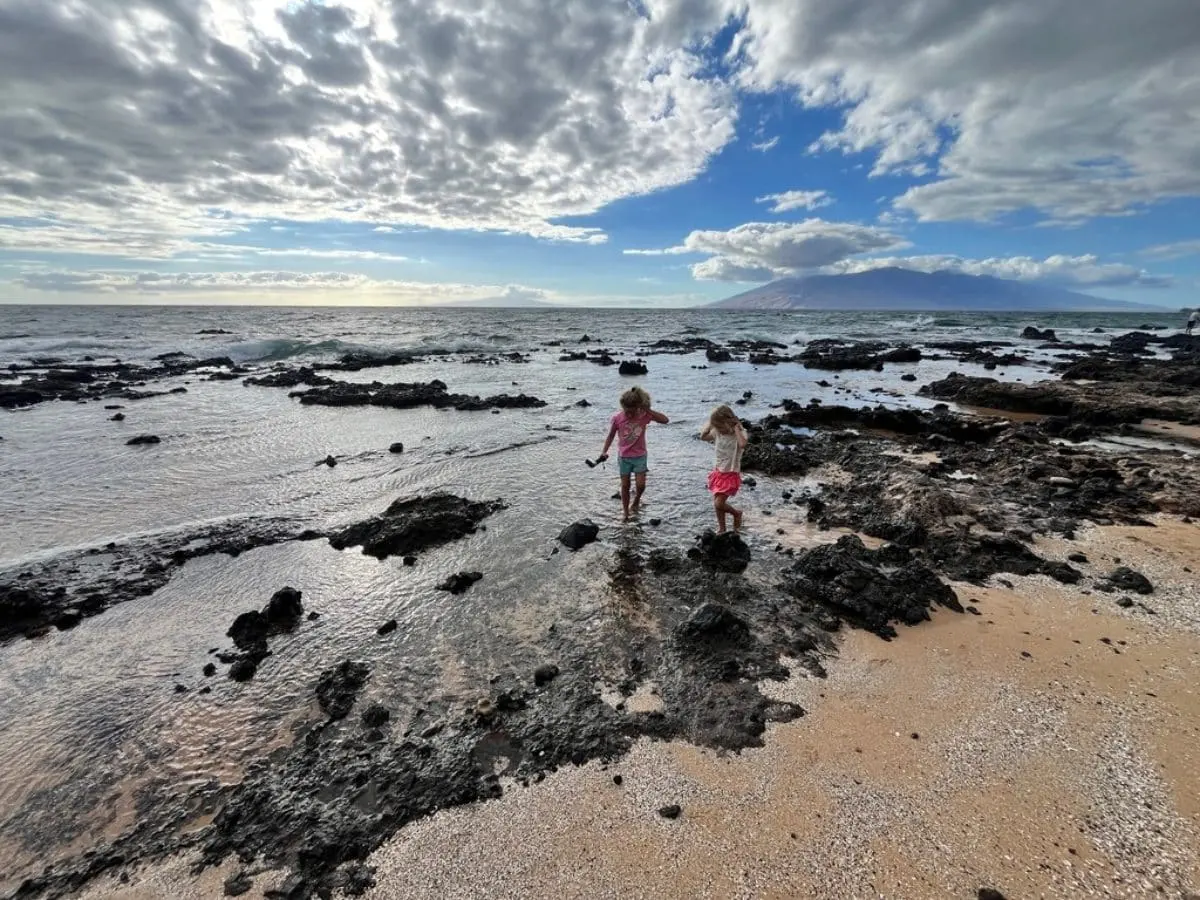
Visiting a tide pool requires careful preparation to ensure both your safety and the health of the delicate organisms. The best time to explore is during a "minus tide," which occurs when the tide recedes further than average, revealing deeper pools that are usually submerged. Check local tide charts before you leave home, as conditions change daily based on lunar cycles.
- Wear sturdy, non-slip footwear with good traction to navigate wet, mossy rocks.
- Check the tide forecast to ensure you are arriving just as the tide is going out.
- Walk slowly and deliberately to avoid crushing camouflaged animals like nudibranchs or small crabs.
- Keep a safe distance from the water's edge to avoid being surprised by rogue waves or incoming surges.
- Always face the ocean so you can see incoming waves and retreat if the water level rises unexpectedly.
Always prioritize your safety over a closer look at a specimen. Slippery rocks are the most common cause of injury, so remain mindful of your footing at all times.
Common mistakes when visiting tide pools
Many visitors inadvertently harm the ecosystem through well-intentioned but destructive actions. The most frequent error is moving or flipping rocks to see what is underneath. Many creatures, such as brittle stars and worms, rely on the dark, moist underside of rocks for protection. When you flip a rock, you expose these animals to predators and the drying sun, often killing them or destroying their habitat.
Another common mistake is attempting to remove animals from the pool. Even if you plan to return them, the stress of handling can be lethal to fragile organisms. Avoid the following behaviors:
- Using sunscreen or insect repellent on your hands, as these chemicals can contaminate the water and harm sensitive gills.
- Collecting shells or rocks, which are essential components of the habitat.
- Feeding the animals, as this disrupts their natural diet and can introduce harmful bacteria.
- Stepping directly into the water; instead, observe from the perimeter to minimize your impact.
Why tide pools are important for science
Tide pools serve as "natural laboratories" for marine biologists because they are accessible and contain a high density of life in a small area. Scientists study these pools to monitor the health of the broader ocean, as they often act as early warning systems for environmental changes. For example, shifts in the species composition of a tide pool can indicate rising water temperatures or the presence of pollutants.
Research conducted in these environments has provided deep insights into biological resilience and adaptation. By observing how organisms recover from the daily stress of the tides, researchers gain a better understanding of how marine life might respond to the long-term challenges of climate change and ocean acidification. Protecting these areas is not just about preserving a beautiful sight; it is about maintaining a vital baseline for understanding the health of our planet’s oceans and the intricate, interconnected web of life that sustains the global marine environment for future generations.
Key facts
- Tide pools are rocky basins that remain filled with seawater when the tide recedes.
- These habitats are defined by the "intertidal zone," the area between high and low tide marks.
- Organisms living here must survive extreme temperature shifts and constant pounding from waves.
- Always step on bare rock or sand rather than on seaweed to avoid crushing hidden creatures.
- The best time to visit is during a "minus tide," when the water level drops below average low tide.
- Never remove animals or shells from a tide pool, as many are protected by local environmental laws.
The bottom line
Tide pools are dynamic, miniature ecosystems that offer a rare window into marine life. By visiting during low tide, you can observe resilient creatures like starfish, crabs, and anemones in their natural habitat. Practicing responsible exploration—such as walking carefully and leaving all animals undisturbed—ensures these fragile environments remain healthy for future visitors to enjoy while learning about the complex rhythms of our planet's oceans.
People also ask
Why do tide pool animals have shells?
Many tide pool inhabitants, such as barnacles, mussels, and snails, use hard shells to prevent dehydration when exposed to air. These shells also provide essential protection against predators and the mechanical force of crashing waves.
How do tide pool creatures breathe underwater and in the air?
Most creatures, like sea stars and anemones, use gills to extract oxygen from water. Some species can also absorb oxygen directly through their skin or hold water in their bodies to survive during low tide.
Can I touch the animals I find?
It is generally best to observe without touching to avoid harming delicate organisms. If you must touch, use one wet finger to gently stroke the animal, but never pull them off rocks, as this can tear their internal organs.
What is the most common animal found in tide pools?
Sea anemones and hermit crabs are among the most frequently spotted residents globally. These hardy creatures have adapted to thrive in the fluctuating salinity and temperature levels found in shallow basins.
Do tide pools exist in every ocean?
Tide pools can form on any rocky coastline where the tide rises and falls. They are most diverse and abundant in areas with significant tidal ranges and stable, hard-bottom substrates.
What should I bring when tide pooling?
Wear sturdy, non-slip footwear to navigate wet rocks safely and bring a field guide to help identify local species. Always check the local tide chart before leaving to ensure you are visiting during the safest, lowest tide window.
This answer was created with the help of AI research tools and reference sources. Spotted an error? Let us know — we correct mistakes quickly. See our editorial policy.