What is an ecosystem?
Short answer
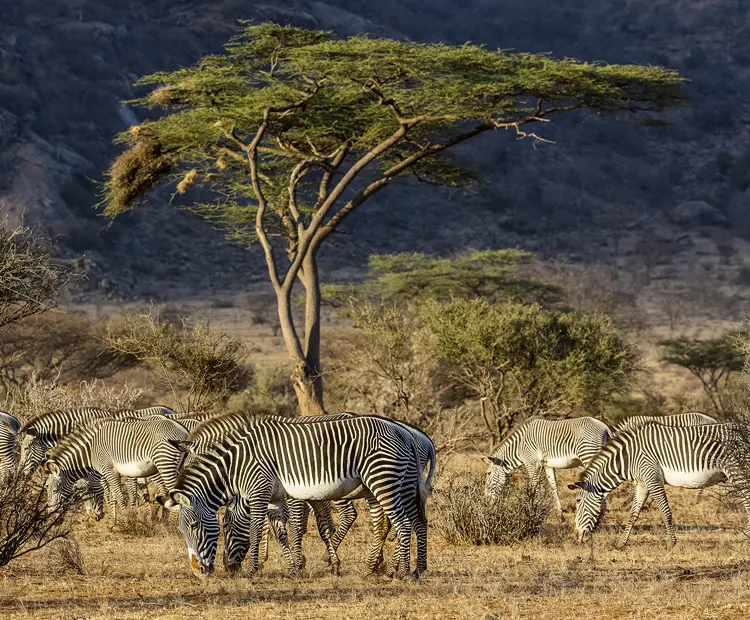
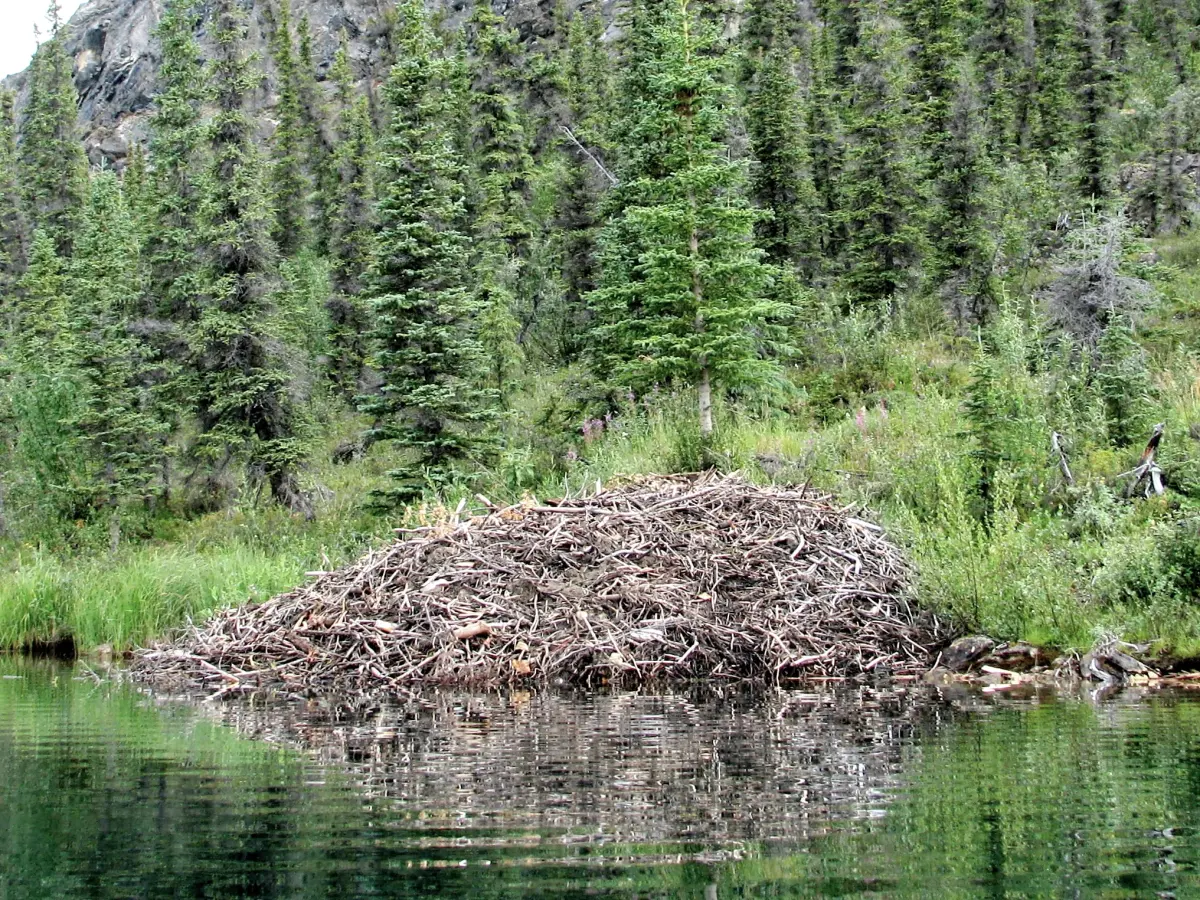
An ecosystem is a geographic area where plants, animals, and other organisms, as well as weather and landscape, work together to form a bubble of life. These biotic and abiotic components are linked through nutrient cycles and energy flows, creating a complex, interdependent network that sustains biological diversity within a specific environment.
On this page
What defines an ecosystem?
An ecosystem consists of two primary components: biotic and abiotic factors. Biotic factors include all living organisms, such as bacteria, fungi, plants, and animals. Abiotic factors are the non-living chemical and physical parts of the environment, including sunlight, temperature, soil, water, and minerals. These elements interact constantly to create a functional unit.
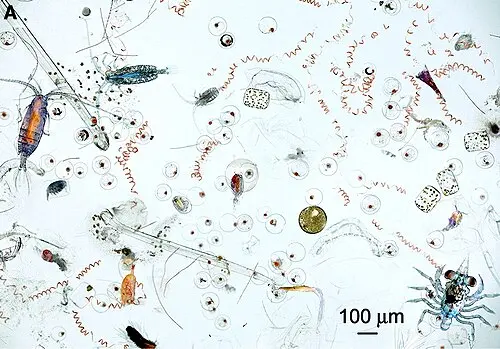
The scale of an ecosystem varies significantly depending on the observer's focus. It can be as small as a single tide pool or a decaying log, or as vast as an entire desert or rainforest. Regardless of size, every ecosystem relies on the flow of energy—typically originating from the sun—and the cycling of nutrients like carbon, nitrogen, and phosphorus between living things and their physical surroundings.
- Biotic components: Producers (plants), consumers (animals), and decomposers (fungi/bacteria).
- Abiotic components: Solar radiation, humidity, soil pH, and topography.
- Energy flow: Sunlight is converted into chemical energy by plants and passed through the food chain.
How do ecosystems function?
Ecosystems operate through the continuous movement of energy and matter. Energy enters the system through photosynthesis, where plants capture sunlight to create glucose. This energy then moves through trophic levels as herbivores consume plants and carnivores consume herbivores. Because energy is lost as heat at each transfer, most ecosystems have fewer top predators than primary producers.
Nutrient cycling is equally vital for stability. Decomposers, such as earthworms and bacteria, break down organic waste and dead matter, returning essential nutrients to the soil. This process ensures that the building blocks of life remain available for future generations of plants. Without these cycles, ecosystems would quickly deplete their resources and collapse under the weight of accumulated waste.
- Producers capture solar energy to synthesize organic compounds.
- Primary consumers feed on producers to gain energy.
- Secondary and tertiary consumers hunt or scavenge for nutrition.
- Decomposers recycle dead material back into the soil, closing the loop.
Why do ecosystems change?
Ecosystems are dynamic rather than static, constantly shifting in response to internal and external pressures. Natural disturbances like wildfires, floods, or volcanic eruptions can reset an environment, triggering a process known as ecological succession. During this phase, pioneer species like lichens and mosses colonize the area, gradually preparing the ground for more complex vegetation and animal life.
Human activity has become one of the most significant drivers of ecosystem change in the modern era. Deforestation, pollution, and the introduction of invasive species can disrupt delicate balances, leading to the loss of biodiversity. When a keystone species—an organism that has a disproportionate impact on its environment—is removed, the entire system may undergo a rapid and often irreversible transformation that reduces its resilience.
Common mistakes when studying ecosystems
One frequent error is viewing an ecosystem as a collection of isolated parts rather than an integrated whole. Beginners often focus solely on charismatic megafauna, such as wolves or eagles, while ignoring the essential roles played by soil microbes and insects. This fragmented perspective makes it difficult to understand how the removal of a seemingly insignificant plant can cause a cascade of negative effects across the entire food web.
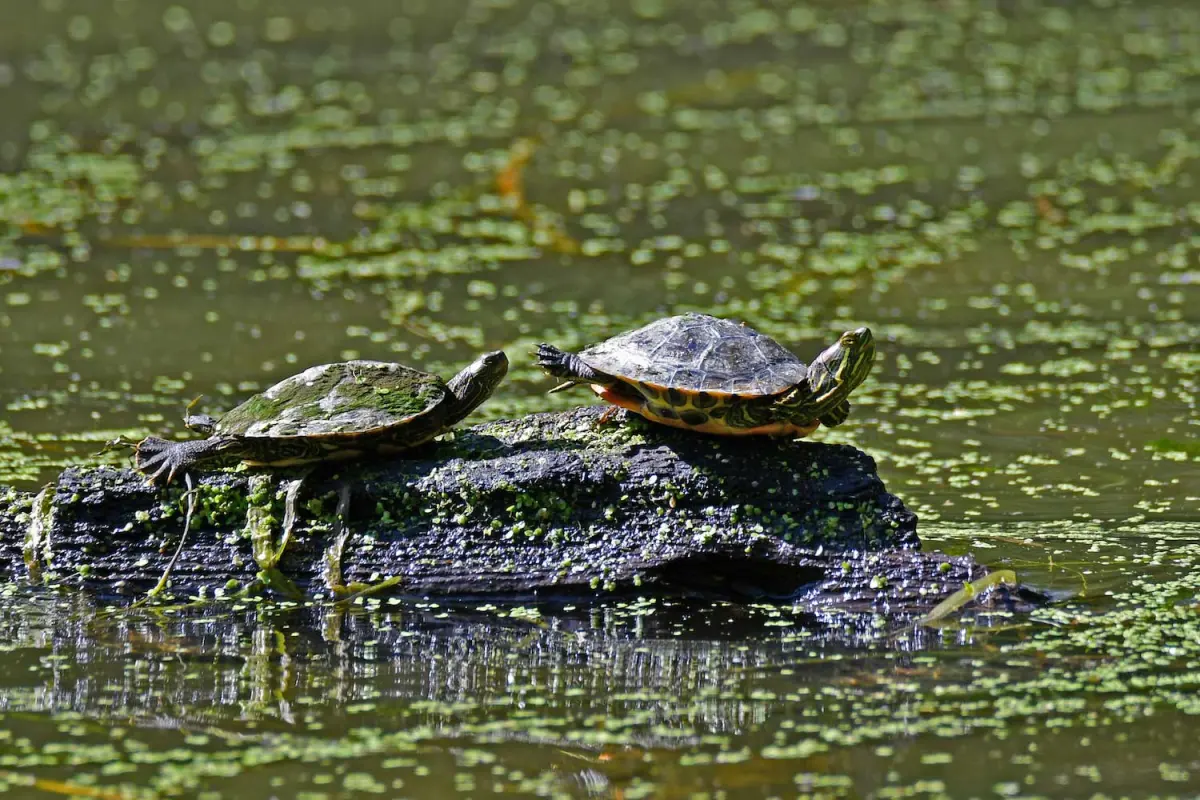
Another mistake is assuming that ecosystems are always in a state of perfect equilibrium. In reality, ecosystems fluctuate constantly due to seasonal changes and long-term climate shifts. Expecting a forest or pond to remain exactly the same from year to year ignores the natural resilience and adaptability that allow these systems to survive. Observing these changes over time is the only way to gain a true understanding of ecological health.
How to protect local ecosystems
Individuals can take practical steps to support the health of the ecosystems in their own backyards. Planting native species is one of the most effective ways to provide food and shelter for local pollinators and wildlife. Native plants are adapted to the local climate and soil, meaning they require less water and fewer chemical fertilizers, which helps prevent nutrient runoff into local waterways.
Reducing the use of pesticides and herbicides is also crucial for maintaining a healthy soil microbiome. These chemicals often kill beneficial insects and fungi that are necessary for nutrient cycling. By minimizing waste, composting organic matter, and protecting natural habitats from development, you contribute to the stability of the broader environment. Every small action helps maintain the interconnected web of life that supports human existence and global biodiversity.
Key facts
- An ecosystem is a geographic area where plants, animals, and other organisms, as well as weather and landscape, work together to form a bubble of life.
- The term was coined by British botanist Arthur Tansley in 1935 to describe the complex relationship between living things and their physical environment.
- Ecosystems range in size from a small tide pool or a single rotting log to vast biomes like the Amazon rainforest or the Sahara Desert.
- Energy enters almost all ecosystems through sunlight, which plants convert into food via photosynthesis, supporting the entire food web.
- Biodiversity is the primary indicator of a healthy ecosystem; a higher variety of species makes the system more resilient to environmental changes.
- To observe an ecosystem, look for the "trophic levels," which include producers (plants), consumers (animals), and decomposers (fungi and bacteria).
The bottom line
An ecosystem is a dynamic, interconnected network where living organisms interact with their physical surroundings to sustain life. By balancing energy flow and nutrient cycles, these systems provide the fundamental support for all biological existence. Understanding these relationships is crucial for conservation efforts, as even minor disruptions to these delicate webs can have significant, long-lasting consequences for the health of our planet’s diverse natural environments.
People also ask
What is the difference between an ecosystem and a biome?
An ecosystem is a specific, localized community of interacting organisms and their environment. A biome is a much larger collection of ecosystems that share similar climate conditions and dominant vegetation, such as a tundra or a tropical savanna.
How do humans impact ecosystems?
Human activities like deforestation, pollution, and the introduction of invasive species can disrupt the delicate balance of an ecosystem. These actions often lead to a loss of biodiversity, which weakens the system's ability to provide essential services like clean water and air.
Can an ecosystem exist without sunlight?
Yes, some ecosystems, such as those found around deep-sea hydrothermal vents, rely on chemosynthesis rather than photosynthesis. Bacteria in these dark, high-pressure environments convert chemicals from the Earth's crust into energy to support complex life forms.
What is a keystone species?
A keystone species is an organism that has a disproportionately large effect on its ecosystem relative to its abundance. If this species is removed, the entire structure of the ecosystem can collapse or change drastically, as seen with wolves in Yellowstone National Park.
Read the full answer →Why are decomposers essential?
Decomposers, such as fungi and earthworms, break down dead organic matter into nutrients. This process recycles essential elements like nitrogen and carbon back into the soil, allowing new plants to grow and continuing the cycle of life.
What is the most diverse ecosystem on Earth?
Tropical rainforests and coral reefs are widely considered the most diverse ecosystems on the planet. These areas support a massive density of species due to their stable climates and the abundance of resources available for survival.
This answer was created with the help of AI research tools and reference sources. Spotted an error? Let us know — we correct mistakes quickly. See our editorial policy.