How do fish breathe underwater?
Short answer
Fish breathe by extracting dissolved oxygen from water using specialized organs called gills. As water flows over these structures, oxygen diffuses across thin membranes into the bloodstream, while carbon dioxide is expelled. This efficient gas exchange allows fish to thrive in aquatic environments where oxygen levels are significantly lower than in air.
On this page
How do fish gills work?
Gills are complex, feather-like structures located on the sides of a fish’s head, protected by a bony flap known as the operculum. Each gill consists of two rows of filaments covered in tiny, plate-like projections called lamellae. These lamellae contain a dense network of capillaries that bring blood into close contact with the surrounding water. Because the surface area of these lamellae is vast, the fish can maximize the amount of oxygen it absorbs during every pass of water.
The process relies on a mechanism called counter-current exchange, which is essential for survival. In this system, blood flows through the capillaries in the opposite direction of the water flowing over the gills. This ensures that the blood always encounters water with a higher oxygen concentration than itself, allowing oxygen to diffuse into the blood along the entire length of the capillary. Without this directional efficiency, fish would struggle to extract enough oxygen to meet their metabolic demands in water, which holds far less oxygen than air.
Why do fish need to keep moving?
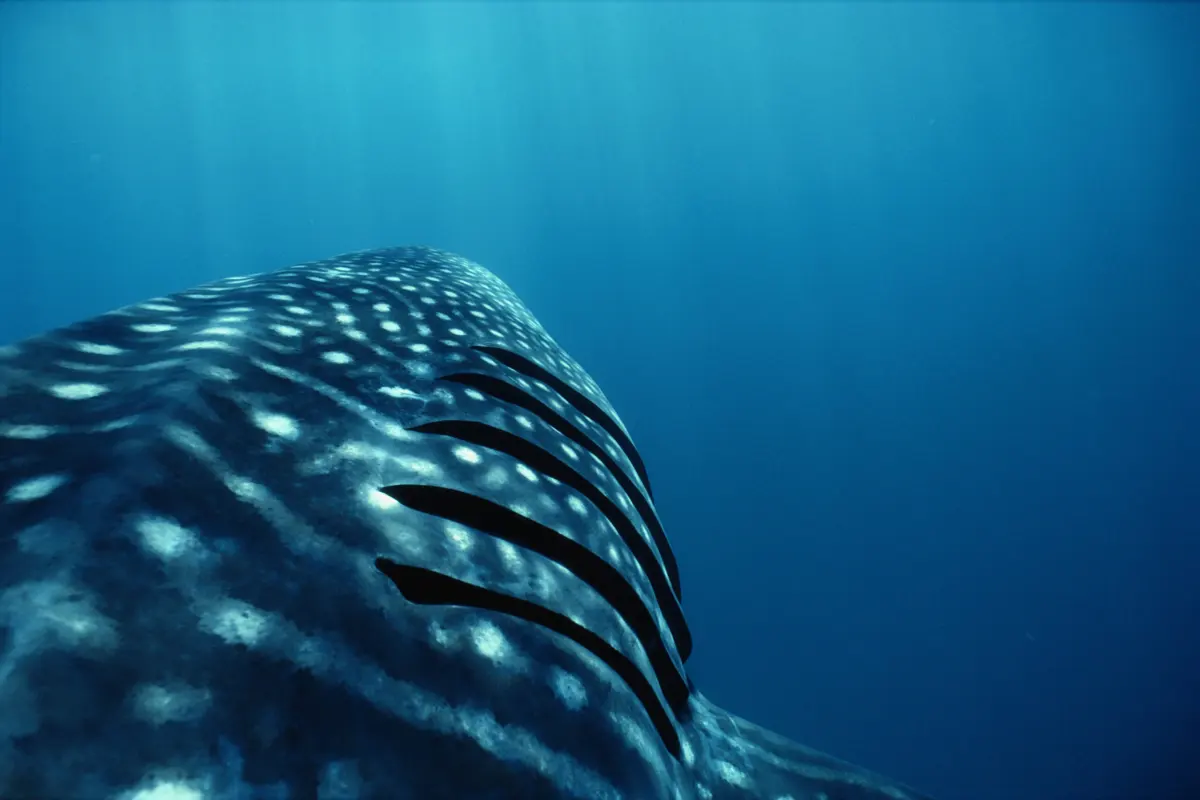
Many species of fish, such as tuna and certain sharks, are known as obligate ram ventilators. These fish must swim constantly with their mouths open to force a continuous stream of oxygenated water over their gills. If these fish stop moving, the flow of water ceases, and they quickly suffocate. This evolutionary adaptation is common in high-performance predators that require a constant, high-volume supply of oxygen to fuel their rapid swimming speeds.
Other fish, however, use a buccal pumping mechanism to breathe while stationary. By rhythmically opening and closing their mouths and moving their opercula, they create a pressure gradient that pulls water in and pushes it across the gills. This allows them to remain still or rest on the ocean floor without risking oxygen deprivation. Understanding these two distinct methods helps explain why aquarium owners must provide different environmental conditions depending on the specific species they keep.
- Ram ventilators: Require constant forward motion to breathe.
- Buccal pumpers: Use mouth and gill cover movements to circulate water.
- Passive breathers: Often found in sedentary species that inhabit oxygen-rich environments.
How do fish breathe in low oxygen?
Not all aquatic environments are rich in oxygen. In stagnant ponds or deep, cold water, oxygen levels can drop significantly, forcing fish to adapt. Some species have developed accessory breathing organs that allow them to gulp air from the surface. For example, the labyrinth organ in gouramis and bettas acts like a primitive lung, enabling them to survive in water that would be fatal to other fish.
Other fish, like the lungfish, possess true lungs that allow them to survive for extended periods out of water or in completely dried-up riverbeds. These fish can enter a state of dormancy called estivation, where their metabolic rate drops to near zero. When oxygen is scarce, these physiological adaptations prevent suffocation, demonstrating the incredible diversity of survival strategies within the class Actinopterygii.
- Locate the surface if oxygen levels in the water column become depleted.
- Inhale atmospheric air using specialized structures like the labyrinth organ.
- Store the air in internal cavities where oxygen is absorbed into the blood.
- Exhale waste gases back into the water or air before repeating the cycle.
Common mistakes when keeping fish
A frequent error among hobbyists is failing to provide adequate aeration in an aquarium. Even if a fish is not a ram ventilator, it still requires dissolved oxygen to survive. Overstocking a tank is a common mistake that leads to oxygen depletion, as too many fish consume the available oxygen faster than it can be replenished. Without proper filtration or air stones, the water quality degrades, leading to stressed or dying fish.
Another mistake is ignoring water temperature. Warmer water holds significantly less dissolved oxygen than cold water. If a tank is kept at an inappropriately high temperature, the fish may show signs of respiratory distress, such as gasping at the surface. Maintaining the correct temperature and ensuring a strong surface current are vital for gas exchange. Always monitor the behavior of your fish; if they are frequently hovering at the surface, it is a clear indicator that the oxygen levels are insufficient for their needs.
Why do fish die when taken out of water?
When a fish is removed from its aquatic environment, the delicate lamellae of the gills lose the support of the water. In the air, these filaments collapse and stick together, drastically reducing the surface area available for gas exchange. Even if the fish is surrounded by air, which contains much more oxygen than water, the gills cannot function because they are designed to work only when bathed in a liquid medium.
Furthermore, the gills are not equipped to handle the dryness of the air. The thin membranes quickly dehydrate, causing the tissue to become damaged and ineffective. Without the ability to move water across the lamellae, the fish cannot move oxygen into its bloodstream or expel carbon dioxide. This rapid buildup of carbon dioxide and lack of oxygen leads to suffocation, even though the fish is technically surrounded by an oxygen-rich atmosphere. This is why keeping fish submerged is the only way to ensure their biological systems continue to function properly.
Key facts
- Fish extract dissolved oxygen from water using specialized organs called gills, which consist of feathery filaments rich in blood vessels.
- Water must flow continuously over the gills to facilitate gas exchange, which is why many fish keep their mouths moving constantly.
- Counter-current exchange is the biological mechanism where blood flows in the opposite direction of water, allowing fish to extract up to 80% of available oxygen.
- Some species, like the lungfish, possess primitive lungs and can survive in oxygen-poor water by gulping air from the surface.
- A common mistake is assuming fish breathe water molecules; they actually breathe the oxygen gas ($O_2$) trapped between water molecules.
- Water contains significantly less oxygen than air, which is why fish must process large volumes of water to sustain their metabolic needs.
The bottom line
Fish breathe through a highly efficient process called counter-current exchange, which allows them to extract vital oxygen from water using their gills. By moving water across these specialized filaments, they maintain a constant supply of oxygen for their blood. Understanding this biological mechanism highlights the importance of water quality and movement in aquatic environments, ensuring that fish can thrive in their specific habitats without suffering from oxygen deprivation.
People also ask
Do all fish need to live in water to breathe?
Most fish rely entirely on gills and require water to survive, but some species like the mudskipper can breathe through their skin while on land. These amphibious fish must keep their skin moist to allow oxygen to diffuse into their bloodstream.
Why do fish die when they are taken out of the water?
When removed from water, the delicate gill filaments collapse and stick together, drastically reducing the surface area available for gas exchange. The fish essentially suffocates because it can no longer absorb enough oxygen from the surrounding air.
Can fish drown?
Yes, fish can drown if they are unable to move water over their gills or if the water lacks sufficient dissolved oxygen. This often happens if a fish is caught in a net or if a body of water becomes stagnant and depleted of oxygen.
Do fish breathe faster when the water is warm?
Warmer water holds less dissolved oxygen than cold water, forcing fish to increase their respiration rate to meet their metabolic demands. This increased activity consumes more energy, which can lead to stress or death if temperatures rise too high.
How do baby fish breathe before they hatch?
Developing embryos inside fish eggs absorb oxygen directly through the egg membrane from the surrounding water. As the embryo grows, it develops a network of blood vessels that facilitate this passive gas exchange until it is ready to hatch.
Do sharks have to keep swimming to breathe?
Many sharks use "obligate ram ventilation," meaning they must swim forward to force oxygenated water into their mouths and over their gills. If these specific species stop moving, they will stop receiving oxygen and eventually suffocate.
This answer was created with the help of AI research tools and reference sources. Spotted an error? Let us know — we correct mistakes quickly. See our editorial policy.