What do monarch butterflies eat?
Short answer
Monarch butterflies have a specialized diet that changes throughout their life cycle. As larvae, they feed exclusively on milkweed plants, which provide essential toxins for defense. As adults, they consume nectar from a wide variety of flowering plants to gain the energy needed for flight, reproduction, and their long-distance migration.
On this page
What do monarch caterpillars eat?
Monarch caterpillars, or larvae, are dietary specialists that feed almost exclusively on plants in the genus Asclepias, commonly known as milkweed. This evolutionary adaptation is critical because milkweed contains cardenolides, which are toxic compounds that most other insects cannot tolerate. By consuming these leaves, the caterpillars sequester the toxins in their bodies, making them unpalatable and often poisonous to potential predators like birds and spiders.
The caterpillars are voracious eaters, consuming large quantities of milkweed leaves as they grow through five distinct stages, known as instars. During this period, they can increase their body mass by nearly 2,000 times. A single caterpillar will typically consume about 20 to 30 leaves throughout its development. Because they rely entirely on this genus, the survival of the monarch population is directly tied to the availability of healthy milkweed plants across North America.
Why do monarchs need milkweed?
The relationship between monarchs and milkweed is one of the most well-documented examples of co-evolution in the insect world. Beyond providing food, the plant serves as the only host for monarch eggs. Female butterflies use specialized sensors on their feet to detect the presence of host plants, ensuring they lay their eggs only where their offspring will have access to the necessary nutrients.
Without milkweed, the monarch life cycle cannot proceed. The toxins ingested during the larval stage persist even after the butterfly undergoes metamorphosis into an adult. This chemical defense mechanism is a primary reason why monarchs are so successful in the wild. If you are planning to support monarchs in your garden, prioritize planting native milkweed species rather than tropical varieties, as native plants are better synchronized with the local environment and the specific needs of migrating populations.
What do adult monarch butterflies eat?
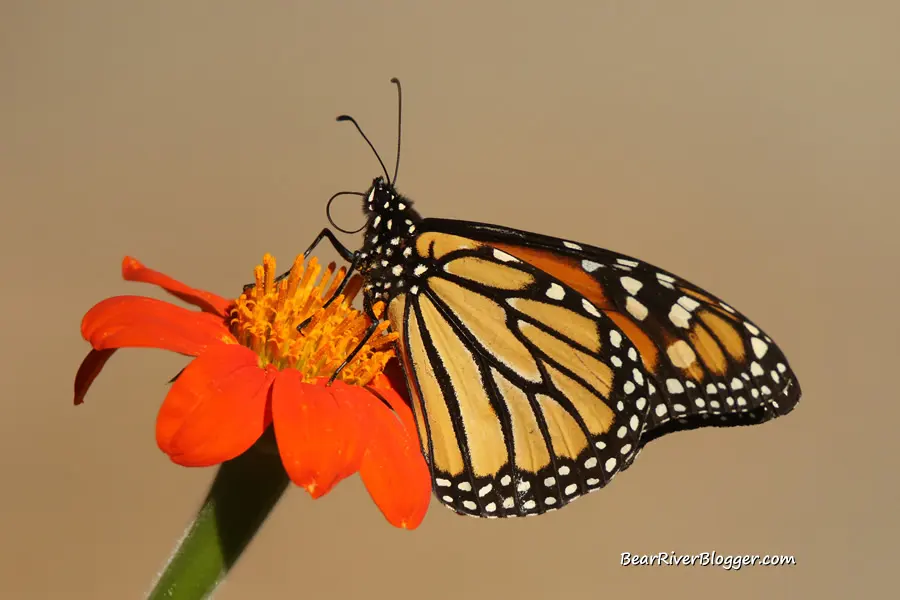
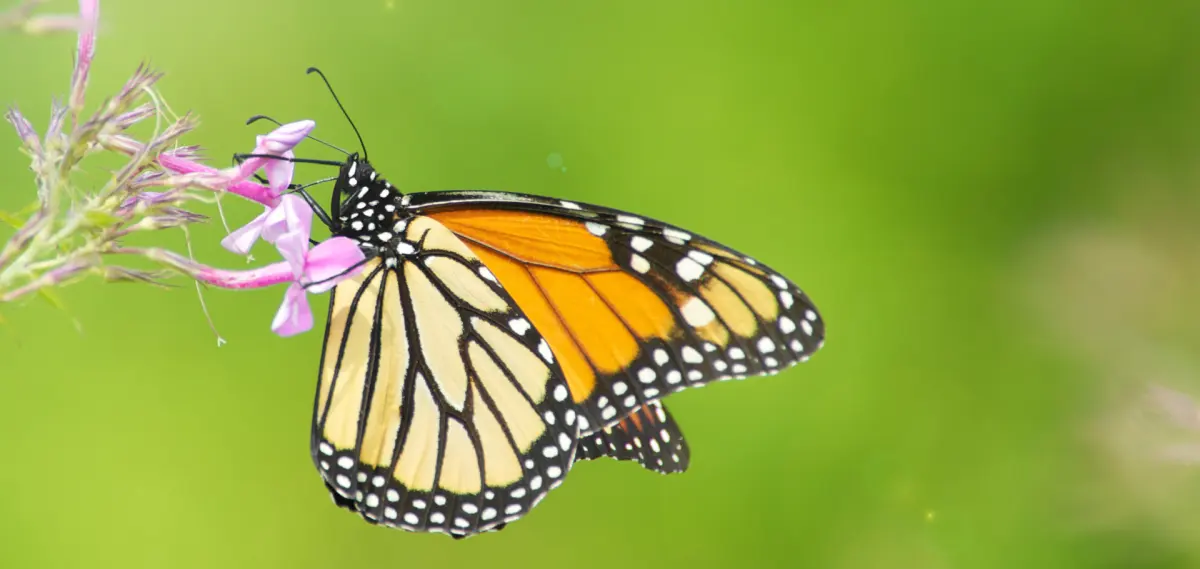
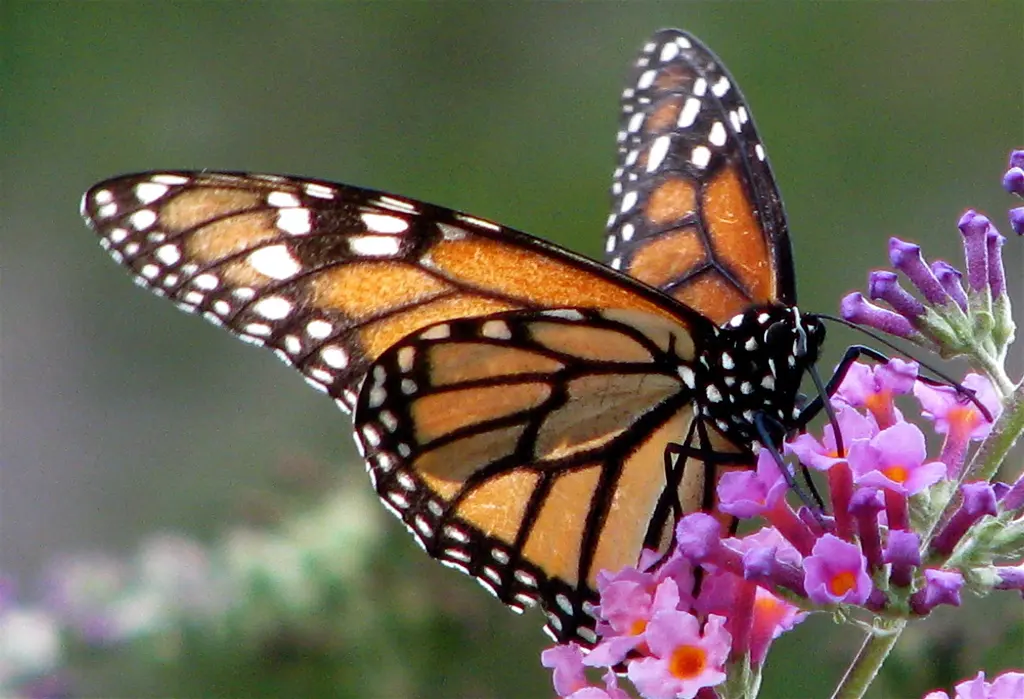
Adult monarchs transition from leaf-eaters to nectar-drinkers. Their primary food source is the nectar found in a wide variety of flowers. Unlike the larvae, which are restricted to one genus, adults are generalists and will visit many different types of blooms to fuel their high-energy activities. Nectar provides the sugars necessary for flight, while also offering the hydration required for survival during hot summer months.
To maintain a healthy population in your area, consider providing a diverse array of nectar sources that bloom at different times throughout the season. This ensures that monarchs have a steady food supply from their arrival in the spring until their departure for migration in the autumn. Focus on plants that are rich in nectar and easily accessible for a butterfly's long, straw-like proboscis.
- Purple Coneflower (Echinacea purpurea)
- Blazing Star (Liatris spicata)
- Joe-Pye Weed (Eutrochium purpureum)
- Goldenrod (Solidago species)
- Aster (Symphyotrichum species)
How to create a monarch-friendly garden
Creating a habitat for monarchs requires a balance between host plants for caterpillars and nectar plants for adults. A successful garden should be situated in a sunny location, as butterflies are cold-blooded and rely on solar heat to warm their flight muscles. Avoid using chemical pesticides or herbicides, as these can kill the caterpillars or contaminate the nectar sources that adults depend on for survival.
When designing your space, follow these steps to maximize your impact:
- Identify the native milkweed species for your specific region to ensure they grow well and support local monarch populations.
- Group plants of the same species together in "drifts" to make them easier for butterflies to spot from the air.
- Provide a water source, such as a shallow dish filled with sand and water, which allows butterflies to "puddle" and collect essential minerals.
- Maintain the garden throughout the season, removing invasive weeds that might compete with your milkweed and nectar plants.
Common mistakes when feeding monarchs
One of the most frequent errors gardeners make is planting non-native tropical milkweed (Asclepias curassavica) in regions where it does not naturally occur. This plant does not die back in the winter, which can encourage monarchs to stay in areas where they should be migrating, potentially exposing them to freezing temperatures or high parasite loads. Always research which species are indigenous to your specific zip code to ensure you are providing safe, natural resources.
Another common mistake is failing to provide a continuous bloom cycle. If your garden only has flowers in mid-summer, monarchs passing through in the spring or late fall will find no food. Additionally, some people mistakenly attempt to feed butterflies fruit or sugar water. While these may provide temporary energy, they lack the complex nutrients and amino acids found in natural floral nectar. Stick to native plants to provide the most balanced and healthy diet for these insects throughout their entire life cycle.
Key facts
- Monarch caterpillars eat exclusively milkweed leaves, which contain toxins that make the insects unpalatable to predators.
- Adult monarch butterflies consume nectar from a wide variety of flowering plants to fuel their long-distance migration.
- Milkweed plants belong to the genus Asclepias and are the only host plants on which monarchs lay their eggs.
- Adult butterflies use their proboscis, a straw-like appendage, to siphon liquid nectar from deep within flowers.
- Avoid planting tropical milkweed in southern climates, as it can persist through winter and disrupt natural migration patterns.
- Pesticides and herbicides are highly lethal to monarchs; always plant organic, native flowers to ensure a safe food supply.
The bottom line
To support monarch butterflies, you must provide the right food at the right life stage. Caterpillars require native milkweed plants to grow, while adults need a continuous supply of nectar-rich flowers throughout their migration. By planting a diverse garden of native species and avoiding chemical pesticides, you provide the essential fuel these insects need to complete their remarkable life cycle and survive their long annual journey.
People also ask
Do monarch butterflies eat anything other than nectar?
While nectar is their primary energy source, adults occasionally sip water from damp soil or mud to obtain essential minerals and salts. This behavior, known as puddling, is more common in males.
How much milkweed does a single caterpillar eat?
A single monarch caterpillar can consume about 20 to 30 leaves of milkweed during its two-week growth cycle. By the time it is ready to pupate, it has increased its body mass by nearly 2,000 times.
Are all types of milkweed safe for monarchs?
Most native milkweed species are excellent, but non-native tropical milkweed can harbor parasites if it does not die back in winter. It is best to choose native species specific to your local region.
Do adult monarchs eat milkweed leaves?
No, adult monarch butterflies do not eat milkweed leaves. They only visit milkweed flowers for nectar and use the leaves as a nursery for their eggs.
Can I feed monarchs sugar water?
While sugar water can provide emergency energy, it lacks the complex nutrients found in floral nectar. It should only be used as a last resort for an injured butterfly.
Why are milkweed plants disappearing?
The widespread use of herbicides in industrial agriculture has significantly reduced the presence of milkweed in crop fields. Habitat loss due to urban development also limits the available food for caterpillars.
This answer was created with the help of AI research tools and reference sources. Spotted an error? Let us know — we correct mistakes quickly. See our editorial policy.