Do fish feel pain?
Short answer
Scientific consensus increasingly supports the view that fish possess the biological capacity to feel pain. While their nervous systems differ from mammals, studies show they have nociceptors and exhibit behavioral responses to noxious stimuli. Most researchers now conclude that fish likely experience pain as a conscious, unpleasant sensation rather than mere reflex.
On this page
Do fish have the anatomy to feel pain
For decades, many scientists argued that fish lacked the complex brain structures, such as a neocortex, required to experience pain. However, recent anatomical research has identified nociceptors—specialized sensory receptors—in the skin, lips, and gills of many fish species. These receptors respond to harmful stimuli, such as high heat or chemical irritants, by sending electrical signals through the nervous system.
While fish brains are organized differently than human brains, they possess homologous structures that process sensory information. The telencephalon in fish, for example, shares functional similarities with the mammalian amygdala, a region involved in emotional processing. When researchers inject noxious substances into a fish's lips, they observe physiological changes similar to those seen in mammals, including increased heart rates and altered breathing patterns. This suggests that the signal is not just a simple spinal reflex but is processed at a higher level of the central nervous system.
How do researchers test if fish feel pain
To determine if fish experience pain, scientists look for behavioral changes that go beyond automatic "fight or flight" responses. A landmark study conducted in 2003 by Dr. Lynne Sneddon involved injecting bee venom or acetic acid into the lips of rainbow trout. The fish subsequently exhibited behaviors such as rocking on the bottom of the tank and rubbing their lips against the substrate, actions that were not observed in control groups.
Researchers also utilize "trade-off" experiments to see if fish will endure discomfort to access rewards. In these tests, fish are presented with a choice between a barren environment and one with food, but the food is located in an area that has been made unpleasant. The following observations are common in these studies:
- Fish will avoid areas associated with previous pain even when food is present.
- When given painkillers like morphine, fish show a significant reduction in avoidance behaviors.
- The cognitive ability of fish to remember painful events suggests a level of awareness that simple reflexes cannot explain.
Why do some people still doubt fish pain
The debate persists largely because pain is a subjective experience that cannot be directly measured in non-human animals. Skeptics argue that because fish lack a neocortex, they cannot have the conscious, emotional experience of suffering that humans associate with pain. They suggest that the behaviors observed in studies are merely complex, pre-programmed survival reflexes that do not require consciousness.
Another point of contention involves the definition of "pain" versus "nociception." Nociception is the physiological process of detecting a harmful stimulus, which is almost universally accepted as present in fish. The disagreement centers on whether this detection is accompanied by the psychological state of suffering. Critics maintain that without the specific brain architecture found in primates, fish cannot translate these signals into an emotional experience. However, the field of animal welfare science has largely shifted toward the precautionary principle, which suggests that if an animal shows signs of distress, it should be treated as if it feels pain.
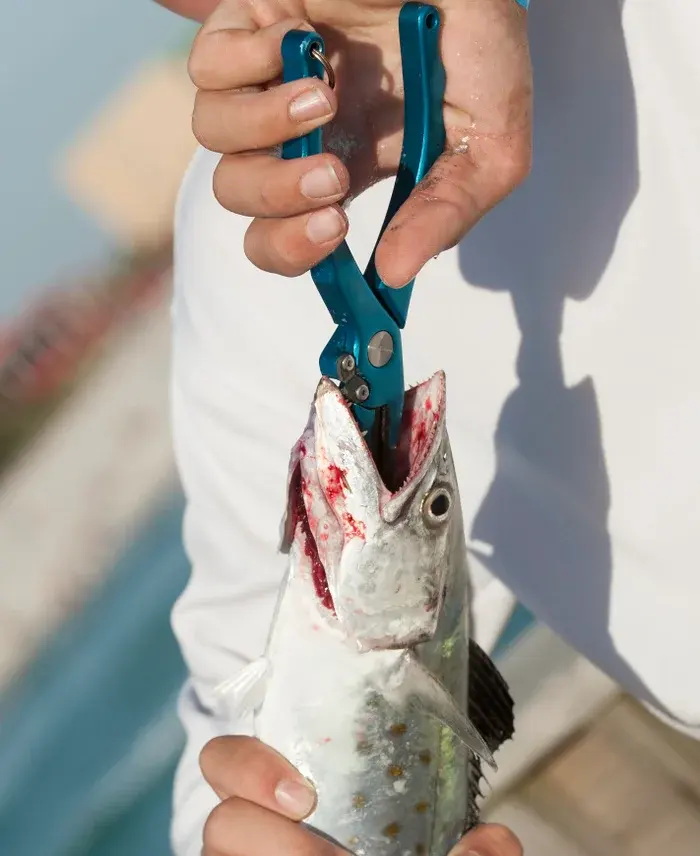
Common mistakes when handling fish
Many people assume that because fish live in a different environment, they are immune to the physical trauma that affects land animals. This leads to common errors in handling that can cause unnecessary suffering. Whether you are an angler or a pet owner, avoiding these mistakes is essential for ethical treatment.
- Avoid handling fish with dry hands, as this strips away their protective slime coat and makes them susceptible to infections.
- Never hold a fish by its gills or eyes, as these are highly sensitive areas packed with nerve endings.
- Do not keep fish out of water for extended periods, as the collapse of their gill filaments causes significant distress and difficulty breathing.
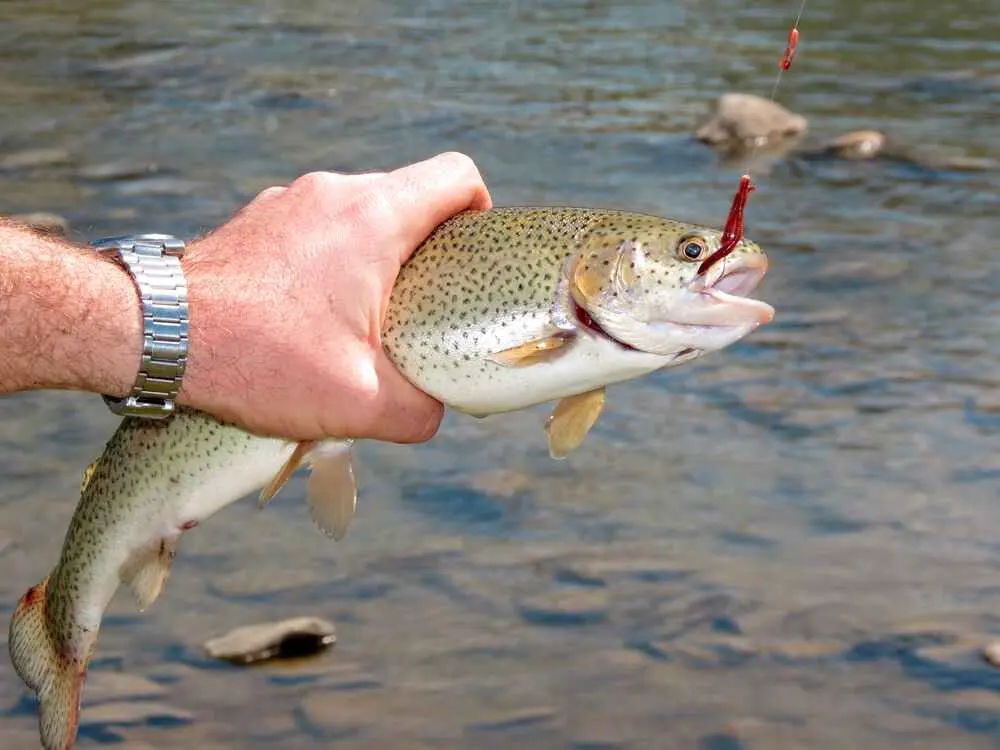
- Use barbless hooks when fishing to minimize tissue damage and ensure the hook can be removed quickly without tearing delicate mouth structures.
- If keeping fish in an aquarium, ensure water quality is maintained, as poor pH levels or ammonia spikes can cause chronic chemical irritation to the gills.
Best practices for ethical fish keeping
If you keep fish as pets, your primary responsibility is to provide an environment that minimizes stress and potential pain. A well-maintained tank is the most effective way to ensure the long-term health and comfort of your aquatic companions. Focus on these key areas to create a humane habitat:
- Research the specific social needs of your species, as isolation can cause significant stress in schooling fish.
- Monitor water parameters weekly to prevent chemical burns or respiratory distress caused by poor oxygenation.
- Provide adequate hiding spots, such as caves or dense plants, so the fish can retreat when they feel threatened.
By acknowledging that fish are sentient beings capable of experiencing discomfort, owners can improve their quality of life. Providing a stable, clean environment and handling them with care demonstrates a commitment to their welfare. While we may never fully understand the inner life of a fish, the evidence strongly suggests that treating them as if they feel pain is the most responsible and ethical approach to take.
Key facts
- Fish possess nociceptors, which are specialized nerve endings that detect potentially damaging stimuli like heat or pressure.
- Scientific studies, such as those conducted by Dr. Lynne Sneddon in 2003, demonstrated that trout injected with bee venom exhibited behaviors consistent with pain.
- Unlike mammals, fish lack a neocortex, leading some researchers to argue that their experience of pain may be purely reflexive rather than emotional.
- To minimize distress during catch-and-release fishing, avoid handling fish with dry hands, as this removes their protective slime coat.
- Using barbless hooks significantly reduces tissue damage and allows for a faster, less traumatic release of the animal.
- Keep fish in the water as much as possible while unhooking them to ensure they can continue to respire through their gills.
The bottom line
The question of whether fish feel pain remains a subject of active scientific debate. While they possess the biological hardware to detect noxious stimuli and exhibit behavioral changes consistent with distress, their lack of a neocortex suggests their experience differs fundamentally from human consciousness. For anglers and hobbyists, the most responsible approach is to prioritize humane handling practices that minimize physical trauma and environmental stress.
People also ask
Do fish experience emotions like fear or joy?
While fish demonstrate complex behaviors such as social learning and memory, there is no scientific consensus that they experience emotions in the same way humans do. Most researchers categorize their reactions as survival-based responses to environmental stimuli.
Is it cruel to keep fish in a home aquarium?
Keeping fish in an aquarium is not inherently cruel if the environment meets their specific biological needs. Providing adequate filtration, appropriate tank size, and species-specific enrichment prevents stress and promotes long-term health.
Do all fish species react to pain in the same way?
Pain perception varies significantly across the thousands of fish species, ranging from simple reflexes in some to complex behavioral changes in others. Research is currently ongoing to determine how different physiological structures influence these varying responses.
Can fish feel pain when they are caught on a hook?
Evidence suggests that fish experience a physiological stress response when hooked, indicated by increased cortisol levels and avoidance behaviors. Experts generally agree that the mouth area of a fish is sensitive, making the act of hooking a source of physical discomfort.
How does water temperature affect a fish's pain response?
Extreme temperatures can alter a fish's metabolism and sensory perception, potentially masking or intensifying their reaction to injury. Maintaining stable, species-appropriate water temperatures is essential for minimizing physiological stress in captive environments.
Why do some scientists argue that fish do not feel pain?
The argument rests on the absence of a highly developed neocortex, the brain region responsible for conscious pain perception in humans. Skeptics suggest that what appears to be pain is actually a hard-wired, unconscious reflex designed to protect the organism from harm.
This answer was created with the help of AI research tools and reference sources. Spotted an error? Let us know — we correct mistakes quickly. See our editorial policy.