What is the difference between a cougar and a mountain lion?
Short answer
There is no biological difference between a cougar and a mountain lion. Both terms refer to the exact same species, Puma concolor. The animal is also known as a panther, puma, or catamount. These various names are simply regional labels used to describe the same large, solitary cat found throughout the Americas.
On this page
Why do cougars have so many names?
The confusion regarding the animal’s identity stems from its vast geographic range. Puma concolor holds the Guinness World Record for the animal with the greatest number of names, appearing in dictionaries with over 40 distinct titles. Because the species historically inhabited territories ranging from the Canadian Yukon to the southern tip of the Andes, different cultures developed unique names to describe the same predator.
Spanish explorers often referred to the cat as a "leon" or lion, while indigenous groups had their own linguistic terms. As European settlers moved across North America, they applied names that felt familiar, such as "mountain lion" or "painter," a corruption of "panther." Despite these linguistic variations, the scientific community recognizes only one species. Regardless of whether you call it a cougar, mountain lion, or puma, you are describing the same biological entity with identical physical traits and behavioral patterns.
How to identify a mountain lion in the wild
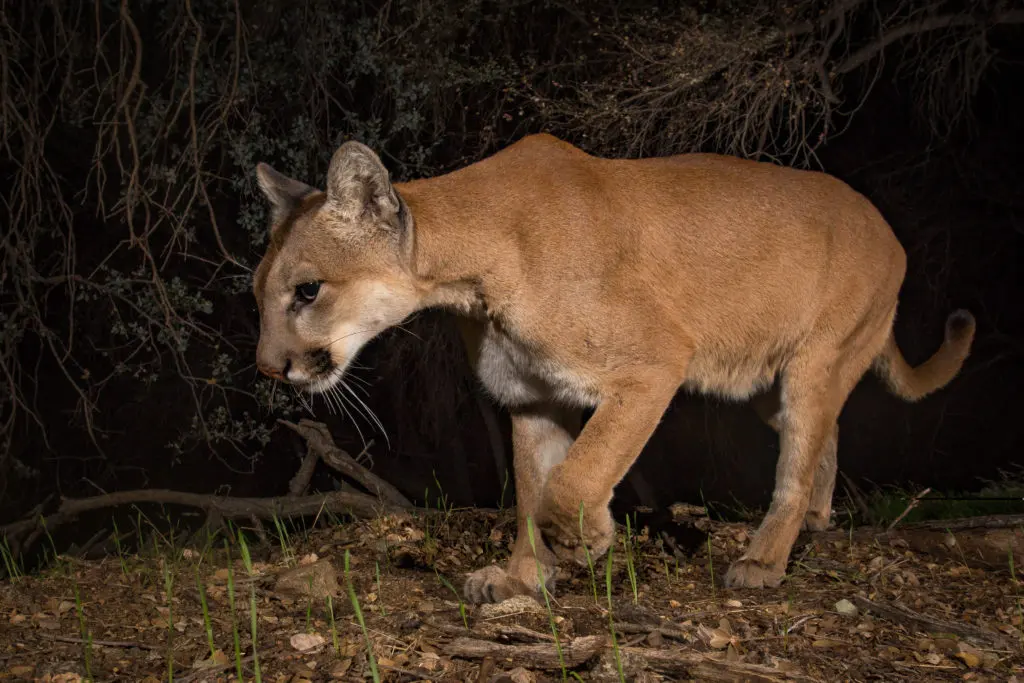
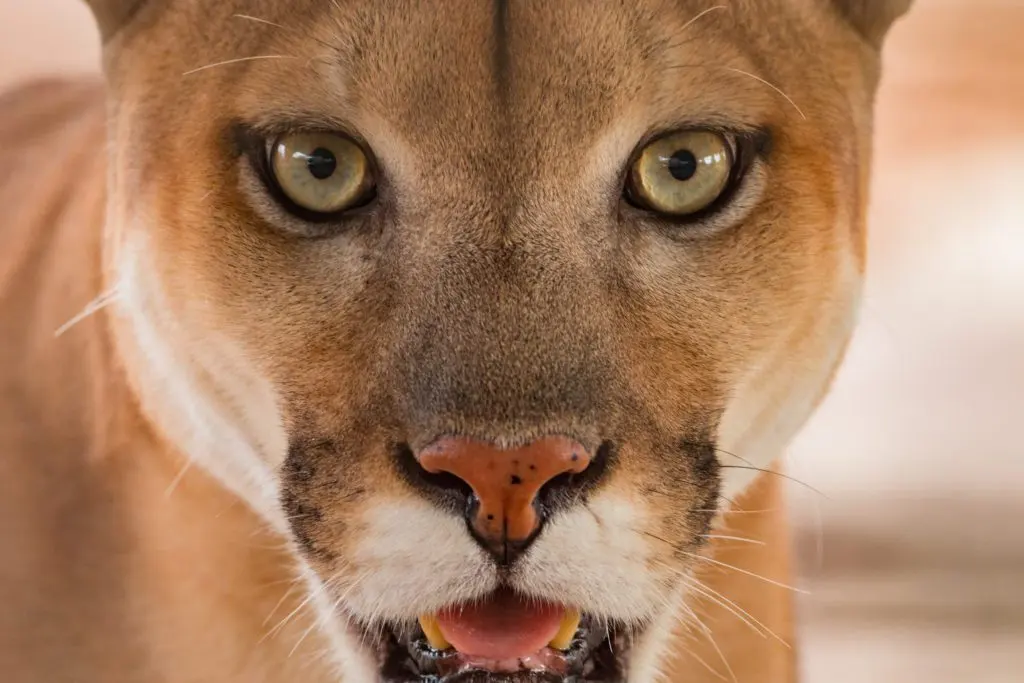
Identifying a mountain lion requires looking for specific physical characteristics that set it apart from other North American predators. These cats are characterized by a solid, tawny-colored coat, a long tail that is often one-third of their total body length, and a small, rounded head. They lack the spots seen on jaguars or the stripes found on tigers, presenting a sleek and muscular appearance that is built for agility.
When observing these animals in the field, keep the following identification tips in mind:
- Look for the black-tipped tail, which is a hallmark of the species.
- Note the dark patches on either side of the muzzle, which look like whiskers.
- Observe the ears, which are small, rounded, and solid-colored on the back.
- Pay attention to the gait; they move with a low, fluid, and silent motion.
- Estimate size; adults typically weigh between 60 and 220 pounds depending on their habitat.
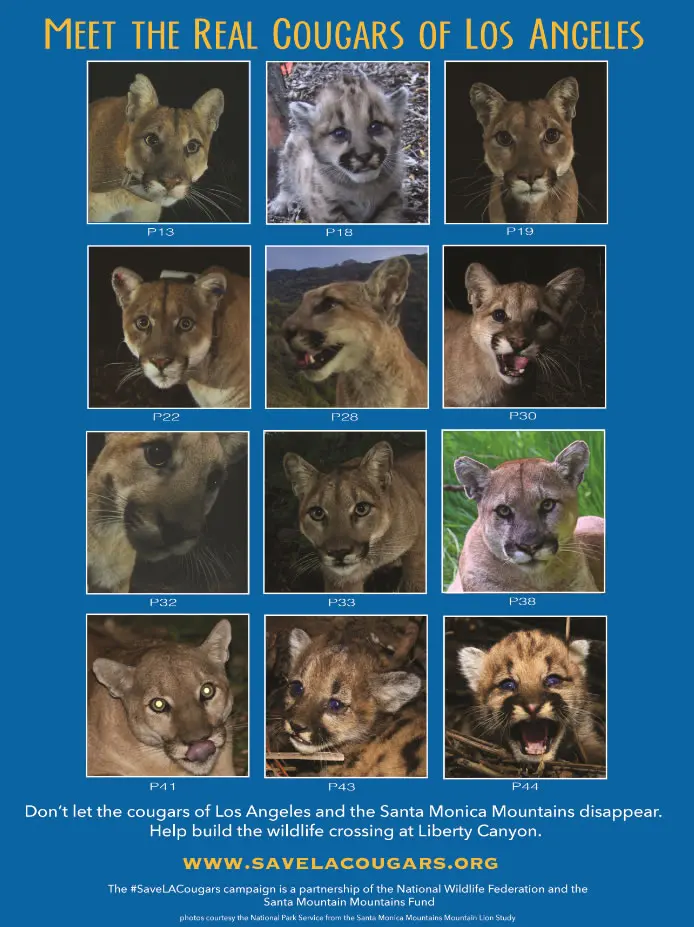
Where do cougars live today?
Mountain lions are incredibly adaptable, allowing them to occupy a diverse array of environments. They are found in high-altitude mountain ranges, dense forests, desert scrublands, and even swampy areas like the Florida Everglades. Their range is primarily determined by the availability of prey, such as deer, and the presence of sufficient cover to remain undetected while hunting.
While they were once found across almost all of North America, their range has been significantly reduced due to human expansion and habitat fragmentation. Today, their primary strongholds are in the western half of the United States, Canada, and throughout Central and South America. They are solitary creatures that require large home ranges to survive, often patrolling territories that can span over 100 square miles. Because they are shy and elusive, they often live in closer proximity to human developments than most people realize, though they actively avoid contact with humans whenever possible.
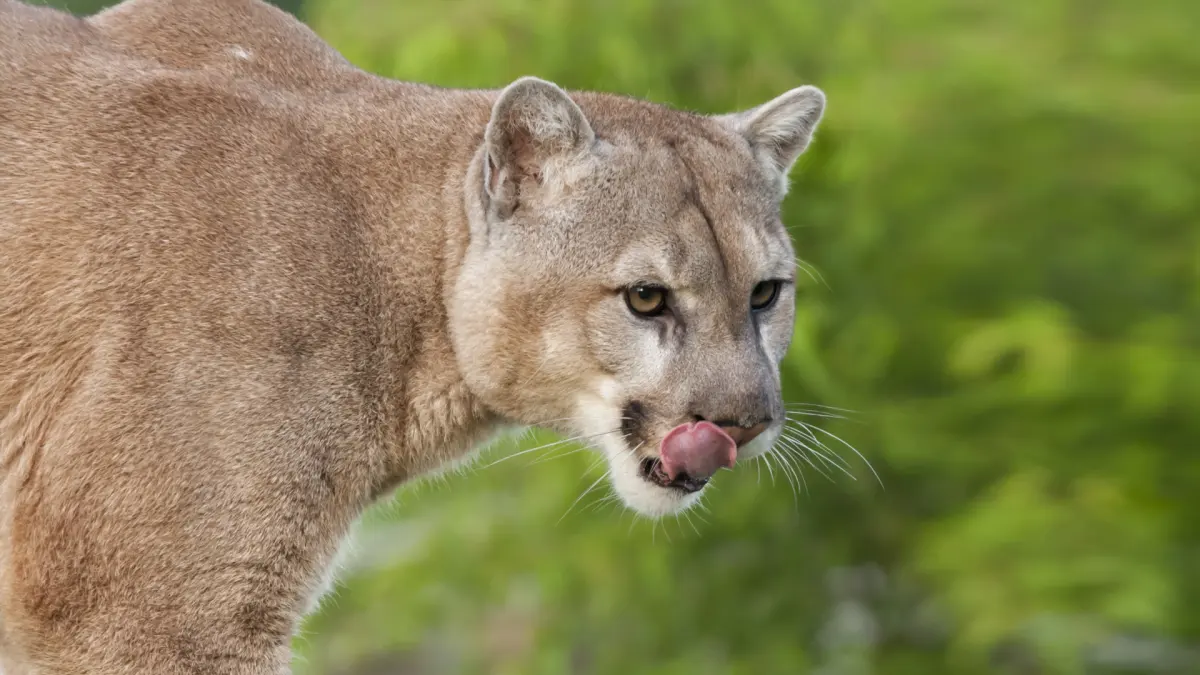
Common mistakes when identifying big cats
A frequent error is confusing the mountain lion with other large cats or even domestic animals. Many people mistakenly identify a bobcat as a mountain lion, but the two are easily distinguished by size and tail length. A bobcat is significantly smaller, typically weighing under 40 pounds, and possesses a very short, "bobbed" tail that lacks the long, sweeping appearance of a mountain lion’s tail.
Another common mistake involves misinterpreting animal tracks or sounds. People often attribute strange woodland noises to mountain lions, even though the cats are generally silent and rarely vocalize unless they are mating or communicating with kittens. When evaluating potential sightings, consider these steps to ensure accuracy:
- Examine the footprint for a lack of claw marks, as mountain lions keep their claws retracted while walking.
- Measure the track; a mountain lion’s paw print is usually 3 to 4 inches wide.
- Check for the "M" shape at the base of the heel pad, which is a key diagnostic feature of feline tracks.
- Consult local wildlife experts if you find evidence of a kill, as mountain lions typically drag their prey to a secluded spot.
How to stay safe in cougar country
If you are hiking or living in areas where mountain lions are present, it is essential to prioritize safety and awareness. While attacks are extremely rare, understanding how to behave in the presence of a predator can prevent dangerous encounters. The most important rule is to never run, as this may trigger the animal’s natural predatory instinct to chase.
If you encounter a mountain lion, follow these safety protocols:
- Maintain direct eye contact to show the cat you are aware of its presence.
- Stand your ground and do not crouch or bend over, as this makes you look like prey.
- Make yourself appear larger by raising your arms, opening your jacket, or waving sticks.
- Speak firmly and loudly to the animal without screaming in a high-pitched tone.
- If the cat acts aggressively, throw rocks or branches, but never turn your back on it.
- If you have children with you, pick them up immediately without bending over, keeping them close to your body to prevent them from running away.
Key facts
- Cougar, mountain lion, puma, and panther are all common names for the same species, Puma concolor.
- This cat holds the Guinness World Record for the animal with the greatest number of names in the English language.
- They are the largest cat species in North America that cannot roar, instead producing chirps, whistles, and screams.
- Adult males typically weigh between 130 and 150 pounds, while females usually weigh between 65 and 90 pounds.
- Their range spans from the Canadian Yukon down to the southern Andes in South America.
- If you encounter one, never run; maintain eye contact, stand your ground, and make yourself appear as large as possible.
The bottom line
The most important takeaway is that cougars, mountain lions, and pumas are identical animals. Regional naming conventions often cause confusion, but there is no biological difference between them. Regardless of the name used, these elusive predators are vital to their ecosystems. Understanding their behavior and maintaining situational awareness in their habitat is the best way to ensure safety for both humans and these magnificent wild cats.
People also ask
Are cougars and panthers different animals?
While the term "panther" is sometimes used to describe cougars in the eastern United States, it is also a general term for any large cat with solid-colored fur. In Florida, the specific population of Puma concolor is officially referred to as the Florida panther.
Do mountain lions attack humans frequently?
Attacks on humans are extremely rare, as mountain lions are generally elusive and avoid human contact. Most incidents occur when a person is hiking alone or running in remote areas during dawn or dusk, which are the animal's peak hunting hours.
How can I identify a mountain lion track?
Their tracks are typically 3 to 4 inches wide and lack visible claw marks because they have retractable claws. The heel pad is large and features three distinct lobes at the bottom, distinguishing them from the prints of large domestic dogs.
What should I do if a mountain lion approaches me?
Do not turn your back or run, as this may trigger their predatory chase instinct. Speak firmly and loudly, wave your arms, and throw objects if necessary to convince the animal that you are a threat rather than prey.
Are mountain lions endangered?
The species as a whole is classified as "Least Concern" by the IUCN, though specific subspecies like the Florida panther remain critically endangered. Habitat loss and fragmentation are the primary threats to their long-term survival in fragmented landscapes.
Can mountain lions climb trees?
Yes, they are excellent climbers and often use trees as vantage points or to escape danger. They are also powerful jumpers, capable of leaping up to 15 feet vertically and 40 feet horizontally in a single bound.
This answer was created with the help of AI research tools and reference sources. Spotted an error? Let us know — we correct mistakes quickly. See our editorial policy.