Are bald eagles endangered?
Short answer
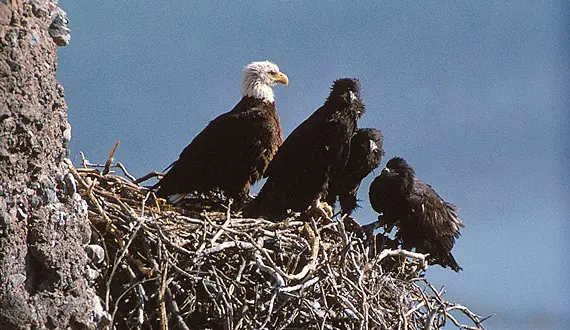
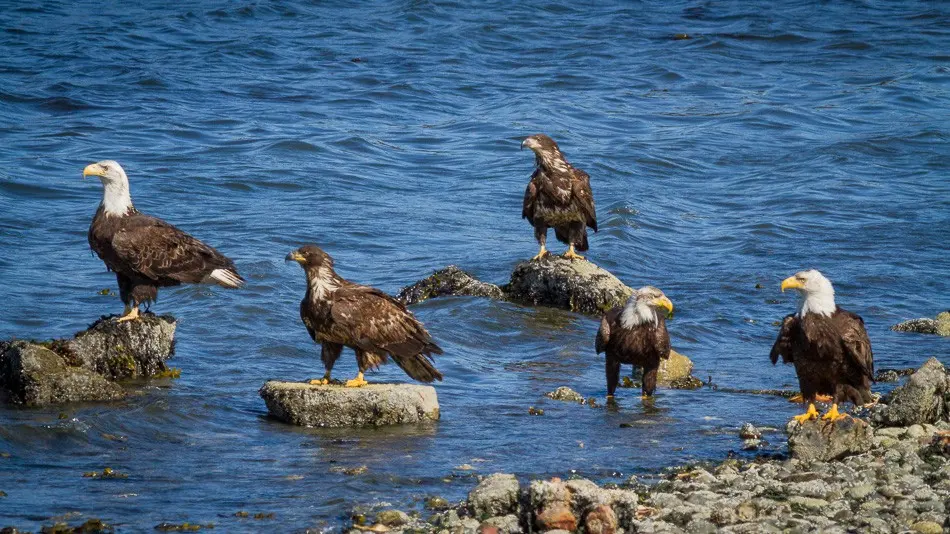
Bald eagles are not currently endangered. Following decades of protection under the Endangered Species Act, their population rebounded significantly. The U.S. Fish and Wildlife Service officially removed the species from the federal list of endangered and threatened wildlife in 2007. They remain protected by federal law to ensure their continued recovery.
On this page
Why were bald eagles endangered?
The bald eagle population faced a severe decline in the mid-20th century due to a combination of habitat loss, illegal shooting, and the widespread use of the pesticide DDT. When eagles consumed fish contaminated with DDT, the chemical interfered with their calcium metabolism. This caused the birds to lay eggs with shells so thin they would break during incubation, leading to reproductive failure across the species.
By 1963, only 417 nesting pairs remained in the lower 48 states. Public concern prompted the federal government to ban DDT in 1972 and grant the species protection under the Endangered Species Act of 1973. These actions halted the population collapse and allowed the birds to recover through captive breeding programs and habitat restoration. Today, the population is estimated to exceed 300,000 individuals across North America.
How are bald eagles protected today?
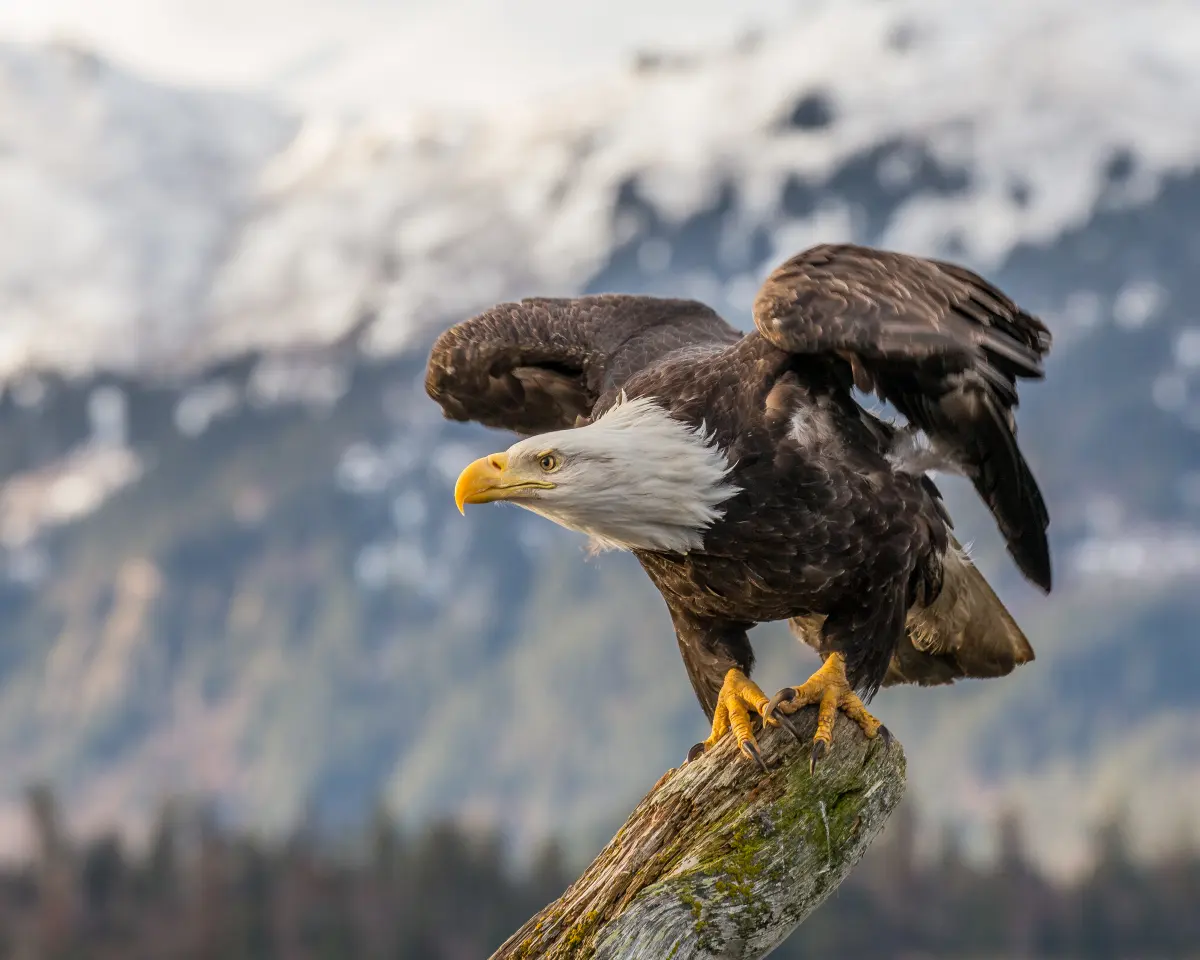
Even though they are no longer on the endangered list, bald eagles remain protected by two primary federal laws: the Bald and Golden Eagle Protection Act and the Migratory Bird Treaty Act. These laws make it illegal to kill, capture, sell, or disturb eagles or their nests. The government continues to monitor populations to ensure that development projects do not negatively impact nesting sites.
Violating these laws can result in significant fines and legal consequences. The protections cover not only the birds themselves but also their eggs and feathers. It is important to understand that these regulations are strictly enforced to prevent a return to the precarious conditions of the past. If you encounter an injured or dead eagle, you should contact your state wildlife agency or the U.S. Fish and Wildlife Service immediately.
Where can I spot a bald eagle?
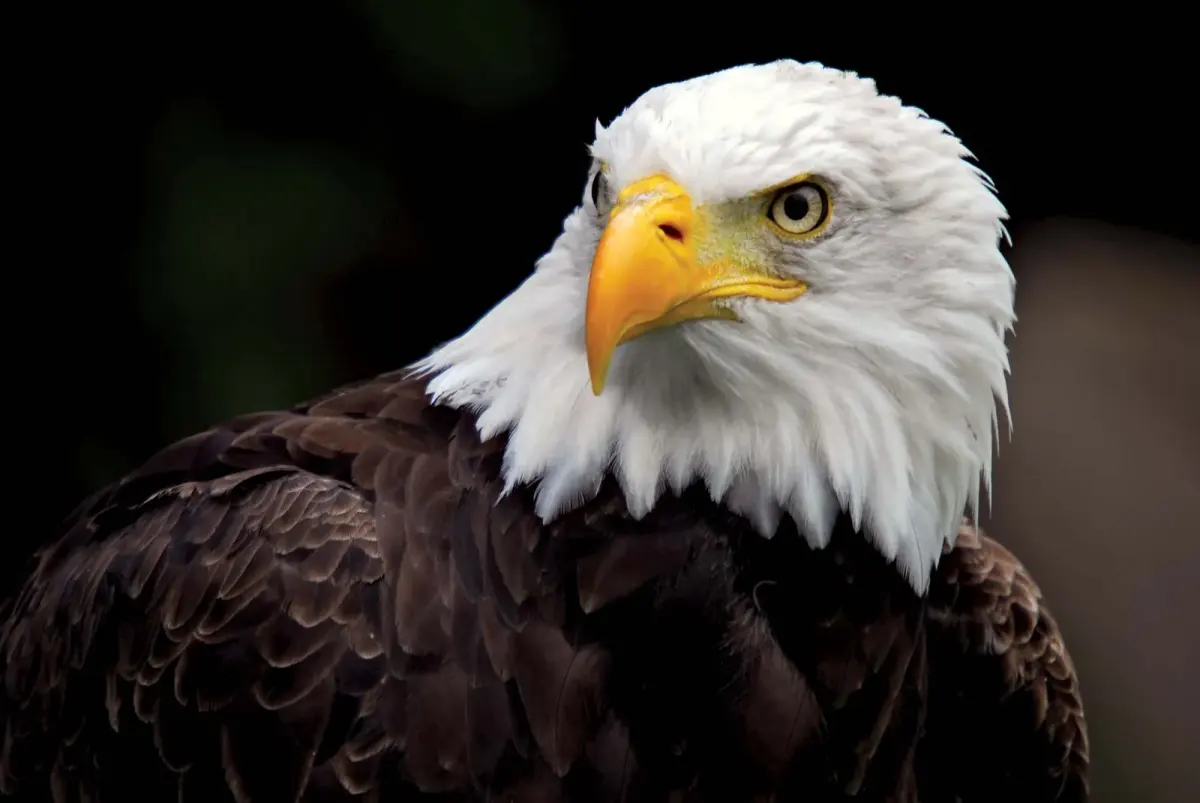
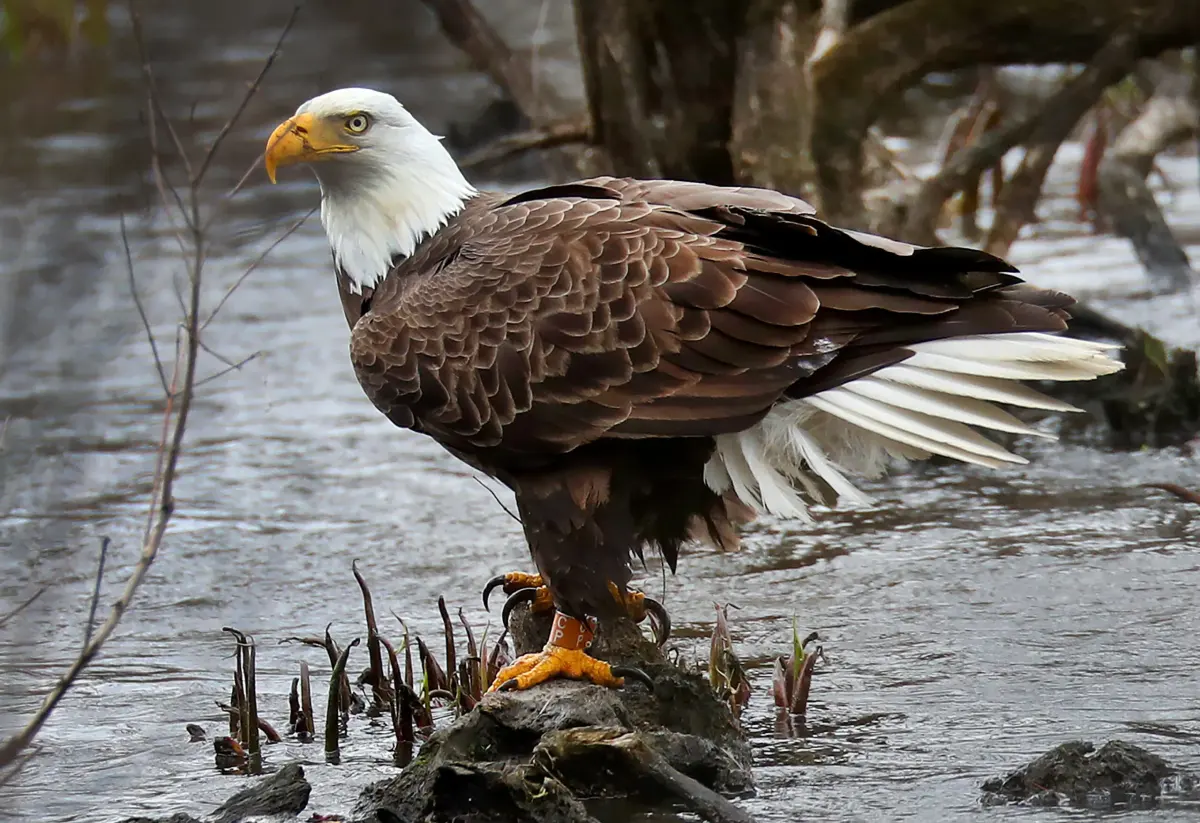
Bald eagles are found throughout most of North America, typically near large bodies of water such as lakes, rivers, and coastal areas. They require vast amounts of fish to sustain their diet and tall, sturdy trees for nesting. During the winter months, some eagles migrate to areas where water remains unfrozen, while others remain in their territory year-round if food is available.
To increase your chances of spotting one, follow these guidelines:
- Visit national wildlife refuges or state parks known for eagle sightings during the winter.
- Use high-quality binoculars or a spotting scope to observe from a distance.
- Look for large, bulky stick nests in the tops of tall trees near shorelines.
- Check areas with open water where fish are easily accessible, especially early in the morning.
Common mistakes when watching eagles
Many people accidentally disturb eagles by getting too close or making excessive noise. Because eagles are sensitive to human presence, especially during the nesting season, approaching a nest can cause the parents to abandon their eggs or chicks. It is essential to remain at least 330 feet away from any nest or perched eagle to avoid causing stress to the birds.
Avoid these common errors during your observation:
- Using drones near nesting sites, which can cause eagles to react defensively.
- Making loud noises or playing recordings of eagle calls to attract them.
- Attempting to feed eagles, which disrupts their natural foraging behaviors.
- Staying too long in one spot if you notice the eagle showing signs of agitation, such as bobbing its head or flying away.
How to help eagle conservation
Supporting eagle conservation is largely about protecting the ecosystems they rely on. You can contribute by participating in local habitat restoration projects, such as cleaning up trash along riverbanks or preventing the use of harmful pesticides in your own garden. Keeping waterways clean ensures that the fish populations eagles depend on remain healthy and abundant.
If you are interested in more active involvement, consider the following steps:
- Support land trusts that preserve wetlands and forests essential for nesting.
- Report any illegal activities, such as poaching or destruction of nests, to local authorities.
- Educate others about the importance of the Bald and Golden Eagle Protection Act.
- Participate in community bird counts, which provide scientists with valuable data on population trends and distribution.
By maintaining these efforts, we ensure that the bald eagle remains a symbol of wilderness rather than a memory of the past. Protecting the environment is the most effective way to safeguard the future of this species for generations to come.
Key facts
- Bald eagles are no longer classified as endangered or threatened under the U.S. Endangered Species Act.
- They were officially removed from the federal endangered species list in 2007 due to successful population recovery.
- The species remains protected under the Bald and Golden Eagle Protection Act and the Migratory Bird Treaty Act.
- Population numbers have surged from fewer than 500 nesting pairs in the lower 48 states in 1963 to over 300,000 today.
- A common mistake is disturbing nesting sites; federal law mandates keeping a buffer zone of at least 330 feet from active nests.
- Never attempt to feed or approach an eagle, as this can cause them to abandon their nests or lose their natural fear of humans.
The bottom line
The bald eagle is a remarkable conservation success story, having recovered from the brink of extinction to reach stable, thriving population levels across North America. While they are no longer endangered, they remain strictly protected by federal law. Responsible observation and habitat preservation are essential to ensure these birds continue to flourish in the wild, free from human interference and environmental degradation.
People also ask
Why were bald eagles once considered endangered?
Their population plummeted primarily due to the widespread use of the pesticide DDT, which caused eagle eggshells to become too thin to survive incubation. Habitat loss and illegal shooting also contributed significantly to their decline throughout the mid-20th century.
Are bald eagles still protected by law?
Yes, they are protected under the Bald and Golden Eagle Protection Act, which prohibits taking, possessing, or transporting eagles, including their parts, nests, or eggs. Violating these laws can result in significant federal fines and imprisonment.
Where is the best place to see a bald eagle in the wild?
Eagles are most commonly found near large bodies of water, such as lakes, reservoirs, and rivers, where fish are abundant. Many national wildlife refuges and state parks offer designated viewing areas during migration or wintering months.
Can I keep a bald eagle feather if I find one on the ground?
No, it is illegal for private citizens to possess any part of a bald eagle, including feathers, without a specific federal permit. If you find a dead eagle or feathers, you should contact your local state wildlife agency or the U.S. Fish and Wildlife Service.
How can I help support bald eagle conservation?
You can support conservation by protecting local wetlands, reducing the use of toxic chemicals in your yard, and supporting organizations that manage wildlife habitats. Reporting injured eagles to local wildlife authorities is also a vital way to assist individual birds.
Do bald eagles mate for life?
Bald eagles are generally monogamous and typically stay with the same mate for life. If one member of the pair dies, the surviving eagle will usually find a new mate to continue nesting and raising young.
This answer was created with the help of AI research tools and reference sources. Spotted an error? Let us know — we correct mistakes quickly. See our editorial policy.