Where can you see cherry blossoms in Vancouver?
Short answer
Vancouver celebrates cherry blossoms from early March through late April, with over 40,000 trees across the city. Prime viewing locations include Queen Elizabeth Park, Stanley Park, and residential neighborhoods like Kitsilano. The Vancouver Cherry Blossom Festival provides an interactive map to track peak bloom times across various species and city districts.
On this page
Where to see cherry blossoms in Vancouver
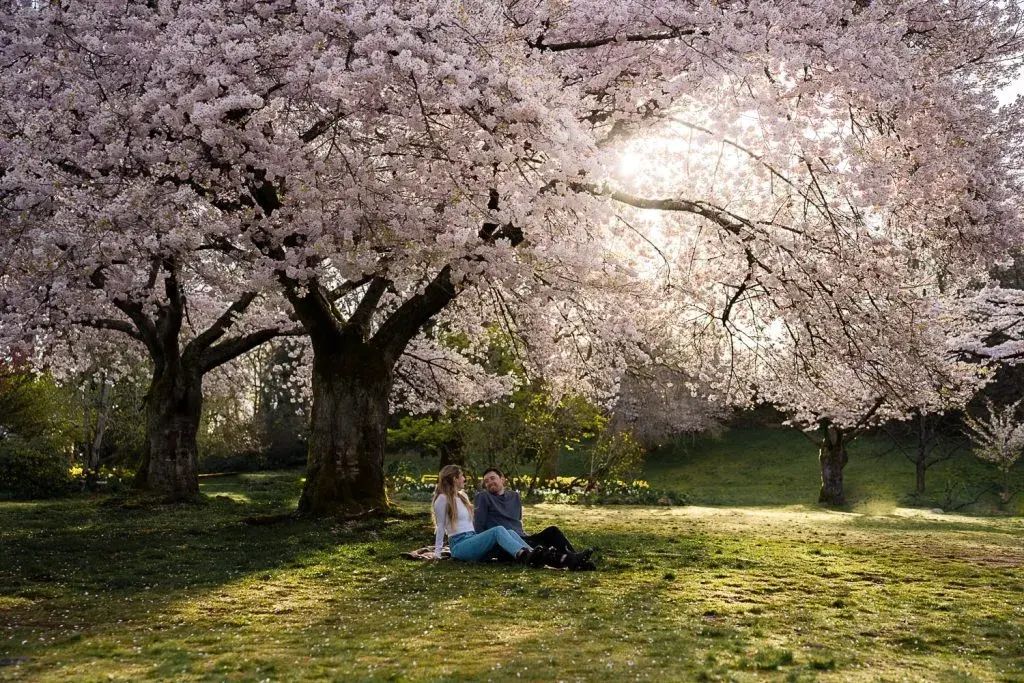
The city of Vancouver is home to a vast collection of ornamental cherry trees, many of which were gifted by Japan in the 1930s. These trees are scattered throughout public parks, botanical gardens, and quiet residential streets. Because different varieties bloom at different times, the season often stretches across two full months. Most displays begin with the early-blooming Akebono and Somei-Yoshino varieties, followed later by the vibrant, deep pink Kanzan trees.
If you are looking for the most iconic displays, prioritize these specific locations:
- Queen Elizabeth Park: Features a massive collection of trees near the Bloedel Conservatory and the park’s northern entrance.
- Stanley Park: Offers a scenic backdrop of mountains and ocean, particularly near the Japanese Canadian War Memorial.
- UBC Botanical Garden: A quieter, more academic setting that showcases rare varieties and provides an immersive forest-like experience.
- Nitobe Memorial Garden: An authentic Japanese tea garden that provides a serene, traditional atmosphere for viewing blossoms.
When is the best time to see cherry blossoms
The timing of the bloom depends heavily on the winter weather and early spring temperatures. Generally, the season begins in early March and reaches its peak by late March or early April. However, a particularly cold spring can delay the blossoms by several weeks, while an unusually warm February may trigger early flowering. It is essential to monitor the city’s official bloom tracker, which updates daily as trees transition from tight buds to full, fluffy canopies.
To plan your visit effectively, follow these seasonal guidelines:
- Early March: Look for the first signs of pink in warmer microclimates, such as downtown streets and south-facing slopes.
- Late March to Early April: Experience the peak bloom, where the majority of the city’s 40,000 trees are in full color.
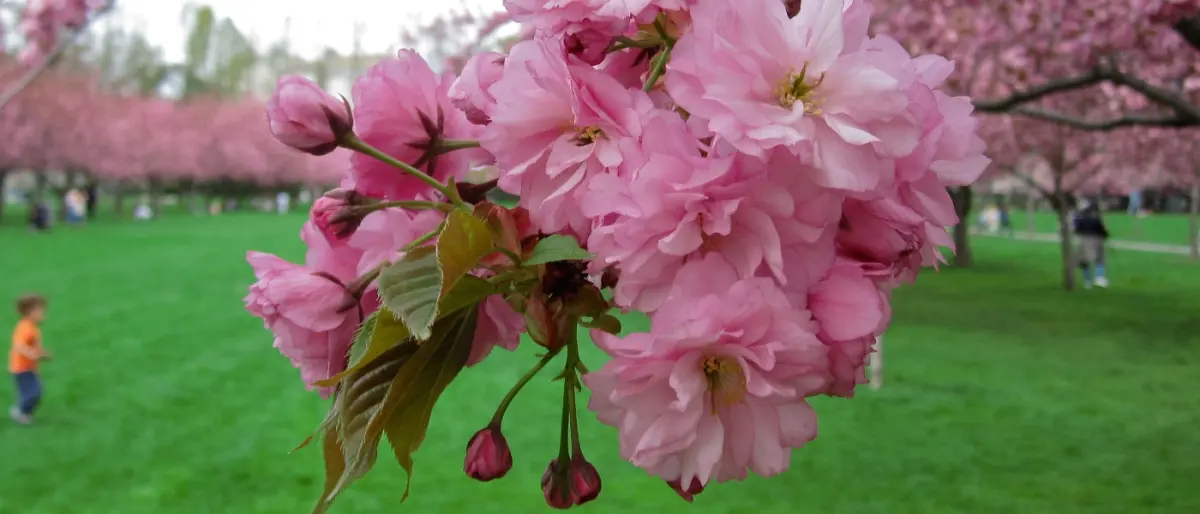
- Mid to Late April: Catch the late-blooming varieties, such as the Kanzan, which feature darker, double-petaled flowers that persist longer than the early types.
How to find cherry blossoms in residential neighborhoods
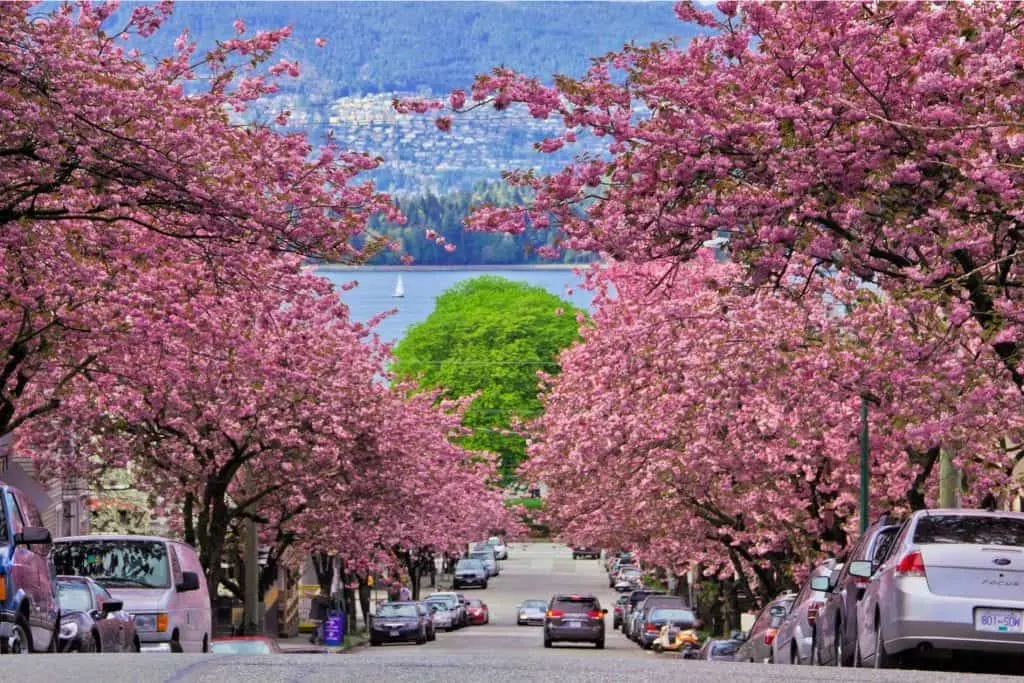
While parks are popular, many of the most spectacular cherry blossom tunnels are found in residential areas. Neighborhoods like Kitsilano, Mount Pleasant, and West End are famous for streets lined with mature trees that create a canopy over the road. These areas are often less crowded than major parks, allowing for a more intimate experience. Be aware that these are private homes, so maintain a respectful distance and avoid walking onto private lawns or driveways for photographs.
When exploring these residential streets, consider the following tips for a better experience:
- Use the Vancouver Cherry Blossom Festival’s online map to find specific streets with high concentrations of trees.
- Visit on a weekday morning to avoid the weekend crowds that often gather in popular spots like West 22nd Avenue.
- Walk or bike through the neighborhoods rather than driving, as parking can be extremely limited during the peak bloom period.
- Keep an eye out for the "Cherry Blossom Signage" that the city sometimes places near notable trees to identify the variety and age.
Common mistakes when viewing cherry blossoms
One of the most frequent errors visitors make is assuming that all trees bloom at the same time. Many people arrive in mid-April expecting to see the delicate white blossoms, only to find that the early varieties have already shed their petals. Another common mistake is failing to check the weather forecast. Heavy rain and high winds can strip the blossoms from the branches in a single afternoon, effectively ending the peak viewing window prematurely.
To ensure you have a successful outing, avoid these common pitfalls:
- Overlooking the weather: A single storm can end the season; always check the forecast before traveling long distances.
- Relying on old photos: Social media images from previous years can be misleading regarding the current state of the trees.
- Ignoring the bloom map: The city provides real-time data; failing to consult it often leads to visiting trees that are either not yet open or already finished.
- Disrespecting the trees: Never shake branches or pull on limbs to create a "blossom shower" for photos, as this damages the delicate buds.
Best photography tips for cherry blossoms
Capturing the beauty of the blossoms requires a mix of patience and the right perspective. To get the best shots, try to photograph the trees during the "golden hour," which occurs shortly after sunrise or just before sunset. The soft, directional light enhances the pink hues of the petals and creates a dreamy atmosphere. For close-up shots, use a macro lens or a smartphone’s portrait mode to blur the background, making the individual flowers stand out against the soft bokeh of the surrounding canopy.
When taking photos, remember these professional techniques:
- Use a low angle: Pointing your camera upward toward the sky creates a sense of scale and emphasizes the density of the canopy.
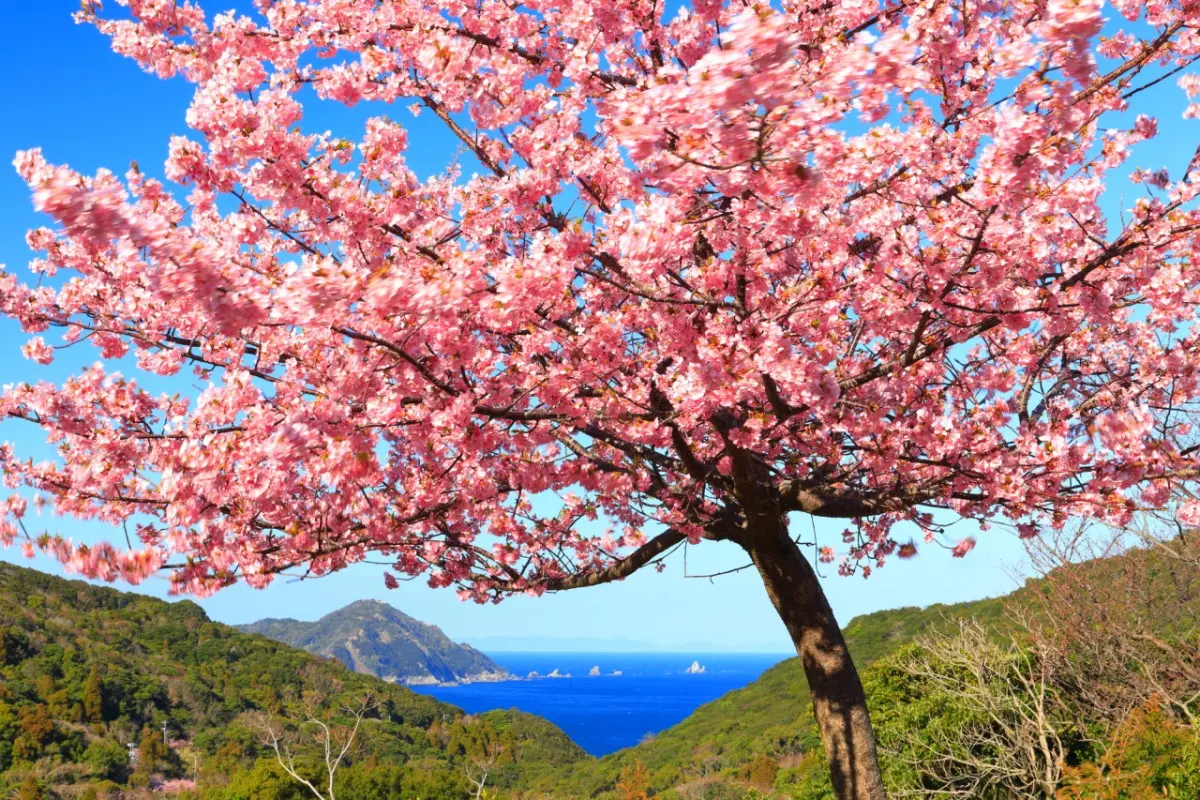
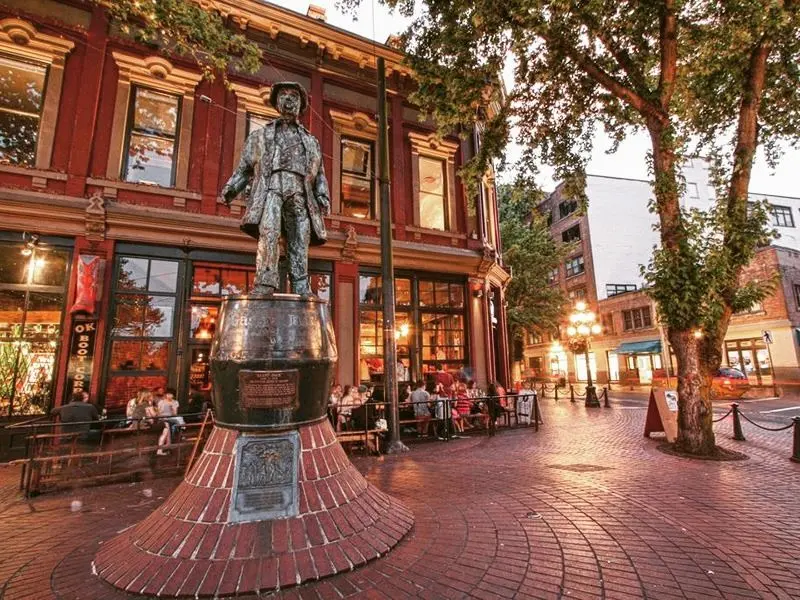
- Include context: Incorporate elements of the city, such as a mountain peak or a historic building, to ground your photos in the Vancouver landscape.
- Focus on texture: Capture the contrast between the rough, dark bark of the tree trunks and the soft, vibrant petals of the blossoms.
- Respect others: If a tree is popular, wait your turn and be mindful of other photographers who are also trying to capture the moment.
Key facts
- Vancouver hosts over 40,000 cherry trees, with the peak bloom typically occurring between late March and mid-April.
- Queen Elizabeth Park features more than 300 Akebono cherry trees, creating one of the city's most iconic floral displays.
- Stanley Park offers a scenic experience with cherry blossoms concentrated near the Rose Garden and the Japanese Canadian Cenotaph.
- The Vancouver Cherry Blossom Festival is an annual city-wide celebration held throughout April to showcase the blooming trees.
- Avoid visiting during peak weekend hours at popular spots like VanDusen Botanical Garden to escape heavy crowds and parking congestion.
- Check the official Vancouver Cherry Blossom Festival online map for real-time updates on which neighborhoods are currently in full bloom.
The bottom line
Vancouver transforms into a vibrant pink landscape every spring, offering residents and visitors alike a spectacular natural show. By focusing on major hubs like Queen Elizabeth Park and Stanley Park, you can experience the city's diverse cherry tree varieties at their peak. Remember to monitor local bloom maps, arrive early to avoid crowds, and respect the trees so these beautiful blossoms remain for future generations.
People also ask
What is the best time of day to photograph cherry blossoms?
Early morning, shortly after sunrise, provides the softest natural light and helps you avoid large crowds. Mid-day sun can create harsh shadows that make it difficult to capture the delicate texture of the petals.
Are there specific varieties of cherry trees in Vancouver?
Yes, the city features over 50 varieties, including the popular pale-pink Akebono and the deep-pink Kanzan. Most of these trees were gifted by Japan in the 1930s to honor Japanese Canadians.
Can I pick the cherry blossoms?
No, picking blossoms is prohibited in public parks and residential areas to protect the health of the trees. Please practice "leave no trace" principles to ensure the blossoms remain for everyone to enjoy.
Is there an admission fee to see the blossoms?
Most cherry blossom viewing in Vancouver is free, as the trees are planted along public streets and in city parks. However, some private gardens like VanDusen Botanical Garden charge an entrance fee for access to their grounds.
How long do the blossoms last?
The bloom period for individual trees typically lasts about two weeks, depending on weather conditions. Heavy rain or strong winds can shorten the duration significantly, so it is best to visit as soon as peak bloom is announced.
How do I get to the best viewing spots?
Most top locations are accessible via TransLink’s bus and SkyTrain network. Using public transit is highly recommended, as parking near popular parks like Queen Elizabeth Park becomes extremely limited during the blooming season.
This answer was created with the help of AI research tools and reference sources. Spotted an error? Let us know — we correct mistakes quickly. See our editorial policy.