What is climate change?
Short answer
Climate change refers to long-term shifts in global temperatures and weather patterns. Primarily driven by human activities like burning fossil fuels, it causes the Earth’s average temperature to rise. This warming leads to melting ice caps, rising sea levels, and more frequent extreme weather events, fundamentally altering the planet's natural ecosystems.
On this page
Why climate change happens
The primary driver of modern climate change is the greenhouse effect. When humans burn fossil fuels like coal, oil, and natural gas for electricity, heat, and transportation, we release massive amounts of carbon dioxide and methane into the atmosphere. These gases act like a thermal blanket, trapping heat from the sun that would otherwise escape into space.
Since the Industrial Revolution began around 1750, atmospheric carbon dioxide concentrations have risen by nearly 50 percent. Deforestation also accelerates this process because trees act as "carbon sinks," absorbing CO2. When forests are cleared for agriculture or urban development, that stored carbon is released back into the atmosphere, further intensifying the warming trend.
How climate change affects the world
The consequences of a warming planet are widespread and interconnected. As global temperatures rise, polar ice sheets and glaciers melt at unprecedented rates, contributing directly to sea-level rise. This threatens coastal communities with increased flooding, saltwater intrusion, and the potential loss of land. Furthermore, warming oceans absorb more heat, which fuels more intense hurricanes and typhoons.
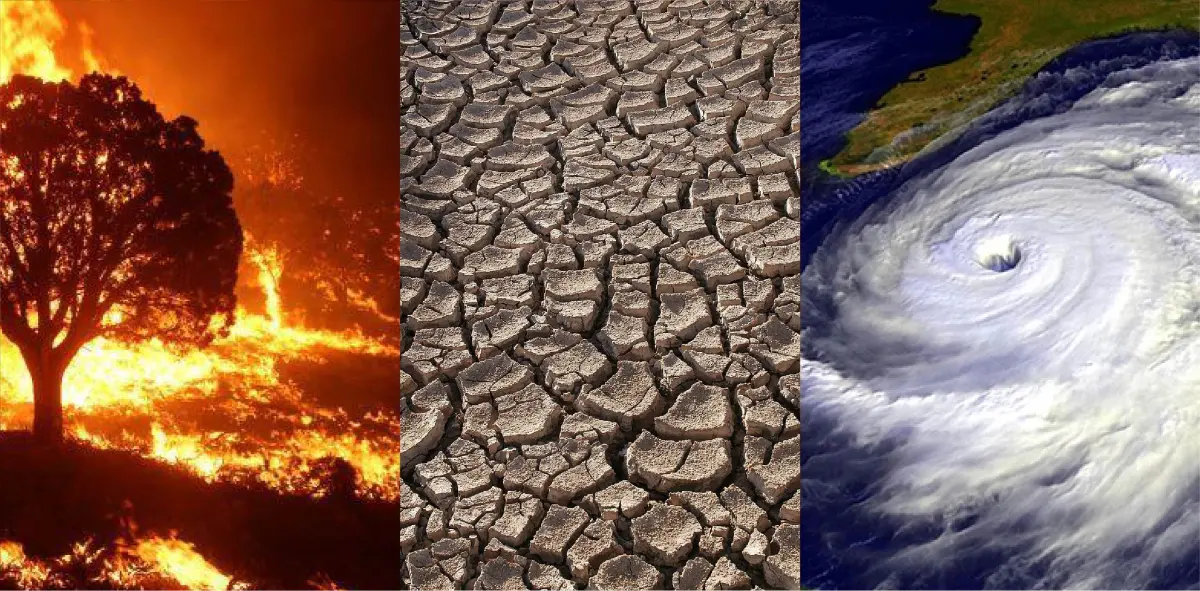
Beyond the coast, climate change disrupts weather patterns, leading to severe droughts in some regions and catastrophic flooding in others. These shifts jeopardize food security by altering growing seasons and reducing crop yields. Biodiversity also suffers, as many species cannot adapt quickly enough to the rapid changes in their habitats.
- Increased frequency of heatwaves and wildfires.
- Ocean acidification, which harms coral reefs and marine life.
- Disruption of freshwater supplies due to changing precipitation patterns.
- Increased spread of vector-borne diseases like malaria or dengue fever.
What are the signs of climate change
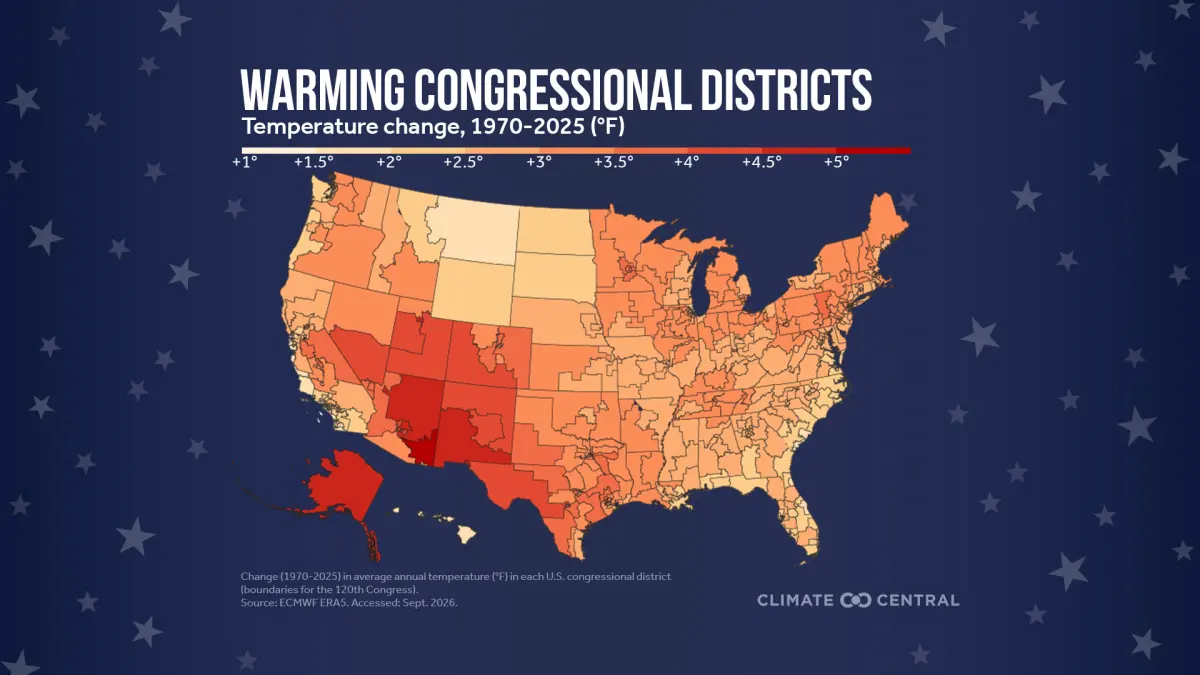
Scientists track climate change through precise, long-term data collection. The most significant indicator is the rise in the Earth's average surface temperature, which has increased by approximately 1.1 degrees Celsius since the late 19th century. Satellite data confirms that the Arctic sea ice extent is shrinking, and the rate of sea-level rise has doubled in the last two decades.
In addition to these physical markers, researchers observe shifts in the timing of seasonal events, such as earlier spring blooms and the migration patterns of birds. Ocean temperatures are also hitting record highs, which disrupts the complex currents that regulate global weather. These indicators provide a clear, empirical picture of a planet undergoing rapid and unprecedented environmental transformation.
How to reduce your carbon footprint
Individual actions, when practiced collectively, can significantly lower greenhouse gas emissions. Transitioning to energy-efficient habits and choosing sustainable transportation are among the most effective ways to make a difference. Reducing waste and shifting toward plant-based diets also contribute to lowering the demand for high-emission industrial processes.
- Switch to LED lighting and energy-efficient appliances to lower household electricity consumption.
- Choose public transit, cycling, or electric vehicles to reduce reliance on gasoline.
- Minimize food waste by planning meals and composting organic scraps.
- Support renewable energy options, such as solar panels or green energy utility providers.
- Reduce consumption by prioritizing high-quality, long-lasting goods over disposable items.
Common mistakes when addressing climate change
A frequent error is the belief that individual lifestyle changes are sufficient to solve the crisis on their own. While personal choices are important, systemic change—such as shifting national energy policies and industrial regulations—is essential to achieve global climate targets. Focusing solely on one aspect, like recycling, while ignoring larger contributors like heating or travel, limits the potential impact.
Another mistake is falling for "greenwashing," where companies market products as environmentally friendly without providing substantive evidence of sustainability. Consumers should look for verified certifications rather than vague labels. Finally, avoid the trap of climate fatalism, which suggests that the problem is too large to fix. Every fraction of a degree of warming prevented matters for the future of the planet, making sustained, incremental action the most practical and necessary approach for everyone to take today.
Key facts
- The Earth’s average surface temperature has risen by approximately 1.1 degrees Celsius since the late 19th century.
- Burning fossil fuels like coal, oil, and gas is the primary driver of climate change by releasing heat-trapping greenhouse gases.
- Carbon dioxide concentrations in the atmosphere are now 50% higher than they were before the Industrial Revolution began in 1750.
- Reducing your personal carbon footprint by eating less meat and opting for public transit can significantly lower individual emissions.
- A common mistake is assuming that cold weather events disprove global warming; climate change refers to long-term shifts in global averages, not daily weather.
- Transitioning to renewable energy sources like wind and solar power is essential to limiting future temperature increases to the 1.5-degree target set by the Paris Agreement.
The bottom line
Climate change is the long-term alteration of Earth's temperature and weather patterns, largely driven by human activities that release greenhouse gases. Its impacts are visible globally through rising seas, melting ice, and extreme weather. While the scale of the challenge is immense, individual actions combined with systemic shifts toward renewable energy remain the most effective path to stabilizing our climate and protecting the planet for future generations.
People also ask
What is the difference between global warming and climate change?
Global warming refers specifically to the long-term rise in the Earth’s average temperature. Climate change is a broader term that includes global warming as well as the resulting shifts in weather patterns, sea levels, and ecosystem stability.
How do oceans contribute to climate change regulation?
Oceans act as a massive heat sink, absorbing over 90% of the excess heat trapped by greenhouse gases. This process helps regulate the climate but leads to ocean acidification and rising sea levels as the water expands.
Can individual actions really make a difference?
While systemic change from governments and corporations is necessary, individual choices drive market demand and political will. Reducing energy consumption and choosing sustainable products collectively lowers the total carbon output of society.
What are the most visible signs of climate change today?
The most prominent indicators include the rapid melting of polar ice caps and glaciers, leading to rising sea levels. Additionally, scientists observe more frequent and intense extreme weather events, such as heatwaves, droughts, and powerful hurricanes.
Does recycling actually help the climate?
Yes, recycling reduces the need to extract and process raw materials, which is an energy-intensive industrial process. By conserving energy, recycling prevents the extra greenhouse gas emissions that would have been generated during manufacturing.
Why is the 1.5-degree Celsius target so important?
Scientists warn that exceeding 1.5 degrees Celsius of warming increases the risk of triggering irreversible climate tipping points. Staying below this threshold is critical to avoiding the most catastrophic impacts on human health, food security, and biodiversity.
This answer was created with the help of AI research tools and reference sources. Spotted an error? Let us know — we correct mistakes quickly. See our editorial policy.