How do you start birdwatching?
Short answer
Birdwatching begins by acquiring a pair of binoculars and a reliable field guide. You should start by observing common birds in your immediate vicinity, such as your backyard or a local park. Patience is essential, as success relies on quiet observation, learning distinct field marks, and recording your sightings systematically over time.
On this page
What equipment do I need to start birdwatching?
You do not need expensive gear to begin, but a few key items will significantly improve your experience. The most important tool is a pair of binoculars. For beginners, an 8x42 model is widely considered the industry standard. The "8" refers to the magnification power, while the "42" indicates the diameter of the objective lens in millimeters, which determines how much light enters the device. This balance provides a wide field of view and sufficient brightness for most conditions.
In addition to binoculars, you need a way to identify what you see. A printed field guide, such as "The Sibley Guide to Birds" or the "Peterson Field Guide," remains a staple for many enthusiasts. These books organize species by family and provide illustrations that highlight specific markings. Alternatively, mobile applications like Merlin Bird ID allow you to identify birds by photo or sound. Carrying a small notebook or using a digital app to log your sightings helps you track your progress and memory.
How do I identify birds in the wild?
Identification is a skill built through practice and observation. When you spot a bird, focus on its size and shape first. Is it as small as a sparrow or as large as a crow? Note the silhouette, including the length of the tail and the shape of the bill. A thin, needle-like bill suggests an insect eater, while a thick, conical bill indicates a seed cracker. These physical traits often provide the most reliable clues for narrowing down a species.
Next, observe the bird's behavior and coloration. Pay attention to its habitat, as some birds are strictly found in wetlands while others prefer dense forests. Use these steps to confirm your identification:
- Observe the bird's size and overall shape compared to familiar birds like robins.
- Look for "field marks," such as wing bars, eye rings, or patches of color on the breast.
- Listen to the bird’s song or call, as vocalizations are often unique to a specific species.
- Note the time of day and the specific environment where the sighting occurred.
Where are the best places to find birds?
You can start birdwatching in your own backyard or at a nearby public park. Many common species, such as Northern Cardinals, Blue Jays, and Mourning Doves, are easily found in suburban and urban environments. To increase your chances of seeing a variety of birds, look for areas with diverse vegetation. Edges—the transition zones between a forest and a field or a pond and a meadow—are often the most productive locations because they provide both cover and food sources.
National wildlife refuges, state parks, and local nature preserves are excellent destinations for more serious outings. These areas are managed to protect natural habitats, which naturally attract higher concentrations of birds. If you are unsure where to go, check the eBird website or app. This platform features a "Hotspot" map that shows where other birders have recently reported sightings in your area. Visiting these hotspots during peak migration seasons, typically in the spring and fall, offers the best opportunity to see a wide range of species.
Common mistakes when starting birdwatching
One of the most frequent errors beginners make is trying to identify every single bird they see immediately. This can lead to frustration and burnout. Instead, focus on learning the common birds in your neighborhood first. Once you can reliably identify the "regulars," you will find it much easier to spot the unusual birds that stand out from the crowd. Accuracy is more important than the total number of species on your list.
Another common mistake is moving too quickly or making too much noise. Birds are highly sensitive to sudden movements and loud sounds. If you walk through a trail quickly, you will likely startle birds before you even see them. Practice moving slowly and stopping frequently to scan the trees and bushes. Wear neutral-colored clothing to blend into the environment, and avoid bright whites or neons that might catch a bird's eye. Patience is your greatest asset in the field.
How to track and document my sightings
Keeping a record of your birding journey is a rewarding way to see how your skills improve over time. Whether you use a physical journal or a digital platform, logging your observations helps you remember what you have seen and where. A good entry should include the date, time, location, and the species identified. You might also add notes about the bird's behavior or the weather conditions, which can influence bird activity levels.
Many birders participate in "citizen science" by submitting their data to platforms like eBird. Your observations contribute to a massive global database that scientists use to track bird populations, migration patterns, and the impacts of climate change. To get started with documentation, follow these simple habits:
- Keep a "life list" of every unique species you have identified.
- Use a notebook to sketch birds, as drawing helps you notice details you might otherwise miss.
- Take photos if possible, but do not let the camera distract you from the act of observing.
- Join a local birding club to learn from experienced mentors and share your findings with others.
Key facts
- Start with a pair of 8x42 binoculars, which provide the ideal balance of magnification and light-gathering capability for most beginners.
- Invest in a reliable field guide, such as The Sibley Guide to Birds or the National Geographic Field Guide to the Birds of North America.
- Download mobile applications like Merlin Bird ID, which uses sound analysis and photos to help identify species in real time.
- Focus on learning the "common" birds in your immediate neighborhood before attempting to identify rare or migratory species.
- Practice observing bird behavior, such as flight patterns, foraging habits, and vocalizations, rather than relying solely on plumage colors.
- Join a local chapter of the National Audubon Society to participate in guided bird walks and gain mentorship from experienced birders.
The bottom line
Birdwatching is an accessible hobby that connects you directly to the natural world through observation and patience. By equipping yourself with basic binoculars, a field guide, and a willingness to learn local species, you can transform any outdoor space into a site for discovery. Focus on consistency and observation techniques to build your skills, turning every walk into an engaging opportunity to understand the diverse avian life nearby.
People also ask
Do I need expensive equipment to start birdwatching?
You do not need professional-grade gear to begin. A basic pair of binoculars and a smartphone app are sufficient for most beginners to start identifying birds effectively.
What is the best time of day to watch birds?
Early morning is generally the most productive time because birds are most active and vocal while foraging for food. Late afternoon is another excellent window for observing bird activity.
How can I attract more birds to my backyard?
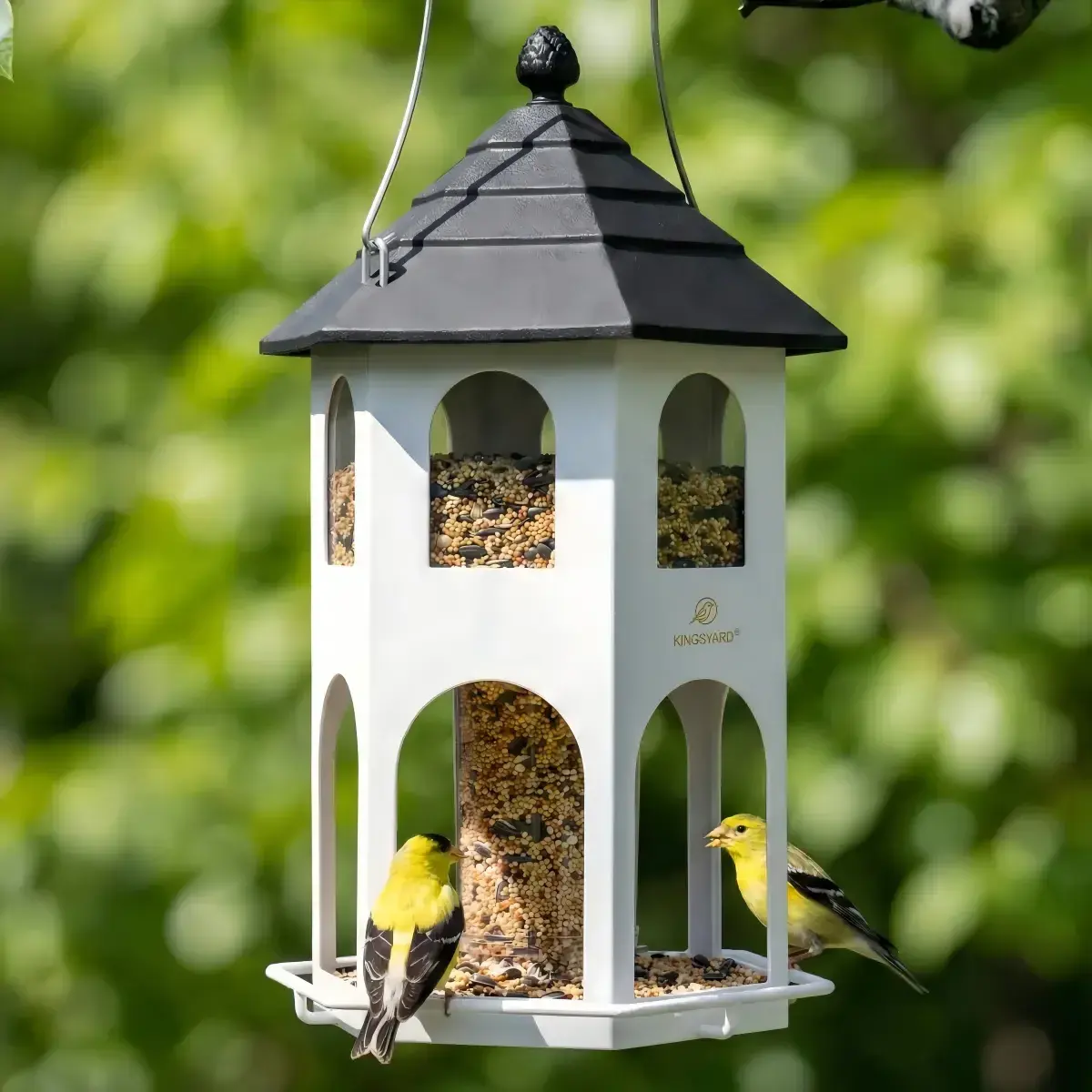
Installing a bird feeder with high-quality seeds, such as black oil sunflower seeds, and providing a clean water source will significantly increase bird traffic. Native plants also provide essential food and shelter.
Should I keep a list of the birds I see?
Maintaining a "life list" or using an online database like eBird is a great way to track your progress. It helps you remember species you have identified and contributes valuable data to scientific research.
Is birdwatching a seasonal activity?
Birdwatching can be enjoyed year-round, though the species you see will change with the seasons. Migration periods in spring and autumn often offer the greatest variety of birds in many regions.
What is a common mistake beginners make?
A frequent error is trying to identify every bird immediately by its color. Instead, pay attention to the bird's size, shape, and behavior, which are often more reliable indicators than fleeting color patterns.
This answer was created with the help of AI research tools and reference sources. Spotted an error? Let us know — we correct mistakes quickly. See our editorial policy.