What are the benefits of photography as a hobby?
Short answer
Photography serves as a powerful hobby that sharpens observational skills, encourages creative expression, and preserves personal history. By engaging with light, composition, and technology, practitioners develop a deeper appreciation for their surroundings. Beyond the artistic output, the process promotes mindfulness, stress reduction, and a structured way to explore the physical world.
On this page
Why photography improves mental well-being
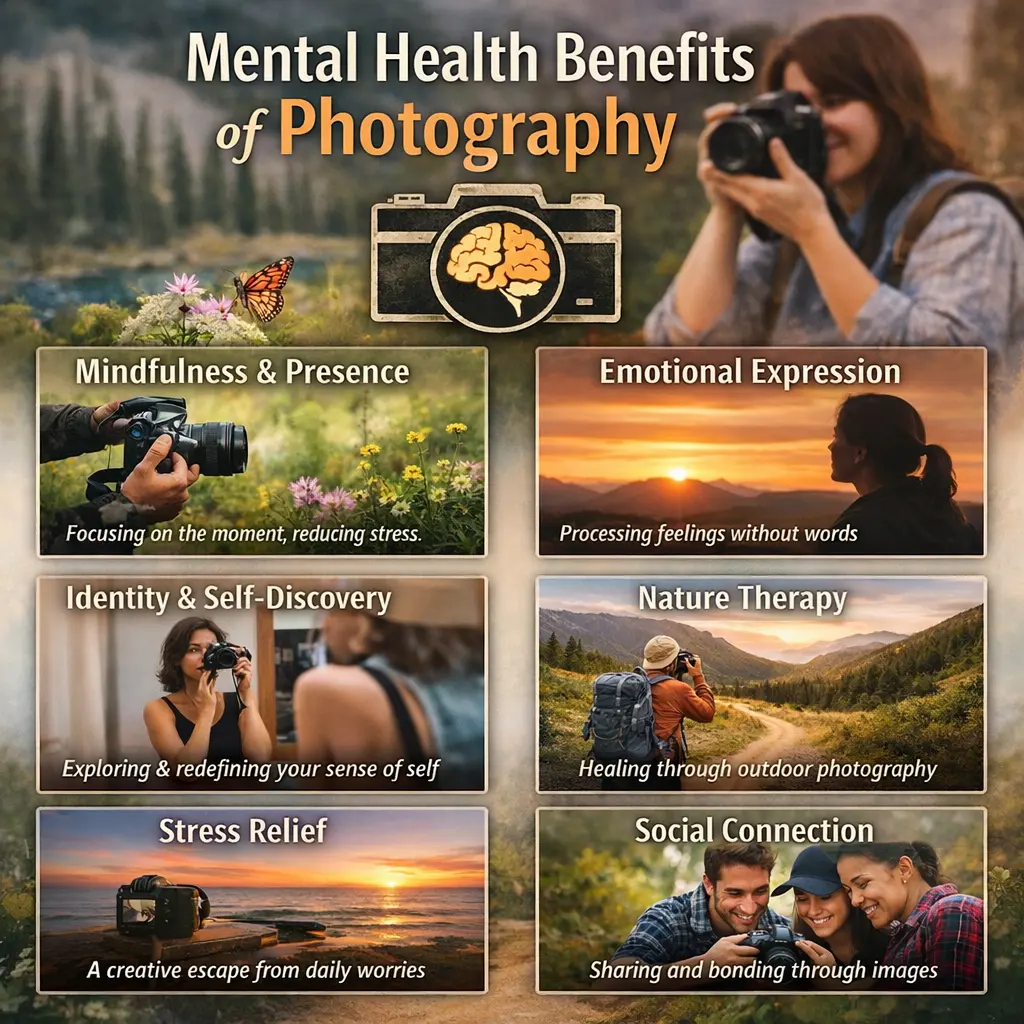
Engaging in photography acts as a form of active meditation, requiring the practitioner to focus entirely on the present moment. By shifting attention toward framing a shot, the brain disengages from daily stressors and repetitive negative thought patterns. This process, often called "mindful seeing," encourages individuals to search for beauty in mundane environments, which can significantly boost overall mood and satisfaction.
Research suggests that creative hobbies stimulate the release of dopamine, the brain's reward chemical. When a photographer successfully captures a challenging image, the sense of accomplishment reinforces positive reinforcement loops. This hobby also encourages physical activity, as photographers often walk longer distances to find unique perspectives or natural light. Whether exploring an urban landscape or a quiet forest, the combination of movement and creative focus provides a holistic benefit to mental health.
How to get started with photography
You do not need expensive professional equipment to begin your journey. Most modern smartphones feature advanced camera systems capable of producing high-quality images that are suitable for printing or digital display. The primary goal for a beginner is to understand the "exposure triangle," which consists of aperture, shutter speed, and ISO. Mastering these three elements allows you to control how much light enters the camera and how motion is captured.
- Start by using the manual mode on your device to understand how changing settings affects the final image.
- Practice the "rule of thirds" by placing your subject along the grid lines rather than directly in the center.
- Observe how natural light changes throughout the day, specifically during the "golden hour" shortly after sunrise or before sunset.
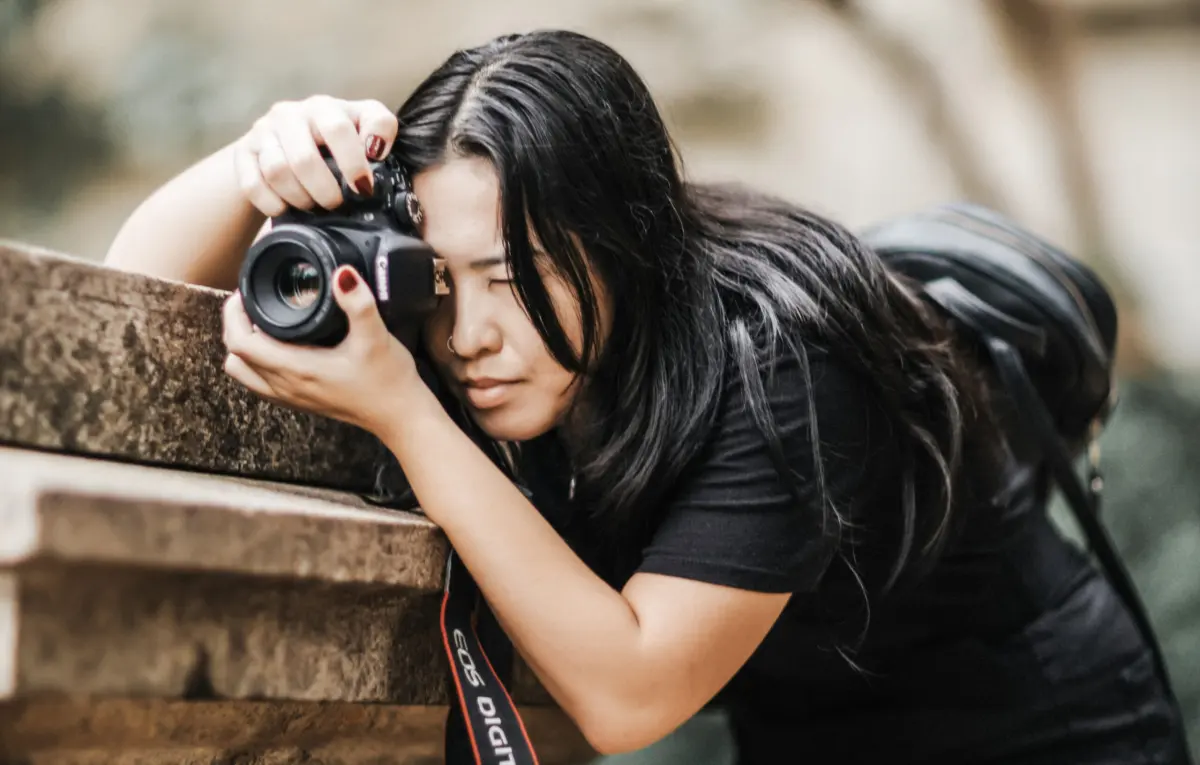
- Experiment with different angles, such as crouching low to the ground or shooting from an elevated position to change the viewer's perspective.
Common mistakes when learning photography
Many beginners fall into the trap of over-editing their images, which can lead to unnatural colors and excessive noise. While post-processing software is a valuable tool, it should be used to enhance the original capture rather than fix fundamental errors in composition or lighting. Another frequent error is neglecting the importance of stability; shaky hands often result in blurry photos, especially in low-light conditions where the shutter remains open longer.
- Relying solely on "auto" mode prevents you from learning how the camera interprets light.
- Ignoring the background of a shot often leads to distracting elements that pull focus away from the main subject.
- Failing to clean the camera lens regularly results in smudged, hazy, or soft images.
- Taking too many photos without reviewing them prevents you from identifying what techniques are actually working.
- Forgetting to check the horizon line can make images look tilted and unprofessional.
Best subjects for photography practice
Choosing the right subject matter helps maintain interest while you develop your technical skills. Street photography is an excellent way to practice timing and observation, as it requires you to anticipate human movement and interactions in public spaces. Macro photography, which involves taking extreme close-ups of small objects like insects or flower petals, teaches patience and precision. These subjects allow you to practice in your own home or neighborhood without needing to travel to exotic locations.
Landscape photography offers a different set of challenges, focusing on wide-angle compositions and the interplay between light and terrain. Portraiture, meanwhile, helps you learn how to interact with people and direct them to achieve a specific emotional tone. By rotating through these genres, you prevent creative burnout and discover which style aligns best with your personal interests. Each discipline requires a unique mindset, ensuring that your hobby remains intellectually stimulating and varied over time.
How photography changes your perspective
The most profound benefit of photography is the permanent shift in how you perceive the world. Once you begin looking for interesting light, patterns, and textures, you start noticing details that previously went ignored. A simple brick wall, a reflection in a puddle, or the way light filters through trees becomes a potential subject. This heightened awareness turns everyday life into a continuous gallery of visual information, making the world feel more vibrant and interconnected.
This hobby also creates a tangible archive of your life experiences. Unlike social media feeds that are often fleeting, curated photography projects allow you to document your personal growth and the evolution of your surroundings. Looking back at photos from years ago provides a unique historical record of your own journey, capturing emotions and atmospheres that memory alone might fade. Ultimately, photography provides a structured way to interact with reality, transforming the act of seeing into a lifelong, rewarding pursuit that enriches your daily existence.
Key facts
- Photography encourages "mindful seeing," a practice of focusing on the present moment to identify unique light and patterns.
- The rule of thirds is a foundational technique where you divide your frame into a 3x3 grid and place subjects along the lines.
- Digital cameras allow for instant feedback, enabling photographers to experiment with settings like aperture and shutter speed without cost.
- Engaging in photography can improve physical health by motivating practitioners to explore new environments and walk longer distances.
- Proper storage of digital files is essential; follow the 3-2-1 rule: keep three copies of data on two different media types with one off-site.
- Mastering manual mode allows full creative control over depth of field and motion blur, moving beyond the limitations of automatic settings.
The bottom line
Photography is a rewarding hobby that blends technical skill with artistic expression. By mastering the fundamentals of light, composition, and camera settings, you gain a new perspective on the world around you. Whether documenting daily life or exploring nature, the practice fosters mindfulness and creativity. Start with the equipment you have, prioritize consistent practice, and focus on the joy of capturing unique, personal moments.
People also ask
Is it necessary to buy an expensive camera to start?
No, modern smartphones possess highly capable sensors that are sufficient for learning composition and lighting. You should only upgrade to a dedicated camera once you understand the limitations of your current device.
What is the most common mistake for beginners?
Many beginners neglect the quality of light, often shooting during the harsh midday sun. Aim to capture photos during the "golden hour," the period shortly after sunrise or before sunset.
How can I improve my photography skills quickly?
Practice daily by setting small challenges, such as photographing a single object from five different angles. Consistent, deliberate practice is more effective than sporadic, long sessions.
Should I learn to edit my photos?
Basic editing is a standard part of the modern workflow, as it helps correct exposure and color balance. Focus on subtle adjustments rather than heavy filters to maintain a natural look.
What is the best way to learn camera settings?
Start by using "Aperture Priority" mode, which lets you control depth of field while the camera manages the shutter speed. This helps you understand the relationship between light and focus.
How do I find my own photographic style?
Style emerges through repetition and by analyzing which subjects you naturally gravitate toward. Review your past work periodically to identify consistent themes, color palettes, or emotional tones.
This answer was created with the help of AI research tools and reference sources. Spotted an error? Let us know — we correct mistakes quickly. See our editorial policy.