What are the benefits of playing chess?
Short answer
Playing chess enhances cognitive functions such as pattern recognition, memory, and logical reasoning. It promotes patience and emotional regulation by requiring players to manage time and stress under pressure. Beyond mental exercise, chess provides social engagement and a structured framework for developing long-term strategic planning skills applicable in various life scenarios.
On this page
How does chess improve brain function?
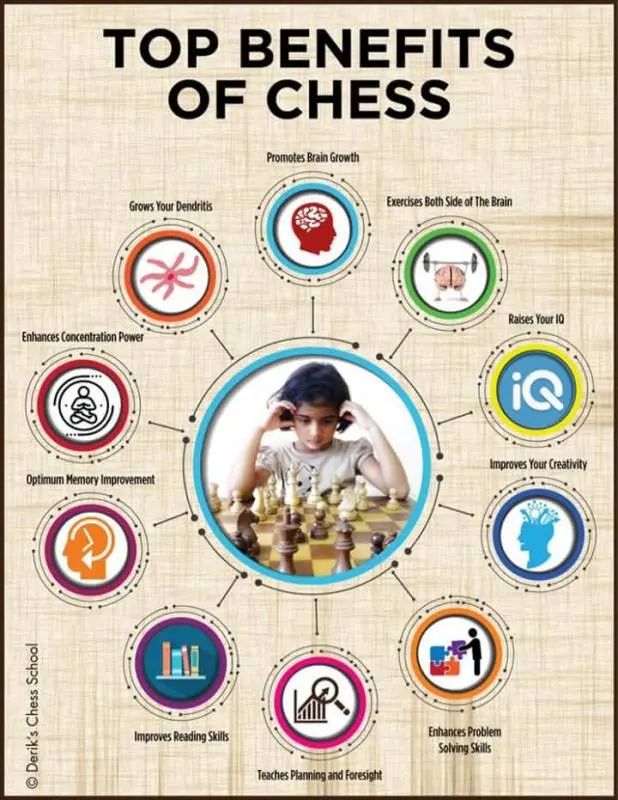
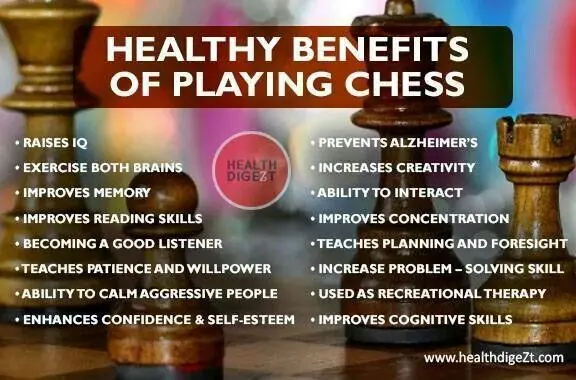
Chess acts as a rigorous workout for the brain, engaging both the left and right hemispheres. Research suggests that regular play strengthens executive function, which involves planning, working memory, and cognitive flexibility. By constantly calculating variations and evaluating board positions, players improve their ability to process complex information quickly.
The game specifically targets the prefrontal cortex, the area responsible for decision-making and impulse control. When a player considers a move, they must simulate future outcomes, which builds neural pathways associated with foresight. This mental habit of weighing consequences before acting often translates into better impulse control in daily professional and personal situations.
- Improved spatial awareness through visualizing piece movements.
- Enhanced concentration by maintaining focus during long matches.
- Better pattern recognition by identifying recurring tactical motifs.
- Increased working memory capacity to track opponent threats.
How long does it take to learn chess?
Most beginners can learn the fundamental rules of movement and capture in under an hour. However, reaching a competent level of play requires consistent practice, often spanning several months of regular study. The learning curve is steep because the game involves thousands of potential move combinations, making it a lifelong pursuit for many enthusiasts.
Mastery is not measured in time alone but in the quality of study. Players who analyze their own games and solve tactical puzzles progress significantly faster than those who only play casually. Most experts suggest that a dedicated student can reach an intermediate club level within one to two years of consistent weekly practice.
- Learn how each piece moves and the rules of special moves like castling.
- Study basic opening principles to control the center of the board.
- Practice tactical puzzles daily to spot winning opportunities.
- Play games with a time control to practice managing pressure.
- Review your losses to identify and correct recurring errors.
Why chess is good for mental health
Chess provides a unique form of "flow state," a psychological condition where a person is fully immersed in an activity. This intense focus acts as a distraction from external stressors, providing a meditative quality that can lower anxiety levels. The satisfaction derived from solving a complex tactical problem releases dopamine, fostering a sense of achievement and well-being.
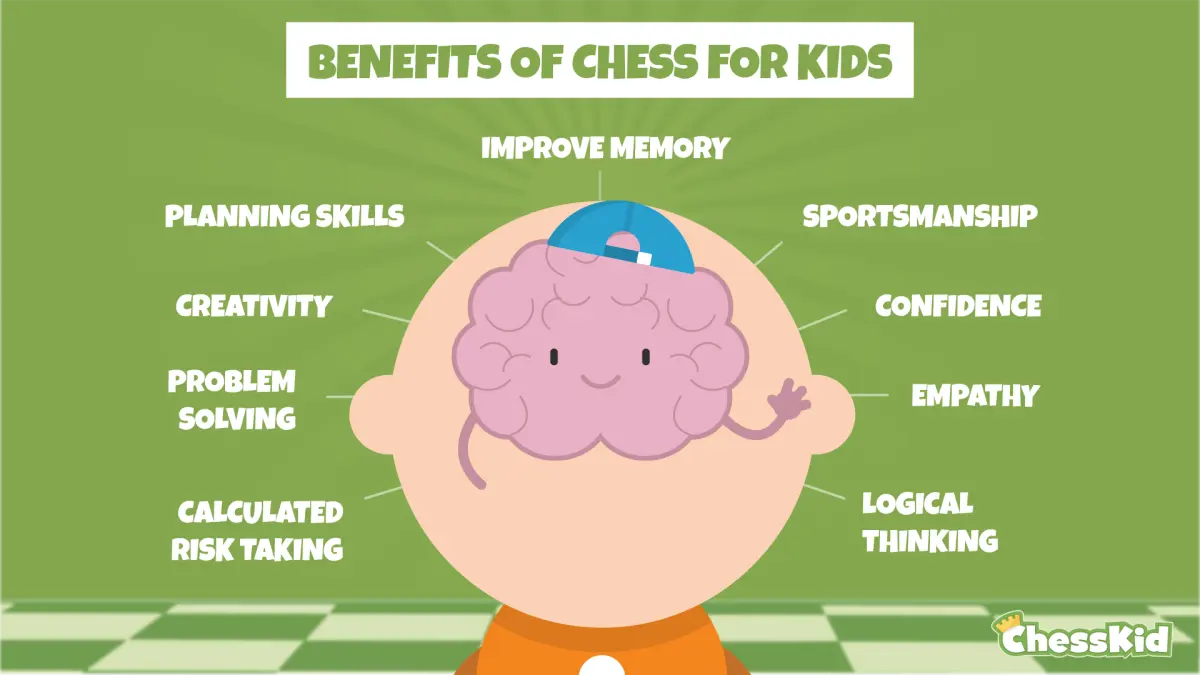
Furthermore, the game teaches emotional resilience. Because every game has a winner and a loser, players learn to process defeat objectively. Instead of viewing a loss as a personal failure, high-level players treat it as a data point for improvement. This shift in perspective helps build a growth mindset, which is essential for maintaining mental health in high-pressure environments.
Best ways to practice for beginners
The most effective way to improve is to balance playing with structured study. Beginners often make the mistake of playing too many "blitz" games where moves are made in seconds. Fast play prevents deep thinking and reinforces bad habits, such as moving pieces without a clear goal. Instead, focus on longer time controls where you have time to calculate.
Utilizing online resources or local clubs allows beginners to find opponents of similar skill levels. Engaging with a community provides feedback that is impossible to gain in isolation. Many players benefit from keeping a physical or digital notebook to record their games, which allows them to track their progress and identify specific weaknesses in their opening or endgame play.
- Prioritize games with at least 15 minutes per side.
- Solve at least five tactical puzzles every single day.
- Focus on controlling the center squares early in the game.
- Develop your minor pieces, such as knights and bishops, before the queen.
- Keep your king safe by castling early in the opening phase.
Common mistakes when starting chess
One of the most frequent errors is neglecting king safety. Beginners often get distracted by attacking the opponent's pieces and leave their own king exposed to a sudden checkmate. Another common mistake is "piece grabbing," where a player captures an opponent's piece without considering the tactical trap that might follow. Always verify that a capture does not leave your own position vulnerable.
Additionally, many novices fail to develop their pieces efficiently, leaving them trapped behind pawns. A well-developed piece is one that has mobility and influence over the center of the board. By focusing on piece activity rather than just capturing material, you will create more threats and force your opponent into making defensive errors. Remember that chess is a game of coordination, and a single piece rarely wins a game on its own.
Key facts
- Chess improves executive function by requiring players to plan ahead, manage time, and inhibit impulsive moves.
- Studies suggest that regular chess practice can enhance working memory and fluid intelligence in school-aged children.
- The game serves as a form of cognitive exercise that may help maintain mental sharpness in aging adults.
- To improve, focus on "tactical motifs" like forks, pins, and skewers rather than memorizing long opening sequences.
- Avoid the common mistake of playing too quickly; use the full time control available to calculate variations.
- Consistency beats intensity; playing three 15-minute games a week is more effective than one marathon session.
The bottom line
Chess is a powerful tool for cognitive development, offering measurable improvements in memory, focus, and strategic planning. By prioritizing tactical awareness over rote memorization and maintaining a consistent practice schedule, players can sharpen their analytical skills regardless of their age. Ultimately, the game serves as a lifelong mental exercise that rewards patience, discipline, and the ability to think clearly under pressure in any environment.
People also ask
Does playing chess make you smarter?
While chess enhances specific cognitive skills like pattern recognition and spatial reasoning, it does not necessarily increase general intelligence. It functions as a specialized mental workout that sharpens the brain's ability to process complex information.
How long does it take to learn the basics of chess?
A beginner can learn the movement of all pieces and the basic rules of the game in under one hour. Mastering the fundamental strategies, however, requires months of consistent practice and study.
Is chess considered a sport?
The International Olympic Committee recognizes chess as a sport because it requires intense concentration, physical endurance, and competitive preparation. Many national sports federations also grant chess players the same status as traditional athletes.
Can chess help with ADHD?
Some research indicates that chess can help individuals with ADHD by encouraging sustained attention and teaching the importance of pausing before acting. It provides a structured environment where impulsive behavior is naturally penalized by the game's mechanics.
What is the best age to start playing chess?
Children as young as four or five can learn the basic mechanics of the game. Starting early helps develop logical thinking habits, though adults can gain significant cognitive benefits at any stage of life.
Does playing chess reduce stress?
Chess acts as a "flow" activity, which can distract the mind from daily stressors and promote deep focus. However, highly competitive tournament play can sometimes increase stress levels due to the pressure of the clock.
This answer was created with the help of AI research tools and reference sources. Spotted an error? Let us know — we correct mistakes quickly. See our editorial policy.