What is Hong Kong known for?
Short answer
Hong Kong is a global financial powerhouse renowned for its dense, vertical skyline, world-class culinary scene, and unique fusion of British colonial history and Chinese tradition. Situated on the Pearl River Delta, it serves as a vital gateway between East and West, offering an unparalleled mix of urban energy and lush, mountainous nature.
On this page
Why is Hong Kong famous for its skyline?
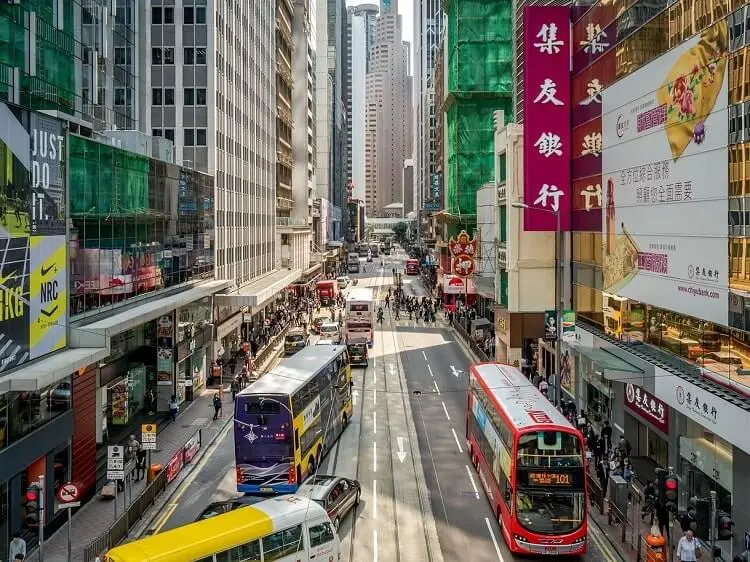
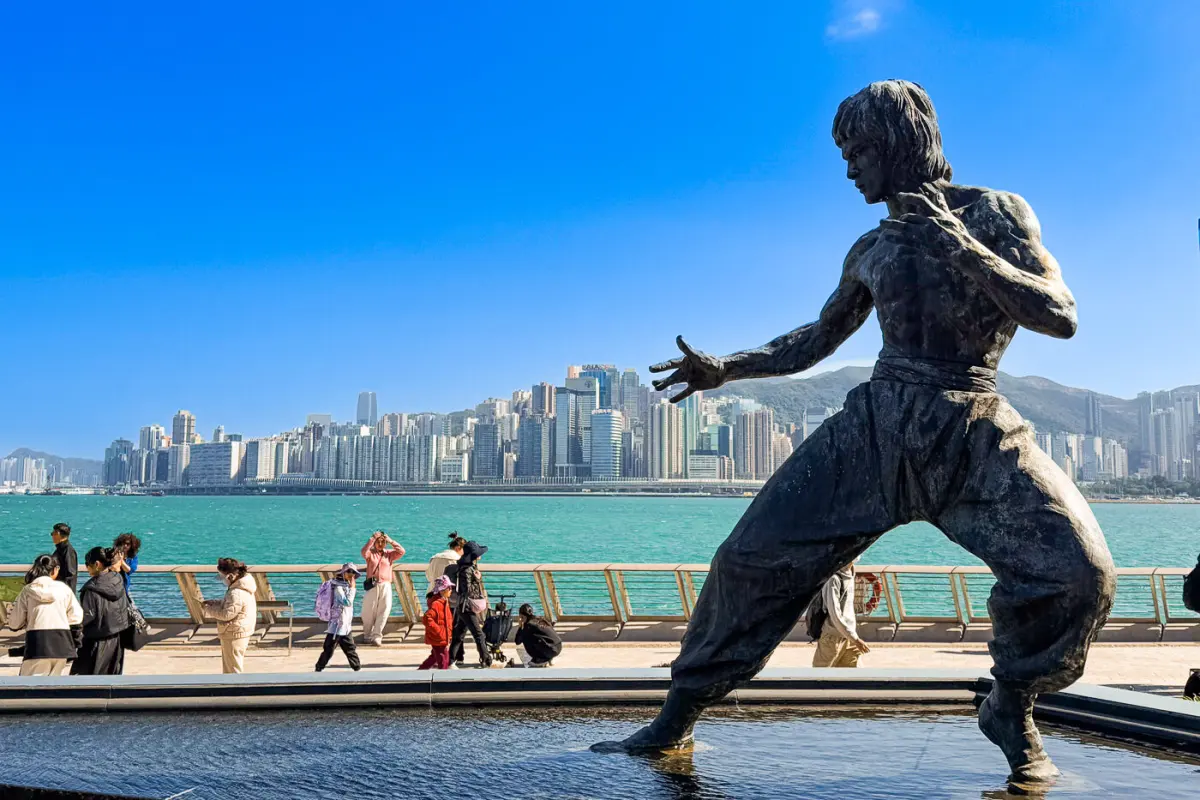
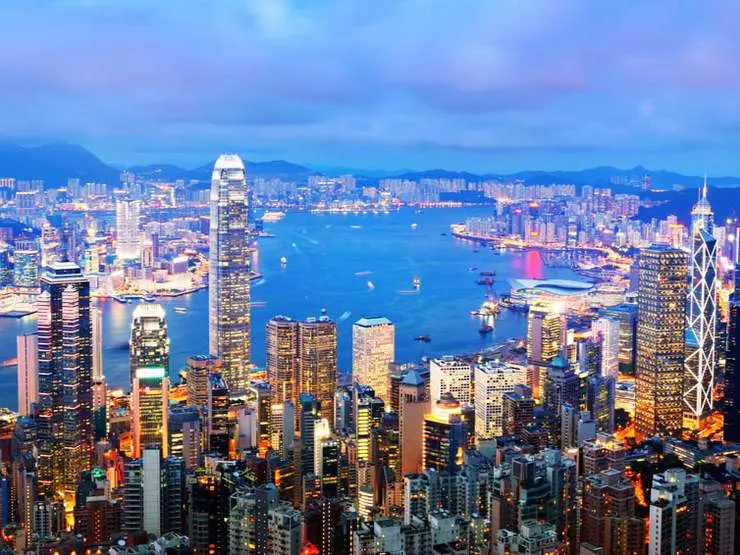
Hong Kong possesses the largest number of skyscrapers in the world, with over 500 buildings exceeding 150 meters in height. This vertical density is a direct result of the city's limited land availability and mountainous geography, which forced developers to build upward rather than outward. The iconic skyline, best viewed from the Tsim Sha Tsui waterfront, features architectural landmarks like the Bank of China Tower and the International Commerce Centre.
The city’s urban planning is defined by its efficiency and integration with public transit. Residents and visitors alike navigate the city through a complex network of elevated walkways, tunnels, and high-speed transit lines. This dense infrastructure creates a unique visual aesthetic that has made Hong Kong a frequent backdrop for major international films. To appreciate the scale of this urban environment, consider these vantage points:
- The Peak Tram: Provides a steep, historic climb to Victoria Peak for a panoramic view of the harbor.
- Sky100 Observation Deck: Located on the 100th floor of the tallest building in the city.
- Star Ferry: Offers a low-cost, historic water-level perspective of the skyline during the evening light show.
How to explore the culinary scene like a local?
Hong Kong is widely considered one of the world’s greatest food capitals, boasting everything from humble street-side stalls to Michelin-starred fine dining. The culinary landscape is dominated by Cantonese cuisine, particularly dim sum, which consists of small plates served in bamboo steamers. Beyond traditional fare, the city’s colonial history has introduced a unique "cha chaan teng" culture, where diners enjoy a fusion of Western and Chinese comfort foods.
To experience the food scene like a local, follow these steps:
- Visit a traditional teahouse early in the morning to experience the ritual of "yum cha," or drinking tea with dim sum.
- Order a pineapple bun with a thick slab of cold butter at a local cafe.
- Explore the wet markets in areas like Wan Chai or Mong Kok to see the fresh ingredients that define the local diet.
- Try authentic wonton noodles, which are famous for their thin, springy texture and rich shrimp-based broth.
What are the best outdoor activities in Hong Kong?
While the city is famous for its concrete jungle, approximately 40 percent of Hong Kong’s land area is designated as country parks or nature reserves. These areas offer a surprising escape from the urban density, featuring well-maintained hiking trails, hidden beaches, and rugged mountain peaks. The Dragon’s Back trail is perhaps the most famous, offering stunning coastal views that are easily accessible via public transportation.
The city’s geography allows for diverse outdoor experiences that range from strenuous mountain climbs to relaxing beach days. Lantau Island, the largest island in the territory, provides a mix of mountainous terrain and cultural sites like the Tian Tan Buddha. When planning an outdoor excursion, remember that the humidity can be intense during the summer months. It is essential to carry sufficient water and check the weather forecast for potential tropical storm warnings, which are common between June and September.
Common mistakes when visiting Hong Kong
Many visitors make the mistake of underestimating the city's size and the time required to travel between districts. While the MTR subway system is highly efficient, the territory covers over 1,100 square kilometers, and travel from the northern New Territories to the southern islands can take over an hour. Another common error is assuming that all shops and restaurants accept credit cards; while major retailers do, many traditional markets and small eateries remain cash-only operations.
To ensure a smooth trip, avoid these frequent pitfalls:
- Relying solely on taxis: Traffic can be heavy, and the MTR is almost always faster and cheaper.
- Ignoring the Octopus Card: This stored-value smart card is essential for public transport, convenience stores, and even some vending machines.
- Staying only on Hong Kong Island: The Kowloon side and the New Territories offer distinct cultural experiences and different architectural styles that are vital to understanding the city.
- Visiting during peak holidays: Lunar New Year can lead to many small businesses closing for several days, which may disrupt your plans.
Why is Hong Kong a global financial hub?
Hong Kong’s status as a premier financial center is rooted in its low-tax environment, free-trade policy, and a legal system based on English common law. Since its transition from a British colony to a Special Administrative Region of China in 1997, the city has maintained a high degree of autonomy, allowing it to function as a bridge for international capital entering mainland China. The Hong Kong Stock Exchange consistently ranks among the top in the world by market capitalization.
The city’s strategic location in the heart of Asia, combined with its world-class port facilities, has cemented its role as a logistics and shipping powerhouse. It serves as a regional headquarters for thousands of multinational corporations that benefit from its proximity to the manufacturing hubs of the Pearl River Delta. This economic success has fostered a fast-paced, professional culture that permeates every aspect of city life, from the bustling business districts of Central to the high-tech industrial areas of the New Territories.
Key facts
- Hong Kong is a Special Administrative Region of China with a population of approximately 7.5 million people living in a total land area of 1,110 square kilometers.
- The city operates under the "One Country, Two Systems" principle, maintaining its own legal system, currency (the Hong Kong Dollar), and capitalist economic framework.
- Victoria Peak offers the most iconic panoramic view of the city’s dense skyline, which features more skyscrapers than any other city in the world.
- The Octopus card is an essential stored-value smart card used for public transport, convenience stores, and vending machines across the territory.
- Dim sum, a style of Cantonese cuisine involving bite-sized portions served in steamer baskets, is a cultural staple best experienced in traditional tea houses.
- When visiting, avoid standing on the left side of escalators; the left is for walking, while the right is for standing still.
The bottom line
Hong Kong is a dynamic global financial hub defined by its extreme density, vertical architecture, and a unique fusion of British colonial history and traditional Chinese culture. Whether navigating the bustling street markets of Mong Kok or enjoying the serene views from the Star Ferry, visitors experience a high-energy metropolis that remains one of the world's most accessible and efficient gateways to East Asian commerce and tourism.
People also ask
Do I need a visa to visit Hong Kong?
Many nationalities, including citizens of the United States, United Kingdom, and Canada, can enter Hong Kong visa-free for tourism for periods ranging from 7 to 180 days. Always check the official Immigration Department website before traveling, as visa policies depend strictly on your passport of origin.
What is the best time of year to visit?
The most comfortable weather occurs during autumn, from October to December, when temperatures are mild and humidity is low. Avoid the summer months of June through August, which are characterized by intense heat, high humidity, and the potential for typhoons.
Is English widely spoken in Hong Kong?
English is an official language alongside Cantonese and is widely understood in business, tourism, and government sectors. You will find that most signs, public transport announcements, and menus in urban areas are printed in both English and Traditional Chinese.
How do I get from the airport to the city center?
The Airport Express train is the fastest method, taking approximately 24 minutes to reach Hong Kong Station in the central business district. Alternatively, public buses and taxis are available, though traffic congestion can significantly increase travel time during peak hours.
Is Hong Kong expensive for tourists?
Hong Kong is generally considered a high-cost city, particularly regarding accommodation and fine dining. However, travelers can manage costs by utilizing the efficient public transport system and eating at local "cha chaan tengs" (tea restaurants) rather than high-end establishments.
What is the primary currency used?
The currency is the Hong Kong Dollar (HKD), which is pegged to the U.S. Dollar. While credit cards are accepted in most malls and hotels, carry cash for smaller shops, local markets, and public transport fares.
This answer was created with the help of AI research tools and reference sources. Spotted an error? Let us know — we correct mistakes quickly. See our editorial policy.