How long do iguanas live?
Short answer
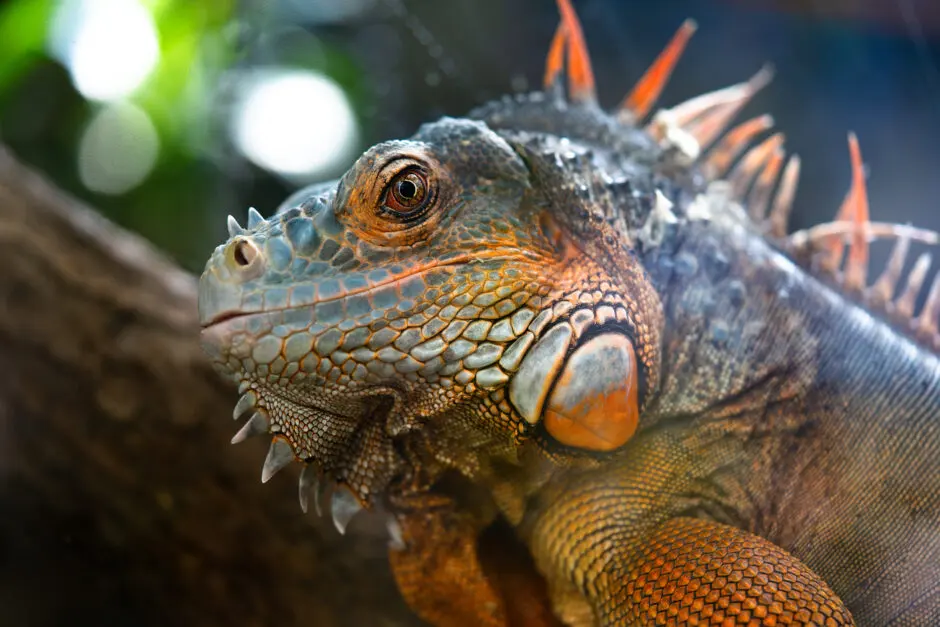
Iguanas typically live between 12 and 20 years in captivity when provided with expert care. While some individuals have reached 25 years or more, this longevity depends heavily on diet, environment, and veterinary attention. In the wild, their lifespans are often significantly shorter due to predation, environmental hazards, and competition for resources.
On this page
How long do iguanas live in captivity?
The lifespan of a captive iguana is primarily determined by the quality of its husbandry. When an owner mimics the animal’s natural tropical environment, these lizards can thrive well into their second decade. It is not uncommon for a well-cared-for Green Iguana to reach 15 to 20 years of age. However, this requires a lifelong commitment from the owner, as these animals grow quite large and have complex physiological needs.
Genetic health and early life conditions also play a role in longevity. Iguanas that suffer from metabolic bone disease or chronic malnutrition during their first year often have stunted growth and shortened lifespans. Providing a spacious enclosure, consistent lighting, and a balanced diet are the most effective ways to ensure your iguana reaches its full potential. While 20 years is a common benchmark for healthy adults, exceptional care can occasionally extend that duration.
Why do wild iguanas have shorter lifespans?
Life in the wild presents a constant series of challenges that do not exist in a controlled home environment. Iguanas in their native habitats must contend with natural predators, including hawks, snakes, and wild cats. Furthermore, they are subject to extreme weather events, droughts, and fluctuating food availability, all of which take a toll on their physical health. These stressors mean that few wild iguanas reach the maximum age observed in captivity.
Beyond predation, wild iguanas face significant habitat loss and competition for territory. Males often engage in aggressive physical combat to defend their nesting sites or breeding rights, leading to injuries that can become infected. Parasite loads are also much higher in the wild, which can weaken the immune system over time. While they are highly adapted to their specific niches, the cumulative impact of these environmental pressures usually limits their survival to a fraction of their biological potential.
Best practices for iguana longevity
To maximize the lifespan of a pet iguana, owners must prioritize specific environmental and nutritional standards. Consistency is the most important factor in maintaining a healthy reptile. If you are preparing to care for an iguana, follow these essential guidelines to ensure they remain healthy for years to come:
- Maintain a daytime ambient temperature between 85°F and 95°F.
- Provide a dedicated basking spot that reaches 105°F to 115°F.
- Ensure the enclosure has a high-quality UVB light source to prevent metabolic bone disease.
- Offer a varied diet consisting of 80-90% dark leafy greens, such as collard greens, dandelion greens, and mustard greens.
- Keep humidity levels between 65% and 75% to aid in proper shedding and respiratory health.
Common mistakes when caring for iguanas
Many owners inadvertently shorten their pet's life through common husbandry errors. One of the most frequent mistakes is failing to provide adequate ultraviolet light. Without proper UVB exposure, iguanas cannot synthesize vitamin D3, which leads to calcium deficiency and soft, brittle bones. This condition is often irreversible once it reaches an advanced stage, leading to permanent deformity or death.
Another critical error is feeding an improper diet. Many owners rely on commercial pellets as the primary food source, which can lead to kidney failure due to excessive protein or incorrect mineral ratios. Furthermore, many people underestimate the size requirements of an adult iguana. Keeping a lizard in a tank that is too small prevents proper thermoregulation and exercise, leading to obesity and lethargy. Follow these steps to avoid these pitfalls:
- Research the adult size of the specific species before purchasing.
- Replace UVB bulbs every six to twelve months, even if they still emit light.
- Consult with an exotic animal veterinarian for annual wellness exams.
- Avoid feeding animal proteins, as iguanas are strictly herbivorous.
How to tell if your iguana is healthy
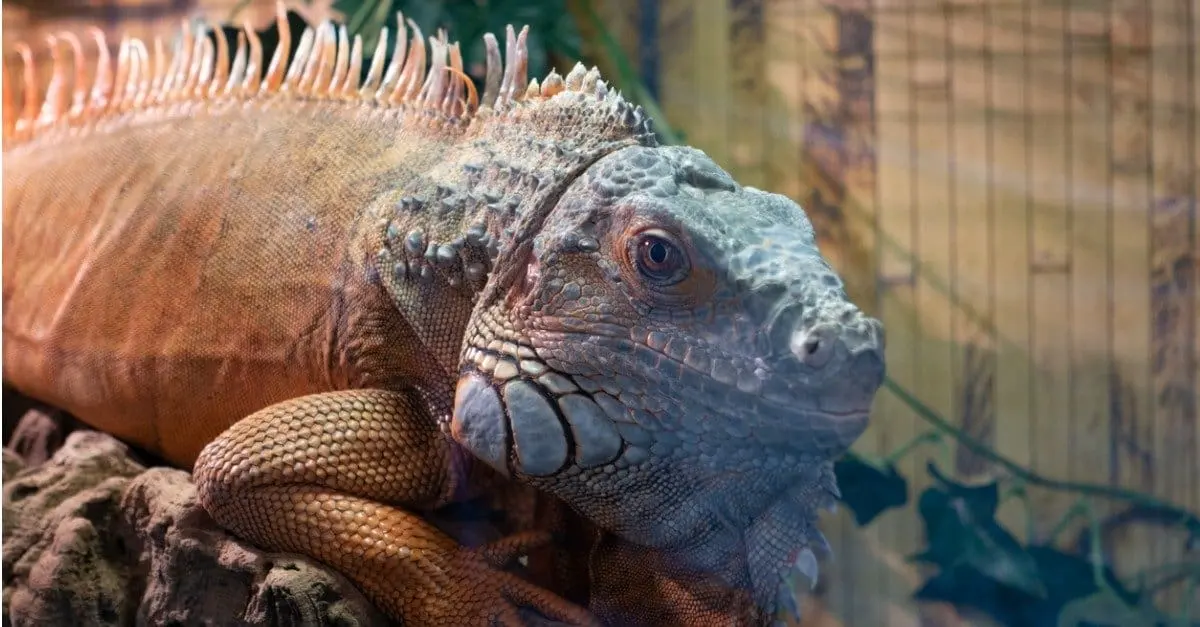
Monitoring your iguana’s behavior and physical appearance is the best way to detect health issues early. A healthy iguana should be alert, with clear eyes and a firm, well-muscled body. They should move with purpose and show interest in their surroundings, especially during feeding time. If you notice a sudden change in activity levels, appetite, or posture, it is a sign that something is wrong.
Physical indicators of health include smooth, vibrant skin and a clean vent area. If your iguana is lethargic, has sunken eyes, or shows signs of swelling in the limbs or jaw, seek veterinary care immediately. These symptoms are often indicators of advanced nutritional deficiencies or infections that require professional medical intervention. By staying observant and proactive, you can address minor health concerns before they become life-threatening, ensuring your iguana lives a long and comfortable life.
Key facts
- Green iguanas typically live between 15 and 20 years when provided with proper captive care.
- Wild iguanas often have shorter lifespans due to predation, environmental hazards, and limited access to medical care.
- Providing a high-quality UVB light source is essential for preventing metabolic bone disease, a leading cause of premature death.
- A diet consisting of 80–90% fresh leafy greens and vegetables is critical for long-term health and organ function.
- Iguanas require large, custom-built enclosures as they grow, as small tanks can cause stress and physical deformities.
- Regular checkups with an exotic animal veterinarian are necessary to detect hidden health issues early.
The bottom line
Iguanas are long-term commitments that thrive for up to two decades when given specialized care. Success depends on providing a massive habitat, strict herbivorous nutrition, and proper ultraviolet lighting to support bone health. Prospective owners must be prepared for the significant time, space, and financial resources required to maintain these reptiles properly. With dedicated attention to their environmental needs, these lizards can be rewarding, long-lived companions.
People also ask
Do iguanas grow to be very large?
Yes, green iguanas can reach lengths of 5 to 7 feet from nose to tail. Owners must plan for significant space requirements as the animal matures over several years.
What is the most common health problem for pet iguanas?
Metabolic bone disease is the most frequent ailment, usually caused by improper lighting or calcium deficiency. It leads to soft bones, tremors, and eventually fatal paralysis if not treated.
Can iguanas eat cat or dog food?
No, iguanas are strict herbivores and should never be fed animal proteins. Feeding them cat or dog food can cause severe kidney damage and significantly shorten their lifespan.
How much space does an adult iguana need?
An adult requires an enclosure at least 6 feet tall, 6 feet long, and 3 feet deep. Many owners eventually convert an entire room or build a custom outdoor aviary to accommodate their size.
Do iguanas become friendly with their owners?
With consistent, gentle handling, many iguanas become docile and recognize their owners. However, they are naturally solitary animals and may remain skittish if they do not receive regular socialization.
Why is humidity important for an iguana?
Iguanas are tropical reptiles that require high humidity to maintain healthy skin and proper shedding. Low humidity levels often lead to dehydration and respiratory infections that can be difficult to cure.
This answer was created with the help of AI research tools and reference sources. Spotted an error? Let us know — we correct mistakes quickly. See our editorial policy.