How long do ostriches live?
Short answer
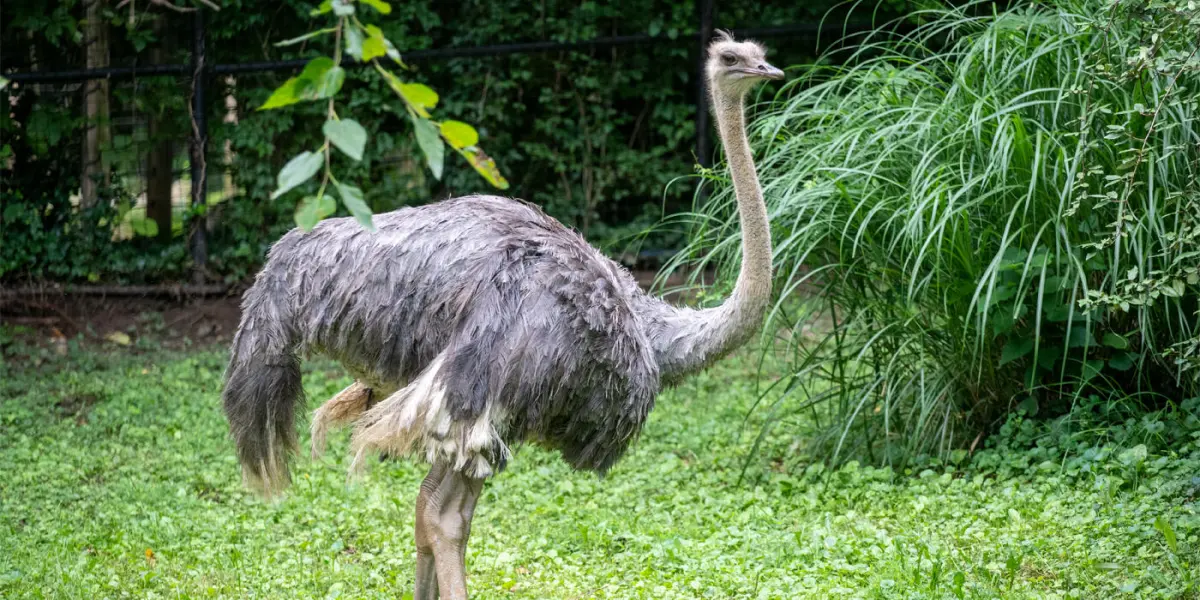
Ostriches typically live between 30 and 40 years in the wild. When kept in captivity under controlled conditions, such as in zoos or commercial farms, they can live significantly longer, often reaching 50 years or more. Their longevity is influenced by environmental factors, predator pressure, and the quality of their daily care.
On this page
How long do ostriches live in the wild?
In their natural habitat across the African savanna and semi-arid regions, ostriches face a constant struggle for survival. While they are incredibly fast runners, capable of reaching speeds up to 43 miles per hour, they remain vulnerable to apex predators. Lions, leopards, cheetahs, and hyenas frequently target both the eggs and the adult birds, which significantly limits their average lifespan compared to protected environments.
Environmental stressors also play a critical role in determining how long an ostrich survives in the wild. Droughts, food scarcity, and the prevalence of avian diseases can claim many individuals before they reach their full biological potential. Most wild ostriches that survive the high-risk juvenile stage will live for three to four decades, provided they successfully evade predators and maintain access to adequate grazing grounds and water sources.
How long do ostriches live in captivity?
When provided with consistent veterinary care, protection from predators, and a steady supply of high-quality nutrition, ostriches thrive well beyond their wild counterparts. In managed settings like zoological parks or ostrich farms, it is not uncommon for these birds to reach 50 years of age. Some exceptional individuals have been documented living into their mid-50s, demonstrating that environmental stability is the primary driver of their longevity.
The extended lifespan in captivity is largely attributed to the elimination of external threats and the management of health issues. Keepers monitor the birds for signs of stress or illness, allowing for early intervention that would be impossible in the wild. However, even in captivity, ostriches are subject to specific biological constraints that eventually lead to the natural decline of their physical health, including joint issues and metabolic changes associated with aging.
What factors affect ostrich longevity?
Several key variables determine the health and lifespan of an ostrich. Genetics play a foundational role, but environmental management is often the deciding factor in how long a bird survives. Understanding these influences can help those interested in ostrich husbandry provide the best possible environment for these large ratites.
- Nutrition: A balanced diet rich in fiber, calcium, and essential vitamins is vital for bone density and immune function.
- Space: Adequate room to run and exercise is necessary to prevent muscle atrophy and obesity, which can shorten a bird's life.
- Veterinary oversight: Regular check-ups for internal parasites and respiratory infections are essential for maintaining long-term health.
- Social structure: Ostriches are social creatures; isolation can lead to stress, which negatively impacts their overall well-being and immune response.
Common health issues that owners must watch for include impaction of the digestive tract from ingesting foreign objects and leg injuries caused by uneven terrain. Monitoring these factors ensures the bird remains active and healthy well into its later years.

How to care for ostriches for maximum lifespan?
Providing proper care requires a commitment to both physical and psychological needs. Because ostriches are large, powerful animals, their environment must be designed to accommodate their natural behaviors while ensuring their safety. Following a structured routine is the most effective way to extend their life expectancy in a domestic setting.
- Ensure the fencing is high and sturdy to prevent the bird from attempting to jump or charging into barriers.
- Provide a clean, consistent water source, as dehydration is a common cause of illness in captive ratites.
- Implement a rotational grazing schedule to keep pastures fresh and reduce the risk of parasite accumulation in the soil.
- Maintain a calm environment, as ostriches are easily startled and can injure themselves if they panic in confined spaces.
By strictly following these protocols, caretakers can minimize the risk of accidents and chronic illnesses. Regular observation allows for the detection of subtle behavioral changes that may indicate a bird is not feeling well, allowing for prompt medical attention.
Common mistakes when raising ostriches
Many new owners make errors that inadvertently shorten the lifespan of their birds. One of the most frequent mistakes is overfeeding, which leads to obesity and severe joint stress. Because ostriches are built for endurance, excess weight places an enormous strain on their long, thin legs, often leading to permanent mobility issues that can necessitate euthanasia.
Another common oversight is failing to provide adequate protection from extreme weather. While ostriches are hardy, they require shelter from freezing temperatures and heavy rains. Exposure to harsh conditions can weaken their immune systems, making them susceptible to secondary infections. Furthermore, keepers often neglect the importance of socialization. Keeping a single ostrich in isolation is a significant mistake, as these birds are naturally gregarious and suffer from chronic stress when kept alone. Providing a companion of the same species is a simple yet essential step toward ensuring a long, healthy, and fulfilling life for the animal.
Key facts
- Ostriches typically live between 30 and 40 years in the wild.
- In managed environments like zoos or farms, ostriches can live up to 50 years.
- Their lifespan is largely determined by their ability to outrun predators like lions and cheetahs.
- Sexual maturity is reached between 2 and 4 years of age for both males and females.
- A major mistake in ostrich care is failing to provide enough space, as they require large areas to run.
- Proper nutrition and protection from extreme weather are essential for reaching their maximum potential lifespan.
The bottom line
The lifespan of an ostrich is a testament to its evolutionary success, ranging from 30 to 40 years in nature and extending up to 50 years under human care. By prioritizing a spacious habitat, a balanced diet, and protection from environmental extremes, owners can help these remarkable birds reach their full longevity. Understanding these biological needs is essential for anyone interested in the long-term well-being of ostriches.
People also ask
Do ostriches live longer in captivity than in the wild?
Yes, ostriches generally live longer in captivity because they are protected from natural predators and receive consistent medical care and nutrition. While wild ostriches face constant threats from carnivores, captive birds are spared these dangers, often extending their lives by a decade or more.
At what age do ostriches stop laying eggs
Female ostriches typically remain productive for about 20 to 30 years. While they can continue to lay eggs into their older years, the frequency and fertility rates usually decline significantly as the bird ages.
What is the most common cause of death for wild ostriches?
Predation is the primary cause of death, especially for younger ostriches that have not yet reached their full size and speed. Adult ostriches are also susceptible to diseases, parasites, and injuries that may prevent them from escaping predators.
Can ostriches survive in cold climates?
Ostriches are native to the hot, arid regions of Africa and are not naturally adapted to freezing temperatures. If kept in colder climates, they require heated shelters and specialized care to prevent frostbite and respiratory issues.
How fast can an adult ostrich run to escape danger?
An adult ostrich can reach speeds of up to 43 miles per hour (70 kilometers per hour). This incredible speed is their primary defense mechanism, allowing them to outrun most predators on the African savanna.
Do ostriches have any natural defenses other than running?
While running is their first choice, ostriches can deliver powerful kicks capable of injuring or killing predators. They also use their size and sharp claws to defend themselves when they are cornered or protecting their nests.
This answer was created with the help of AI research tools and reference sources. Spotted an error? Let us know — we correct mistakes quickly. See our editorial policy.