How long do beavers live?
Short answer
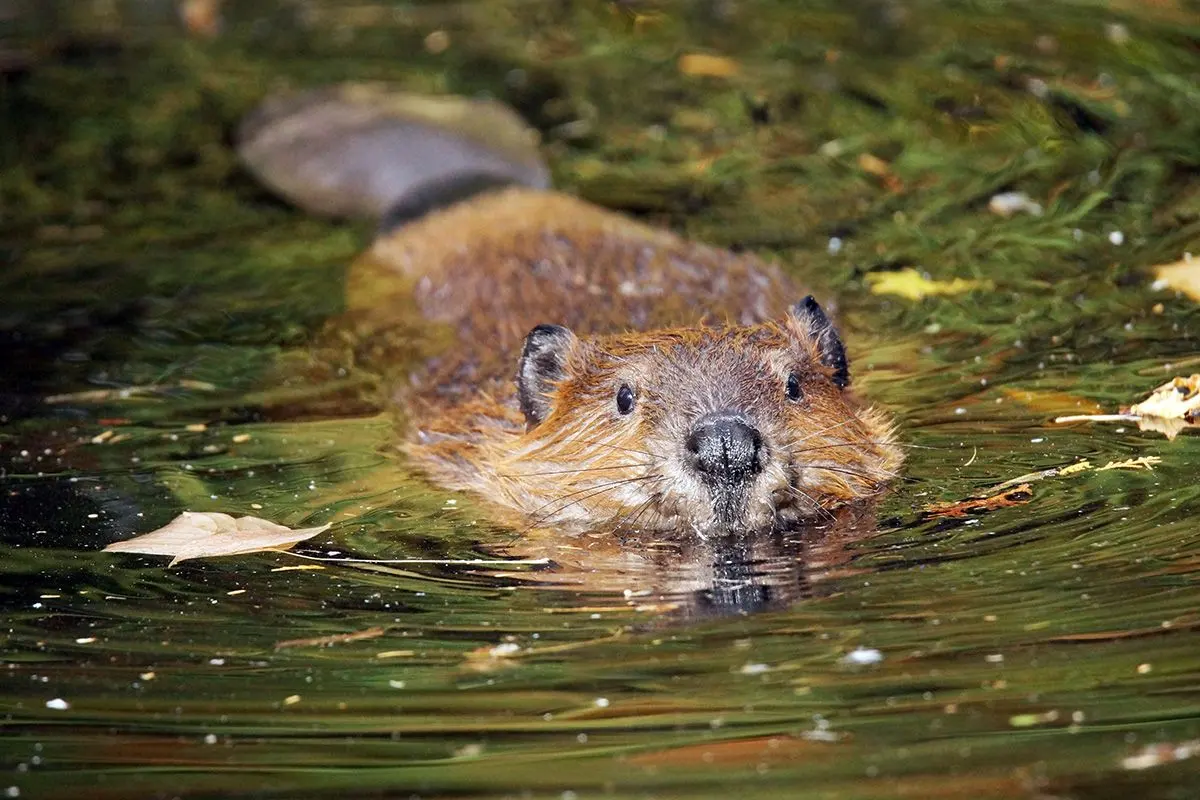
Wild North American beavers typically live between 10 and 12 years, though some individuals may reach 20 years under ideal conditions. In captivity, where threats like predation and starvation are eliminated, beavers can live significantly longer, often reaching 15 to 20 years or more with consistent veterinary care and nutrition.
On this page
How long do beavers live in the wild?
In their natural habitats, beavers face a variety of environmental pressures that limit their lifespan. While they are master engineers capable of modifying ecosystems, they remain vulnerable to predators such as wolves, coyotes, bears, and mountain lions. Young kits are particularly susceptible to these threats during their first two years of life, which is why the average survival rate for a beaver in the wild is often lower than its biological potential.
Environmental factors also play a significant role in determining longevity. Harsh winters, food scarcity, and the availability of suitable territory impact how long a colony can thrive. When resources are abundant and the population density is managed, beavers can live into their second decade. However, the constant physical labor required to maintain dams and lodges takes a toll on their bodies. Most wild beavers that survive the vulnerable juvenile stage will live for about a decade before age-related decline makes them easier targets for predators.
What factors affect beaver longevity?
The lifespan of a beaver is dictated by a combination of biological, environmental, and behavioral factors. Genetics play a foundational role, but external stressors often dictate whether an animal reaches its maximum age. A beaver’s dental health is perhaps the most critical biological factor, as their continuously growing incisors must be worn down through constant gnawing. If a beaver suffers from a tooth injury or misalignment, it may be unable to forage effectively, leading to malnutrition.
Several key elements influence how long these rodents survive:
- Predation pressure from local carnivores.
- The quality and quantity of woody vegetation for food and building.
- The stability of water levels in their pond or stream.
- The presence of parasites or water-borne diseases.
- The ability to successfully overwinter in a secure lodge.
Environmental stability is essential. If a dam fails during a major flood or a drought dries up their pond, the colony must expend significant energy to relocate. This stress often leads to higher mortality rates among older beavers.
How do beavers live in captivity?
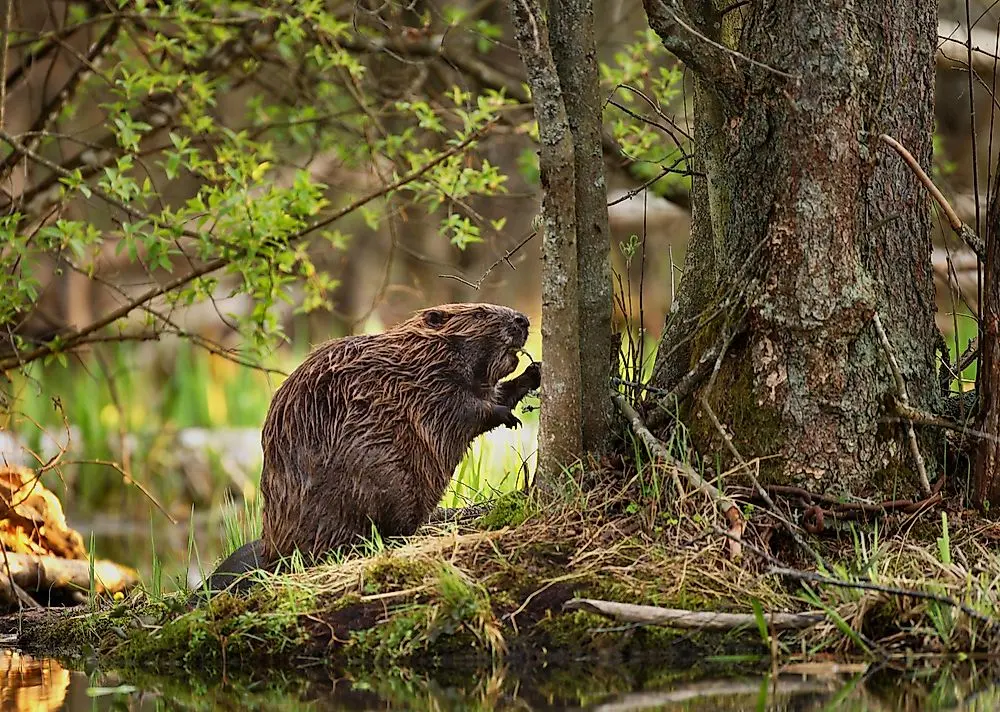
Beavers kept in zoos, wildlife rehabilitation centers, or research facilities often live longer than their wild counterparts. In these controlled environments, the primary causes of death—predation and starvation—are removed entirely. Wildlife professionals provide a balanced diet of high-quality wood, bark, and supplemental nutrients, which helps maintain the health of their teeth and digestive systems. Veterinary oversight allows for the early detection of infections or dental issues that would be fatal in the wild.
Despite these advantages, captivity presents its own set of challenges. Beavers are highly social and industrious animals that require significant space and mental stimulation. Facilities must provide:
- Large, deep water enclosures for swimming and diving.
- Ample building materials to satisfy their natural urge to construct.
- Proper social groupings to prevent stress-induced behavioral issues.
- Regular health screenings to monitor weight and dental growth.
When these needs are met, it is not uncommon for a beaver to thrive for 15 to 20 years, significantly exceeding the average wild lifespan.
Why do beavers need to gnaw?
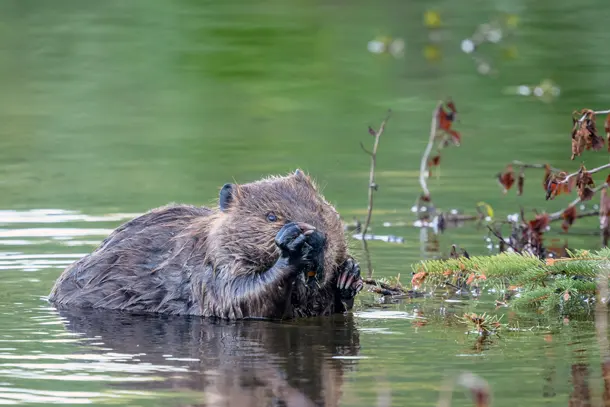
The need to gnaw is not merely a behavioral quirk but a biological necessity that directly impacts a beaver's health and lifespan. Their incisors are coated with a hard, orange enamel that is reinforced with iron, making them incredibly durable. Because these teeth grow continuously throughout the animal's life, they must be worn down against hard bark and wood. If a beaver cannot gnaw, its teeth can become overgrown, eventually piercing the roof of its mouth or preventing the jaw from closing properly.
Common mistakes when observing or managing beaver habitats include:
- Removing all large trees, which deprives them of essential dental maintenance tools.
- Disrupting their lodges, which forces them to spend excessive energy on repairs rather than foraging.
- Introducing pollutants into their water supply, which can lead to long-term health complications.
- Failing to protect young kits from domestic pets or human interference near their dens.
By ensuring they have access to a variety of tree species like willow, aspen, and birch, humans can help support the natural dental health of local beaver populations.
How to identify an older beaver?
Distinguishing the age of a beaver in the wild is difficult without close inspection, but researchers use several physical indicators to estimate maturity. Adult beavers typically weigh between 35 and 60 pounds, though weight alone is not a perfect indicator of age due to seasonal fluctuations. Older beavers often exhibit more wear on their teeth, which can be observed by experts during tagging or health assessments. Additionally, their fur may become thinner or show more scarring from past territorial disputes or predator encounters.
If you are observing beavers in the wild, look for these signs of a mature, established colony member:
- A larger, more robust body size compared to the yearlings.
- Confident, purposeful swimming patterns and efficient dam maintenance.
- A calm demeanor, as older beavers are often less skittish than younger ones.
- Successful participation in colony defense and lodge repair tasks.
While you cannot determine the exact age of a beaver from a distance, observing their behavior and physical condition provides insight into their health. Understanding these factors helps us appreciate the resilience of these animals as they navigate their complex, dam-building lives.
Key facts
- Wild beavers typically live between 10 and 15 years, though some individuals reach 20 years.
- In captivity, where predators and food shortages are absent, beavers can live up to 25 years.
- Predation by wolves, bears, coyotes, and lynx is the primary cause of death for young beavers.
- Beavers are monogamous and live in family units, which helps protect offspring from external threats.
- To identify a beaver's age, researchers analyze the growth rings in the roots of their teeth.
- Habitat quality, specifically access to deep water and abundant willow or aspen trees, is the biggest factor in longevity.
The bottom line
While beavers in the wild generally survive for over a decade, their lifespan is heavily dictated by their ability to evade predators and navigate human-altered landscapes. Providing protected wetlands with sufficient food sources is the best way to support their longevity. By understanding these natural cycles, observers can better appreciate the resilience of these industrious rodents as they engineer ecosystems and maintain their complex family structures.
People also ask
Do male and female beavers have different lifespans?
There is no significant evidence that sex impacts the natural lifespan of a beaver. Both males and females face similar environmental risks, though females may experience more physical stress during the nursing period.
What is the most common cause of death for beavers?
Predation is the leading cause of mortality, particularly for kits and yearlings. Adults are also frequently killed by vehicle collisions when they travel over land to find new territories.
How do beavers survive harsh winters?
Beavers store branches underwater in a "food cache" near their lodge entrance. This allows them to access fresh bark and twigs throughout the winter without leaving the safety of their home.
At what age do beavers leave their parents
Young beavers, known as kits, typically remain with their parents for two years. They leave the lodge during their second spring to find a mate and establish their own territory.
Can beavers live in urban environments?
Yes, beavers are highly adaptable and often move into suburban ponds or urban waterways. However, these environments often lead to shorter lives due to increased human-wildlife conflict and traffic hazards.
Do beavers suffer from many diseases?
Beavers can carry tularemia and giardia, which can be fatal in crowded populations. Maintaining clean water and avoiding overpopulation helps keep local beaver colonies healthy and disease-free.
This answer was created with the help of AI research tools and reference sources. Spotted an error? Let us know — we correct mistakes quickly. See our editorial policy.