How long do ladybugs live?
Short answer
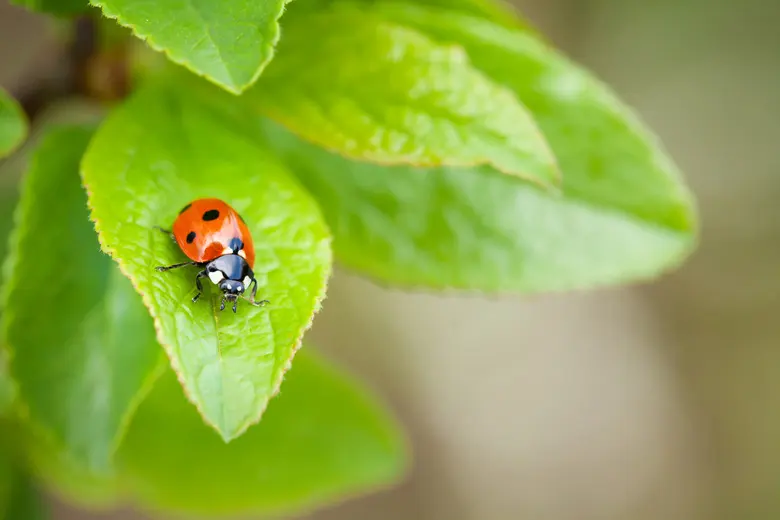
Most ladybugs live for about one year, though their lifespan varies significantly based on species, environmental conditions, and food availability. While the adult stage typically lasts several months, the complete life cycle from egg to adult takes approximately four to eight weeks, depending on temperature and the abundance of prey.
On this page
How long does the ladybug life cycle take?
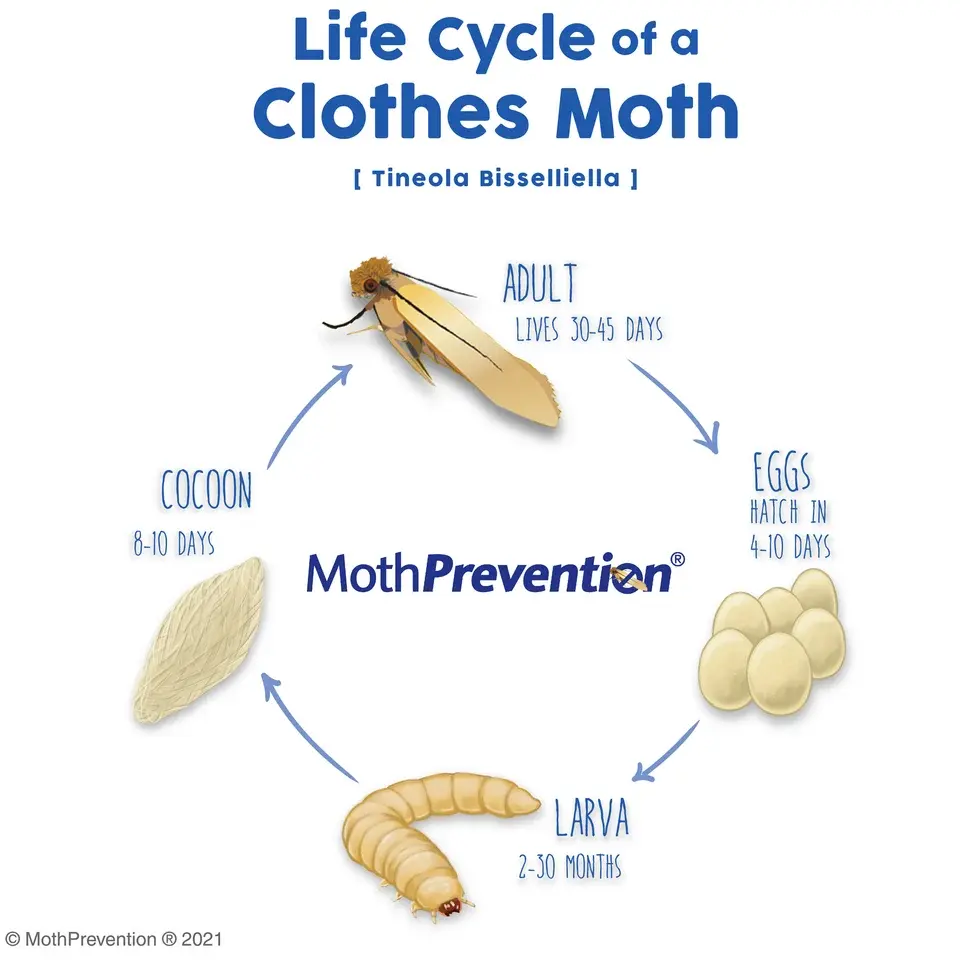
The transformation from egg to adult is a rapid process known as complete metamorphosis. This cycle consists of four distinct stages: egg, larva, pupa, and adult. In ideal conditions with plenty of food and warmth, a ladybug can complete this entire transition in as little as four weeks. However, in cooler climates or during periods of food scarcity, the process may extend to eight weeks or longer.
The duration of each stage is highly dependent on the local climate. Eggs typically hatch within three to five days after being laid in clusters on the undersides of leaves. The larval stage, which is the primary period of growth and feeding, lasts about two to three weeks. During this time, the larva molts several times before entering the pupal stage, where it remains stationary for roughly one week while it undergoes its final transformation into a winged adult.
What factors affect ladybug lifespan?
Several environmental and biological factors dictate how long an individual ladybug survives. Temperature is perhaps the most significant variable, as ladybugs are ectothermic and rely on external heat to regulate their metabolism. During the winter months, many species enter a state of dormancy called diapause. This period of inactivity allows them to survive harsh weather by lowering their metabolic rate, effectively pausing their aging process until spring arrives.
Food availability also plays a critical role in determining longevity. Ladybugs are voracious predators, primarily feeding on aphids, scale insects, and mites. If a ladybug emerges into an environment with a dense prey population, it will likely live longer and produce more offspring. Conversely, a lack of food sources can lead to premature death or reduced reproductive success. Other limiting factors include:
- Predation by birds, spiders, and larger insects.
- Exposure to chemical pesticides in gardens or agricultural fields.
- Parasitic infections from wasps or fungal pathogens.
- Extreme weather events like prolonged droughts or unseasonable frosts.
How do ladybugs survive the winter?
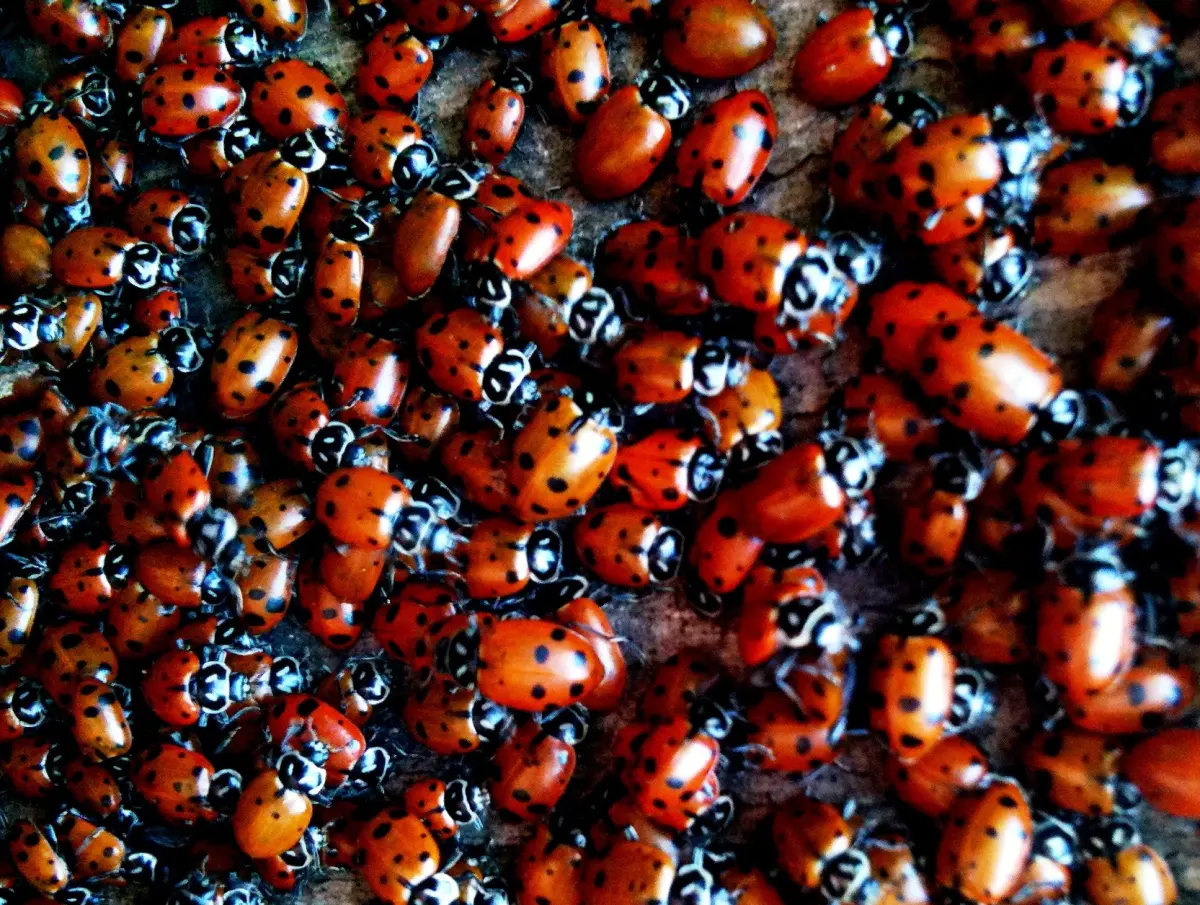
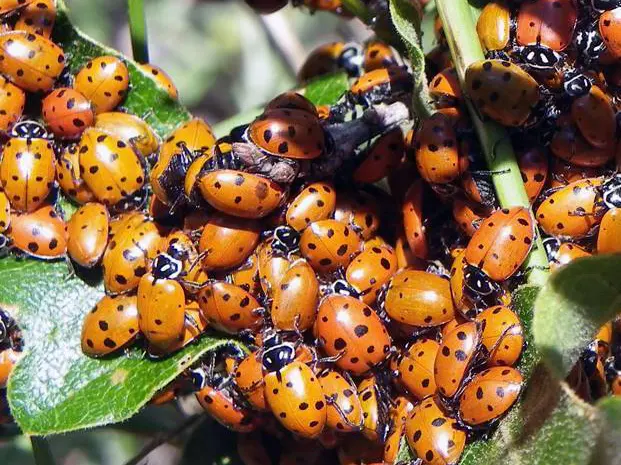
In temperate regions, ladybugs must find ways to endure the cold when their food sources disappear. Many species seek out protected crevices, such as under tree bark, inside hollow logs, or beneath layers of leaf litter. Some species, most notably the invasive multicolored Asian lady beetle, are known to aggregate in large groups within human structures, such as attics or wall voids, to stay warm during the winter months.
During this period of diapause, ladybugs do not eat or move significantly. They rely on stored fat reserves accumulated during the late summer and autumn. If they are disturbed or if their overwintering site becomes too warm, they may prematurely wake up, depleting their energy stores and significantly shortening their lifespan. Successful overwintering is essential for the survival of the population, as these individuals are the ones that will emerge to mate and lay eggs in the following spring.
Common mistakes when trying to help ladybugs
Many homeowners attempt to assist ladybugs by bringing them indoors during the winter, but this is often counterproductive. Because ladybugs require a period of cold to maintain their diapause, keeping them in a warm house causes them to burn through their energy reserves too quickly. This leads to starvation and dehydration, as there is no natural food source available for them inside a home.
To properly support ladybug populations in your garden, avoid these common errors:
- Do not use broad-spectrum insecticides, as these kill beneficial insects along with pests.
- Avoid clearing away all garden debris in the autumn, as this removes vital overwintering habitats.
- Do not purchase ladybugs from commercial suppliers for release, as this can introduce non-native species or diseases into your local ecosystem.
- Avoid over-watering plants, which can create fungal issues that harm developing larvae.
Instead, focus on creating a sustainable habitat that provides natural shelter and a consistent food supply throughout the growing season.
Best ways to attract ladybugs to your garden
Creating a welcoming environment is the most effective way to maintain a healthy population of ladybugs. These insects are attracted to gardens that offer a diverse range of pollen and nectar sources, which provide essential nutrients when aphids are scarce. Planting native flowers such as dill, fennel, yarrow, and cilantro can provide the necessary floral resources to keep ladybugs nearby throughout their adult lives.
Providing a water source is also vital, especially during hot summer months. A shallow dish filled with pebbles and a small amount of water allows ladybugs to drink without the risk of drowning. By maintaining a chemical-free landscape and providing diverse plantings, you ensure that ladybugs have the resources they need to thrive. These simple practices not only extend the lifespan of individual ladybugs but also foster a balanced ecosystem where natural pest control can flourish without the need for synthetic interventions.
Key facts
- Most ladybug species live for approximately one year, though some can survive up to two years under ideal conditions.
- Their lifespan is divided into four stages: egg, larva, pupa, and adult.
- Ladybugs often enter a state of dormancy called diapause during winter to survive freezing temperatures.
- Adult ladybugs require consistent access to aphids and other small insects to maintain their energy levels.
- Providing a garden with diverse native plants helps ladybugs find shelter and food throughout their life cycle.
- Avoid using chemical pesticides in your garden, as these are often lethal to ladybugs at all stages of development.
The bottom line
The typical lifespan of a ladybug is about one year, encompassing a complete metamorphosis from egg to adult. By avoiding toxic pesticides and maintaining a diverse garden environment, you provide the necessary resources for these beneficial insects to thrive. Understanding their seasonal needs, such as winter dormancy, allows you to better support their population, ensuring they remain effective natural allies in managing garden pests throughout the year.
People also ask
Do ladybugs bite humans?
Ladybugs generally do not bite, though some species may occasionally pinch human skin if they are searching for moisture. These nips are rarely painful and do not cause significant injury.
How many eggs does a female ladybug lay?
A single female ladybug can lay between 500 and 1,000 eggs during her lifetime. She typically deposits them in clusters on the undersides of leaves near aphid colonies.
Why do ladybugs gather in houses during the fall?
Ladybugs seek out warm, sheltered crevices in buildings to escape the cold of winter. This behavior is a survival strategy to ensure they survive until spring temperatures return.
What do ladybug larvae eat?
Larvae are voracious predators that primarily consume aphids, mites, and scale insects. They must eat large quantities of prey to fuel their rapid growth and eventual transition into the pupal stage.
Can you keep a ladybug as a pet?
While possible, keeping ladybugs in captivity is difficult because they require a constant supply of live prey. It is more practical to support them by creating a healthy outdoor habitat.
How can you tell the age of a ladybug?
You cannot determine the exact age of an adult ladybug by its spots or color. These physical characteristics are determined by the species and genetics rather than how long the insect has been alive.
This answer was created with the help of AI research tools and reference sources. Spotted an error? Let us know — we correct mistakes quickly. See our editorial policy.