What is Edmonton known for?
Short answer
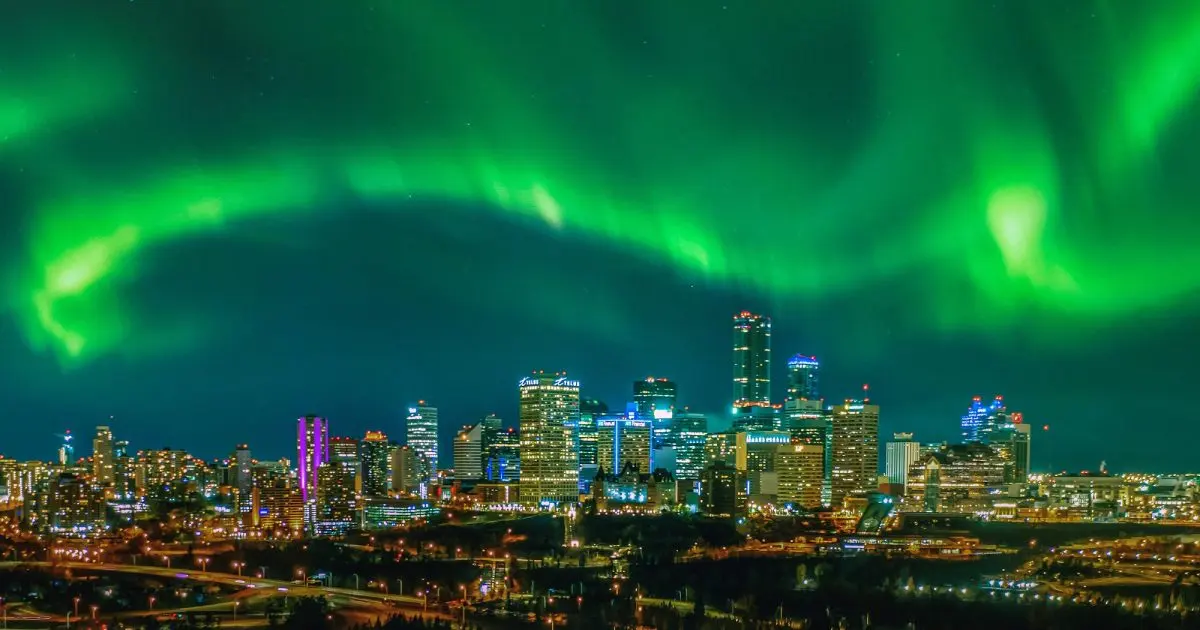
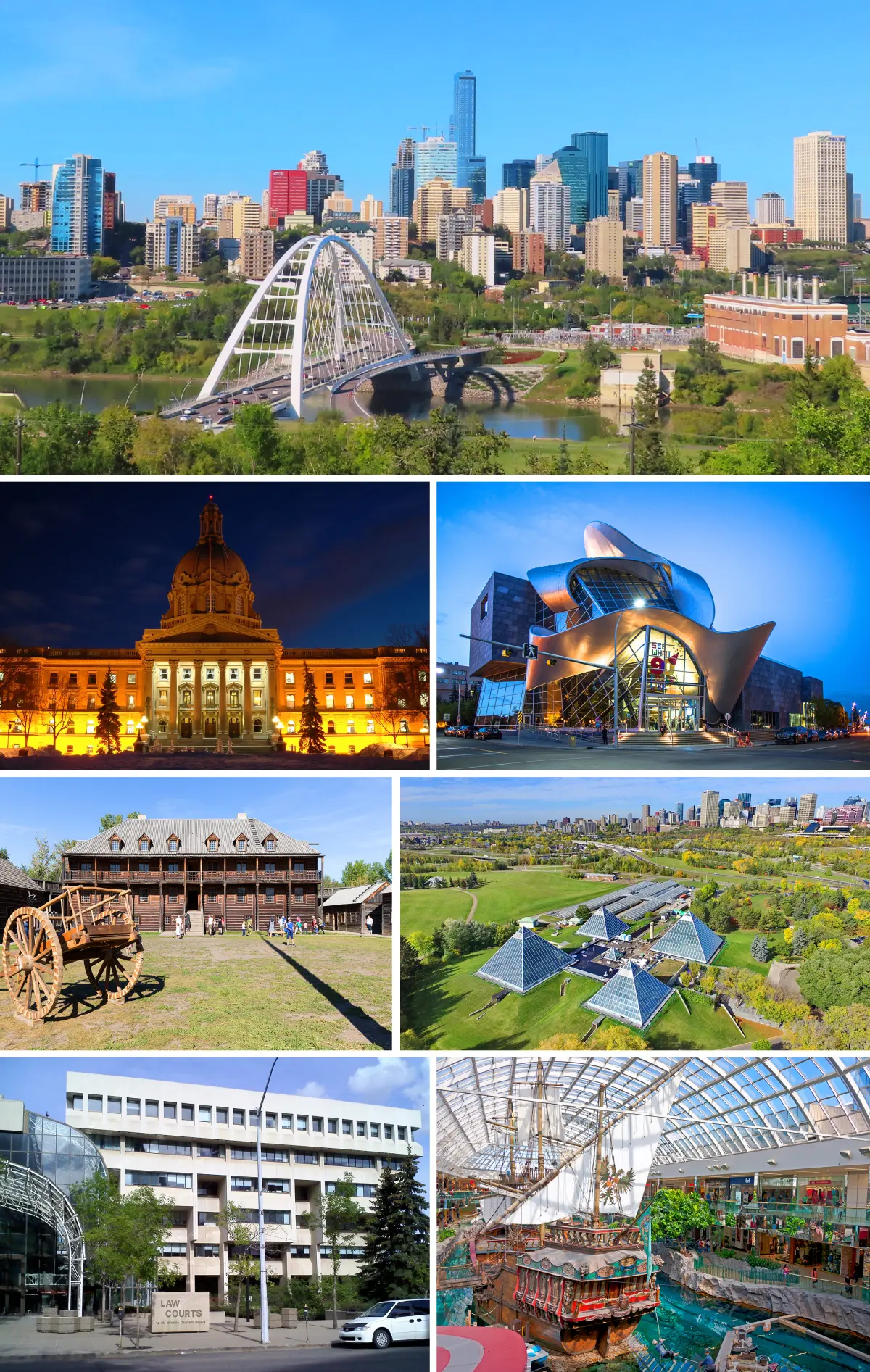
Edmonton, the capital of Alberta, is primarily known as Canada’s "Festival City" and home to the massive West Edmonton Mall. It serves as a major gateway to northern Canada, balancing a rugged industrial heritage with a vibrant cultural scene, expansive river valley parklands, and a rapidly growing reputation for culinary innovation.
On this page
Why is Edmonton called the Festival City?
Edmonton earns its nickname through a relentless calendar of over 50 major festivals held throughout the year. The city transforms during the summer months, capitalizing on long daylight hours to host world-class events that draw international performers and thousands of tourists. These gatherings celebrate everything from high-brow theater and street performance to diverse ethnic cuisines and music genres.
The crown jewel of this cultural scene is the Edmonton International Fringe Theatre Festival, the largest of its kind in North America. Founded in 1982, it turns the historic Old Strathcona district into a hub of creative expression. Other notable events include:
- The Edmonton Folk Music Festival, situated in the scenic Gallagher Park.
- The Works Art & Design Festival, showcasing local and international visual arts.
- K-Days, a massive summer fair featuring carnival rides, agricultural exhibits, and live entertainment.
- The Silver Skate Festival, which highlights winter culture through ice skating and light displays.
What makes West Edmonton Mall famous?
Spanning over 5.3 million square feet, West Edmonton Mall is one of the largest shopping and entertainment complexes in the world. Since its opening in 1981, it has functioned as a self-contained city, housing more than 800 stores and services. It is not merely a retail destination but a major tourist attraction featuring unique indoor recreational facilities.
Visitors often spend multiple days exploring the massive structure. Key attractions include:
- World Waterpark, which features one of the world's largest indoor wave pools.
- Galaxyland, an indoor amusement park with various thrill rides and roller coasters.
- Ice Palace, a regulation-sized indoor skating rink.
- Marine Life, an aquarium located within the mall walls.
Common mistakes include attempting to see the entire facility in a single afternoon. To maximize your visit, focus on one or two major attractions per day and wear comfortable walking shoes, as the sheer scale of the building can lead to significant fatigue.
How to explore the North Saskatchewan River Valley
Edmonton possesses the largest stretch of urban parkland in Canada, known as the North Saskatchewan River Valley. This green corridor is 22 times larger than New York City’s Central Park, offering over 160 kilometers of maintained trails for hiking, cycling, and cross-country skiing. It serves as the primary recreational lung for the city, connecting various neighborhoods through a continuous natural landscape.
The river valley is accessible year-round, though the experience changes drastically with the seasons. In summer, the trails are lush and perfect for mountain biking or picnicking. In winter, the city grooms many paths for snowshoeing and skiing. When visiting, ensure you follow these safety guidelines:
- Always stay on marked trails to protect local flora and fauna.
- Carry bear spray if venturing into more secluded areas, as wildlife sightings are possible.
- Check the city’s official trail reports for closures due to spring flooding or maintenance.
- Keep your distance from the riverbanks, as the soil can be unstable after heavy rainfall.
Best neighborhoods for local food and culture
Edmonton has recently emerged as a serious culinary destination, moving away from its traditional steak-and-potatoes roots. The city’s food scene is characterized by a strong emphasis on farm-to-table practices, supported by the rich agricultural land surrounding the capital region. Neighborhoods like Old Strathcona, 124 Street, and the downtown core are the epicenter of this movement, offering everything from high-end bistros to experimental fusion kitchens.
If you are planning a culinary tour, consider these tips to ensure a high-quality experience:
- Research local "hidden gems" in the 124 Street district, which is famous for boutique shops and independent cafes.
- Visit the City Market Downtown on Saturdays to sample fresh produce and artisanal goods from regional farmers.
- Make reservations well in advance for popular restaurants, as the local dining scene is highly competitive on weekends.
- Look for restaurants participating in "Dining Week" events, which offer curated menus at fixed prices to showcase local chefs' talents.
Common mistakes when visiting Edmonton
A frequent error for first-time visitors is underestimating the impact of the climate, particularly during the winter months. While the city is well-prepared for cold weather, temperatures can drop significantly below freezing. Failing to pack proper winter gear—such as insulated boots, a heavy parka, and thermal layers—can severely limit your ability to enjoy the outdoor attractions that define the city's character.
Another common mistake is relying solely on public transit to reach suburban attractions. While the Light Rail Transit (LRT) system is efficient for moving between downtown, the university, and major stadiums, it does not reach every corner of the city. Renting a car or utilizing ride-sharing services is often necessary if you plan to visit sites outside the central core. Finally, avoid scheduling your trip during the shoulder seasons of late autumn or early spring if you want to experience the city at its most vibrant, as these periods can be gray and transitional. Focus your itinerary on the peak summer festival season or the heart of winter for the most authentic experience.
Key facts
- Edmonton is home to West Edmonton Mall, which spans over 5.3 million square feet and features an indoor amusement park, water park, and ice rink.
- The city is nicknamed the "Festival City" because it hosts over 50 major festivals annually, including the Edmonton Fringe Theatre Festival and the Folk Music Festival.
- It serves as the northernmost city in North America with a metropolitan population of over one million people.
- The North Saskatchewan River Valley is the largest stretch of urban parkland in Canada, covering 22 times the area of New York City's Central Park.
- Edmonton is the capital of Alberta and functions as a major gateway to the Canadian Rockies and the northern oil sands.
- When visiting in winter, expect temperatures that can drop below -20°C; always dress in layers and prioritize wind-resistant outerwear to stay comfortable.
The bottom line
Edmonton is a vibrant northern metropolis defined by its massive parkland, extensive shopping infrastructure, and a deep-rooted culture of community celebration. By balancing its industrial roots with a thriving arts scene and the expansive North Saskatchewan River Valley, it offers a distinct Canadian experience. Whether you are seeking outdoor adventure or urban entertainment, the city serves as a versatile destination for travelers throughout the year.
People also ask
What is the best time of year to visit Edmonton?
Summer is ideal for outdoor festivals and exploring the river valley, while winter offers unique experiences like ice skating and the Silver Skate Festival. Avoid visiting in late autumn if you dislike cold, grey weather before the snow settles.
How do I get around the city efficiently?
Edmonton has an integrated public transit system including buses and the Light Rail Transit (LRT) line. Renting a car is recommended if you plan to visit attractions outside the city core, as the metro area is quite sprawling.
What are the must-try local foods?
You should try a "donair," a popular spiced meat wrap served with a sweet garlic sauce that is a staple of the local late-night food scene. Also, look for restaurants serving bison or Alberta beef, which are regional specialties.
Is the city safe for tourists?
Edmonton is generally safe, but like any large city, you should remain aware of your surroundings in downtown areas at night. Avoid leaving valuables in plain sight inside parked vehicles to prevent opportunistic theft.
How far is Edmonton from Jasper National Park?
It is approximately a four-hour drive west from Edmonton to the town of Jasper. Many travelers use the city as a starting point to stock up on supplies before heading into the mountains.
What cultural institutions should I visit?
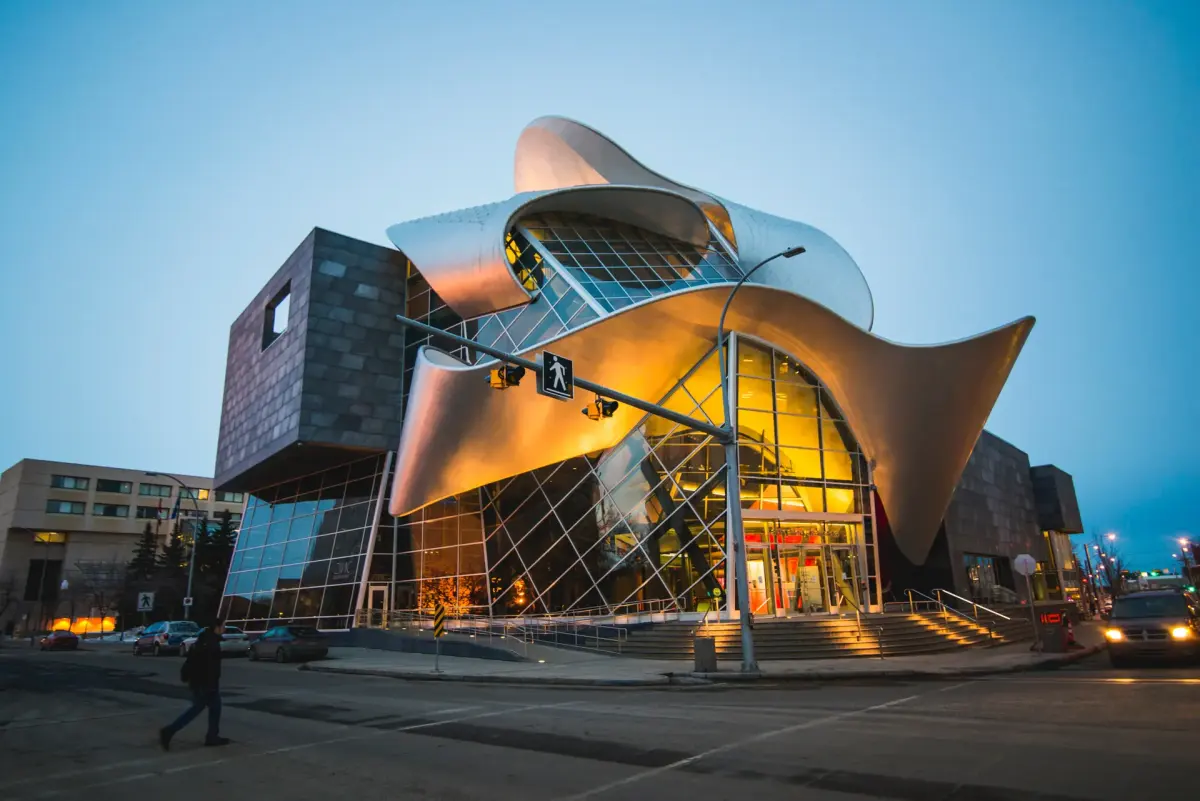
The Royal Alberta Museum is the largest museum in Western Canada and provides deep insight into the province's natural and human history. The Art Gallery of Alberta is also a major landmark known for its distinct, winding architectural design.
This answer was created with the help of AI research tools and reference sources. Spotted an error? Let us know — we correct mistakes quickly. See our editorial policy.