What is Auckland known for?
Short answer
Auckland is New Zealand’s largest city, renowned as the "City of Sails" for its vibrant maritime culture and two sprawling harbors. It serves as the nation’s primary economic hub, defined by a unique volcanic landscape, diverse Polynesian heritage, and a temperate climate that facilitates year-round outdoor exploration and coastal living.
On this page
Why is Auckland called the City of Sails?
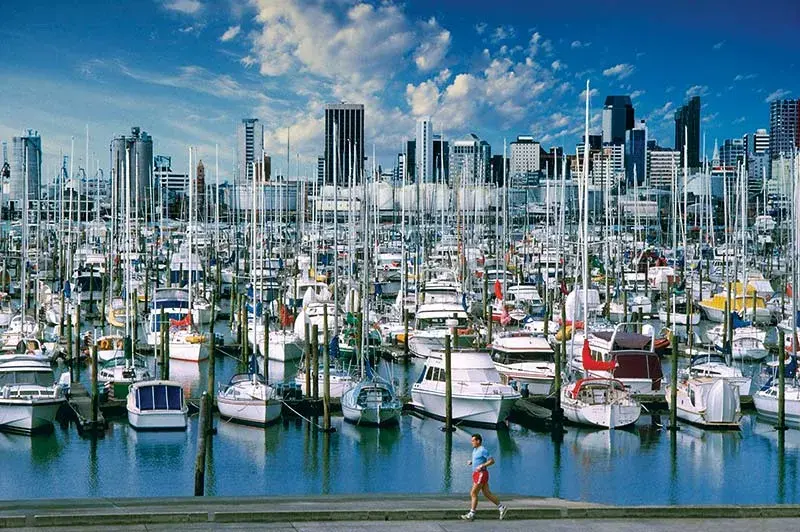
Auckland’s identity is inextricably linked to the Waitematā and Manukau Harbors, which flank the city’s narrow isthmus. With more boats per capita than almost anywhere else in the world, the harbor is a constant hive of activity. On any given weekend, the waters are dotted with thousands of yachts and recreational vessels, reflecting the city's deep-seated passion for sailing and maritime sports.
This maritime culture is not merely recreational but central to the city's history and economy. The Viaduct Harbour and Wynyard Quarter serve as the premier waterfront destinations, hosting world-class dining, luxury marinas, and the New Zealand Maritime Museum. Visitors can experience this lifestyle firsthand through various water-based activities:
- Take a ferry to Waiheke Island for world-renowned vineyards and beaches.
- Charter a yacht to explore the Hauraki Gulf’s many secluded islands.
- Visit the America’s Cup village area to see high-performance racing vessels.
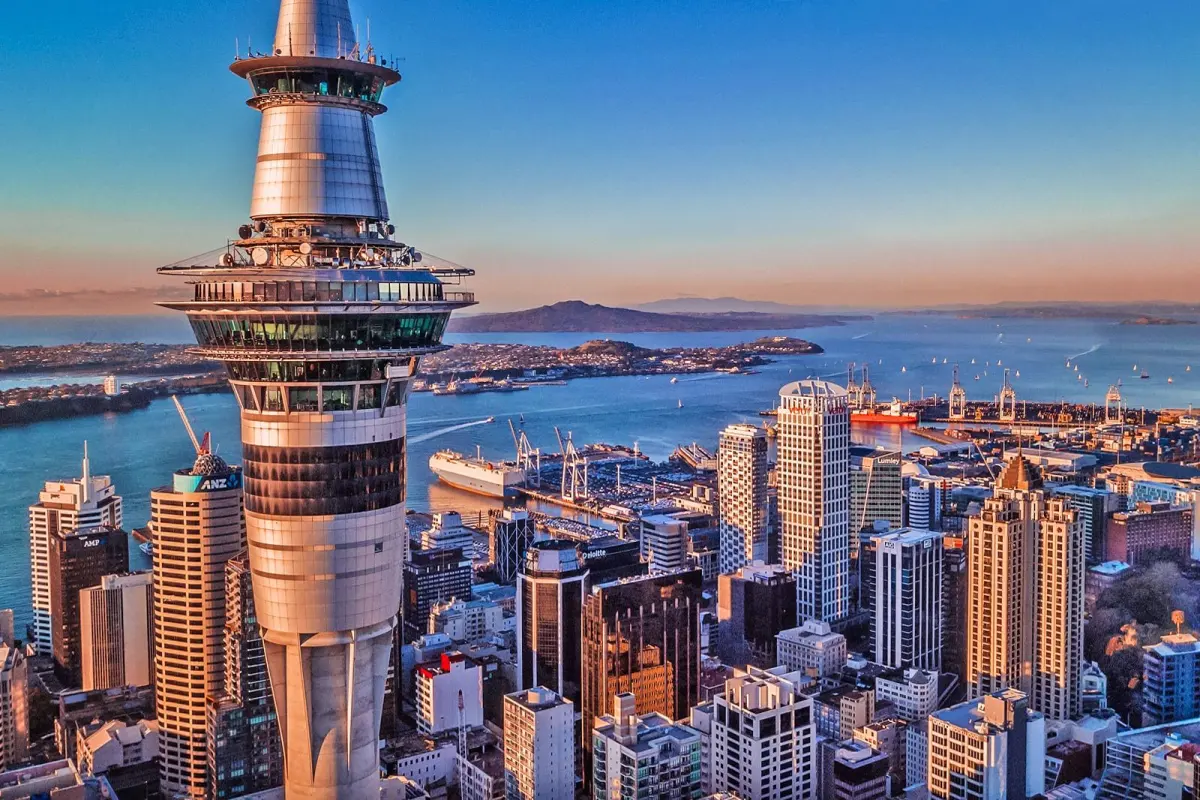
- Join a harbor cruise to view the iconic Sky Tower from the water.
How to explore Auckland’s volcanic landscape
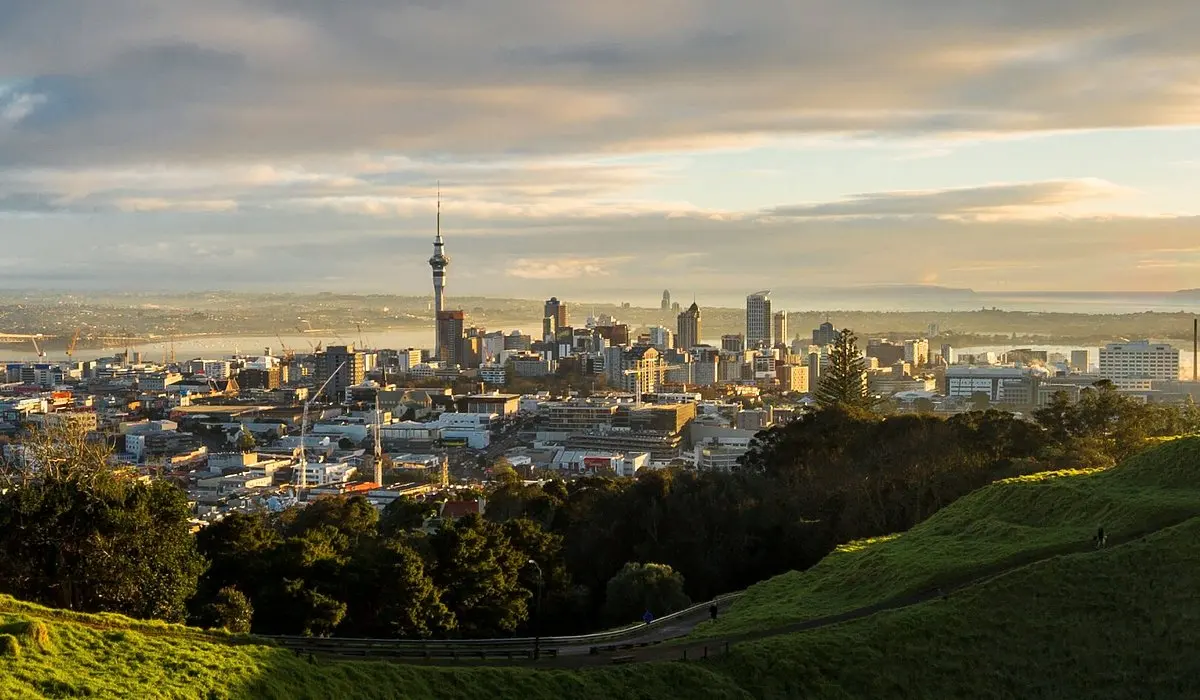
Auckland is built upon a volcanic field containing approximately 53 distinct volcanic cones. These dormant features, such as Maungawhau (Mount Eden) and Maungakiekie (One Tree Hill), provide the city with its most recognizable topographical landmarks. These sites are culturally significant to the Tāmaki Māori people, who historically utilized the elevated positions for fortified settlements known as pā.
Exploring these cones offers the best panoramic views of the city and the surrounding Hauraki Gulf. While many are accessible by car, walking to the summits is the preferred method to appreciate the geological history and grass-covered craters. When planning your visit to these sites, keep these tips in mind:
- Wear sturdy footwear, as the paths can be steep and uneven.
- Respect the signage, as many areas are sacred sites and restricted to foot traffic.
- Carry water, as there is little shade at the summits during the summer months.
- Check the Department of Conservation website for any temporary trail closures.
Best neighborhoods for local culture and food
The city’s cultural landscape is a vibrant tapestry influenced by its large Māori and Pasifika populations. This diversity is most visible in the culinary scene, which ranges from upscale fusion restaurants in the central business district to authentic street food in suburbs like Ponsonby and Dominion Road. The latter is particularly famous for its dense concentration of regional Chinese eateries.
For a comprehensive cultural experience, visitors should venture beyond the city center to explore the distinct character of the suburbs. Parnell offers historic charm and boutique shopping, while Kingsland is known for its proximity to Eden Park, the national stadium. To make the most of your dining experience:
- Explore the night markets held in various locations throughout the week for affordable, diverse snacks.
- Seek out traditional Māori hangi, a method of cooking food using heated rocks buried in a pit.
- Visit the Auckland Art Gallery Toi o Tāmaki to see the largest collection of national and international art in the country.
- Always check opening hours, as some suburban cafes close early on weekends.
Common mistakes when visiting Auckland
One of the most frequent errors travelers make is underestimating the city's geographical spread. Auckland is a sprawling metropolis, and public transport, while functional, does not always provide the most efficient route between distant coastal suburbs. Relying solely on buses or trains can lead to significant time loss, especially when trying to reach beaches on the western coast.
Another common oversight involves the weather, which is famously changeable. Even on a clear morning, conditions can shift rapidly, bringing sudden rain or strong winds. To ensure a smooth trip, avoid these common pitfalls:
- Assuming the city is walkable; always factor in travel time for traffic congestion.
- Forgetting to pack a waterproof jacket, regardless of the season or the morning forecast.
- Neglecting to book ferry tickets in advance during the peak summer months of December and January.
- Underestimating the intensity of the sun; the high UV levels in New Zealand require constant sunscreen use.
What is the best time to visit Auckland?
The ideal window for visiting Auckland is during the shoulder seasons of spring, from September to November, or autumn, from March to May. During these periods, the weather is mild and the city is less crowded than during the height of the summer holidays. The temperatures generally hover between 15°C and 22°C, making it perfect for both urban sightseeing and outdoor activities.
If your primary goal is to enjoy the beaches and the Hauraki Gulf, the summer months of December through February offer the most consistent warmth and sunshine. However, this is also the period when most locals are on vacation, meaning popular spots like Piha Beach or the ferry terminals will be at their busiest. Regardless of when you choose to arrive, the city remains a functional and welcoming hub that serves as the perfect gateway to the rest of the North Island.
Key facts
- Auckland is home to approximately 1.7 million people, making it the most populous city in New Zealand.
- The city is built upon a volcanic field containing 53 distinct volcanic cones, many of which are now public parks.
- Auckland is nicknamed the "City of Sails" because it has the highest per-capita boat ownership in the world.
- The Sky Tower, completed in 1997, stands 328 meters tall and remains the tallest freestanding structure in the Southern Hemisphere.
- Visitors should avoid relying solely on public transport for remote beaches, as the city’s geography is sprawling and car-dependent.
- The Hauraki Gulf Marine Park, accessible by ferry from downtown, encompasses over 50 islands including the popular Waiheke Island.
The bottom line
Auckland serves as New Zealand’s vibrant urban gateway, defined by its unique volcanic landscape and deep connection to the sea. Whether you are exploring the iconic Sky Tower, hiking ancient craters, or ferrying across the Hauraki Gulf, the city offers a blend of metropolitan convenience and natural beauty. It is an essential destination for those seeking to experience the diverse cultural and geographical heart of the nation.
People also ask
Is Auckland the capital city of New Zealand?
No, Wellington is the capital of New Zealand. Auckland is the country's largest economic and commercial hub, but it does not serve as the seat of government.
What is the best time of year to visit Auckland?
The best time to visit is during the summer months of December through February. During this period, temperatures are warm, averaging 20–25°C, making it ideal for coastal activities and outdoor exploration.
How do I get from Auckland Airport to the city center?
You can take the SkyDrive bus, which runs every 30 minutes, or use ride-sharing services and taxis. Avoid taking local public buses from the airport as they are not designed for luggage and take significantly longer.
Are the volcanic cones safe to climb?
Yes, most volcanic cones like Mount Eden (Maungawhau) and One Tree Hill (Maungakiekie) are open to the public. Always stay on marked paths to respect the cultural significance of these sites to local Māori iwi.
What is the local currency and do I need cash?
The currency is the New Zealand Dollar (NZD). New Zealand is a highly digitized economy, and you can pay for almost everything, including small purchases, with contactless credit or debit cards.
Is it expensive to live or visit Auckland?
Auckland is generally considered the most expensive city in New Zealand, particularly regarding accommodation and dining. Budget travelers can save money by utilizing the city’s many free public parks and coastal walking tracks.
This answer was created with the help of AI research tools and reference sources. Spotted an error? Let us know — we correct mistakes quickly. See our editorial policy.
![18 Important Things To Know Before Visiting Buenos Aires [2026 Update]](/img/ac/what-is-buenos-aires-known-for-1.webp)