What is Stonehenge?
Short answer
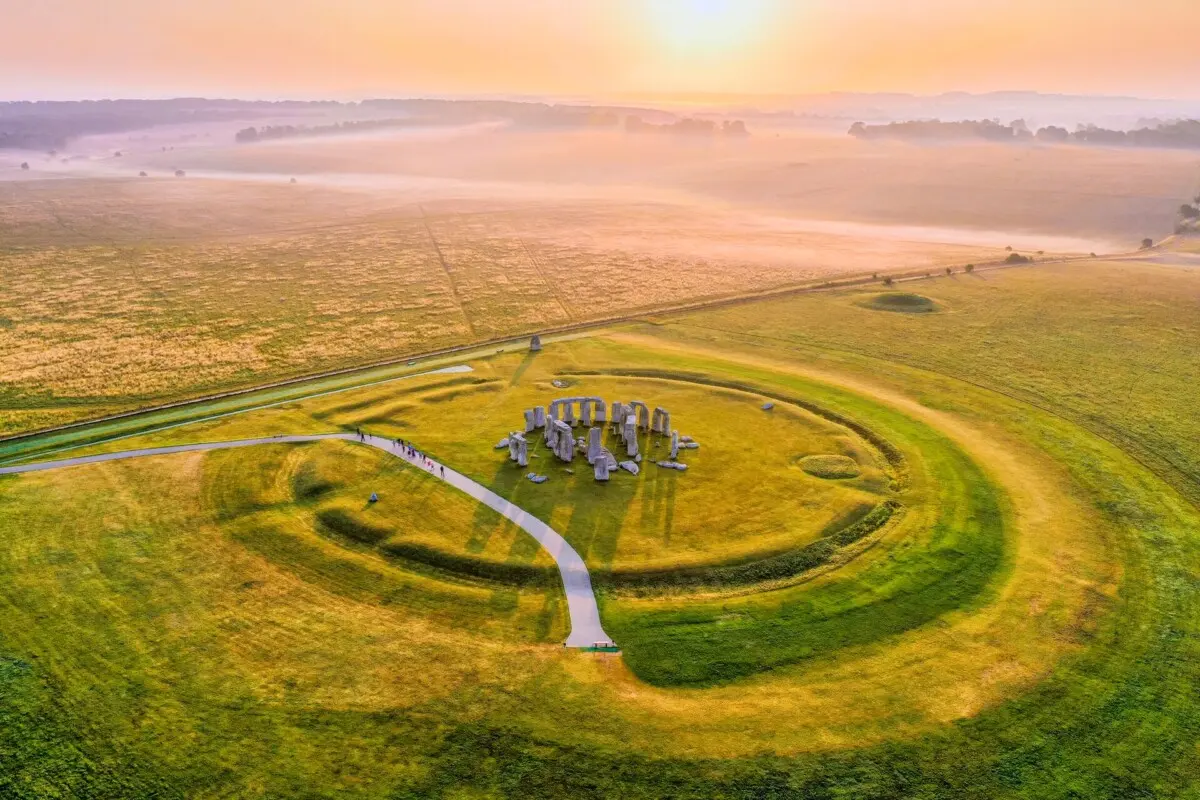
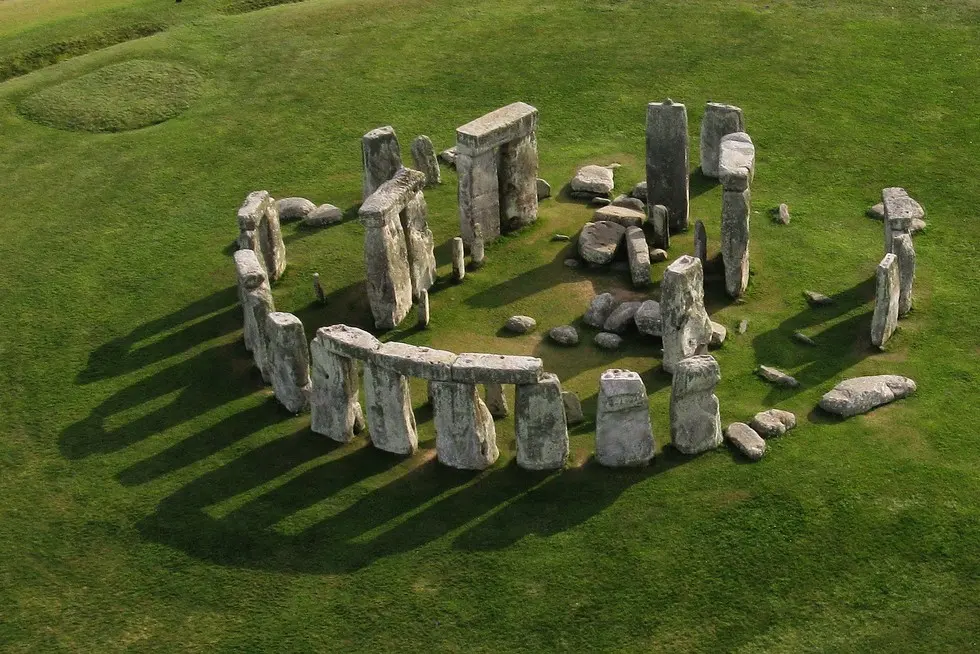
Stonehenge is a prehistoric megalithic monument located on Salisbury Plain in Wiltshire, England. Constructed in stages between 3000 and 1500 BCE, it consists of a ring of massive standing stones surrounding smaller bluestones. It remains a global icon of Neolithic engineering and serves as a significant site for astronomical alignment studies.
On this page
What is the history of Stonehenge?
Stonehenge was built in several distinct phases over a period of 1,500 years. The earliest structure, dating to around 3000 BCE, was a circular earthwork enclosure consisting of a ditch and a bank. Archaeologists believe this initial phase served as a burial ground, as evidenced by the discovery of cremated human remains within the site’s pits.
The iconic stone arrangement emerged during the second and third phases of construction, occurring between 2500 and 1500 BCE. Builders transported massive sarsen stones, some weighing up to 25 tons, from the Marlborough Downs, while smaller bluestones were brought from the Preseli Hills in Wales. The precision required to shape these stones using only stone tools remains a subject of intense study.
- Phase 1: Construction of the circular earthwork ditch and bank.
- Phase 2: Placement of timber structures and initial cremation burials.
- Phase 3: Erection of the sarsen stones and the bluestone circle.
- Phase 4: Final adjustments and the arrangement of the horseshoe-shaped trilithons.
How do you visit Stonehenge today?
Visiting Stonehenge requires advanced planning, as the site is managed by English Heritage and requires timed entry tickets. Most visitors arrive by car or via organized tours from London, which is approximately 90 miles away. Upon arrival, guests park at the visitor center and take a shuttle bus to the stone circle, which is located about 1.5 miles from the main building.
The visitor center features a world-class exhibition containing over 250 archaeological objects and a reconstructed Neolithic village. Walking trails surround the monument, allowing visitors to view the stones from a designated path. Because the stones are protected, visitors are not permitted to touch or walk among them during standard operating hours.
- Book your tickets online at least two weeks in advance to secure your preferred time slot.
- Check the weather forecast, as the site is entirely outdoors and exposed to the elements.
- Arrive at the visitor center 30 minutes before your scheduled shuttle bus time.
- Download the official audio guide app to enhance your understanding of the monument's history.
Why is Stonehenge archaeologically significant?
Stonehenge represents one of the most sophisticated examples of prehistoric engineering in the world. The site is famous for its precise alignment with the movements of the sun. During the summer solstice, the sun rises directly over the Heel Stone, while the winter solstice sunset aligns with the central axis of the monument.
Beyond the stones themselves, the surrounding landscape contains a dense concentration of Neolithic and Bronze Age monuments. This includes hundreds of burial mounds, the Cursus, and the Avenue, a processional path leading to the river Avon. These features suggest that Stonehenge was not an isolated structure but the center of a much larger ritual landscape that served the spiritual and social needs of ancient communities.
The stones demonstrate early knowledge of geometry and structural stability. The horizontal lintels were secured using mortise and tenon joints, a woodworking technique adapted for stone. This level of planning indicates a highly organized society capable of mobilizing labor and resources over vast distances for a collective purpose.
What are the common mistakes when visiting Stonehenge?
The most frequent error visitors make is assuming they can walk directly up to the stones at any time. Standard tickets only provide access to the perimeter path, which keeps visitors at a respectful distance. If you wish to stand among the stones, you must book a "Stone Circle Experience" months in advance, which grants exclusive access outside of public hours.
Another mistake is underestimating the time required to explore the entire site. Many travelers focus solely on the stone circle and miss the reconstructed Neolithic houses and the extensive museum exhibits. Rushing through the experience often leads to missing the context of how the builders lived and the tools they used.
- Underestimating the walking distance between the visitor center and the stones.
- Forgetting to bring rain gear or sunscreen, as there is no shelter at the monument.
- Assuming the site is easily accessible by public transport without a connecting shuttle.
- Failing to allocate enough time to view the museum displays before the shuttle bus.
How was Stonehenge constructed?
The logistics behind Stonehenge continue to baffle researchers, particularly regarding the transport of the bluestones. These stones originated in the Preseli Mountains of Wales, located over 150 miles from the site. Theories suggest the stones were moved using a combination of river transport and heavy-duty sledges pulled by teams of humans across the landscape.
Once the stones arrived at the site, the builders used a system of levers, ropes, and timber frames to raise the massive sarsens. The lintels were likely lifted into place using earthen ramps, allowing workers to slide the stones onto the uprights. This process required immense coordination and physical effort, highlighting the complex social hierarchy and communal cooperation of the Neolithic people who built it.
The site also underwent several modifications where stones were rearranged or removed entirely. This indicates that the monument's purpose may have evolved over centuries, shifting from a funerary site to a center for seasonal gatherings. By the time the Bronze Age began, the site had achieved the iconic form that defines its legacy in modern history.
Key facts
- Stonehenge is a prehistoric monument located on Salisbury Plain in Wiltshire, England, consisting of a ring of standing stones.
- Construction occurred in several phases between approximately 3000 BCE and 1500 BCE during the Neolithic and Bronze Age periods.
- The largest stones, known as sarsens, weigh up to 25 tons and were transported from Marlborough Downs, about 20 miles away.
- Smaller "bluestones" were sourced from the Preseli Hills in Wales, located over 150 miles from the site.
- Visitors must book timed tickets in advance through English Heritage to ensure entry, as walk-up access is not guaranteed.
- Avoid touching the stones, as oils from human skin can damage the ancient surfaces and strict preservation laws are enforced.
The bottom line
Stonehenge remains one of the world's most iconic archaeological mysteries, representing a remarkable feat of prehistoric engineering and social organization. By aligning massive stones with solar events, its ancient builders created a lasting monument that continues to captivate modern observers. Whether viewed as a temple, tomb, or observatory, it stands as a testament to the ingenuity and complex cultural life of Britain’s earliest inhabitants.
People also ask
Who built Stonehenge?
Archaeologists believe the monument was built by successive generations of Neolithic people. While the identity of these groups remains unknown, they were sophisticated engineers who moved massive stones using rollers, sledges, and timber levers.
Read the full answer →Why was Stonehenge built?
The exact purpose remains a mystery, though theories suggest it served as a burial ground, a place of healing, or a celestial calendar. Its alignment with the sunrise on the summer solstice and sunset on the winter solstice indicates it held profound astronomical significance.
Can you go inside the stone circle?
General visitors are restricted to a perimeter path to protect the site. However, English Heritage offers special "Stone Circle Experience" tours that allow small groups to stand within the stones outside of normal public opening hours.
How did they transport the stones?
Experts suggest the builders used a combination of human labor, wooden rollers, and sledges on tracks. Some theories propose they utilized river transport for the long-distance movement of the Welsh bluestones before dragging them overland.
Is Stonehenge still standing in its original form?
Many stones have fallen or been removed over the centuries due to weathering and human activity. Several restoration projects in the 20th century involved re-erecting stones to stabilize the structure for future generations.
What is the best time of year to visit?
Summer provides the longest daylight hours, but the site is often crowded. Visiting during the shoulder seasons of spring or autumn offers a more peaceful experience with fewer tourists and milder weather conditions.
This answer was created with the help of AI research tools and reference sources. Spotted an error? Let us know — we correct mistakes quickly. See our editorial policy.