What is Chichen Itza?
Short answer
Chichen Itza is a massive archaeological site located in the Yucatán state of Mexico. Built by the Maya people, it served as a powerful political and economic center between 600 and 1200 CE. Today, it is recognized as a UNESCO World Heritage site and one of the New Seven Wonders of the World.
On this page
What is the history of Chichen Itza?
Chichen Itza was founded around the 6th century CE, likely by the Maya people of the northern Yucatán Peninsula. Its name translates to "at the mouth of the well of the Itza," referring to the sacred cenotes that provided essential water to the city. By the 10th century, the site saw significant influence from the Toltec people, leading to a unique architectural fusion of Maya and central Mexican styles.
The city reached its peak power between 900 and 1100 CE, controlling trade routes for salt, obsidian, and gold. It remained a major pilgrimage site for centuries, even as other Maya cities declined. By the time Spanish conquistadors arrived in the 16th century, the city had been largely abandoned, though it remained a site of cultural significance. Today, ongoing excavations continue to reveal the complex social and religious structures that defined this ancient civilization.
How to visit Chichen Itza
Visiting this site requires careful planning to avoid the intense tropical heat and massive crowds. The archaeological park opens daily at 8:00 AM, and arriving at the gate before opening is the best way to experience the ruins before tour buses arrive from Cancún or Mérida. You should purchase your tickets online in advance to skip the long entry queues.
- Wear lightweight, breathable clothing and a wide-brimmed hat to protect yourself from the sun.
- Bring at least two liters of water, as prices inside the park are significantly inflated.
- Apply high-SPF sunscreen before entering, as there is very little shade among the structures.
- Hire a certified guide at the entrance to gain historical context that is not provided by signage.
- Carry small denominations of Mexican pesos for purchasing souvenirs from local vendors.
What are the main structures to see?
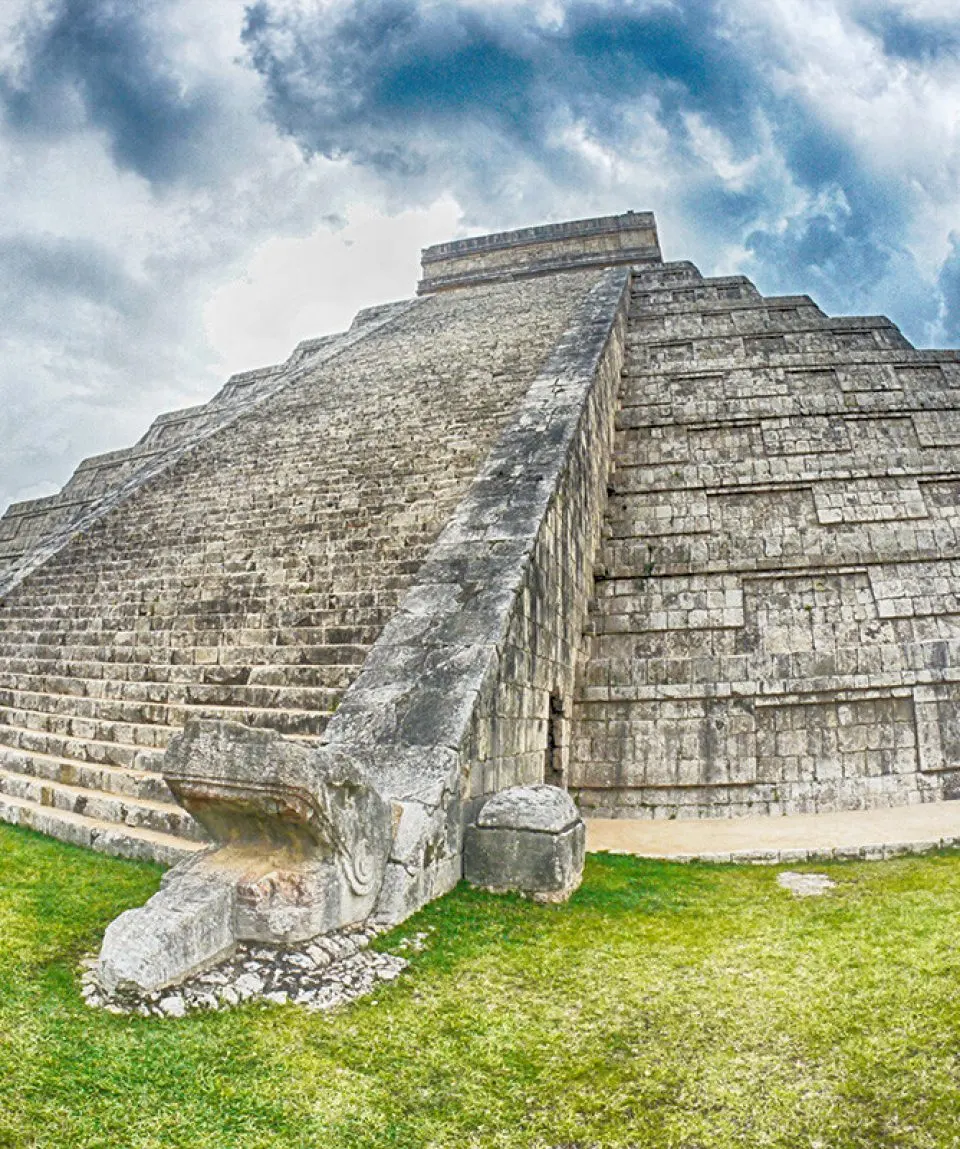
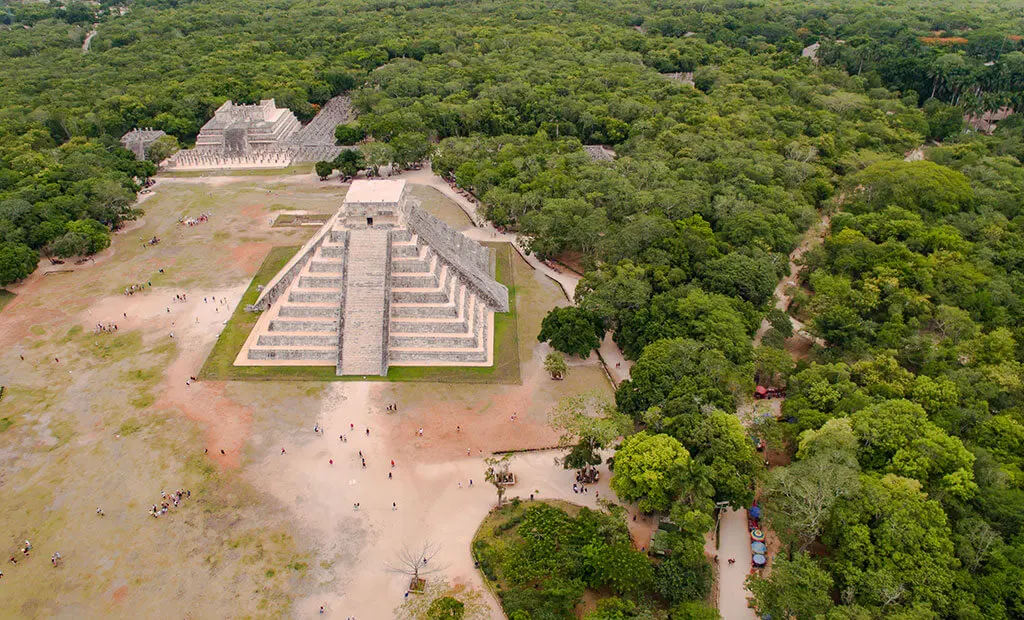
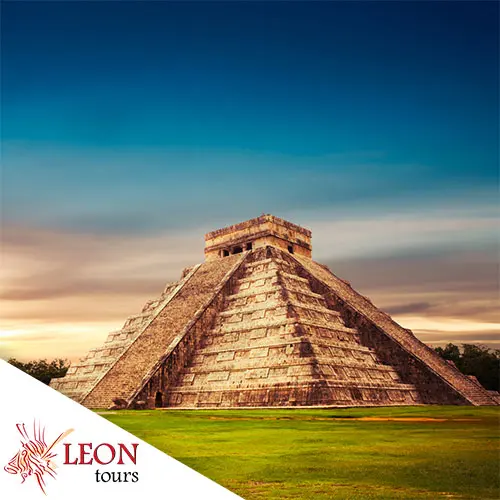
The site is dominated by El Castillo, a massive step pyramid that serves as a testament to Maya astronomical precision. During the spring and autumn equinoxes, the setting sun creates a shadow that looks like a serpent slithering down the pyramid's staircase. Nearby, the Great Ball Court stands as the largest of its kind in Mesoamerica, measuring over 500 feet in length.
Other notable structures include:
- The Temple of the Warriors, featuring rows of carved stone columns.
- The Group of the Thousand Columns, which once supported a massive roofed area.
- The Observatory, known as El Caracol, where Maya astronomers tracked the movements of Venus.
- The Sacred Cenote, a natural limestone sinkhole used for ritual offerings and sacrifices.
Each of these buildings reflects the sophisticated engineering and religious devotion of the Maya, who aligned their architecture with the stars and the natural landscape.
Why do people visit the Sacred Cenote?
The Sacred Cenote, or Cenote Sagrado, is a deep, water-filled sinkhole that was central to the spiritual life of Chichen Itza. The Maya believed these natural wells were portals to the underworld, known as Xibalba. Archaeological dredging in the early 20th century recovered gold, jade, pottery, and human remains, confirming that the site was used for ritual sacrifices to the rain god, Chaac.
While you cannot swim in the Sacred Cenote at the archaeological site, there are many other nearby cenotes where swimming is permitted. Visiting these geological wonders provides a refreshing break after walking through the ruins. They are formed when limestone bedrock collapses, revealing crystal-clear groundwater. Many visitors find that the serene atmosphere of these pools offers a meaningful contrast to the grandeur of the stone pyramids.
Common mistakes when visiting Chichen Itza
One of the most frequent errors visitors make is attempting to see the entire site in under two hours. The complex is vast, and rushing through the area prevents you from appreciating the intricate carvings and the scale of the architecture. Another common mistake is failing to account for the travel time from major coastal resorts, which can take three hours or more each way.
- Avoid visiting during the middle of the day, as the heat becomes physically exhausting and the site is most crowded.
- Do not attempt to climb the structures, as access to the tops of the pyramids is strictly prohibited to preserve the site.
- Beware of unauthorized vendors claiming to offer "exclusive" tours; always verify credentials at the official visitor center.
- Neglecting to bring comfortable walking shoes is a mistake, as the terrain is uneven and requires significant walking on gravel paths.
- Forgetting to bring a portable power bank for your phone is common, as you will likely take hundreds of photos throughout the day.
Key facts
- Chichen Itza is a massive archaeological site located in the Yucatán state of Mexico, representing a major focal point of the Maya civilization.
- The site’s most iconic structure is El Castillo, a step pyramid that functions as a sophisticated solar calendar.
- It was designated a UNESCO World Heritage site in 1988 and named one of the New Seven Wonders of the World in 2007.
- Visit early in the morning, ideally by 8:00 AM, to avoid the largest crowds and the intense midday heat.
- Wear comfortable walking shoes and bring a hat, sunscreen, and plenty of water, as there is very little shade throughout the ruins.
- Avoid purchasing souvenirs from vendors inside the site, as prices are generally much higher than those found in nearby towns like Piste or Valladolid.
The bottom line
Chichen Itza stands as a testament to the architectural and astronomical brilliance of the Maya and Toltec cultures. By visiting during the cooler morning hours and respecting the preservation rules, travelers can fully appreciate the historical significance of this iconic landmark. It remains an essential destination for anyone seeking to understand the complex legacy of ancient Mesoamerican civilizations within the modern landscape of Mexico.
People also ask
How long does it take to explore the entire site?
Most visitors spend between three and four hours walking through the main complex. This allows enough time to see the Great Ball Court, the Temple of the Warriors, and the Sacred Cenote without rushing.
Is it possible to climb the pyramids at Chichen Itza?
No, climbing the structures has been strictly prohibited since 2006 to preserve the integrity of the ancient stonework. Visitors must remain on the designated pathways at all times.
What is the best time of year to visit?
The months between November and March offer the most comfortable weather with lower humidity. However, be prepared for larger crowds during the peak winter tourist season.
Are there guided tours available on-site?
Yes, official guides are available for hire at the entrance, offering valuable historical context for the architecture. Always verify their official credentials before agreeing to a price for a tour.
Can you swim in the cenotes at Chichen Itza?
While the Sacred Cenote at the site is for viewing only, many nearby cenotes, such as Ik Kil, are open for swimming. These natural limestone sinkholes were culturally significant to the Maya.
Is Chichen Itza accessible for people with mobility issues?
The site features relatively flat gravel and dirt paths, making it accessible for wheelchairs in many areas. However, some sections may be difficult to navigate, so assistance is recommended.
This answer was created with the help of AI research tools and reference sources. Spotted an error? Let us know — we correct mistakes quickly. See our editorial policy.