What is Nanaimo known for?
Short answer
Nanaimo, located on the east coast of Vancouver Island, British Columbia, is globally renowned for the Nanaimo bar, a no-bake dessert. Beyond this culinary icon, the city is known as the "Hub City" due to its central location, its deep-water harbor, and its rich history in coal mining and forestry.
On this page
What is the history of the Nanaimo bar?
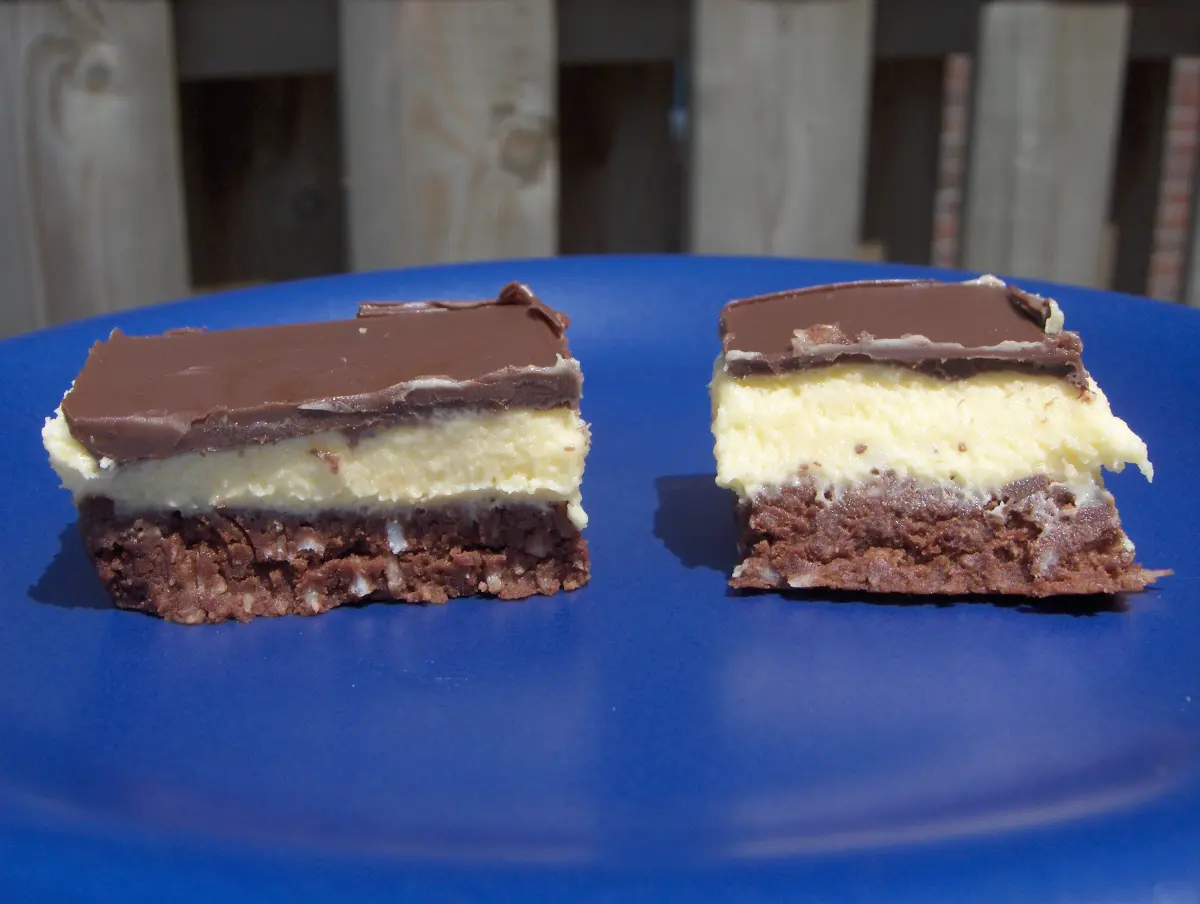
The Nanaimo bar is a three-layered dessert consisting of a wafer and coconut crumb base, a custard-flavored butter icing middle, and a layer of chocolate ganache on top. While its exact origins remain debated, the recipe first appeared in print in the 1952 edition of the Edith Adams' Prize Cookbook. It gained widespread recognition during the 1986 Expo in Vancouver, where it was showcased as a quintessential Canadian treat.
To make an authentic version at home, follow these steps:
- Combine butter, sugar, cocoa, egg, and graham cracker crumbs to form the base.
- Press the mixture into a square pan and chill until firm.
- Whisk together butter, heavy cream, and custard powder for the middle layer.
- Spread the filling over the base and refrigerate again.
- Melt semi-sweet chocolate with butter and pour over the top to finish.
The dessert is now a cultural symbol of the city, with a dedicated "Nanaimo Bar Trail" that invites visitors to sample various interpretations of the classic recipe throughout town.
Why is Nanaimo called the Hub City?
Nanaimo earned the nickname "Hub City" because of its strategic geography on the eastern shore of Vancouver Island. Historically, its harbor served as a central point for shipping coal, which was the primary industry from the mid-19th century until the 1950s. Today, the name reflects its role as a transportation nexus, providing essential ferry links to the mainland and serving as the primary commercial center for the surrounding region.
The city’s harbor is one of the deepest in North America, allowing it to accommodate large vessels and cruise ships. This accessibility has transformed the downtown core into a bustling waterfront area. Whether you are arriving via the BC Ferries terminal at Departure Bay or the Duke Point terminal, the city acts as the primary gateway for travelers exploring the northern and central parts of Vancouver Island.
What are the best outdoor activities in Nanaimo?
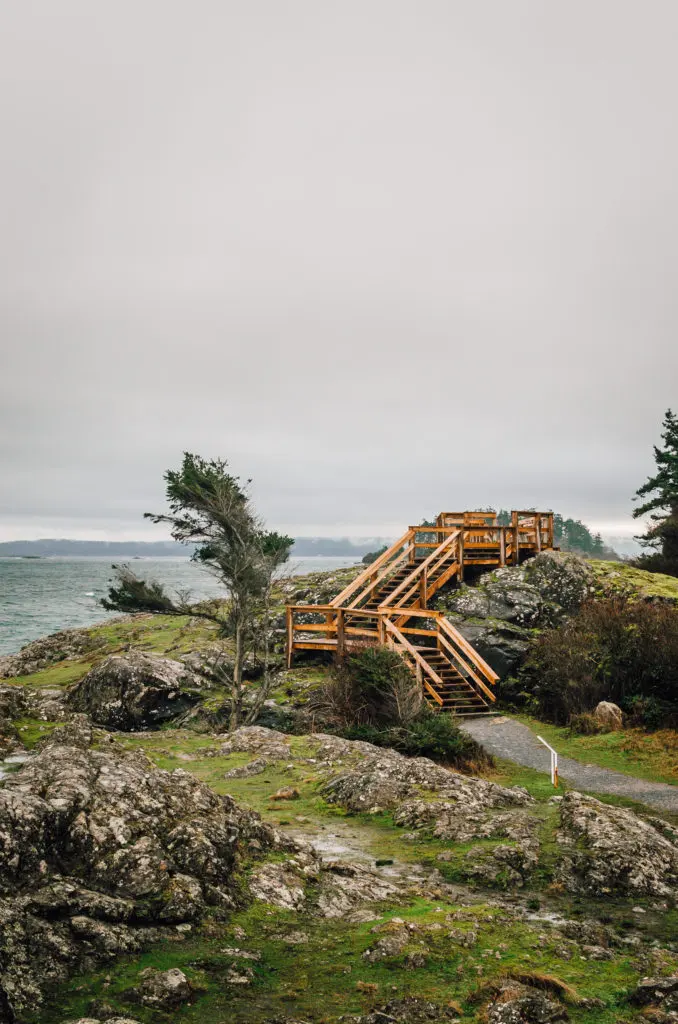
Nanaimo offers diverse recreational opportunities, ranging from rugged coastal hiking to serene park visits. The city features over 1,000 hectares of parkland, providing residents and tourists with ample space for cycling, kayaking, and wildlife viewing. The local geography, characterized by rocky shorelines and dense forests, makes it a premier destination for those seeking an immersive nature experience.
Popular outdoor destinations include:
- Newcastle Island (Saysutshun): Accessible by a short passenger ferry, this park offers historical sites and walking trails.
- Pipers Lagoon Park: A scenic spot known for its tidal lagoon and excellent bird-watching opportunities.
- Westwood Lake Park: A favorite for swimming, fishing, and a 5.5-kilometer trail that circles the water.
- Mount Benson: A challenging hike that rewards climbers with panoramic views of the Salish Sea and the mainland mountains.
Common mistakes when visiting Nanaimo
Many visitors make the mistake of treating Nanaimo solely as a transit point to reach Tofino or Victoria. By rushing through the city, travelers often miss the unique charm of the Old City Quarter, which features heritage buildings and boutique shops. Another common error is failing to check ferry schedules in advance during peak summer months, which can lead to significant wait times at the terminals.
When planning your trip, keep these tips in mind:
- Avoid arriving at the ferry terminal without a reservation during long weekends or holidays.
- Do not underestimate the weather; bring layers, as coastal conditions can change rapidly throughout the day.
- Ensure you have transportation arranged, as public transit is efficient but limited in the more remote hiking areas.
- Respect the local wildlife, particularly near the shoreline, by keeping a safe distance from seals and migratory birds.
How long does it take to explore Nanaimo?
A comprehensive visit to Nanaimo typically requires three to four days to fully appreciate both the urban and natural attractions. One day can be dedicated to exploring the downtown waterfront, the Nanaimo Museum, and the historic Bastion, which was built in 1853 to protect the Hudson’s Bay Company interests. Subsequent days are best spent venturing into the surrounding parks or taking a boat tour to observe local marine life.
If you are on a tighter schedule, a 24-hour itinerary can still provide a meaningful experience. Start your morning with a walk along the Harbourfront Walkway, grab a coffee and a Nanaimo bar at a local bakery, and spend the afternoon kayaking near the harbor. By dedicating time to both the cultural heart of the city and its natural coastline, you will gain a balanced perspective on why this community remains a vital part of the Vancouver Island experience.
Key facts
- The city is the birthplace of the Nanaimo bar, a no-bake dessert consisting of a wafer-crumb base, custard-flavored butter icing, and a chocolate ganache topping.
- It serves as a major transportation hub on Vancouver Island, featuring two BC Ferries terminals that connect the city to the mainland near Vancouver.
- Newcastle Island Marine Provincial Park, reachable by a short passenger ferry, offers historical sites and trails showcasing the area's coal mining and First Nations heritage.
- The city’s waterfront features the Nanaimo Harbourfront Walkway, a scenic 3.5-kilometer path that provides access to marinas, shops, and public art installations.
- Departure Bay is a popular location for recreational activities, including kayaking, swimming, and observing marine life like seals and sea lions.
- When visiting for the famous bars, avoid imitations by looking for authentic bakeries in the downtown core that follow the traditional three-layer recipe.
The bottom line
Nanaimo is a vibrant coastal city that balances its industrial roots with a modern focus on outdoor recreation and culinary culture. Whether you are exploring the scenic Harbourfront Walkway, catching a ferry to nearby islands, or sampling the iconic Nanaimo bar, the city offers a quintessential Vancouver Island experience. It remains a practical, accessible destination for travelers seeking both natural beauty and authentic local history.
People also ask
What is the best time of year to visit Nanaimo?
The summer months from June to August offer the most consistent sunshine and pleasant temperatures for outdoor activities. Spring and fall are ideal for those who prefer fewer crowds and lower accommodation rates while exploring the local parks.
Is Nanaimo a good place to live?
Nanaimo is frequently cited for its relatively affordable housing market compared to Vancouver and its proximity to nature. Residents enjoy a temperate climate and a slower pace of life while maintaining access to essential urban amenities.
How do I get from Vancouver to Nanaimo?
You can take a BC Ferry from Horseshoe Bay to Departure Bay or from Tsawwassen to Duke Point. Alternatively, seaplane services operate directly from downtown Vancouver to the Nanaimo harbour, taking approximately 20 minutes.
Are there good hiking trails in the area?
Yes, Mount Benson Regional Park offers challenging climbs with panoramic views of the Georgia Strait and surrounding islands. For easier walks, Westwood Lake Park provides a flat, well-maintained trail circling a popular swimming lake.
What is the history of coal mining in the city?
Nanaimo was established in the mid-19th century as a coal mining town after the Hudson's Bay Company discovered deposits in 1849. The industry shaped the city's early economic and social development, with remnants still visible in local museums.
Can you see whales near Nanaimo?
Whale watching tours frequently depart from the harbour to spot orcas, humpback whales, and grey whales in the Salish Sea. The best viewing opportunities typically occur between May and October when migratory patterns align with local waters.
This answer was created with the help of AI research tools and reference sources. Spotted an error? Let us know — we correct mistakes quickly. See our editorial policy.