What is the rarest hair color?
Short answer
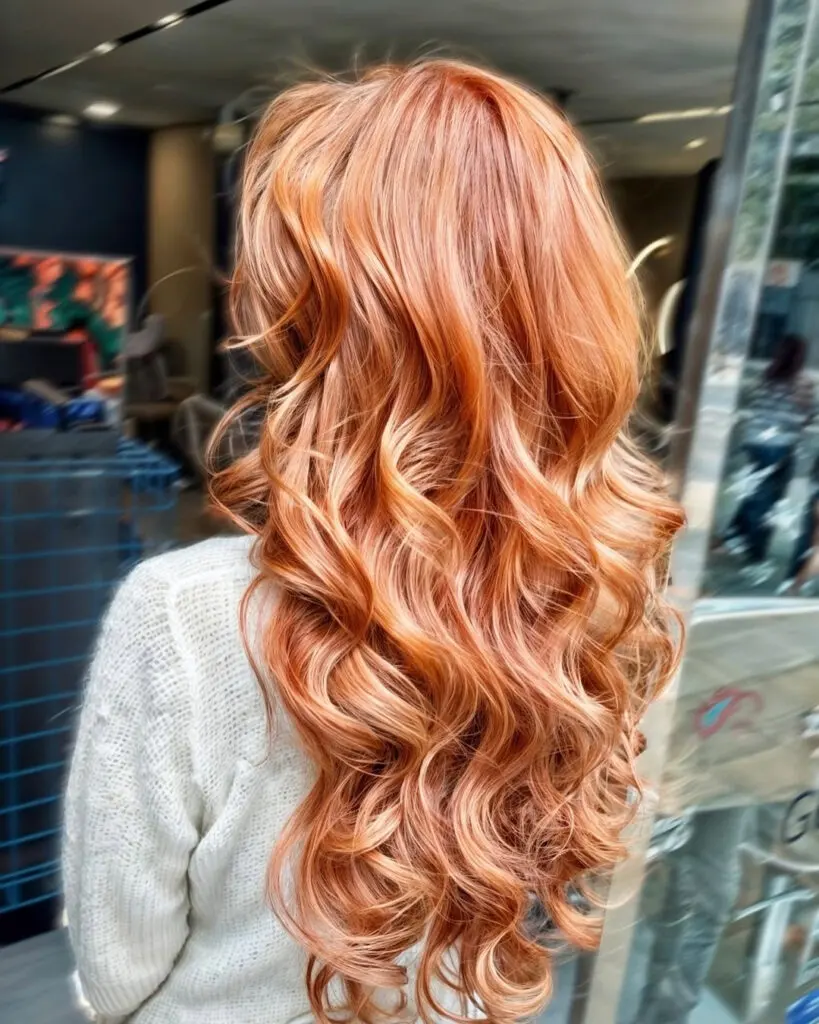
Natural red hair is the rarest hair color in the world, occurring in approximately one to two percent of the global population. This unique trait is primarily caused by a mutation in the MC1R gene. While shades vary from strawberry blonde to deep auburn, true natural red remains exceptionally uncommon across all ethnicities.
On this page
Why does red hair happen?
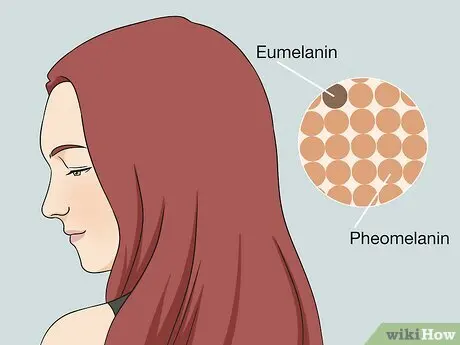
Natural red hair is the result of a specific genetic mutation involving the melanocortin 1 receptor (MC1R) gene located on chromosome 16. This gene provides instructions for making a protein that plays a role in the pigmentation of hair and skin. When this gene is mutated, it causes the body to produce more pheomelanin, a reddish-yellow pigment, and less eumelanin, which is responsible for brown or black shades.
For a child to be born with red hair, both parents must carry the recessive gene, even if they do not express the trait themselves. This inheritance pattern makes the occurrence of red hair statistically rare compared to dominant traits like brown or black hair. Because the trait is recessive, it can skip generations, appearing unexpectedly in families with no recent history of red-headed ancestors.
How rare is red hair globally?
While red hair is found in populations worldwide, its prevalence is not evenly distributed. The highest concentrations are found in Northern and Western Europe, particularly in Scotland and Ireland. In Scotland, approximately 13 percent of the population has red hair, while about 40 percent carry the recessive gene. In Ireland, roughly 10 percent of the population possesses this distinct hair color.
Outside of these regions, the frequency drops significantly. In the United States, only about two percent of the population has natural red hair. In many parts of Asia, Africa, and South America, the occurrence is so low that it is considered a genetic anomaly. The scarcity of the trait is often attributed to historical migration patterns and the selective pressures of different climates on human pigmentation over thousands of years.
How to identify natural red hair
Distinguishing between natural red hair and dyed shades can be difficult due to the wide spectrum of hues. Natural red hair often exhibits specific characteristics that are harder to replicate with synthetic dyes. It frequently appears more vibrant in direct sunlight and may contain subtle variations of copper, gold, and auburn throughout the same strand.
- Observe the eyebrows and eyelashes, which often match the lighter, golden tones of the hair.
- Check for a lack of graying; natural red hair typically fades to a sandy or rose-gold color rather than turning gray or white as the person ages.
- Note the texture, as red hair is often thicker and coarser in diameter than other natural hair colors.
- Look for skin tone correlations, as redheads frequently possess fair, sensitive skin that is prone to freckling.
Common mistakes when caring for red hair
Because red hair is often thicker and more porous than other hair types, it requires specialized maintenance to preserve its natural pigment and health. A common mistake is using harsh, sulfate-based shampoos that strip the hair of its essential oils. This can cause the hair to appear dull and lose its characteristic vibrancy over time.
- Avoid prolonged exposure to direct sunlight without UV protection, as red hair is more susceptible to sun-induced color fading.
- Refrain from using high-heat styling tools daily, which can damage the delicate cuticle and make the hair appear brittle.
- Do not use products containing heavy silicones that can build up on the hair shaft and mask its natural shine.
- Skip frequent washing, as natural oils are essential for keeping the hair hydrated and preventing the frizz that often accompanies coarser textures.
Best ways to maintain red hair health
Maintaining the health and luster of natural red hair involves a combination of gentle hydration and protective habits. Since red hair is often coarser, it benefits significantly from deep conditioning treatments that penetrate the hair shaft. Using products specifically formulated for color-treated or dry hair can help maintain the integrity of the pigment and prevent the hair from becoming dry or unmanageable.
- Apply a moisturizing hair mask once a week to maintain elasticity and shine.
- Use a wide-tooth comb when the hair is wet to prevent breakage and split ends.
- Rinse the hair with cool water after conditioning to seal the cuticle and enhance natural light reflection.
- Incorporate a leave-in conditioner or natural oil, such as argan oil, to provide a protective barrier against environmental pollutants.
By following these consistent care practices, individuals with natural red hair can ensure their hair remains healthy, vibrant, and resilient against the elements. Proper maintenance not only preserves the color but also highlights the unique texture that makes this rare hair color so distinctively beautiful throughout a person's entire life.
Key facts
- Natural red hair is the rarest hair color in the world, occurring in approximately 1% to 2% of the global population.
- The MC1R gene mutation on chromosome 16 is responsible for the production of pheomelanin, which creates red pigment.
- Scotland has the highest concentration of redheads, with roughly 13% of the population possessing the trait.
- Natural blonde hair is the second rarest color, found in about 2% to 3% of the global population.
- Red hair is a recessive trait, meaning both parents must carry the gene for a child to be born with red hair.
- Avoid using harsh chemical dyes if you have naturally rare hair colors, as the hair shafts are often finer and more prone to damage.
The bottom line
Natural red hair remains the rarest hair color globally, driven by specific recessive genetic mutations. While often celebrated for its unique aesthetic, this trait is linked to distinct biological characteristics, including variations in pain sensitivity and sun protection. Understanding these factors helps individuals with rare hair colors better manage their grooming and health needs, ensuring their natural features remain vibrant and healthy throughout their lives.
People also ask
Can red hair turn blonde or brown as you age?
Yes, it is common for natural red hair to darken to a deep auburn or brownish shade as a person enters adulthood. This happens because the concentration of eumelanin, the pigment responsible for darker colors, often increases over time.
Is it true that redheads are more sensitive to pain?
Some studies suggest that people with the MC1R mutation may have a different response to certain types of pain and anesthesia. Research indicates they may require higher doses of injectable anesthetics compared to individuals with other hair colors.
Why is natural blonde hair becoming less common?
Blonde hair is also a recessive trait, and it requires specific genetic combinations to persist in a population. As global migration increases, the likelihood of these recessive genes pairing up decreases, though it is not going extinct.
Does hair color affect sun sensitivity?
Yes, individuals with lighter hair colors, particularly redheads, often have fairer skin that produces less melanin. This results in a lower natural SPF, making them more susceptible to sunburn and long-term skin damage.
Can you have red hair and blue eyes?
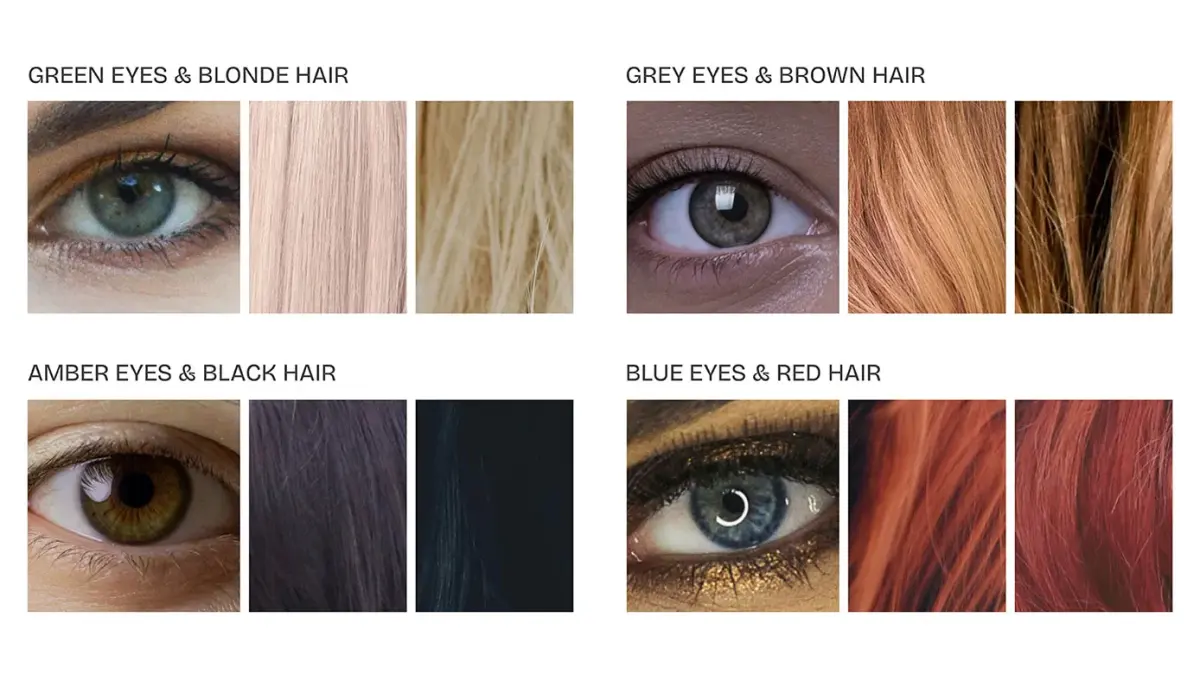
This combination is considered the rarest phenotype in the world. Both traits are recessive, so the statistical probability of inheriting both simultaneously is extremely low.
Does hair texture differ based on color?
Natural red hair is typically thicker in diameter than other shades but is less dense in terms of the total number of strands on the scalp. This often gives redheads the appearance of having a fuller head of hair.
This answer was created with the help of AI research tools and reference sources. Spotted an error? Let us know — we correct mistakes quickly. See our editorial policy.