How is porcelain made?
Short answer
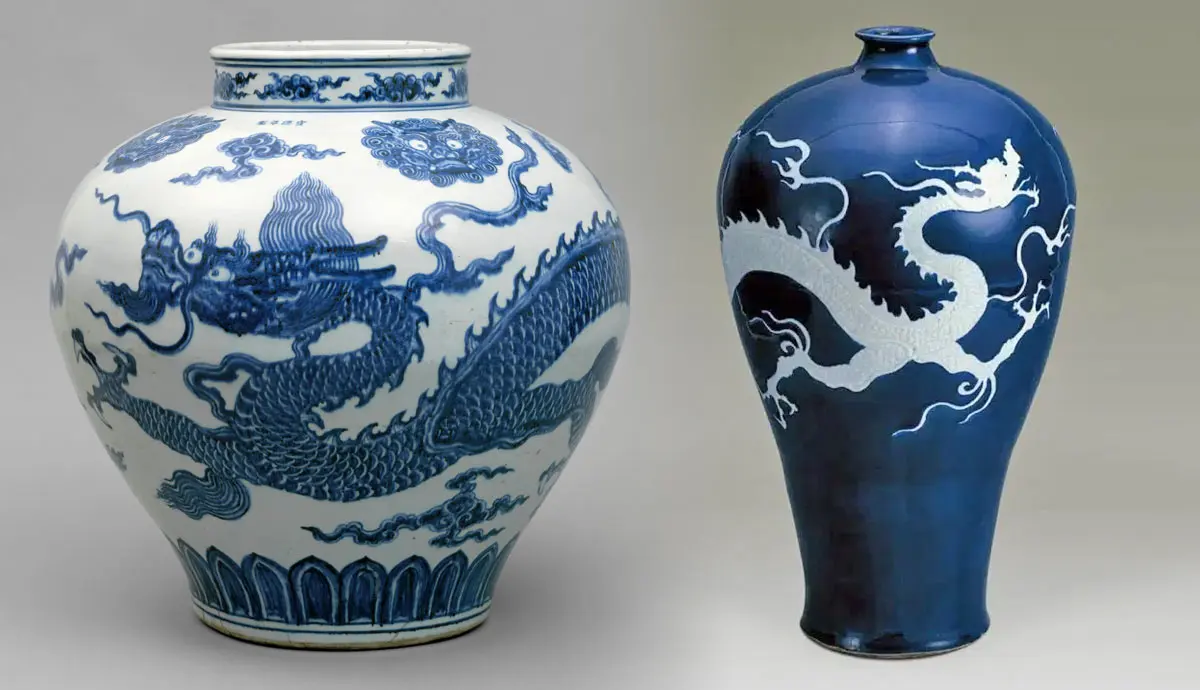
Porcelain is a high-grade ceramic made by firing a mixture of kaolin clay, feldspar, and quartz at extremely high temperatures, typically between 1,200 and 1,400 degrees Celsius. This intense heat causes the materials to vitrify, creating a non-porous, translucent, and incredibly durable material prized for its strength and refined appearance.
On this page
What are the raw materials in porcelain?
The defining characteristic of porcelain is its specific chemical composition, which distinguishes it from earthenware or stoneware. The primary ingredient is kaolin, a fine, white primary clay that provides the structural foundation and plastic quality necessary for shaping. To this, potters add feldspar, which acts as a flux to lower the melting point of the mixture, and quartz, which serves as a filler to provide strength and stability during the firing process.
These ingredients must be processed to a high degree of purity to ensure the final product achieves its signature translucency and white color. Impurities like iron oxide can cause discoloration, so manufacturers often use magnetic separators and chemical refining to purify the raw clay. The standard ratio typically consists of:
- 50% Kaolin (China clay)
- 25% Quartz (Silica)
- 25% Feldspar
How is porcelain shaped and formed?
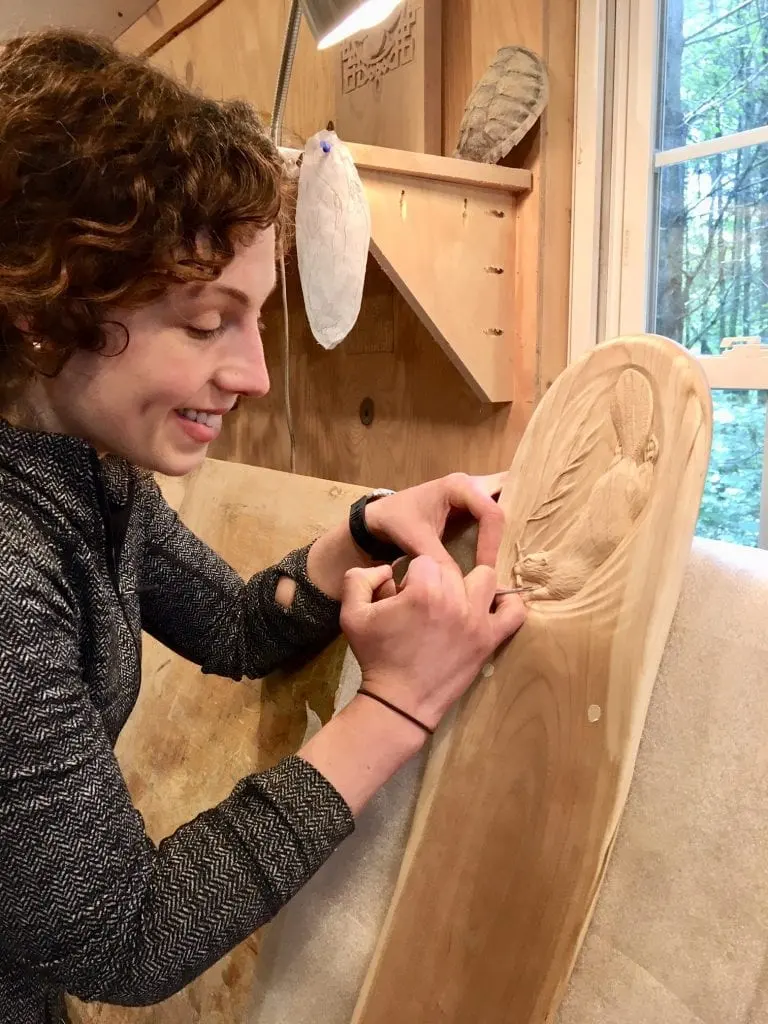
Once the raw materials are refined and mixed with water to create a workable paste, the shaping process begins. Because porcelain clay is less plastic than other types of clay, it can be challenging to work with by hand. Industrial manufacturers often use mechanical processes to ensure consistency and precision in high-volume production, while studio artists employ specific techniques to manage the material's unique physical properties.
Common methods for forming porcelain include:
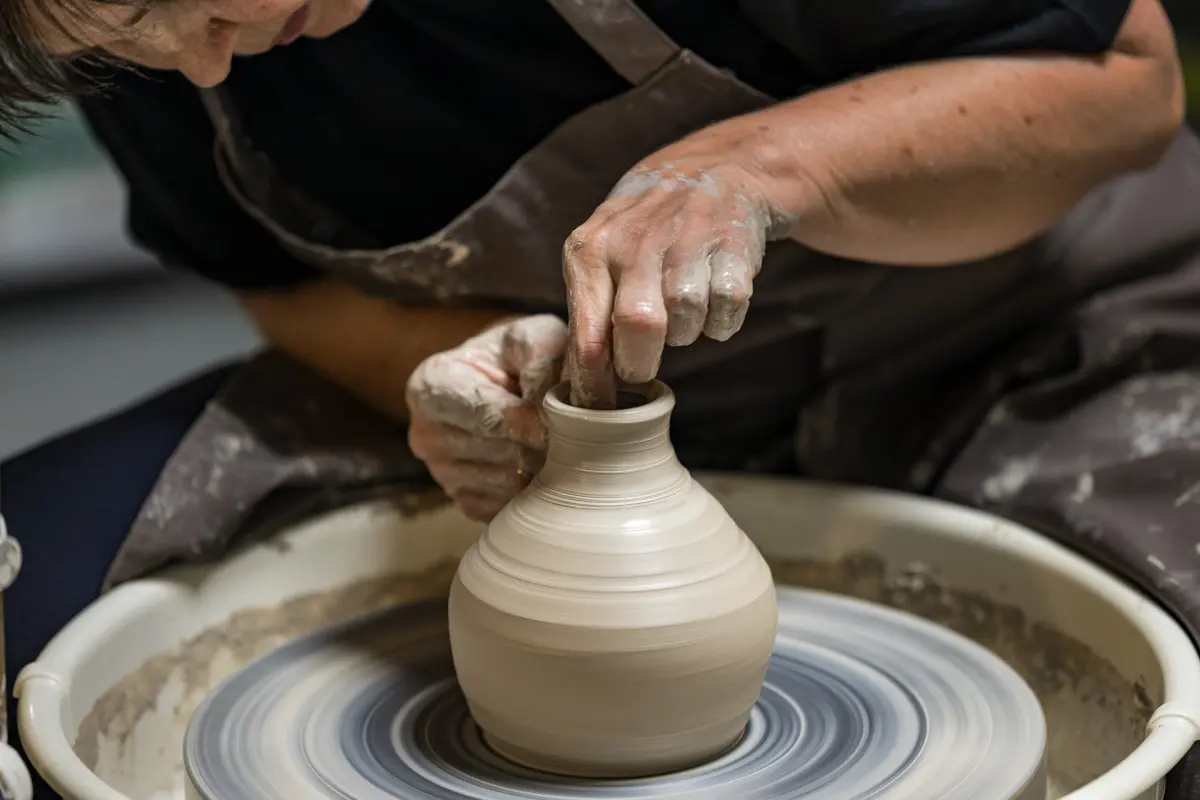
- Throwing: Using a potter's wheel to create symmetrical vessels like bowls or vases.
- Slip casting: Pouring a liquid suspension of clay, known as slip, into a porous plaster mold.
- Jiggering: Using a machine to press clay into a rotating mold, commonly used for flatware like plates.
- Pressing: Using hydraulic or manual pressure to force clay into intricate dies for detailed figurines.
How is porcelain fired and vitrified?
The transformation of clay into porcelain occurs during the firing process, which is significantly more demanding than that of lower-temperature ceramics. The pieces undergo two distinct firings. The first, called the bisque firing, hardens the clay into a porous state, making it easier to handle and glaze. The second, or glost firing, occurs at a much higher temperature, where the magic of vitrification takes place.
During this final stage, the feldspar melts into a glass-like liquid that fills the microscopic spaces between the kaolin particles. This process seals the piece completely, resulting in a non-porous surface that is impervious to water and highly resistant to staining. If the temperature is not controlled precisely, the porcelain can warp or collapse under its own weight, as the material becomes soft and plastic at the peak of the firing cycle.
How is porcelain glazed and decorated?
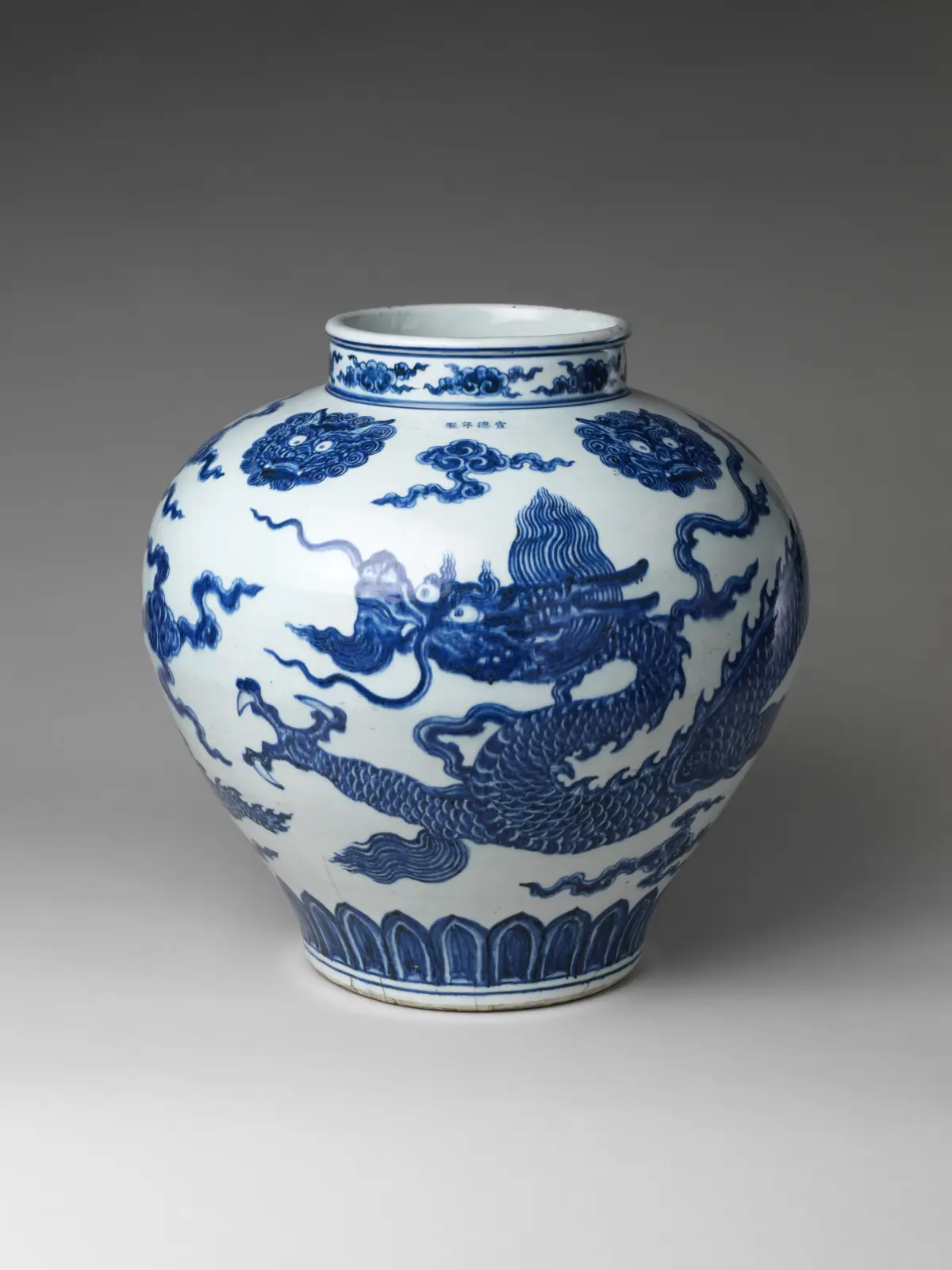
Glazing porcelain is essential for both aesthetic appeal and functional durability. Because the clay body is so dense after firing, the glaze must be chemically formulated to match the expansion and contraction rates of the porcelain body. If the glaze does not fit the clay, it will develop fine cracks known as crazing. Glazes are typically applied to the bisque-fired piece before the final high-temperature kiln cycle.
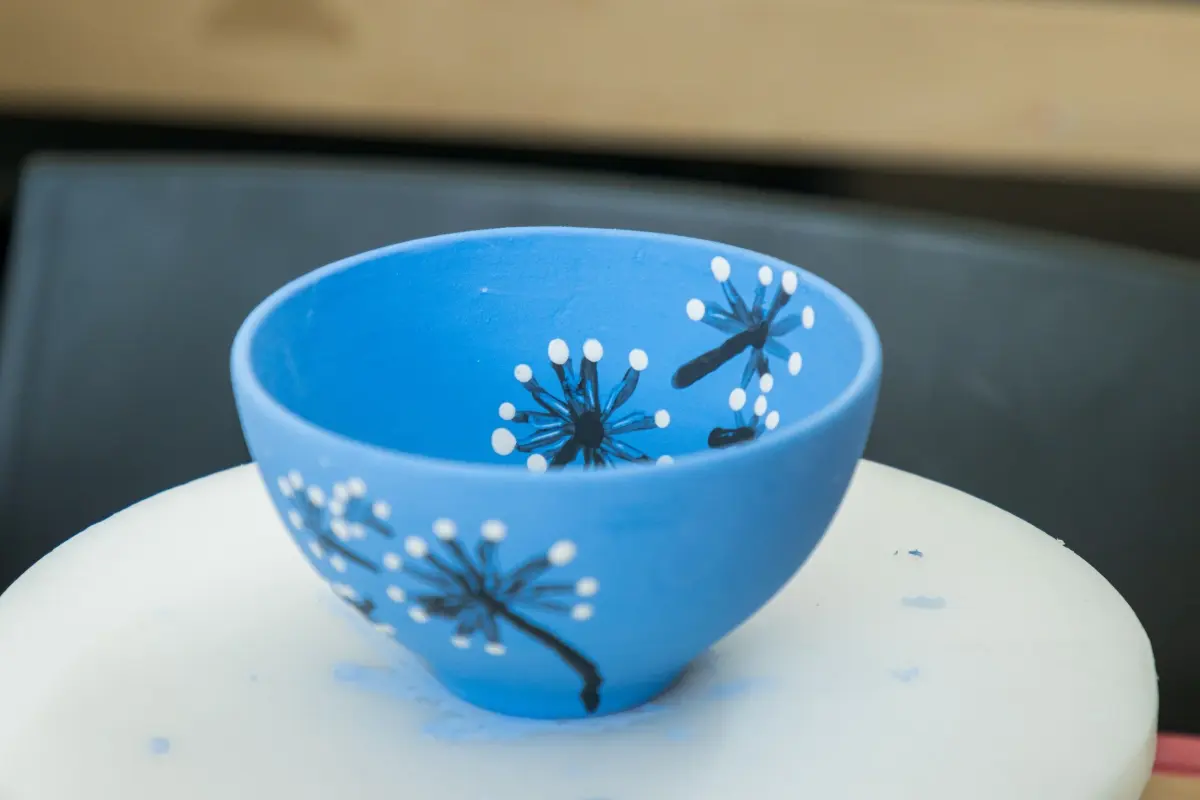
Decoration can be applied at different stages, leading to distinct visual results:
- Underglaze: Pigments are applied to the raw or bisque-fired clay before the glaze, protecting the design from wear.
- In-glaze: Colors are applied onto the unfired glaze, sinking into the surface during the final firing.
- Overglaze: Enamels or metallic lusters are applied to a finished, glazed piece and fired again at a lower temperature.
Common mistakes when working with porcelain
Working with porcelain requires patience and strict adherence to technical parameters. One of the most frequent errors is rushing the drying process, which leads to cracking. Because porcelain has high shrinkage rates, it must dry slowly and evenly to prevent internal stresses. If a piece dries too quickly on one side, the differential tension will almost certainly cause it to split or crack before it ever reaches the kiln.
Another common mistake involves improper kiln loading or temperature management. Porcelain is highly susceptible to thermal shock, meaning it must be heated and cooled very gradually. If the kiln temperature rises or falls too abruptly, the structural integrity of the piece will fail, resulting in fractures. Additionally, failing to clean the base of a piece before firing can cause it to fuse permanently to the kiln shelf, ruining both the porcelain and the kiln furniture. Always ensure the bottom of the piece is wiped clean of glaze before placing it in the kiln.
Key facts
- Porcelain is composed of kaolin clay, quartz, and feldspar, fired at temperatures between 1,200°C and 1,400°C.
- The high firing temperature causes vitrification, a process where the materials fuse into a glass-like, non-porous state.
- Unlike earthenware, true porcelain is translucent when held up to a strong light source.
- Always avoid "thermal shock" by heating or cooling porcelain gradually to prevent cracking.
- Porcelain is traditionally divided into two categories: hard-paste, which is more durable, and soft-paste, which is more decorative.
- To test for authentic porcelain, tap the item gently; it should produce a clear, high-pitched ringing sound rather than a dull thud.
The bottom line
Porcelain is a sophisticated ceramic material defined by its vitrified, non-porous structure and characteristic translucency. By combining refined kaolin clay with quartz and feldspar at extreme temperatures, artisans create objects of remarkable durability and elegance. Whether used for fine dinnerware or industrial applications, understanding the material's sensitivity to thermal shock and its unique structural composition is essential for both collectors and practical users alike.
People also ask
What is the difference between porcelain and ceramic?
All porcelain is ceramic, but not all ceramic is porcelain. Porcelain is a specific type of ceramic fired at much higher temperatures, making it denser, stronger, and less porous than common earthenware or stoneware.
Can porcelain be put in the microwave or dishwasher?
Most modern, glazed porcelain is microwave and dishwasher safe. However, avoid pieces with metallic gold or silver rims, as these can spark in the microwave and degrade in the dishwasher.
Why does porcelain turn white after firing?
The whiteness is primarily due to the purity of the kaolin clay used in the mixture. Iron impurities, which cause discoloration in other clays, are largely absent or controlled in high-quality porcelain deposits.
How do you repair cracked porcelain?
Small chips can be filled with specialized epoxy resins designed for ceramics. For structural breaks, professional restoration is recommended, as standard household glues rarely provide the necessary heat resistance or bonding strength.
Is porcelain naturally waterproof?
Yes, because the firing process creates a vitrified, glass-like body, porcelain is naturally non-porous. It does not require a glaze to hold water, though glazing is typically applied for aesthetic reasons and ease of cleaning.
What causes porcelain to warp during firing?
Warping is usually caused by uneven drying or improper support in the kiln. If the clay is not dried uniformly before firing, internal stresses cause the piece to deform as the glass phase develops.
This answer was created with the help of AI research tools and reference sources. Spotted an error? Let us know — we correct mistakes quickly. See our editorial policy.