What is color blindness?
Short answer
Color blindness is a vision deficiency that makes it difficult to distinguish between certain shades, most commonly reds and greens. It occurs when light-sensitive cells in the retina fail to respond correctly to variations in wavelengths of light. While usually inherited, it can also result from eye disease or physical trauma.

On this page
Why color blindness happens
The human eye perceives color through specialized photoreceptor cells located in the retina, known as cones. Most people possess three types of cones, each sensitive to different light wavelengths: red, green, and blue. Color blindness occurs when one or more of these cone types are absent, damaged, or malfunctioning. This prevents the brain from processing the full spectrum of colors, leading to confusion between specific hues.
The most common form, red-green color blindness, is typically an X-linked recessive genetic trait. This explains why it affects approximately 8 percent of men but less than 1 percent of women globally. Because the gene responsible for the condition is carried on the X chromosome, men—who possess only one X chromosome—are much more likely to exhibit the deficiency. Women, who have two X chromosomes, usually have a functional copy to compensate for the mutation.
How to identify color vision deficiency
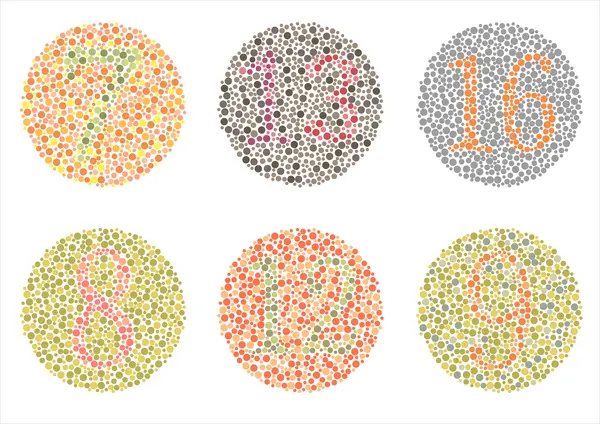
Medical professionals use standardized tests to determine the presence and severity of color vision issues. The most recognized method is the Ishihara test, which consists of a series of plates featuring multicolored dots. A person with typical vision sees a number or shape hidden within the pattern, while someone with a deficiency may see nothing or a different figure.
If you suspect a color vision issue, consider these steps for professional evaluation:
- Schedule a comprehensive eye examination with an optometrist or ophthalmologist.
- Request a formal color vision assessment, such as the Ishihara plates or the Farnsworth-Munsell 100 Hue Test.
- Discuss any sudden changes in color perception with a doctor, as these may indicate underlying health issues like cataracts or optic nerve damage.
Early detection is particularly important for children, as color-coded educational materials can make learning difficult if a student cannot distinguish between the necessary shades.
Daily challenges for color-blind individuals
Navigating a world designed for full-spectrum vision presents unique obstacles. Traffic signals, for instance, rely on position rather than just color to ensure safety. However, other scenarios are more complex, such as identifying if meat is cooked, determining the health of plants, or reading color-coded status lights on electronic devices. These tasks often require relying on secondary cues like texture, brightness, or position.
Common areas where color blindness creates friction include:
- Interpreting color-coded maps or data charts that lack labels.
- Matching clothing items or selecting color-coordinated accessories.
- Identifying warning lights on car dashboards that rely solely on red or amber indicators.
- Distinguishing between different types of fruit or vegetables based on ripeness.
Many individuals develop coping mechanisms, such as asking others for assistance or using mobile applications that identify colors through a smartphone camera.
Common mistakes when interacting with color-blind people
A frequent error is assuming that color-blind individuals see the world in black and white. Total color blindness, known as achromatopsia, is an extremely rare condition. Most people with color vision deficiency see a wide range of colors but struggle specifically with the overlap of certain wavelengths. Avoid testing them by pointing to random objects and asking them to identify the color, as this is often frustrating and inaccurate.
Another mistake is designing information systems that rely exclusively on color. When creating presentations, charts, or websites, always use patterns, labels, or symbols alongside color to convey meaning. For example, instead of using only red and green bars on a graph, use a solid bar and a hatched or dotted bar. This ensures that the information remains accessible to everyone regardless of their visual capabilities, fostering a more inclusive environment in professional and social settings.
Best tools for managing color vision deficiency
Modern technology has introduced several aids to help individuals compensate for color perception gaps. Specialized lenses, often tinted in specific ways, can sometimes help the brain distinguish between colors that usually appear similar by filtering out certain wavelengths. While these do not "cure" color blindness, they can enhance contrast and make the world appear more vivid for many users.
Digital tools have also become essential for daily independence:
- Color-identifying apps: These tools use the camera lens to name a color in real-time, which is helpful for tasks like shopping or decorating.
- Accessibility settings: Most modern operating systems allow users to adjust screen contrast and color filters to make digital interfaces more readable.
- Pattern-based labeling: Using tactile stickers or specific marks on clothing tags can help in organizing a wardrobe without needing to identify the color visually.
By utilizing these resources, individuals can minimize the impact of their condition on their professional and personal lives, ensuring they remain confident and capable in every task they undertake.
Key facts
- Color blindness, or color vision deficiency, is the inability to distinguish between certain shades, most commonly red and green.
- Approximately 8% of men and 0.5% of women of Northern European descent have some form of color vision deficiency.
- The condition is usually genetic, caused by mutations in the X chromosome, which explains why it is far more prevalent in males.
- Total color blindness, known as achromatopsia, is a rare condition where individuals see the world entirely in shades of gray.
- The Ishihara test, consisting of plates with colored dots forming hidden numbers, remains the standard diagnostic tool for screening.
- There is currently no cure for inherited color blindness, though specialized tinted lenses can sometimes improve contrast for specific tasks.
The bottom line
Color blindness is a common genetic condition that affects how individuals perceive color, most frequently involving red and green hues. While it cannot be cured, it rarely impacts daily life significantly once the individual adapts to their unique visual perspective. Understanding the limitations of color vision helps in designing more accessible environments, ensuring that information is conveyed through patterns and brightness rather than color alone.
People also ask
Is color blindness a form of blindness?
No, it is a vision deficiency rather than a total loss of sight. Most people with color blindness see objects clearly but struggle to differentiate between specific hues.
Can color blindness develop later in life?
Yes, while most cases are inherited, acquired color blindness can result from aging, eye diseases like glaucoma, or exposure to certain toxic chemicals. These conditions may affect one eye differently than the other.
How do color-blind people navigate traffic lights?
They often rely on the position of the lights rather than the color. In most countries, the red light is at the top and the green light is at the bottom, allowing for safe navigation.
Are there jobs that people with color blindness cannot perform?
Certain professions, such as aviation, train operation, and some roles in the military or electrical engineering, require perfect color vision. These fields use strict testing to ensure safety standards are met.
Do color-blind people see the world in black and white?
Very rarely. Most individuals with color vision deficiency can see many colors, but they confuse specific pairs like red and green or blue and yellow.
Can color-blindness apps help with daily tasks?
Yes, smartphone apps can use the camera to identify colors in real-time or apply filters to help distinguish between hues. These tools are helpful for tasks like shopping for clothes or checking if meat is cooked.
This answer was created with the help of AI research tools and reference sources. Spotted an error? Let us know — we correct mistakes quickly. See our editorial policy.