What is lava?
Short answer
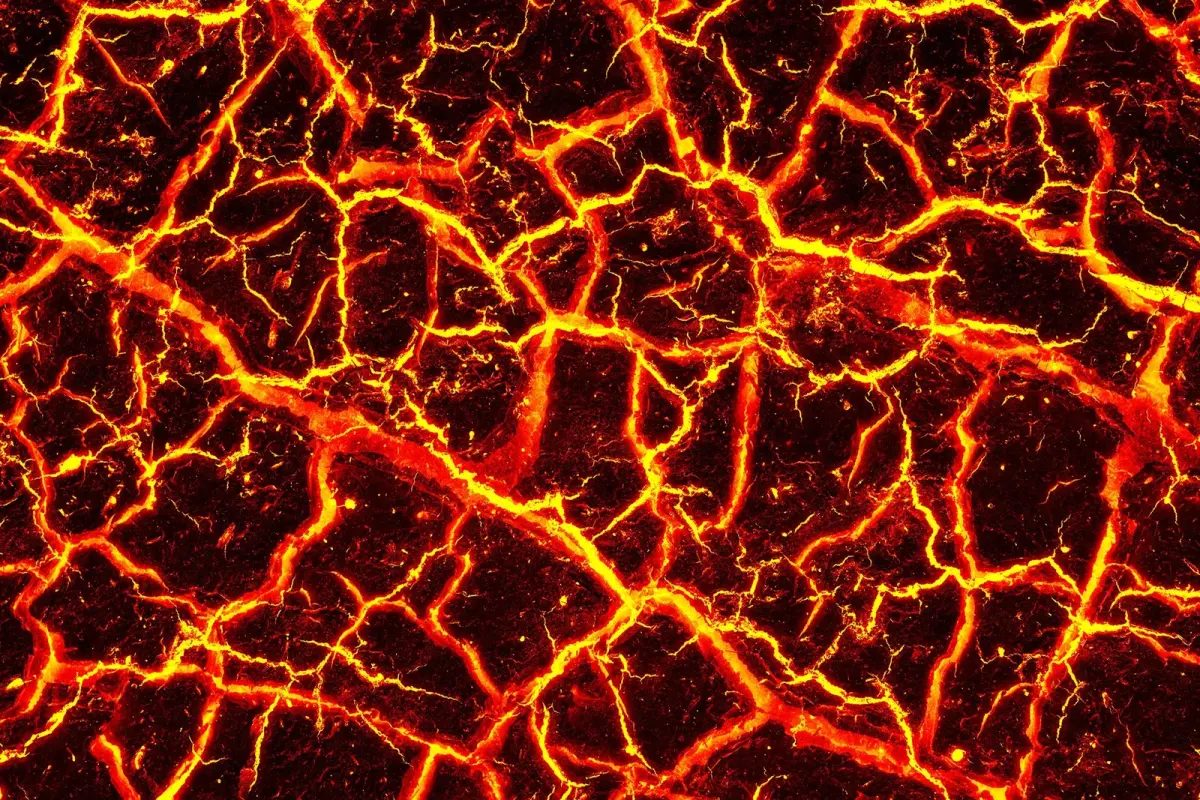
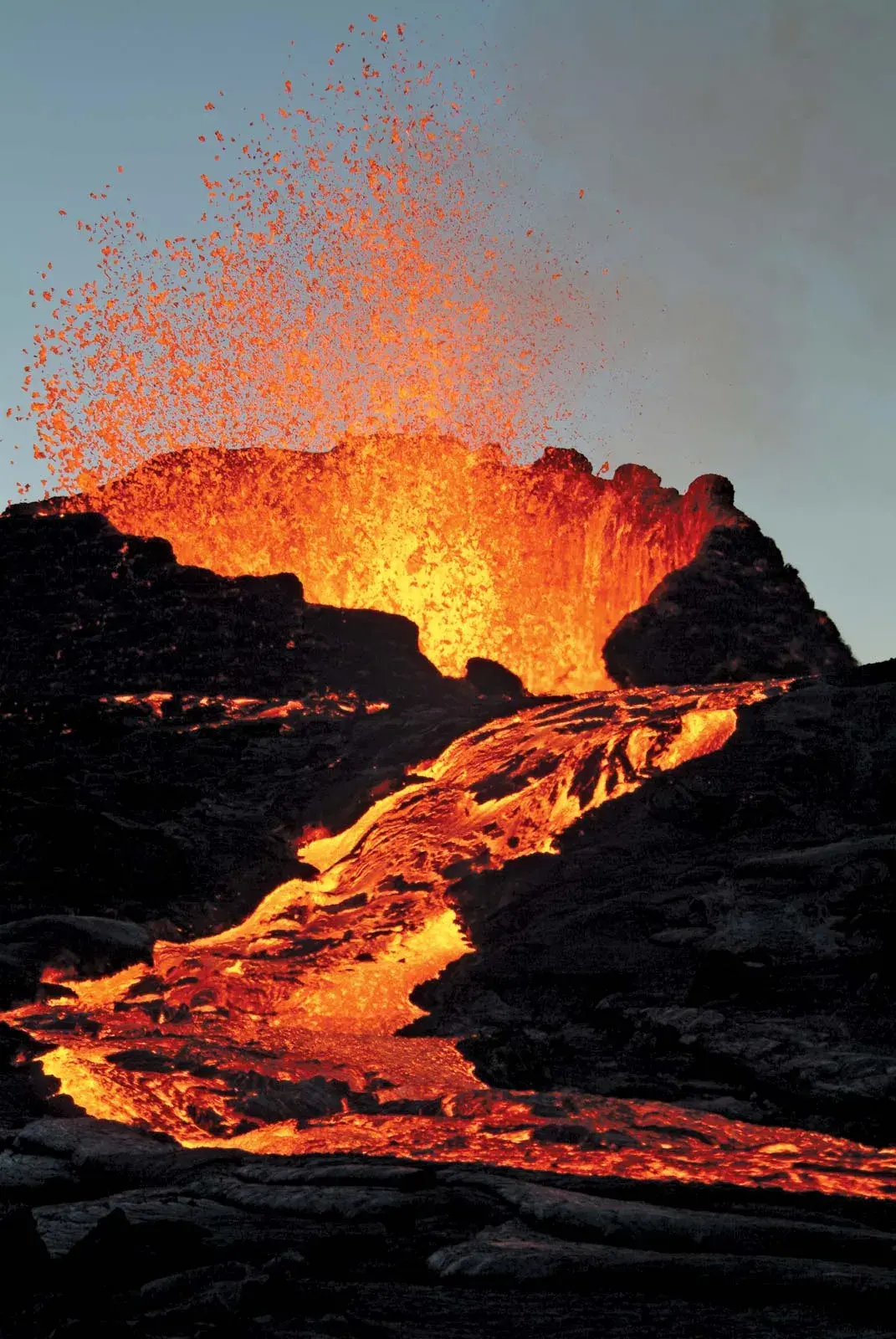
Lava is molten rock that reaches the Earth's surface through a volcanic vent or fissure. Before reaching the surface, this material is known as magma. Once erupted, it flows across the landscape, cooling and solidifying into igneous rock. Its temperature typically ranges from 700 to 1,200 degrees Celsius during an eruption.
On this page
Why does lava erupt from volcanoes?
Volcanoes erupt because of the immense heat and pressure deep within the Earth's mantle. As tectonic plates shift, they create pathways for magma to rise toward the crust. This magma is less dense than the surrounding solid rock, causing it to buoyantly move upward through cracks and conduits. When the pressure from dissolved gases within the magma exceeds the strength of the overlying rock, an eruption occurs.
The chemical composition of the magma determines how it behaves once it reaches the surface. High-silica magma is thick and viscous, often trapping gases that lead to explosive eruptions. In contrast, low-silica magma is thin and runny, allowing gases to escape easily and resulting in fluid lava flows. These flows can travel for miles, reshaping the terrain as they cool and harden into basaltic or rhyolitic rock formations.
How hot is lava exactly?
Lava temperatures vary significantly based on the chemical composition of the molten rock. The hottest flows are typically mafic, or basaltic, which originate from deep within the mantle. These flows can reach temperatures between 1,100 and 1,250 degrees Celsius. Felsic lavas, which contain higher amounts of silica, are generally cooler, often erupting at temperatures between 700 and 900 degrees Celsius.
- Basaltic lava: 1,100°C to 1,250°C (often found in Hawaii or Iceland).
- Andesitic lava: 900°C to 1,100°C (common in subduction zones).
- Rhyolitic lava: 700°C to 900°C (highly viscous and explosive).
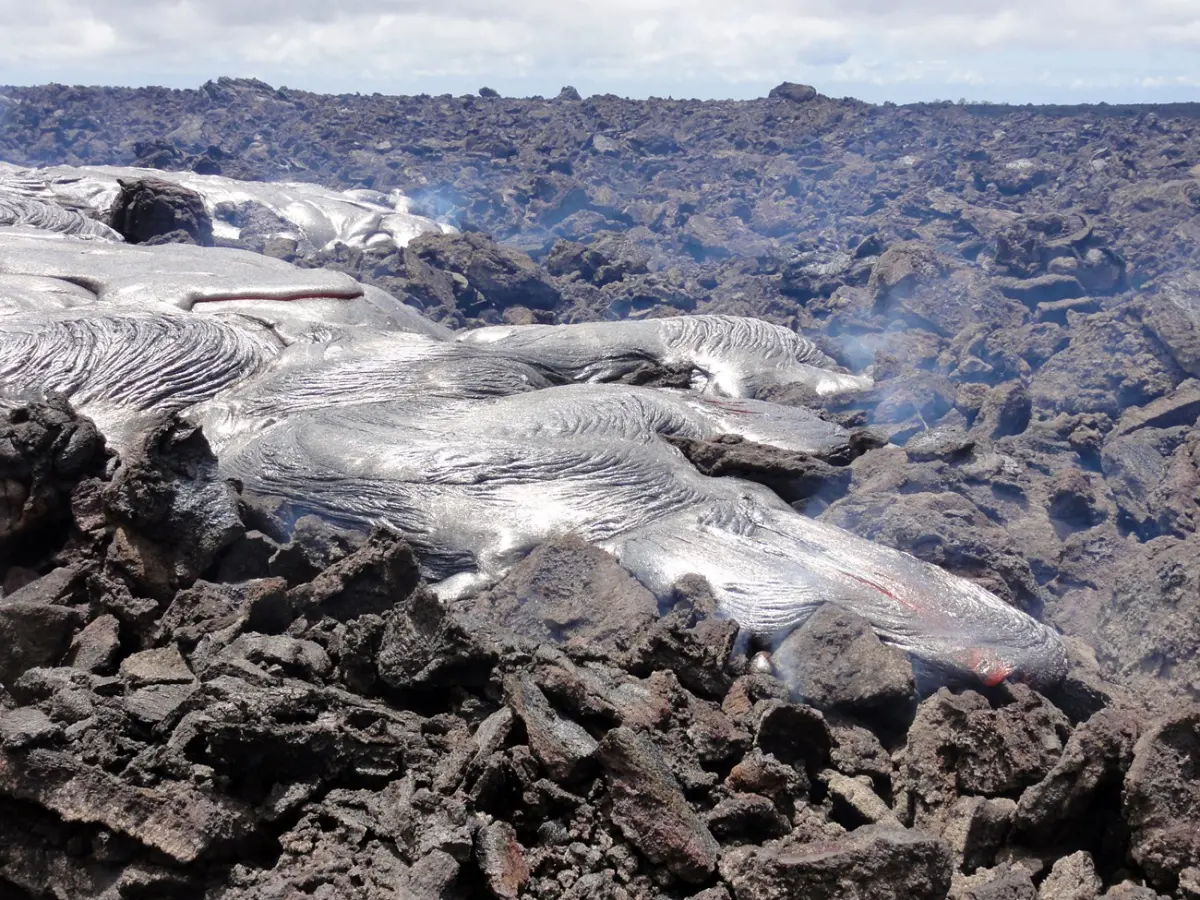
These extreme temperatures ensure that lava remains liquid enough to flow over the surface. As the lava moves away from the vent, it loses heat to the atmosphere and the ground. Eventually, the outer surface cools and hardens into a crust, while the interior remains molten for a longer period, acting as an insulating layer.
How do lava flows change the landscape?
Lava flows act as powerful geological architects, constantly adding new landmass to the planet. As the molten rock cools, it creates diverse landforms ranging from flat plains to steep, conical mountains. Over centuries, these layers of solidified lava build up to form massive shield volcanoes or stratovolcanoes. In coastal areas, lava entering the ocean creates dramatic steam explosions and expands the coastline by forming new volcanic rock benches.
The process of land formation involves several distinct stages:
- Eruption: Molten rock breaches the surface through a vent or fissure.
- Flow: Gravity pulls the liquid rock downhill, filling valleys and depressions.
- Cooling: The heat dissipates, causing the lava to crystallize into solid igneous rock.
- Weathering: Over time, rain and wind break down the rock into fertile volcanic soil.
This cycle is essential for the Earth’s crustal growth. While destructive in the short term, the resulting volcanic soil is often rich in minerals, supporting lush ecosystems.
What are the dangers of lava?
Lava presents significant hazards to human life and infrastructure due to its intense heat and unpredictable movement. While lava flows usually move slowly enough for people to evacuate, they are unstoppable. They can bury roads, destroy homes, and ignite fires upon contact with flammable materials. Furthermore, the gases released during an eruption, such as sulfur dioxide, can create hazardous air quality conditions miles away from the active flow.
Common dangers associated with volcanic activity include:
- Thermal radiation: Extreme heat can cause severe burns even without direct contact.
- Toxic gas emissions: Volcanic fumes can cause respiratory distress and long-term health issues.
- Structural collapse: The weight of cooling lava can crush buildings and bridges.
- Steam explosions: When lava hits water, it can trigger violent, unpredictable blasts of rock and steam.
Safety experts emphasize that observing lava from a distance is the only way to avoid these risks. Never attempt to approach an active flow, as the ground near the front can be unstable and prone to sudden collapse.
Common mistakes when observing lava
Many people underestimate the volatility of volcanic environments, leading to dangerous encounters. A frequent mistake is assuming that because a lava flow is moving slowly, it is safe to walk near it. The ground surface can be thin, hiding deep, molten "lava tubes" that can collapse under the weight of a person. Additionally, the wind can shift suddenly, blowing toxic volcanic gases directly toward observers, which can lead to rapid oxygen deprivation or lung irritation.
Another error is ignoring local signage and restricted zones during an active eruption. Authorities establish these boundaries based on real-time data regarding gas levels and flow paths. Attempting to get a closer photograph or a souvenir piece of rock is never worth the risk of being trapped by a sudden surge or a localized collapse. Always prioritize staying on marked trails and following the instructions of park rangers or geologists who monitor the site. By respecting the immense power of the earth, you ensure your safety while witnessing one of nature's most impressive displays.
Key facts
- Lava is molten rock that has reached the Earth's surface after erupting from a volcano or fissure.
- While underground, this same molten material is called magma; the name changes once it is exposed to the atmosphere.
- Lava temperatures typically range from 700 to 1,200 degrees Celsius (1,300 to 2,200 degrees Fahrenheit).
- The viscosity of lava depends on its silica content, with high-silica rhyolite flowing slowly and low-silica basalt flowing rapidly.
- Never attempt to touch or walk on cooling lava, as a hardened crust often hides molten, extremely hot material underneath.
- If you are near an active flow, always stay upwind to avoid inhaling toxic volcanic gases like sulfur dioxide.
The bottom line
Lava is the surface expression of the Earth’s internal heat, representing molten rock that has escaped the crust. Its behavior is dictated by chemical composition, which determines whether it flows like a river or explodes violently. While it creates spectacular geological formations and new land, it remains an incredibly dangerous force of nature that requires extreme caution and distance from anyone observing volcanic activity.
People also ask
What is the difference between lava and magma?
Magma is molten rock stored deep beneath the Earth's crust. Once that material breaches the surface during an eruption, it is officially classified as lava.
Can lava turn into rock?
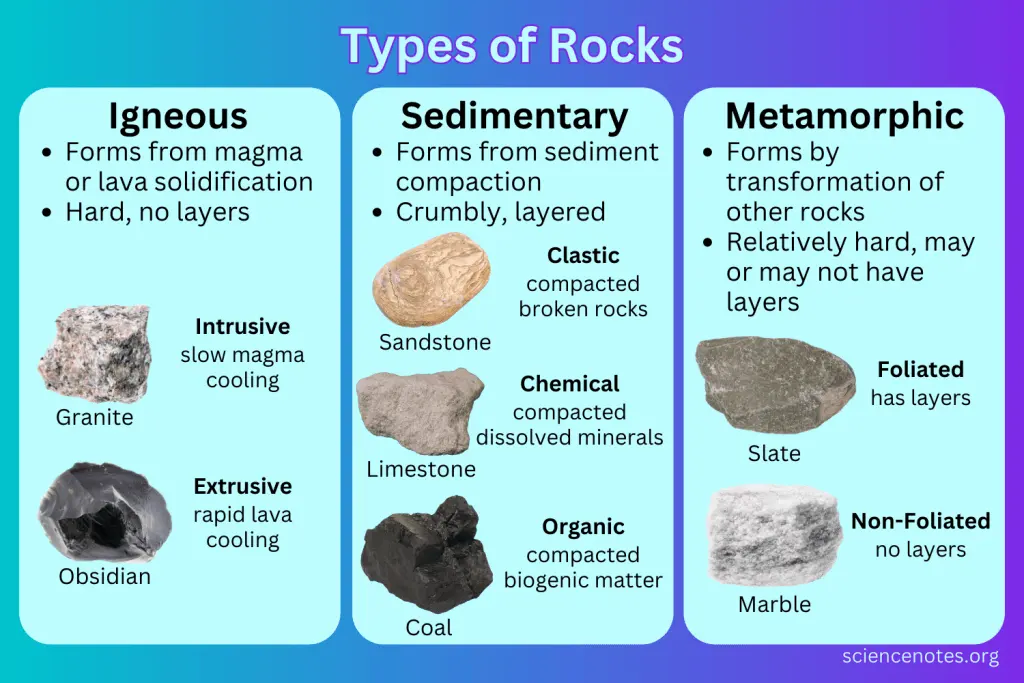
Yes, lava turns into igneous rock as it loses heat and solidifies. Basalt forms from low-viscosity flows, while rocks like rhyolite or andesite form from thicker, more explosive lavas.
How fast does lava travel?
Speed varies greatly based on the slope of the land and the lava's composition. Some basaltic flows can move at speeds of 10 to 30 miles per hour, while others crawl at a few inches per minute.
What happens when lava hits the ocean?
When lava enters the sea, it cools rapidly, creating steam explosions and shattered glass-like fragments. This process often builds new land, known as a lava delta, extending the coastline.
Is lava dangerous to breathe?
Yes, lava releases hazardous gases including carbon dioxide, hydrogen sulfide, and sulfur dioxide. These can be fatal in high concentrations, especially in low-lying areas where gases collect.
Can you outrun a lava flow?
Most lava flows move slowly enough that a person can easily walk away from them. However, you should never approach a flow, as unpredictable surges or hidden terrain hazards pose significant risks.
This answer was created with the help of AI research tools and reference sources. Spotted an error? Let us know — we correct mistakes quickly. See our editorial policy.